
Whipple Museum of the History of Science
About Whipple Museum of the History of Science
Description
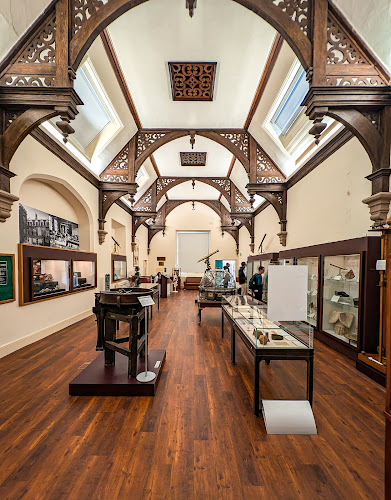
The Whipple Museum of the History of Science in Cambridge is one of those places that feels like a hidden treasure chest, especially if you’ve ever been curious about how science looked centuries ago. It’s not a huge museum, but that’s part of its charm—it feels approachable, almost like stepping into an old study filled with curious objects. Inside, you’ll find everything from antique scientific instruments to models, photographs, and rare teaching tools that once guided students at the University of Cambridge. The collection stretches all the way back to the 16th century, so it’s a bit like time-traveling through the history of discovery.
What makes it stand out is how personal it feels. You’re not just looking at objects behind glass; you’re seeing the actual tools that scientists, students, and explorers used to understand the world. There’s something oddly moving about standing in front of a centuries-old globe or telescope and realizing that it once shaped how someone thought about the universe. And while it’s definitely a museum for history buffs, it’s also surprisingly fun for kids. The exhibits are quirky, colorful, and often interactive enough to hold their attention. The atmosphere is calm and not overly crowded, which makes it a refreshing break from the busier Cambridge attractions.
Of course, like any museum, not everything will blow you away. Some displays are more academic and text-heavy, which might not be everyone’s cup of tea. But overall, the Whipple Museum manages to strike a balance between being educational and genuinely fascinating. If you’re the type who enjoys wandering slowly, pausing to imagine the hands that once used these instruments, you’ll probably leave with a smile and maybe a new appreciation for the messy, experimental journey of science itself.
Key Features
- Extensive collection of antique scientific instruments, some dating back to the 1500s
- Models, teaching tools, and demonstration equipment used at the University of Cambridge
- Photographs and historical documents that reveal the evolution of scientific thought
- Wheelchair accessible entrance and restrooms for inclusivity
- Family-friendly environment with exhibits that appeal to children as well as adults
- Quiet, intimate atmosphere compared to larger museums in Cambridge
- Free entry, making it an affordable stop for travelers
Best Time to Visit
Because the Whipple Museum isn’t one of the main tourist magnets in Cambridge, you won’t have to elbow your way through crowds like you might at bigger museums. That said, afternoons can feel a little busier, especially during school trips or on weekends. If you want the space almost to yourself, aim for a weekday right when it opens. I once dropped by on a Tuesday just after lunch, and for a good half-hour it felt like I had the place to myself—it was almost eerie, in a good way. And here’s a little bonus: the museum now opens every third Saturday of the month, which is perfect if you’re only in Cambridge for a weekend trip. Just be aware that holidays or special events might change the usual hours, so it’s always smart to double-check before you go.
How to Get There
The museum is right in the heart of Cambridge, which means you’ve got options. If you’re already wandering around the university area, you can easily walk there—it’s tucked among the historic colleges and streets that make Cambridge so photogenic. For those coming in by train, it’s about a 20-minute walk from the station, or you can hop on a bus or grab a taxi if you’re not up for walking. Driving into Cambridge can be a bit of a headache (the streets weren’t exactly designed for modern traffic), but if you do bring a car, there is a free parking lot nearby. Just don’t expect a massive car park—it’s limited, so getting there early helps. Personally, I’d say walking or cycling is the most enjoyable way, since you get to soak in the atmosphere of the city along the way.
Tips for Visiting
First off, don’t rush it. Even though the museum isn’t huge, the details are where the magic lies. Take your time reading the labels and imagining how these instruments were once cutting-edge technology. If you’re traveling with kids, point out the more unusual or quirky pieces—they’ll love spotting things like old globes or peculiar-looking mechanical models. And since there’s no café or restaurant inside, it’s a good idea to eat beforehand or plan a stop at one of the many nearby cafés after your visit. Trust me, a cup of coffee and a pastry in Cambridge tastes even better when you’ve just spent an hour or two geeking out over history.
Accessibility is generally good, with a wheelchair-friendly entrance and restrooms, though parking can be a bit tricky if you rely on accessible spaces. If you’re someone who likes to take photos, you’ll find plenty of opportunities here—just check the rules when you arrive, as some exhibits may have restrictions. And here’s a personal tip: bring a notebook. I found myself jotting down little thoughts and sketches as I wandered, and it made the visit feel even more memorable. There’s something about being surrounded by centuries of scientific curiosity that sparks your own creativity.
All in all, the Whipple Museum is the kind of place that rewards curiosity. It’s not flashy, and it doesn’t need to be. It’s a slice of history that feels alive in its own quiet way. If you’re in Cambridge and want to step off the beaten path, this museum is absolutely worth a couple of hours of your time.
Key Features
- Extensive collection of antique scientific instruments, some dating back to the 1500s
- Models, teaching tools, and demonstration equipment used at the University of Cambridge
- Photographs and historical documents that reveal the evolution of scientific thought
- Wheelchair accessible entrance and restrooms for inclusivity
- Family-friendly environment with exhibits that appeal to children as well as adults
- Quiet, intimate atmosphere compared to larger museums in Cambridge
- Free entry, making it an affordable stop for travelers
More Details
Updated September 9, 2025
Table of Contents
- Description
- Key Features
- Best Time to Visit
- How to Get There
- Tips for Visiting
- Key Highlights
- Location
- Places to Stay Near Whipple Museum of the History of Science
- Find and Book a Tour
- Explore More Travel Guides
- Nearby Places You Might Like
- Traveler Reviews for Whipple Museum of the History of Science
- Share Your Experience
Description
The Whipple Museum of the History of Science in Cambridge is one of those places that feels like a hidden treasure chest, especially if you’ve ever been curious about how science looked centuries ago. It’s not a huge museum, but that’s part of its charm—it feels approachable, almost like stepping into an old study filled with curious objects. Inside, you’ll find everything from antique scientific instruments to models, photographs, and rare teaching tools that once guided students at the University of Cambridge. The collection stretches all the way back to the 16th century, so it’s a bit like time-traveling through the history of discovery.
What makes it stand out is how personal it feels. You’re not just looking at objects behind glass; you’re seeing the actual tools that scientists, students, and explorers used to understand the world. There’s something oddly moving about standing in front of a centuries-old globe or telescope and realizing that it once shaped how someone thought about the universe. And while it’s definitely a museum for history buffs, it’s also surprisingly fun for kids. The exhibits are quirky, colorful, and often interactive enough to hold their attention. The atmosphere is calm and not overly crowded, which makes it a refreshing break from the busier Cambridge attractions.
Of course, like any museum, not everything will blow you away. Some displays are more academic and text-heavy, which might not be everyone’s cup of tea. But overall, the Whipple Museum manages to strike a balance between being educational and genuinely fascinating. If you’re the type who enjoys wandering slowly, pausing to imagine the hands that once used these instruments, you’ll probably leave with a smile and maybe a new appreciation for the messy, experimental journey of science itself.
Key Features
- Extensive collection of antique scientific instruments, some dating back to the 1500s
- Models, teaching tools, and demonstration equipment used at the University of Cambridge
- Photographs and historical documents that reveal the evolution of scientific thought
- Wheelchair accessible entrance and restrooms for inclusivity
- Family-friendly environment with exhibits that appeal to children as well as adults
- Quiet, intimate atmosphere compared to larger museums in Cambridge
- Free entry, making it an affordable stop for travelers
Best Time to Visit
Because the Whipple Museum isn’t one of the main tourist magnets in Cambridge, you won’t have to elbow your way through crowds like you might at bigger museums. That said, afternoons can feel a little busier, especially during school trips or on weekends. If you want the space almost to yourself, aim for a weekday right when it opens. I once dropped by on a Tuesday just after lunch, and for a good half-hour it felt like I had the place to myself—it was almost eerie, in a good way. And here’s a little bonus: the museum now opens every third Saturday of the month, which is perfect if you’re only in Cambridge for a weekend trip. Just be aware that holidays or special events might change the usual hours, so it’s always smart to double-check before you go.
How to Get There
The museum is right in the heart of Cambridge, which means you’ve got options. If you’re already wandering around the university area, you can easily walk there—it’s tucked among the historic colleges and streets that make Cambridge so photogenic. For those coming in by train, it’s about a 20-minute walk from the station, or you can hop on a bus or grab a taxi if you’re not up for walking. Driving into Cambridge can be a bit of a headache (the streets weren’t exactly designed for modern traffic), but if you do bring a car, there is a free parking lot nearby. Just don’t expect a massive car park—it’s limited, so getting there early helps. Personally, I’d say walking or cycling is the most enjoyable way, since you get to soak in the atmosphere of the city along the way.
Tips for Visiting
First off, don’t rush it. Even though the museum isn’t huge, the details are where the magic lies. Take your time reading the labels and imagining how these instruments were once cutting-edge technology. If you’re traveling with kids, point out the more unusual or quirky pieces—they’ll love spotting things like old globes or peculiar-looking mechanical models. And since there’s no café or restaurant inside, it’s a good idea to eat beforehand or plan a stop at one of the many nearby cafés after your visit. Trust me, a cup of coffee and a pastry in Cambridge tastes even better when you’ve just spent an hour or two geeking out over history.
Accessibility is generally good, with a wheelchair-friendly entrance and restrooms, though parking can be a bit tricky if you rely on accessible spaces. If you’re someone who likes to take photos, you’ll find plenty of opportunities here—just check the rules when you arrive, as some exhibits may have restrictions. And here’s a personal tip: bring a notebook. I found myself jotting down little thoughts and sketches as I wandered, and it made the visit feel even more memorable. There’s something about being surrounded by centuries of scientific curiosity that sparks your own creativity.
All in all, the Whipple Museum is the kind of place that rewards curiosity. It’s not flashy, and it doesn’t need to be. It’s a slice of history that feels alive in its own quiet way. If you’re in Cambridge and want to step off the beaten path, this museum is absolutely worth a couple of hours of your time.
Key Highlights
- Extensive collection of antique scientific instruments, some dating back to the 1500s
- Models, teaching tools, and demonstration equipment used at the University of Cambridge
- Photographs and historical documents that reveal the evolution of scientific thought
- Wheelchair accessible entrance and restrooms for inclusivity
- Family-friendly environment with exhibits that appeal to children as well as adults
- Quiet, intimate atmosphere compared to larger museums in Cambridge
- Free entry, making it an affordable stop for travelers
Location
Places to Stay Near Whipple Museum of the History of Science
Find and Book a Tour
Explore More Travel Guides
No reviews found! Be the first to review!
Traveler Reviews for Whipple Museum of the History of Science
There are no reviews yet. Be the first one to write one.
Have you visited Whipple Museum of the History of Science? Help other travelers by sharing your review.
You Might Also Like

Old Burial Ground

Parker's Piece

Alewife Brook Reservation
Find Accommodations Nearby
Recommended Tours & Activities
Visitor Reviews
There are no reviews yet. Be the first one to write one.
Share Your Experience
Have you visited Whipple Museum of the History of Science? Help other travelers by leaving a review.