

West Azerbaijan Province
About West Azerbaijan Province
Description
West Azerbaijan Province, tucked away in the far northwest corner of Iran, feels like a world of its own. It’s a place where rugged mountains, serene lakes, and ancient fortresses share the same horizon. The capital city, Urmia, sits gracefully near the famous Lake Urmia — once one of the largest saltwater lakes in the Middle East. Even though the lake has shrunk over the years, it still holds a quiet beauty that draws travelers who crave a bit of solitude and reflection. The province borders Turkey, Iraq, and the Nakhchivan Autonomous Republic, which gives it a fascinating mix of cultures, languages, and cuisines. You can hear Kurdish, Azeri, Persian, and even Armenian spoken in the same marketplace, and honestly, that’s part of the charm.
What makes West Azerbaijan stand out isn’t just its geography or history — it’s the feeling of timelessness that seeps into every corner. You can wander through centuries-old churches, mosques, and castles, or hike through mountain villages where life hasn’t changed much in decades. The people here are warm and curious, often inviting travelers for tea before you even have a chance to say no. I remember once being stopped by a shepherd near Mahabad who insisted I try his homemade cheese and bread — it was simple, salty, and somehow perfect after a long morning hike.
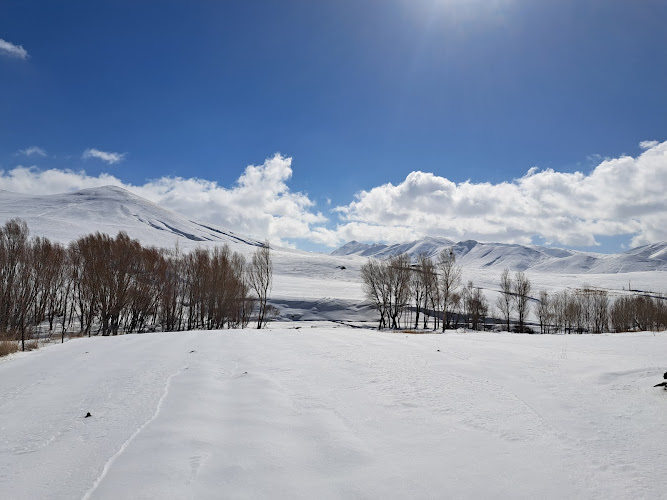
The province is a patchwork of landscapes: snow-capped peaks in the winter, rolling green hills in spring, and golden fields in summer. And the food — oh, the food — is hearty and full of flavor. Think kebabs grilled over open flames, saffron rice, and tangy yogurt dips. It’s a place that feels both remote and welcoming, ancient yet alive. Travelers often come for the sights but end up staying for the stories and the people.
Key Features
- Lake Urmia: Once the largest salt lake in the Middle East, it’s a hauntingly beautiful spot for photography and birdwatching.
- Takht-e Soleyman: A UNESCO World Heritage site with ancient ruins from the Sassanid era, surrounded by volcanic mountains.
- Kandovan Village: A surreal village carved into volcanic rock, similar to Cappadocia but quieter and less commercialized.
- Urmia Bazaar: A bustling market filled with spices, carpets, and local crafts — and the best place to try traditional sweets.
- Mount Sahand and Mount Ararat views: Ideal for trekkers and photographers chasing dramatic mountain scenery.
- Historical Churches: Including St. Thaddeus Monastery, one of the oldest Christian sites in the world.
- Diverse Culture: A fascinating blend of Kurdish, Azeri, Persian, and Assyrian traditions, often celebrated through festivals and local music.
Best Time to Visit
Honestly, it depends on what you want from the trip. Spring (April to June) is probably the most comfortable time — the hills are green, the weather is mild, and the roads are easy to travel. I personally love late spring when the air smells of wildflowers and the markets start overflowing with fresh cherries and apricots. Summer can get warm, especially in the lower valleys, but it’s perfect for exploring mountain villages like Kandovan or taking scenic drives near the Turkish border.
Autumn (September to November) is another gem of a season. The landscapes turn golden, and the air gets crisp, making it ideal for hiking or photography. Winter, on the other hand, transforms the region into a snowy wonderland. If you’re into skiing or just want to see a quieter, more introspective side of Iran, this is your time. The mountains around Urmia and Khoy are particularly stunning under snow. Just pack warm — the cold here doesn’t play around.
How to Get There
Getting to West Azerbaijan is easier than most people expect. Urmia has an international airport that connects to Tehran and a few regional cities. From Tehran, it’s about a 1.5-hour flight, or if you’re more adventurous, a long but scenic 12-hour bus or car journey. The road winds through the mountains, offering glimpses of small villages and endless plains — a bit tiring, but worth every minute.
Travelers coming from Turkey or Iraq can cross via border points near Bazargan or Piranshahr. The border towns are lively, filled with traders and travelers moving between countries. Once inside the province, shared taxis and local buses are common, though renting a car gives you more freedom to explore remote areas like Takab or the shores of Lake Urmia. Just be ready for winding mountain roads and the occasional flock of sheep blocking your path — it’s all part of the adventure.
Tips for Visiting
Here’s the thing about West Azerbaijan — it’s not your typical tourist hotspot, and that’s exactly why it’s so rewarding. But a few tips can make your trip smoother:
- Learn a few local words: A simple “salaam” or “merci” goes a long way. People appreciate the effort and often respond with big smiles.
- Dress modestly: Iran has a dress code, and while locals are relaxed, it’s best to respect the culture. Lightweight scarves and long sleeves work well.
- Cash is king: Credit cards don’t always work due to international restrictions, so bring enough Iranian rials or exchange money in Urmia.
- Try local food: Don’t skip the “Ash-e Doogh” (a yogurt-based soup) or “Kebab Torsh.” They taste like comfort in a bowl.
- Stay flexible: Transport schedules can change, and sometimes roads close due to weather. It’s part of the charm — embrace it.
- Photography etiquette: Always ask before taking photos of people, especially in rural areas. Locals are friendly but value privacy.
- Respect religious sites: Many of the monasteries and mosques are still active places of worship. Dress appropriately and move quietly.
One more thing — don’t rush it. West Azerbaijan rewards slow travelers. Spend a few days in Urmia to soak in city life, then head out to the countryside. Sit by the lake, chat with locals, get lost in the bazaars. The province isn’t about ticking off landmarks; it’s about moments. Like the time I watched the sunset over Lake Urmia — the sky turned pink, the salt flats glimmered, and for a second, it felt like time just stopped. Those are the memories that stick with you long after you’ve left.
If you’re the type of traveler who values authenticity over convenience, who doesn’t mind a few bumps in the road for the sake of discovery, then West Azerbaijan will quietly steal your heart. It’s raw, real, and refreshingly off the beaten path — the kind of place that reminds you why you fell in love with travel in the first place.
Key Features
- Key Features
- Best Time to Visit
- How to Get There
- Tips for Visiting
More Details
Updated November 7, 2025
Table of Contents
Description
West Azerbaijan Province, tucked away in the far northwest corner of Iran, feels like a world of its own. It’s a place where rugged mountains, serene lakes, and ancient fortresses share the same horizon. The capital city, Urmia, sits gracefully near the famous Lake Urmia — once one of the largest saltwater lakes in the Middle East. Even though the lake has shrunk over the years, it still holds a quiet beauty that draws travelers who crave a bit of solitude and reflection. The province borders Turkey, Iraq, and the Nakhchivan Autonomous Republic, which gives it a fascinating mix of cultures, languages, and cuisines. You can hear Kurdish, Azeri, Persian, and even Armenian spoken in the same marketplace, and honestly, that’s part of the charm.
What makes West Azerbaijan stand out isn’t just its geography or history — it’s the feeling of timelessness that seeps into every corner. You can wander through centuries-old churches, mosques, and castles, or hike through mountain villages where life hasn’t changed much in decades. The people here are warm and curious, often inviting travelers for tea before you even have a chance to say no. I remember once being stopped by a shepherd near Mahabad who insisted I try his homemade cheese and bread — it was simple, salty, and somehow perfect after a long morning hike.
The province is a patchwork of landscapes: snow-capped peaks in the winter, rolling green hills in spring, and golden fields in summer. And the food — oh, the food — is hearty and full of flavor. Think kebabs grilled over open flames, saffron rice, and tangy yogurt dips. It’s a place that feels both remote and welcoming, ancient yet alive. Travelers often come for the sights but end up staying for the stories and the people.
Key Features
- Lake Urmia: Once the largest salt lake in the Middle East, it’s a hauntingly beautiful spot for photography and birdwatching.
- Takht-e Soleyman: A UNESCO World Heritage site with ancient ruins from the Sassanid era, surrounded by volcanic mountains.
- Kandovan Village: A surreal village carved into volcanic rock, similar to Cappadocia but quieter and less commercialized.
- Urmia Bazaar: A bustling market filled with spices, carpets, and local crafts — and the best place to try traditional sweets.
- Mount Sahand and Mount Ararat views: Ideal for trekkers and photographers chasing dramatic mountain scenery.
- Historical Churches: Including St. Thaddeus Monastery, one of the oldest Christian sites in the world.
- Diverse Culture: A fascinating blend of Kurdish, Azeri, Persian, and Assyrian traditions, often celebrated through festivals and local music.
Best Time to Visit
Honestly, it depends on what you want from the trip. Spring (April to June) is probably the most comfortable time — the hills are green, the weather is mild, and the roads are easy to travel. I personally love late spring when the air smells of wildflowers and the markets start overflowing with fresh cherries and apricots. Summer can get warm, especially in the lower valleys, but it’s perfect for exploring mountain villages like Kandovan or taking scenic drives near the Turkish border.
Autumn (September to November) is another gem of a season. The landscapes turn golden, and the air gets crisp, making it ideal for hiking or photography. Winter, on the other hand, transforms the region into a snowy wonderland. If you’re into skiing or just want to see a quieter, more introspective side of Iran, this is your time. The mountains around Urmia and Khoy are particularly stunning under snow. Just pack warm — the cold here doesn’t play around.
How to Get There
Getting to West Azerbaijan is easier than most people expect. Urmia has an international airport that connects to Tehran and a few regional cities. From Tehran, it’s about a 1.5-hour flight, or if you’re more adventurous, a long but scenic 12-hour bus or car journey. The road winds through the mountains, offering glimpses of small villages and endless plains — a bit tiring, but worth every minute.
Travelers coming from Turkey or Iraq can cross via border points near Bazargan or Piranshahr. The border towns are lively, filled with traders and travelers moving between countries. Once inside the province, shared taxis and local buses are common, though renting a car gives you more freedom to explore remote areas like Takab or the shores of Lake Urmia. Just be ready for winding mountain roads and the occasional flock of sheep blocking your path — it’s all part of the adventure.
Tips for Visiting
Here’s the thing about West Azerbaijan — it’s not your typical tourist hotspot, and that’s exactly why it’s so rewarding. But a few tips can make your trip smoother:
- Learn a few local words: A simple “salaam” or “merci” goes a long way. People appreciate the effort and often respond with big smiles.
- Dress modestly: Iran has a dress code, and while locals are relaxed, it’s best to respect the culture. Lightweight scarves and long sleeves work well.
- Cash is king: Credit cards don’t always work due to international restrictions, so bring enough Iranian rials or exchange money in Urmia.
- Try local food: Don’t skip the “Ash-e Doogh” (a yogurt-based soup) or “Kebab Torsh.” They taste like comfort in a bowl.
- Stay flexible: Transport schedules can change, and sometimes roads close due to weather. It’s part of the charm — embrace it.
- Photography etiquette: Always ask before taking photos of people, especially in rural areas. Locals are friendly but value privacy.
- Respect religious sites: Many of the monasteries and mosques are still active places of worship. Dress appropriately and move quietly.
One more thing — don’t rush it. West Azerbaijan rewards slow travelers. Spend a few days in Urmia to soak in city life, then head out to the countryside. Sit by the lake, chat with locals, get lost in the bazaars. The province isn’t about ticking off landmarks; it’s about moments. Like the time I watched the sunset over Lake Urmia — the sky turned pink, the salt flats glimmered, and for a second, it felt like time just stopped. Those are the memories that stick with you long after you’ve left.
If you’re the type of traveler who values authenticity over convenience, who doesn’t mind a few bumps in the road for the sake of discovery, then West Azerbaijan will quietly steal your heart. It’s raw, real, and refreshingly off the beaten path — the kind of place that reminds you why you fell in love with travel in the first place.
Key Highlights
- Key Features
- Best Time to Visit
- How to Get There
- Tips for Visiting
Location
Places to Stay Near West Azerbaijan Province
Find and Book a Tour
Explore More Travel Guides
No reviews found! Be the first to review!
Traveler Reviews for West Azerbaijan Province
There are no reviews yet. Be the first one to write one.
Have you visited West Azerbaijan Province? Help other travelers by sharing your review.
You Might Also Like

Ezgenin Mountain
Zanjan

Khuzestan Province
Find Accommodations Nearby
Recommended Tours & Activities
Visitor Reviews
There are no reviews yet. Be the first one to write one.
Share Your Experience
Have you visited West Azerbaijan Province? Help other travelers by leaving a review.