

Waziri Junaidu History & Culture Bureau Sokoto
About Waziri Junaidu History & Culture Bureau Sokoto
Description
The Waziri Junaidu History & Culture Bureau stands as one of Sokoto's most compelling cultural institutions, dedicated to preserving and showcasing the rich heritage of the Sokoto Caliphate and the broader northern Nigerian region. For travelers seeking an authentic glimpse into the historical tapestry of this ancient city, this museum offers something truly distinctive—a chance to connect with centuries of Islamic scholarship, traditional governance, and cultural evolution that shaped not just Nigeria but West Africa as a whole. What makes this place particularly fascinating is its focus on the life and legacy of Waziri Junaidu himself, a renowned historian and scholar who dedicated his life to documenting the history of Sokoto. Walking through these halls, you're not just observing artifacts behind glass cases; you're experiencing the passion of someone who understood that preserving history means preserving identity. And that's what really gets me about this place—it feels personal, like someone actually cared about every detail. The museum houses an impressive collection of manuscripts, traditional clothing, historical documents, and artifacts that tell the story of the Sokoto Caliphate's rise and its lasting influence on the region. You'll find yourself surrounded by remnants of a sophisticated political system that once governed a vast territory, and honestly, it's humbling to realize how advanced these civilizations were long before colonialism disrupted everything. Visitors often mention the live performances as a highlight—and they're not wrong. These cultural displays bring the static exhibits to life, featuring traditional music, poetry recitations in Hausa and Fulfulde, and occasionally storytelling sessions that transport you back in time. I've heard from fellow travelers who stumbled upon these performances unexpectedly and ended up staying for hours, completely captivated by the authenticity and skill of the performers.Key Features
The Waziri Junaidu History & Culture Bureau offers several distinctive features that make it worth your time: • Extensive Manuscript Collection - The bureau houses rare Islamic manuscripts and historical documents, some dating back several centuries, providing insight into the scholarly traditions of the Sokoto Caliphate • Live Cultural Performances - Regular performances featuring traditional music, dance, and poetry that showcase the living traditions of the Hausa and Fulani peoples • Complete Accessibility - The facility provides wheelchair accessible entrances, parking, and restrooms, making it one of the more inclusive cultural sites in the region • Traditional Regalia Display - An impressive collection of traditional royal garments, ceremonial attire, and traditional weapons that illustrate the sophisticated craftsmanship of local artisans • Waziri Junaidu's Personal Archives - Unique access to the personal collection and writings of Waziri Junaidu, offering an intimate look at one of Nigeria's most important historians • Educational Programs - The bureau regularly hosts lectures, seminars, and educational sessions about Sokoto's history and culture, perfect for those wanting deeper knowledge • Family-Friendly Environment - The museum caters well to children with age-appropriate explanations and engaging displays that make history accessible to younger visitors • Photography Opportunities - Many areas allow photography, giving you the chance to document your experience and the remarkable artifacts on display • Local Artisan Displays - Rotating exhibitions featuring contemporary local artists who draw inspiration from traditional techniques and themesBest Time to Visit
Timing your visit to the Waziri Junaidu History & Culture Bureau can significantly enhance your experience. The cooler months between November and February offer the most comfortable weather conditions for exploring Sokoto, with temperatures that won't have you melting before you even reach the museum entrance. Trust me, Sokoto can get brutally hot, and you don't want to spend your energy battling the heat when you should be focused on absorbing all that history. The harmattan season, which typically runs from late November through February, brings cooler temperatures and distinctive dusty winds from the Sahara. While the haze might affect photography a bit, the pleasant temperatures make walking around the museum grounds much more enjoyable. Plus, there's something atmospheric about experiencing a northern Nigerian cultural site during harmattan—it feels appropriate somehow. If you're interested in catching live performances, weekends tend to feature more cultural programming, though schedules can vary. It's worth noting that during major Islamic festivals like Eid al-Fitr and Eid al-Adha, the museum might have adjusted hours or even host special events. These periods can offer unique cultural experiences, but they also mean larger crowds and potentially shortened visiting hours. The rainy season from June through September isn't ideal for visiting. Not because the museum closes—it doesn't—but because getting around Sokoto becomes more challenging, and outdoor portions of your cultural tour might be less enjoyable. But honestly, if that's your only window, don't let it stop you completely. Weekday mornings, particularly Tuesday through Thursday, tend to be quietest. You'll have more space to contemplate the exhibits without jostling through crowds, and museum staff often have more time to answer questions or share additional context about what you're seeing.How to Get There
Getting to the Waziri Junaidu History & Culture Bureau requires some planning, but it's definitely manageable even for first-time visitors to Sokoto. The museum sits within Sokoto city, making it accessible from various points throughout the urban area. If you're flying in, Sultan Abubakar III International Airport serves Sokoto with connections to Abuja and Lagos. From the airport, you'll need ground transportation into the city center. Taxis are readily available, though I'd recommend arranging transportation through your hotel if possible—they typically have trusted drivers who know the area well and won't take you on an "extended tour" that mysteriously costs more. For those coming overland, Sokoto is connected to other major Nigerian cities through a network of highways. Bus services operate from Abuja, Kano, and other northern cities, though journey times can be substantial. Private vehicle hire or personal cars give you more flexibility, and honestly, having your own transportation in Sokoto makes exploring multiple cultural sites much easier. Once you're in Sokoto proper, local transportation options include commercial motorcycles (okadas), tricycles (keke NAPEP), and taxis. Most drivers know the Waziri Junaidu History & Culture Bureau by name, though having the location pulled up on your phone's map application provides backup. The museum benefits from wheelchair accessible parking, which is genuinely noteworthy in a region where accessibility features aren't always prioritized. If you're staying in central Sokoto, some visitors choose to walk, though the heat makes this practical only during cooler morning hours or the brief evening window before closing time. The roads in Sokoto can be hectic, so stay alert and follow local traffic patterns, which sometimes seem more like suggestions than rules.Tips for Visiting
Making the most of your visit to the Waziri Junaidu History & Culture Bureau involves some preparation and cultural awareness that'll significantly enhance your experience. Dress conservatively. Sokoto is a predominantly Muslim city with traditional values, and showing respect through modest clothing isn't just polite—it'll make your interactions with staff and locals much warmer. For women, covering shoulders and knees is essential; many visitors opt for loose, long clothing that's both respectful and practical in the heat. Men should avoid shorts and sleeveless shirts. Bring cash. While Nigeria's banking infrastructure is improving, smaller cultural institutions don't always accept cards, and ATMs in the area might be unreliable. Having Nigerian Naira on hand for admission fees, donations, or purchasing any cultural items makes everything smoother. Ask questions. The staff at the bureau are generally knowledgeable and often passionate about Sokoto's history. Don't just read the placards—engage with the people there. Some of my most memorable museum experiences worldwide have come from conversations with guides who shared stories and context that no written description could capture. Plan for at least two hours, possibly more if you're a history enthusiast or if live performances are scheduled. Rushing through defeats the purpose, and you'll miss subtle details that make the collection special. Hydration is crucial. Sokoto's climate will dehydrate you faster than you realize, and while the museum has restrooms (including accessible ones), they don't have a restaurant on-site. Bring water and maybe some light snacks, especially if visiting with children. Photography etiquette matters. While photos are generally allowed in many areas, always ask permission before photographing specific exhibits, and absolutely never photograph people without their explicit consent. Some manuscripts and religious materials might be off-limits for photography out of respect. Visit the restroom before starting your tour, particularly if you're with kids. While facilities are available, interrupting your flow through the exhibits for bathroom breaks can disrupt the narrative thread you're following. Consider hiring a guide if available. The additional cost usually proves worthwhile for the depth of understanding they provide. Self-guided visits work fine, but guided tours reveal layers of meaning and historical connections you'd otherwise miss. Check the schedule for live performances before your visit if that interests you. These aren't necessarily daily events, and planning around them can transform a good visit into an exceptional one. Be patient with any organizational quirks. This isn't a massive, corporate-run institution with endless resources—it's a cultural preservation effort that operates within real-world constraints. Sometimes exhibits might be temporarily unavailable or schedules might shift. Approach any hiccups with understanding rather than frustration. Finally, manage your expectations appropriately. This isn't the British Museum or the Smithsonian with climate-controlled cases and interactive digital displays. What it offers is authentic, meaningful cultural preservation by people who deeply care about their heritage. If you approach it with genuine interest in learning rather than checking off a tourist box, you'll find the experience genuinely rewarding.Key Features
- Key Features
- Best Time to Visit
- How to Get There
- Tips for Visiting
More Details
Updated January 17, 2026
Table of Contents
- Description
- Key Features
- Best Time to Visit
- How to Get There
- Tips for Visiting
- Key Highlights
- Location
- Places to Stay Near Waziri Junaidu History & Culture Bureau Sokoto
- Find and Book a Tour
- Explore More Travel Guides
- Nearby Places You Might Like
- Traveler Reviews for Waziri Junaidu History & Culture Bureau Sokoto
- Share Your Experience
Description
The Waziri Junaidu History & Culture Bureau stands as one of Sokoto’s most compelling cultural institutions, dedicated to preserving and showcasing the rich heritage of the Sokoto Caliphate and the broader northern Nigerian region. For travelers seeking an authentic glimpse into the historical tapestry of this ancient city, this museum offers something truly distinctive—a chance to connect with centuries of Islamic scholarship, traditional governance, and cultural evolution that shaped not just Nigeria but West Africa as a whole.
What makes this place particularly fascinating is its focus on the life and legacy of Waziri Junaidu himself, a renowned historian and scholar who dedicated his life to documenting the history of Sokoto. Walking through these halls, you’re not just observing artifacts behind glass cases; you’re experiencing the passion of someone who understood that preserving history means preserving identity. And that’s what really gets me about this place—it feels personal, like someone actually cared about every detail.
The museum houses an impressive collection of manuscripts, traditional clothing, historical documents, and artifacts that tell the story of the Sokoto Caliphate’s rise and its lasting influence on the region. You’ll find yourself surrounded by remnants of a sophisticated political system that once governed a vast territory, and honestly, it’s humbling to realize how advanced these civilizations were long before colonialism disrupted everything.
Visitors often mention the live performances as a highlight—and they’re not wrong. These cultural displays bring the static exhibits to life, featuring traditional music, poetry recitations in Hausa and Fulfulde, and occasionally storytelling sessions that transport you back in time. I’ve heard from fellow travelers who stumbled upon these performances unexpectedly and ended up staying for hours, completely captivated by the authenticity and skill of the performers.
Key Features
The Waziri Junaidu History & Culture Bureau offers several distinctive features that make it worth your time:
• Extensive Manuscript Collection – The bureau houses rare Islamic manuscripts and historical documents, some dating back several centuries, providing insight into the scholarly traditions of the Sokoto Caliphate
• Live Cultural Performances – Regular performances featuring traditional music, dance, and poetry that showcase the living traditions of the Hausa and Fulani peoples
• Complete Accessibility – The facility provides wheelchair accessible entrances, parking, and restrooms, making it one of the more inclusive cultural sites in the region
• Traditional Regalia Display – An impressive collection of traditional royal garments, ceremonial attire, and traditional weapons that illustrate the sophisticated craftsmanship of local artisans
• Waziri Junaidu’s Personal Archives – Unique access to the personal collection and writings of Waziri Junaidu, offering an intimate look at one of Nigeria’s most important historians
• Educational Programs – The bureau regularly hosts lectures, seminars, and educational sessions about Sokoto’s history and culture, perfect for those wanting deeper knowledge
• Family-Friendly Environment – The museum caters well to children with age-appropriate explanations and engaging displays that make history accessible to younger visitors
• Photography Opportunities – Many areas allow photography, giving you the chance to document your experience and the remarkable artifacts on display
• Local Artisan Displays – Rotating exhibitions featuring contemporary local artists who draw inspiration from traditional techniques and themes
Best Time to Visit
Timing your visit to the Waziri Junaidu History & Culture Bureau can significantly enhance your experience. The cooler months between November and February offer the most comfortable weather conditions for exploring Sokoto, with temperatures that won’t have you melting before you even reach the museum entrance. Trust me, Sokoto can get brutally hot, and you don’t want to spend your energy battling the heat when you should be focused on absorbing all that history.
The harmattan season, which typically runs from late November through February, brings cooler temperatures and distinctive dusty winds from the Sahara. While the haze might affect photography a bit, the pleasant temperatures make walking around the museum grounds much more enjoyable. Plus, there’s something atmospheric about experiencing a northern Nigerian cultural site during harmattan—it feels appropriate somehow.
If you’re interested in catching live performances, weekends tend to feature more cultural programming, though schedules can vary. It’s worth noting that during major Islamic festivals like Eid al-Fitr and Eid al-Adha, the museum might have adjusted hours or even host special events. These periods can offer unique cultural experiences, but they also mean larger crowds and potentially shortened visiting hours.
The rainy season from June through September isn’t ideal for visiting. Not because the museum closes—it doesn’t—but because getting around Sokoto becomes more challenging, and outdoor portions of your cultural tour might be less enjoyable. But honestly, if that’s your only window, don’t let it stop you completely.
Weekday mornings, particularly Tuesday through Thursday, tend to be quietest. You’ll have more space to contemplate the exhibits without jostling through crowds, and museum staff often have more time to answer questions or share additional context about what you’re seeing.
How to Get There
Getting to the Waziri Junaidu History & Culture Bureau requires some planning, but it’s definitely manageable even for first-time visitors to Sokoto. The museum sits within Sokoto city, making it accessible from various points throughout the urban area.
If you’re flying in, Sultan Abubakar III International Airport serves Sokoto with connections to Abuja and Lagos. From the airport, you’ll need ground transportation into the city center. Taxis are readily available, though I’d recommend arranging transportation through your hotel if possible—they typically have trusted drivers who know the area well and won’t take you on an “extended tour” that mysteriously costs more.
For those coming overland, Sokoto is connected to other major Nigerian cities through a network of highways. Bus services operate from Abuja, Kano, and other northern cities, though journey times can be substantial. Private vehicle hire or personal cars give you more flexibility, and honestly, having your own transportation in Sokoto makes exploring multiple cultural sites much easier.
Once you’re in Sokoto proper, local transportation options include commercial motorcycles (okadas), tricycles (keke NAPEP), and taxis. Most drivers know the Waziri Junaidu History & Culture Bureau by name, though having the location pulled up on your phone’s map application provides backup. The museum benefits from wheelchair accessible parking, which is genuinely noteworthy in a region where accessibility features aren’t always prioritized.
If you’re staying in central Sokoto, some visitors choose to walk, though the heat makes this practical only during cooler morning hours or the brief evening window before closing time. The roads in Sokoto can be hectic, so stay alert and follow local traffic patterns, which sometimes seem more like suggestions than rules.
Tips for Visiting
Making the most of your visit to the Waziri Junaidu History & Culture Bureau involves some preparation and cultural awareness that’ll significantly enhance your experience.
Dress conservatively. Sokoto is a predominantly Muslim city with traditional values, and showing respect through modest clothing isn’t just polite—it’ll make your interactions with staff and locals much warmer. For women, covering shoulders and knees is essential; many visitors opt for loose, long clothing that’s both respectful and practical in the heat. Men should avoid shorts and sleeveless shirts.
Bring cash. While Nigeria’s banking infrastructure is improving, smaller cultural institutions don’t always accept cards, and ATMs in the area might be unreliable. Having Nigerian Naira on hand for admission fees, donations, or purchasing any cultural items makes everything smoother.
Ask questions. The staff at the bureau are generally knowledgeable and often passionate about Sokoto’s history. Don’t just read the placards—engage with the people there. Some of my most memorable museum experiences worldwide have come from conversations with guides who shared stories and context that no written description could capture.
Plan for at least two hours, possibly more if you’re a history enthusiast or if live performances are scheduled. Rushing through defeats the purpose, and you’ll miss subtle details that make the collection special.
Hydration is crucial. Sokoto’s climate will dehydrate you faster than you realize, and while the museum has restrooms (including accessible ones), they don’t have a restaurant on-site. Bring water and maybe some light snacks, especially if visiting with children.
Photography etiquette matters. While photos are generally allowed in many areas, always ask permission before photographing specific exhibits, and absolutely never photograph people without their explicit consent. Some manuscripts and religious materials might be off-limits for photography out of respect.
Visit the restroom before starting your tour, particularly if you’re with kids. While facilities are available, interrupting your flow through the exhibits for bathroom breaks can disrupt the narrative thread you’re following.
Consider hiring a guide if available. The additional cost usually proves worthwhile for the depth of understanding they provide. Self-guided visits work fine, but guided tours reveal layers of meaning and historical connections you’d otherwise miss.
Check the schedule for live performances before your visit if that interests you. These aren’t necessarily daily events, and planning around them can transform a good visit into an exceptional one.
Be patient with any organizational quirks. This isn’t a massive, corporate-run institution with endless resources—it’s a cultural preservation effort that operates within real-world constraints. Sometimes exhibits might be temporarily unavailable or schedules might shift. Approach any hiccups with understanding rather than frustration.
Finally, manage your expectations appropriately. This isn’t the British Museum or the Smithsonian with climate-controlled cases and interactive digital displays. What it offers is authentic, meaningful cultural preservation by people who deeply care about their heritage. If you approach it with genuine interest in learning rather than checking off a tourist box, you’ll find the experience genuinely rewarding.
Key Highlights
- Key Features
- Best Time to Visit
- How to Get There
- Tips for Visiting
Location
Places to Stay Near Waziri Junaidu History & Culture Bureau Sokoto
Find and Book a Tour
Explore More Travel Guides
No reviews found! Be the first to review!
Traveler Reviews for Waziri Junaidu History & Culture Bureau Sokoto
There are no reviews yet. Be the first one to write one.
Have you visited Waziri Junaidu History & Culture Bureau Sokoto? Help other travelers by sharing your review.
You Might Also Like
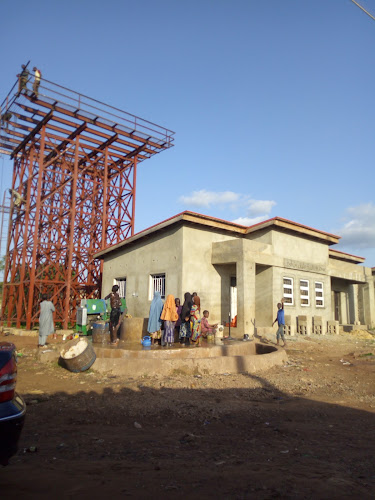
Rijiyar Shehu (Usman Danfodiyo well)

Shehu Kangiwa Square

Christian Cemetery Sokoto
Find Accommodations Nearby
Recommended Tours & Activities
Visitor Reviews
There are no reviews yet. Be the first one to write one.
Share Your Experience
Have you visited Waziri Junaidu History & Culture Bureau Sokoto? Help other travelers by leaving a review.