
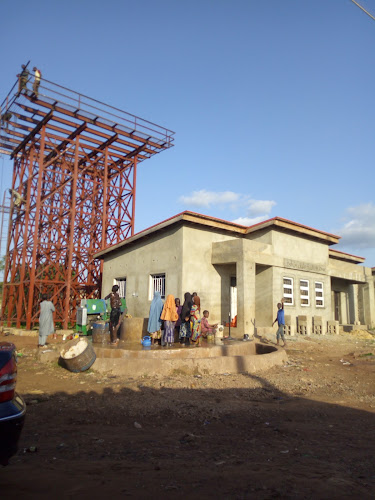
Rijiyar Shehu (Usman Danfodiyo well)
About Rijiyar Shehu (Usman Danfodiyo well)
Description
Rijiyar Shehu, commonly known as the Usman Danfodiyo Well, stands as one of northern Nigeria's most significant historical landmarks, drawing visitors who seek to connect with the region's rich Islamic heritage and revolutionary past. This ancient water source holds deep spiritual and historical meaning for millions across West Africa, serving as a tangible link to Shehu Usman dan Fodio, the legendary Islamic scholar and reformer who transformed the region in the early 19th century. The well itself represents more than just a water source—it's a pilgrimage site, a place of contemplation, and a window into the Sokoto Caliphate's formative years. According to oral traditions passed down through generations, Shehu Usman dan Fodio used this very well during his campaigns and settlements, making it sacred ground for those who follow his teachings and admire his contributions to Islamic scholarship in Africa. When you first approach the site, there's this palpable sense of stepping back in time. The surrounding area has been developed to accommodate visitors while maintaining its historical integrity, though opinions vary on how well this balance has been struck. Some travelers find the site profoundly moving, while others note that maintenance and preservation could use improvement. But that's part of the authentic experience—you're not visiting a sanitized museum piece but a living historical site that continues to serve the local community. The well's architecture reflects traditional Hausa construction methods, and standing near it, you can almost imagine the scholars, soldiers, and ordinary people who gathered here centuries ago. The water from this well was believed to have blessed properties, and even today, many visitors come specifically to connect with that spiritual legacy.Key Features
- The original well structure dating back to the early 1800s, maintained with reverence by local custodians who take their responsibility seriously
- Wheelchair accessible entrance and parking facilities, making this historical site surprisingly accommodating for visitors with mobility challenges
- Kid-friendly environment where families can introduce children to West African Islamic history in an engaging, tangible way
- Surrounding grounds that offer space for quiet reflection and photography, though visitors should always ask permission before taking pictures
- Proximity to other historical sites related to the Sokoto Caliphate, allowing for a comprehensive historical tour of the region
- Local guides available who share stories passed down through their families—these narratives often include details you won't find in any history book
- A modest visitor area where you can learn about Shehu Usman dan Fodio's life, his writings, and the jihad that reshaped West African political and religious landscape
- The opportunity to witness how the site remains integrated into daily community life rather than being cordoned off as merely a tourist attraction
Best Time to Visit
Timing your visit to Rijiyar Shehu requires consideration of both weather patterns and cultural calendar. Northern Nigeria experiences distinct seasons that dramatically affect your travel experience, and honestly, choosing the wrong time can turn what should be a meaningful visit into an uncomfortable ordeal. The dry season, running from November through February, offers the most comfortable conditions for international travelers. Temperatures during these months remain relatively mild—well, mild by Sahel standards anyway—ranging from 25 to 35 degrees Celsius. You'll encounter clear skies and minimal dust, making photography easier and the overall experience more pleasant. And let me tell you, trying to explore historical sites during the intense heat of April or May isn't something I'd recommend to anyone. Early mornings between 7 and 10 AM provide the best lighting and coolest temperatures regardless of season. The site tends to be quieter during these hours too, allowing for more contemplative experiences without large crowds. Late afternoons around 4 PM onwards also work well, particularly if you want to see the area bathed in golden light. Islamic holidays present special considerations. During Ramadan, the site takes on heightened spiritual significance, but visiting hours may be adjusted, and you'll want to be especially respectful about eating or drinking in public. The days following Eid celebrations can be particularly busy with local pilgrims, which offers its own unique experience if you don't mind crowds. Avoid the rainy season from June through September unless you're prepared for unpredictable weather and occasionally challenging road conditions. The harmattan winds between December and February bring dusty conditions but cooler temperatures—pack accordingly.How to Get There
Reaching Rijiyar Shehu requires some planning since it's not exactly on the standard tourist trail that international visitors typically follow. The site is located in Sokoto State, and your journey will likely begin in one of Nigeria's major cities. If you're flying in, Sokoto's Sultan Sadiq Abubakar III International Airport serves as your entry point. Several domestic airlines operate regular flights from Lagos and Abuja, with journey times around 90 minutes. From the airport, you'll need to arrange ground transportation to reach the well site—taxis and private hire vehicles are available, though negotiating fares in advance saves headaches later. Many travelers choose to arrange everything through a reputable tour operator based in Sokoto. This approach simplifies logistics considerably and provides local expertise you simply can't replicate through independent research. Your guide will know the current road conditions, appropriate dress codes, and cultural protocols that make the difference between a respectful visit and an awkward situation. Driving from Abuja takes approximately six to seven hours depending on road conditions and stops. The journey passes through varied landscape—you'll transition from the Middle Belt's greenery to the drier Sahel environment. Roads are generally passable but require attentive driving and preferably a sturdy vehicle. Don't attempt this drive at night; road safety concerns in rural areas make daytime travel strongly preferable. Public transportation exists through long-distance buses, though comfort levels vary dramatically. If you're adventurous and budget-conscious, this option works, but expect a long, crowded journey without air conditioning in many cases. Once in Sokoto town, local knowledge becomes essential. The well isn't always clearly signposted for international visitors, and asking for directions using "Rijiyar Shehu" will get better results than the English translation. Many locals take pride in directing visitors to this important site.Tips for Visiting
Preparing properly for your visit to Rijiyar Shehu makes the difference between a memorable experience and a frustrating one. Having visited several historical sites across West Africa, I've learned that cultural sensitivity and practical preparation go hand in hand. Dress conservatively without exception. Women should cover their heads with a scarf, wear long skirts or loose pants, and avoid form-fitting clothing. Men should wear long pants and shirts with sleeves. This isn't about restricting anyone—it's about showing respect for a site with deep religious significance. You wouldn't wear beachwear to a cathedral, and the same principle applies here. Bring cash in smaller denominations. While there's typically no official entrance fee, you may want to give something to the site caretakers or hire a local guide. Credit cards won't help you here, and ATMs can be unreliable outside major towns. Hydration is critical. The climate is dry and hot most of the year, and you'll dehydrate faster than you expect. Bring more water than seems necessary. But be mindful about drinking publicly during Ramadan fasting hours. Photography etiquette matters immensely. Always ask permission before photographing people, and never photograph women without explicit consent. Some visitors photograph the well itself freely, while others ask the caretakers first—when in doubt, ask. A small tip for photography privileges is often appropriate and appreciated. Learn a few phrases in Hausa. "Sannu" (hello), "Na gode" (thank you), and "Don Allah" (please) go a long way in establishing goodwill. Most locals appreciate any effort to engage with their language, however limited. Consider hiring a knowledgeable local guide rather than just visiting independently. The historical context, stories, and cultural nuances they provide transform the experience from simply seeing an old well to understanding its place in West African history. Guides familiar with the site can be arranged through hotels in Sokoto or tourism offices. Bring hand sanitizer and tissue paper. Facilities at the site are basic, and you'll want these items for general cleanliness throughout your visit. Time your visit for at least an hour or more. Rushing through diminishes the experience. This isn't a site where you snap a few photos and leave—it deserves contemplation and respect. Be prepared for basic conditions. Despite the accessibility features, this isn't a heavily commercialized tourist site with cafes and gift shops. That authenticity is actually part of its appeal, but it means bringing what you need rather than expecting to purchase it there. Check current travel advisories before your journey. Northern Nigeria's security situation varies, and staying informed about current conditions is simply smart travel planning. Connect with your embassy and follow their guidance on travel in the region. Finally, approach the site with an open mind and heart. Whether you're Muslim or not, religious or secular, the historical and cultural significance of Rijiyar Shehu offers something meaningful. It represents a pivotal moment in West African history when ideas, faith, and leadership converged to reshape an entire region. Standing beside this ancient well, you're touching that history directly.Key Features
- The original well structure dating back to the early 1800s, maintained with reverence by local custodians who take their responsibility seriously
- Wheelchair accessible entrance and parking facilities, making this historical site surprisingly accommodating for visitors with mobility challenges
- Kid-friendly environment where families can introduce children to West African Islamic history in an engaging, tangible way
- Surrounding grounds that offer space for quiet reflection and photography, though visitors should always ask permission before taking pictures
- Proximity to other historical sites related to the Sokoto Caliphate, allowing for a comprehensive historical tour of the region
- Local guides available who share stories passed down through their families—these narratives often include details you won't find in any history book
- A modest visitor area where you can learn about Shehu Usman dan Fodio's life, his writings, and the jihad that reshaped West African political and religious landscape
- The opportunity to witness how the site remains integrated into daily community life rather than being cordoned off as merely a tourist attraction
More Details
Updated January 17, 2026
Table of Contents
- Description
- Key Features
- Best Time to Visit
- How to Get There
- Tips for Visiting
- Key Highlights
- Location
- Places to Stay Near Rijiyar Shehu (Usman Danfodiyo well)
- Find and Book a Tour
- Explore More Travel Guides
- Nearby Places You Might Like
- Traveler Reviews for Rijiyar Shehu (Usman Danfodiyo well)
- Share Your Experience
Description
Rijiyar Shehu, commonly known as the Usman Danfodiyo Well, stands as one of northern Nigeria’s most significant historical landmarks, drawing visitors who seek to connect with the region’s rich Islamic heritage and revolutionary past. This ancient water source holds deep spiritual and historical meaning for millions across West Africa, serving as a tangible link to Shehu Usman dan Fodio, the legendary Islamic scholar and reformer who transformed the region in the early 19th century.
The well itself represents more than just a water source—it’s a pilgrimage site, a place of contemplation, and a window into the Sokoto Caliphate’s formative years. According to oral traditions passed down through generations, Shehu Usman dan Fodio used this very well during his campaigns and settlements, making it sacred ground for those who follow his teachings and admire his contributions to Islamic scholarship in Africa.
When you first approach the site, there’s this palpable sense of stepping back in time. The surrounding area has been developed to accommodate visitors while maintaining its historical integrity, though opinions vary on how well this balance has been struck. Some travelers find the site profoundly moving, while others note that maintenance and preservation could use improvement. But that’s part of the authentic experience—you’re not visiting a sanitized museum piece but a living historical site that continues to serve the local community.
The well’s architecture reflects traditional Hausa construction methods, and standing near it, you can almost imagine the scholars, soldiers, and ordinary people who gathered here centuries ago. The water from this well was believed to have blessed properties, and even today, many visitors come specifically to connect with that spiritual legacy.
Key Features
- The original well structure dating back to the early 1800s, maintained with reverence by local custodians who take their responsibility seriously
- Wheelchair accessible entrance and parking facilities, making this historical site surprisingly accommodating for visitors with mobility challenges
- Kid-friendly environment where families can introduce children to West African Islamic history in an engaging, tangible way
- Surrounding grounds that offer space for quiet reflection and photography, though visitors should always ask permission before taking pictures
- Proximity to other historical sites related to the Sokoto Caliphate, allowing for a comprehensive historical tour of the region
- Local guides available who share stories passed down through their families—these narratives often include details you won’t find in any history book
- A modest visitor area where you can learn about Shehu Usman dan Fodio’s life, his writings, and the jihad that reshaped West African political and religious landscape
- The opportunity to witness how the site remains integrated into daily community life rather than being cordoned off as merely a tourist attraction
Best Time to Visit
Timing your visit to Rijiyar Shehu requires consideration of both weather patterns and cultural calendar. Northern Nigeria experiences distinct seasons that dramatically affect your travel experience, and honestly, choosing the wrong time can turn what should be a meaningful visit into an uncomfortable ordeal.
The dry season, running from November through February, offers the most comfortable conditions for international travelers. Temperatures during these months remain relatively mild—well, mild by Sahel standards anyway—ranging from 25 to 35 degrees Celsius. You’ll encounter clear skies and minimal dust, making photography easier and the overall experience more pleasant. And let me tell you, trying to explore historical sites during the intense heat of April or May isn’t something I’d recommend to anyone.
Early mornings between 7 and 10 AM provide the best lighting and coolest temperatures regardless of season. The site tends to be quieter during these hours too, allowing for more contemplative experiences without large crowds. Late afternoons around 4 PM onwards also work well, particularly if you want to see the area bathed in golden light.
Islamic holidays present special considerations. During Ramadan, the site takes on heightened spiritual significance, but visiting hours may be adjusted, and you’ll want to be especially respectful about eating or drinking in public. The days following Eid celebrations can be particularly busy with local pilgrims, which offers its own unique experience if you don’t mind crowds.
Avoid the rainy season from June through September unless you’re prepared for unpredictable weather and occasionally challenging road conditions. The harmattan winds between December and February bring dusty conditions but cooler temperatures—pack accordingly.
How to Get There
Reaching Rijiyar Shehu requires some planning since it’s not exactly on the standard tourist trail that international visitors typically follow. The site is located in Sokoto State, and your journey will likely begin in one of Nigeria’s major cities.
If you’re flying in, Sokoto’s Sultan Sadiq Abubakar III International Airport serves as your entry point. Several domestic airlines operate regular flights from Lagos and Abuja, with journey times around 90 minutes. From the airport, you’ll need to arrange ground transportation to reach the well site—taxis and private hire vehicles are available, though negotiating fares in advance saves headaches later.
Many travelers choose to arrange everything through a reputable tour operator based in Sokoto. This approach simplifies logistics considerably and provides local expertise you simply can’t replicate through independent research. Your guide will know the current road conditions, appropriate dress codes, and cultural protocols that make the difference between a respectful visit and an awkward situation.
Driving from Abuja takes approximately six to seven hours depending on road conditions and stops. The journey passes through varied landscape—you’ll transition from the Middle Belt’s greenery to the drier Sahel environment. Roads are generally passable but require attentive driving and preferably a sturdy vehicle. Don’t attempt this drive at night; road safety concerns in rural areas make daytime travel strongly preferable.
Public transportation exists through long-distance buses, though comfort levels vary dramatically. If you’re adventurous and budget-conscious, this option works, but expect a long, crowded journey without air conditioning in many cases.
Once in Sokoto town, local knowledge becomes essential. The well isn’t always clearly signposted for international visitors, and asking for directions using “Rijiyar Shehu” will get better results than the English translation. Many locals take pride in directing visitors to this important site.
Tips for Visiting
Preparing properly for your visit to Rijiyar Shehu makes the difference between a memorable experience and a frustrating one. Having visited several historical sites across West Africa, I’ve learned that cultural sensitivity and practical preparation go hand in hand.
Dress conservatively without exception. Women should cover their heads with a scarf, wear long skirts or loose pants, and avoid form-fitting clothing. Men should wear long pants and shirts with sleeves. This isn’t about restricting anyone—it’s about showing respect for a site with deep religious significance. You wouldn’t wear beachwear to a cathedral, and the same principle applies here.
Bring cash in smaller denominations. While there’s typically no official entrance fee, you may want to give something to the site caretakers or hire a local guide. Credit cards won’t help you here, and ATMs can be unreliable outside major towns.
Hydration is critical. The climate is dry and hot most of the year, and you’ll dehydrate faster than you expect. Bring more water than seems necessary. But be mindful about drinking publicly during Ramadan fasting hours.
Photography etiquette matters immensely. Always ask permission before photographing people, and never photograph women without explicit consent. Some visitors photograph the well itself freely, while others ask the caretakers first—when in doubt, ask. A small tip for photography privileges is often appropriate and appreciated.
Learn a few phrases in Hausa. “Sannu” (hello), “Na gode” (thank you), and “Don Allah” (please) go a long way in establishing goodwill. Most locals appreciate any effort to engage with their language, however limited.
Consider hiring a knowledgeable local guide rather than just visiting independently. The historical context, stories, and cultural nuances they provide transform the experience from simply seeing an old well to understanding its place in West African history. Guides familiar with the site can be arranged through hotels in Sokoto or tourism offices.
Bring hand sanitizer and tissue paper. Facilities at the site are basic, and you’ll want these items for general cleanliness throughout your visit.
Time your visit for at least an hour or more. Rushing through diminishes the experience. This isn’t a site where you snap a few photos and leave—it deserves contemplation and respect.
Be prepared for basic conditions. Despite the accessibility features, this isn’t a heavily commercialized tourist site with cafes and gift shops. That authenticity is actually part of its appeal, but it means bringing what you need rather than expecting to purchase it there.
Check current travel advisories before your journey. Northern Nigeria’s security situation varies, and staying informed about current conditions is simply smart travel planning. Connect with your embassy and follow their guidance on travel in the region.
Finally, approach the site with an open mind and heart. Whether you’re Muslim or not, religious or secular, the historical and cultural significance of Rijiyar Shehu offers something meaningful. It represents a pivotal moment in West African history when ideas, faith, and leadership converged to reshape an entire region. Standing beside this ancient well, you’re touching that history directly.
Key Highlights
- The original well structure dating back to the early 1800s, maintained with reverence by local custodians who take their responsibility seriously
- Wheelchair accessible entrance and parking facilities, making this historical site surprisingly accommodating for visitors with mobility challenges
- Kid-friendly environment where families can introduce children to West African Islamic history in an engaging, tangible way
- Surrounding grounds that offer space for quiet reflection and photography, though visitors should always ask permission before taking pictures
- Proximity to other historical sites related to the Sokoto Caliphate, allowing for a comprehensive historical tour of the region
- Local guides available who share stories passed down through their families—these narratives often include details you won't find in any history book
- A modest visitor area where you can learn about Shehu Usman dan Fodio's life, his writings, and the jihad that reshaped West African political and religious landscape
- The opportunity to witness how the site remains integrated into daily community life rather than being cordoned off as merely a tourist attraction
Location
Places to Stay Near Rijiyar Shehu (Usman Danfodiyo well)
Find and Book a Tour
Explore More Travel Guides
No reviews found! Be the first to review!
Traveler Reviews for Rijiyar Shehu (Usman Danfodiyo well)
There are no reviews yet. Be the first one to write one.
Have you visited Rijiyar Shehu (Usman Danfodiyo well)? Help other travelers by sharing your review.
You Might Also Like

Kara, Wood Market Sokoto

Giginya Memorial Stadium Sokoto

Kabobi Cemetery Sokoto
Find Accommodations Nearby
Recommended Tours & Activities
Visitor Reviews
There are no reviews yet. Be the first one to write one.
Share Your Experience
Have you visited Rijiyar Shehu (Usman Danfodiyo well)? Help other travelers by leaving a review.