

Giginya Memorial Stadium Sokoto
About Giginya Memorial Stadium Sokoto
Description
Giginya Memorial Stadium Sokoto stands as one of northern Nigeria's most significant sporting venues, serving as a gathering place for football enthusiasts and a testament to the region's passion for athletics. Named after Giginya, a historic figure in Sokoto's rich tapestry of cultural heritage, this stadium represents more than just a place where matches are played—it's a living monument to the spirit of competition and community that defines this ancient sultanate city. The stadium itself has witnessed countless memorable moments since its establishment, hosting everything from local league matches to international friendlies. I've always found it fascinating how sports facilities in different parts of the world carry their own unique atmosphere, and Giginya Memorial Stadium is no exception. The air here crackles with an energy that's distinctly Sokoto—a blend of traditional northern Nigerian hospitality and modern sporting fervor. What strikes visitors most about this venue is its role as a social hub. On match days, the stadium transforms into a sea of supporters, their chants echoing across the grounds in languages that range from Hausa to Fulfulde. But even on quieter days, you'll find the facility buzzing with activity as local teams practice and community events take shape within its walls. The stadium's design reflects practical considerations for Nigeria's climate, with structural elements meant to provide some relief from the intense Sahel sun. While it may not boast the ultra-modern amenities of stadiums in larger cities like Lagos or Abuja, there's something genuinely authentic about the experience here. It feels real, unpretentious, and deeply connected to the community it serves.Key Features
The Giginya Memorial Stadium offers several practical features that travelers should know about before visiting:- Wheelchair accessible entrance makes the venue welcoming to visitors with mobility challenges—a thoughtful inclusion that's not always standard in Nigerian sporting facilities
- Dedicated wheelchair accessible parking lot situated conveniently near the main entrance points
- Wheelchair accessible restrooms throughout the facility, demonstrating a commitment to inclusive design
- Changing tables for families traveling with infants, which honestly surprised me the first time I learned about it since many stadiums overlook this necessity
- Restroom facilities distributed around the stadium grounds for visitor convenience
- Debit card payment options at various vendor points, though carrying cash is still advisable given Nigeria's payment infrastructure realities
- Seating capacity that accommodates several thousand spectators during major events
- Open spaces surrounding the main stadium structure where informal gatherings and pre-match festivities naturally occur
- Athletic track facilities that see regular use by local schools and training programs
- Scoreboards and basic audio systems for match commentary and announcements
Best Time to Visit
Timing your visit to Giginya Memorial Stadium really depends on what kind of experience you're after. The football season in Nigeria typically runs from September through June, with a break during the peak of the hot season. This is when you'll catch the stadium at its most electric, with league matches drawing passionate crowds. I'd recommend planning around major fixtures if you want the full cultural experience. Local derby matches or games featuring popular teams transform the entire area around the stadium into a festival atmosphere. Vendors set up stalls selling everything from suya (spiced grilled meat) to team merchandise. The energy is infectious, and you'll get genuine insight into how deeply football culture runs in northern Nigeria. However, and this is important, you'll want to avoid the hottest months between March and May when temperatures in Sokoto regularly soar above 40°C (104°F). The harmattan season from November through February brings cooler temperatures and better visibility, though dust can sometimes be an issue. Many travelers find the period from October to January ideal—the weather's more manageable, and the football calendar is in full swing. Weekday afternoons often see training sessions and youth programs in action, which can be fascinating to observe if you're interested in grassroots sports development. The atmosphere's more relaxed then, and you might even get to chat with local coaches or young athletes about their experiences. Early morning visits work well too, especially if you're a jogger or fitness enthusiast. Before the heat sets in, you'll sometimes find the track open to public use, with locals getting their exercise in before the day's demands take over.How to Get There
Getting to Giginya Memorial Stadium requires a bit of planning, but it's definitely manageable once you understand Sokoto's layout. The stadium sits within the main city area, making it accessible from most hotels and guesthouses where travelers typically stay. Motorcycle taxis, known locally as okadas, are probably the quickest way to reach the stadium from anywhere in central Sokoto. They're affordable and the riders know every shortcut imaginable. Just make sure to negotiate the fare before climbing on—you should expect to pay somewhere between 100 to 300 naira depending on your starting point. Regular taxis and ride-hailing services also operate in Sokoto, though availability can be spotty compared to larger Nigerian cities. On match days, traffic around the stadium gets heavy, so allow extra time if you're using car transport. If you're staying relatively close to the city center, walking is actually a pleasant option during cooler parts of the day. The surrounding neighborhoods give you a genuine feel for everyday life in Sokoto, though you should stay alert and keep valuables secure as you would in any urban area. For international travelers, you'll first need to get to Sokoto itself. Sultan Abubakar III International Airport receives flights from Abuja and Lagos, with the stadium about a 20-minute drive from the airport when traffic cooperates. Many visitors choose to fly into Sokoto rather than make the long overland journey, especially given road conditions in some areas. Bus services connect Sokoto with other major northern cities, but these journeys can be exhausting. If you're already in the region exploring places like Kano or Kaduna, the road trip might offer rewarding scenery and cultural encounters along the way.Tips for Visiting
Let me share some practical wisdom that'll make your stadium visit smoother. First off, dress appropriately for both the climate and cultural context. Sokoto leans conservative, so modest clothing helps you blend in and shows respect. Light, breathable fabrics are your friend given the heat. And comfortable shoes are essential—you'll likely do more walking than you expect. Bring cash in smaller denominations. While the stadium officially accepts debit cards, vendor stalls around the grounds run on cash, and you'll want to sample the street food. Speaking of which, the suya outside the stadium on match days is genuinely excellent, though my stomach needed a day or two to adjust to the spice levels. Hydration cannot be overstated in Sokoto's climate. Pure water sachets are sold everywhere for just a few naira, but I'd recommend bringing your own refillable bottle filled with water from a trusted source. Heat exhaustion sneaks up on you faster than you'd think. Security at the stadium is generally reasonable, but don't bring valuables you don't need. A small bag with essentials works better than anything flashy. Cameras are usually fine for capturing the atmosphere, but be respectful about photographing people—always ask permission first. Learn a few basic Hausa phrases before you go. "Sannu" (hello), "na gode" (thank you), and "yaya dai?" (how are you?) go a long way in building rapport with locals. People appreciate the effort, and you'll likely receive warmer interactions as a result. Arrive earlier than you think necessary for matches. Gate procedures can take time, and you'll want to soak in the pre-game atmosphere anyway. That's when the real cultural experience happens—the singing, the banter between rival supporters, the anticipation building. Be prepared for noise. Nigerian football fans are passionate and loud, which is part of the charm, but it can be overwhelming if you're not expecting it. Some visitors bring earplugs for particularly intense matches. Connect with local football supporters clubs if possible before your visit. Many are active on social media and welcome foreign visitors who share their passion. They can provide insider tips about upcoming matches and might even invite you to join their section, which offers an incredibly immersive experience. The sun in Sokoto is no joke, so sunscreen, sunglasses, and a hat should be in your bag. The stadium offers some shaded areas, but not everywhere, and afternoon matches can feel brutal without protection. Finally, embrace the unexpected. Things might not run exactly on schedule, facilities might not meet Western standards in every detail, and you may encounter situations that test your flexibility. But that's precisely what makes visiting Giginya Memorial Stadium such a memorable adventure. You're experiencing Nigerian sports culture as it authentically exists, not some sanitized tourist version. The memories you create here will stick with you long after you've left Sokoto behind.Key Features
- Wheelchair accessible entrance makes the venue welcoming to visitors with mobility challenges—a thoughtful inclusion that's not always standard in Nigerian sporting facilities
- Dedicated wheelchair accessible parking lot situated conveniently near the main entrance points
- Wheelchair accessible restrooms throughout the facility, demonstrating a commitment to inclusive design
- Changing tables for families traveling with infants, which honestly surprised me the first time I learned about it since many stadiums overlook this necessity
- Restroom facilities distributed around the stadium grounds for visitor convenience
- Debit card payment options at various vendor points, though carrying cash is still advisable given Nigeria's payment infrastructure realities
- Seating capacity that accommodates several thousand spectators during major events
- Open spaces surrounding the main stadium structure where informal gatherings and pre-match festivities naturally occur
More Details
Updated January 16, 2026
Table of Contents
Description
Giginya Memorial Stadium Sokoto stands as one of northern Nigeria’s most significant sporting venues, serving as a gathering place for football enthusiasts and a testament to the region’s passion for athletics. Named after Giginya, a historic figure in Sokoto’s rich tapestry of cultural heritage, this stadium represents more than just a place where matches are played—it’s a living monument to the spirit of competition and community that defines this ancient sultanate city.
The stadium itself has witnessed countless memorable moments since its establishment, hosting everything from local league matches to international friendlies. I’ve always found it fascinating how sports facilities in different parts of the world carry their own unique atmosphere, and Giginya Memorial Stadium is no exception. The air here crackles with an energy that’s distinctly Sokoto—a blend of traditional northern Nigerian hospitality and modern sporting fervor.
What strikes visitors most about this venue is its role as a social hub. On match days, the stadium transforms into a sea of supporters, their chants echoing across the grounds in languages that range from Hausa to Fulfulde. But even on quieter days, you’ll find the facility buzzing with activity as local teams practice and community events take shape within its walls.
The stadium’s design reflects practical considerations for Nigeria’s climate, with structural elements meant to provide some relief from the intense Sahel sun. While it may not boast the ultra-modern amenities of stadiums in larger cities like Lagos or Abuja, there’s something genuinely authentic about the experience here. It feels real, unpretentious, and deeply connected to the community it serves.
Key Features
The Giginya Memorial Stadium offers several practical features that travelers should know about before visiting:
- Wheelchair accessible entrance makes the venue welcoming to visitors with mobility challenges—a thoughtful inclusion that’s not always standard in Nigerian sporting facilities
- Dedicated wheelchair accessible parking lot situated conveniently near the main entrance points
- Wheelchair accessible restrooms throughout the facility, demonstrating a commitment to inclusive design
- Changing tables for families traveling with infants, which honestly surprised me the first time I learned about it since many stadiums overlook this necessity
- Restroom facilities distributed around the stadium grounds for visitor convenience
- Debit card payment options at various vendor points, though carrying cash is still advisable given Nigeria’s payment infrastructure realities
- Seating capacity that accommodates several thousand spectators during major events
- Open spaces surrounding the main stadium structure where informal gatherings and pre-match festivities naturally occur
- Athletic track facilities that see regular use by local schools and training programs
- Scoreboards and basic audio systems for match commentary and announcements
Best Time to Visit
Timing your visit to Giginya Memorial Stadium really depends on what kind of experience you’re after. The football season in Nigeria typically runs from September through June, with a break during the peak of the hot season. This is when you’ll catch the stadium at its most electric, with league matches drawing passionate crowds.
I’d recommend planning around major fixtures if you want the full cultural experience. Local derby matches or games featuring popular teams transform the entire area around the stadium into a festival atmosphere. Vendors set up stalls selling everything from suya (spiced grilled meat) to team merchandise. The energy is infectious, and you’ll get genuine insight into how deeply football culture runs in northern Nigeria.
However, and this is important, you’ll want to avoid the hottest months between March and May when temperatures in Sokoto regularly soar above 40°C (104°F). The harmattan season from November through February brings cooler temperatures and better visibility, though dust can sometimes be an issue. Many travelers find the period from October to January ideal—the weather’s more manageable, and the football calendar is in full swing.
Weekday afternoons often see training sessions and youth programs in action, which can be fascinating to observe if you’re interested in grassroots sports development. The atmosphere’s more relaxed then, and you might even get to chat with local coaches or young athletes about their experiences.
Early morning visits work well too, especially if you’re a jogger or fitness enthusiast. Before the heat sets in, you’ll sometimes find the track open to public use, with locals getting their exercise in before the day’s demands take over.
How to Get There
Getting to Giginya Memorial Stadium requires a bit of planning, but it’s definitely manageable once you understand Sokoto’s layout. The stadium sits within the main city area, making it accessible from most hotels and guesthouses where travelers typically stay.
Motorcycle taxis, known locally as okadas, are probably the quickest way to reach the stadium from anywhere in central Sokoto. They’re affordable and the riders know every shortcut imaginable. Just make sure to negotiate the fare before climbing on—you should expect to pay somewhere between 100 to 300 naira depending on your starting point.
Regular taxis and ride-hailing services also operate in Sokoto, though availability can be spotty compared to larger Nigerian cities. On match days, traffic around the stadium gets heavy, so allow extra time if you’re using car transport.
If you’re staying relatively close to the city center, walking is actually a pleasant option during cooler parts of the day. The surrounding neighborhoods give you a genuine feel for everyday life in Sokoto, though you should stay alert and keep valuables secure as you would in any urban area.
For international travelers, you’ll first need to get to Sokoto itself. Sultan Abubakar III International Airport receives flights from Abuja and Lagos, with the stadium about a 20-minute drive from the airport when traffic cooperates. Many visitors choose to fly into Sokoto rather than make the long overland journey, especially given road conditions in some areas.
Bus services connect Sokoto with other major northern cities, but these journeys can be exhausting. If you’re already in the region exploring places like Kano or Kaduna, the road trip might offer rewarding scenery and cultural encounters along the way.
Tips for Visiting
Let me share some practical wisdom that’ll make your stadium visit smoother. First off, dress appropriately for both the climate and cultural context. Sokoto leans conservative, so modest clothing helps you blend in and shows respect. Light, breathable fabrics are your friend given the heat. And comfortable shoes are essential—you’ll likely do more walking than you expect.
Bring cash in smaller denominations. While the stadium officially accepts debit cards, vendor stalls around the grounds run on cash, and you’ll want to sample the street food. Speaking of which, the suya outside the stadium on match days is genuinely excellent, though my stomach needed a day or two to adjust to the spice levels.
Hydration cannot be overstated in Sokoto’s climate. Pure water sachets are sold everywhere for just a few naira, but I’d recommend bringing your own refillable bottle filled with water from a trusted source. Heat exhaustion sneaks up on you faster than you’d think.
Security at the stadium is generally reasonable, but don’t bring valuables you don’t need. A small bag with essentials works better than anything flashy. Cameras are usually fine for capturing the atmosphere, but be respectful about photographing people—always ask permission first.
Learn a few basic Hausa phrases before you go. “Sannu” (hello), “na gode” (thank you), and “yaya dai?” (how are you?) go a long way in building rapport with locals. People appreciate the effort, and you’ll likely receive warmer interactions as a result.
Arrive earlier than you think necessary for matches. Gate procedures can take time, and you’ll want to soak in the pre-game atmosphere anyway. That’s when the real cultural experience happens—the singing, the banter between rival supporters, the anticipation building.
Be prepared for noise. Nigerian football fans are passionate and loud, which is part of the charm, but it can be overwhelming if you’re not expecting it. Some visitors bring earplugs for particularly intense matches.
Connect with local football supporters clubs if possible before your visit. Many are active on social media and welcome foreign visitors who share their passion. They can provide insider tips about upcoming matches and might even invite you to join their section, which offers an incredibly immersive experience.
The sun in Sokoto is no joke, so sunscreen, sunglasses, and a hat should be in your bag. The stadium offers some shaded areas, but not everywhere, and afternoon matches can feel brutal without protection.
Finally, embrace the unexpected. Things might not run exactly on schedule, facilities might not meet Western standards in every detail, and you may encounter situations that test your flexibility. But that’s precisely what makes visiting Giginya Memorial Stadium such a memorable adventure. You’re experiencing Nigerian sports culture as it authentically exists, not some sanitized tourist version. The memories you create here will stick with you long after you’ve left Sokoto behind.
Key Highlights
- Wheelchair accessible entrance makes the venue welcoming to visitors with mobility challenges—a thoughtful inclusion that's not always standard in Nigerian sporting facilities
- Dedicated wheelchair accessible parking lot situated conveniently near the main entrance points
- Wheelchair accessible restrooms throughout the facility, demonstrating a commitment to inclusive design
- Changing tables for families traveling with infants, which honestly surprised me the first time I learned about it since many stadiums overlook this necessity
- Restroom facilities distributed around the stadium grounds for visitor convenience
- Debit card payment options at various vendor points, though carrying cash is still advisable given Nigeria's payment infrastructure realities
- Seating capacity that accommodates several thousand spectators during major events
- Open spaces surrounding the main stadium structure where informal gatherings and pre-match festivities naturally occur
Location
Places to Stay Near Giginya Memorial Stadium Sokoto
Find and Book a Tour
Explore More Travel Guides
No reviews found! Be the first to review!
Traveler Reviews for Giginya Memorial Stadium Sokoto
There are no reviews yet. Be the first one to write one.
Have you visited Giginya Memorial Stadium Sokoto? Help other travelers by sharing your review.
You Might Also Like

Happy Island Garden Sokoto
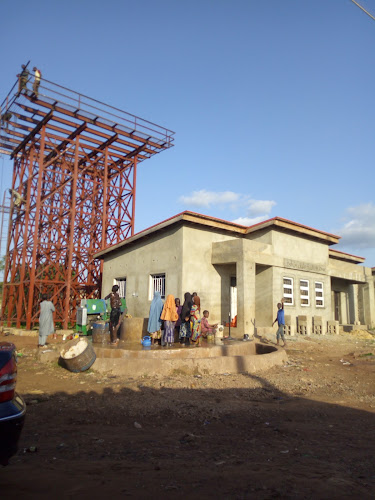
Rijiyar Shehu (Usman Danfodiyo well)

Christian Cemetery Sokoto
Find Accommodations Nearby
Recommended Tours & Activities
Visitor Reviews
There are no reviews yet. Be the first one to write one.
Share Your Experience
Have you visited Giginya Memorial Stadium Sokoto? Help other travelers by leaving a review.