
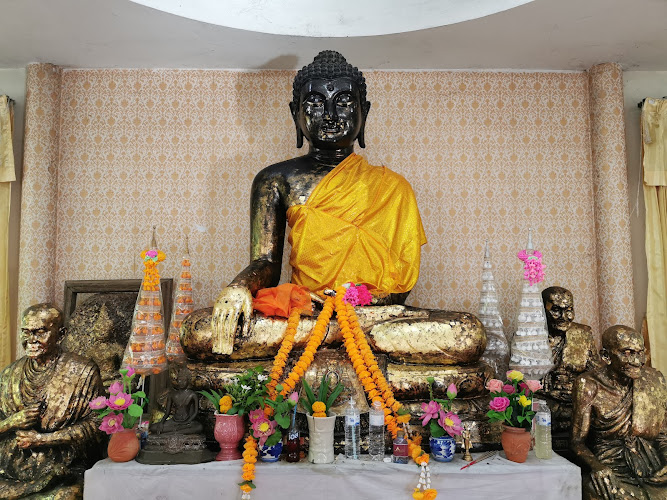
Wat Dao Sadet
About Wat Dao Sadet
Description
Wat Dao Sadet might not be on every tourist itinerary in Saraburi, but, let’s be honest, that’s part of the appeal. You ever walk into a place and just feel like you stumbled onto something quietly extraordinary? This is that temple for me—a place where the daily bustle melts away and time seems to shuffle around in slippers. For all its understatement, Wat Dao Sadet quietly weaves together local devotion, remarkable art, and a whole lot of heart. It’s not the largest temple in Saraburi, but you’ll feel something genuine here. This is the sort of site that locals return to, and, as a traveler, that authenticity is what draws me in again and again.
The temple boasts a strong sense of spiritual purpose. I'm not even Buddhist, but standing in front of those serene Buddha images and hearing the gentle chime of bells in the breeze, I felt calm. (And let’s get real: it’s not every day I feel centered like that.) The architecture wraps you in that classic Thai elegance, but there’s an everyday warmth to it you don’t always find at more "Instagram-famous" temples. I found myself caught up in quiet contemplation watching a few locals light incense, not for show, but out of tradition and faith.
If you wander there on the right day, you might spot families dropping off small offerings or see monks moving calmly about their daily routines. And because it’s relatively accessible—with wheelchairs, strollers, or even a bum knee like mine—you won’t have to stress about getting around, which, let’s admit, isn’t always a given in Thailand.
But here’s the thing. Wat Dao Sadet isn’t a tourist conveyor belt. Sometimes you come across faded paint or an imperfect corner, but to me, that’s genuine character—signs of a living, working center for the local community. It feels grounded and sincere, inviting you to pause, breathe, and maybe, like me, contemplate a bit of your own story.
Key Features
- Accessible Design: Wheelchair-friendly entrances and parking make it inclusive. If mobility is a concern, relax—you’re taken care of here.
- Striking Buddha Statues: The main hall (ubosot) features Buddha images and murals that, in my opinion, reveal layers of meaning the more you look. I found myself staring, not out of obligation, but amazement.
- Peaceful Courtyard: The inner courtyard, where chickens may amble past your feet, offers a slice of tranquility and a bit of shade—perfect to just sit and observe.
- Authentic Local Ceremonies: If you’re around at the right moment, you’ll spot merit making or hear chanting—real, heartfelt, nothing staged.
- Lush Surroundings: The mature trees sprinkled around the grounds aren’t just for show; they help cool everything down. I’m telling you, on a muggy Saraburi day, that shade is a gift.
- Close to Key Town Spots: You’re not out in the sticks. Wat Dao Sadet sits close enough for a half-day trip, freeing you up to check out Saraburi’s market eats afterward.
- Welcoming Monks and Community: The vibe is inviting. If you’re respectful, monks might return your “sa-wat-dee” with a smile that says “welcome.”
- Photo Opportunities: Catch the late-afternoon sun glinting off the temple roof—no filter needed. Just remember, be mindful where you point your camera.
Best Time to Visit
In my book, early morning is magic at Wat Dao Sadet. The air’s cooler (thank heavens for that), and you might get the place almost to yourself, save for a stray local or two. The light has this gentle hue that seems made for quiet walks or, if you’re so inclined, meditation. Go during weekdays if your schedule allows—trust me, the weekends see more foot traffic, especially after a local festival.
From about November to February, Saraburi is blessed with slightly cooler breezes. That means you can explore the temple grounds without melting into a puddle. If you’re around during Buddhist holidays—Impressive!—just be ready for bigger crowds but also more colorful ceremonies (lots of photo ops). That said, it's always worth keeping a small umbrella handy. Y’know, just in case one of those sudden tropical downpours hits!
Personally, I love ducking into the temple mid-week when life’s at a slower pace. You really get to soak in the gentle rhythm that makes this place special.
How to Get There
Getting to Wat Dao Sadet is refreshingly straightforward, which isn’t always the case in rural Thailand. If you’re rolling in by car, there’s accessible parking, and signage is simple enough that even I—a self-confessed map-fumbler—didn’t wind up hopelessly lost. From Saraburi’s bustling center, it’s just a short drive or quick taxi ride away. I once hopped on a local songthaew (shared truck taxi) for the full experience, and you can too—it takes a tad longer, but hey, the people-watching is top-notch.
If you’re coming from Bangkok, Saraburi is pretty well connected. Take the train—more fun than a bus—grab a coffee at the station, then it’s just a few kilometers across town to the temple. Don’t be surprised if your cabbie knows the place by another local nickname or two; that’s just Thailand being, well, Thailand.
Pro tip: For less stress, jot down the temple name in Thai on your phone. Saves time, trust me. And for those with accessibility needs, rest easy—the temple really minds those details.
Tips for Visiting
- Dress respectably: Shoulders and knees covered. (And skip the hat inside the halls, it’s polite.) I always carry a scarf just in case—it’s light and saves you a headache.
- Move slowly: This isn’t a race. Watch your step on uneven paving and take time to absorb the little details—a carved lintel here, a faded mural there.
- Mind photos: Pause and check if photography is allowed in the hall, and if you’re unsure, ask or just put the camera down. Real talk: Some moments are just better savored than snapped.
- Be mindful of ceremonies: If you come across a ritual or prayers, hang back, keep quiet, and observe respectfully. You’ll pick up more about Thai culture in those five minutes than any guidebook can teach.
- Stay hydrated: Saraburi heat is no joke. Bring a water bottle (eco-friendly, please) and maybe stave off those midday blues.
- Engage, if you feel ready: A polite smile goes far, and don’t hesitate to chat with locals—sometimes they’ll share nuggets of history or personal stories that stick with you longer than any plaque ever could.
- Respect the quiet: Part of this temple’s charm is its serenity. Go easy on loud conversations or music. I once spent twenty minutes just listening to the wind and distant bells—probably my favorite travel memory that month.
- Slow travel beats box ticking: Don’t just rush off to the next “must see” after five minutes. Sit awhile. Let the space work its magic—you might just grasp the soul of Saraburi in a single still moment.
Key Features
- Key Features
- Best Time to Visit
- How to Get There
- Tips for Visiting
More Details
Updated June 7, 2025
Table of Contents
Description
Wat Dao Sadet might not be on every tourist itinerary in Saraburi, but, let’s be honest, that’s part of the appeal. You ever walk into a place and just feel like you stumbled onto something quietly extraordinary? This is that temple for me—a place where the daily bustle melts away and time seems to shuffle around in slippers. For all its understatement, Wat Dao Sadet quietly weaves together local devotion, remarkable art, and a whole lot of heart. It’s not the largest temple in Saraburi, but you’ll feel something genuine here. This is the sort of site that locals return to, and, as a traveler, that authenticity is what draws me in again and again.
The temple boasts a strong sense of spiritual purpose. I’m not even Buddhist, but standing in front of those serene Buddha images and hearing the gentle chime of bells in the breeze, I felt calm. (And let’s get real: it’s not every day I feel centered like that.) The architecture wraps you in that classic Thai elegance, but there’s an everyday warmth to it you don’t always find at more “Instagram-famous” temples. I found myself caught up in quiet contemplation watching a few locals light incense, not for show, but out of tradition and faith.
If you wander there on the right day, you might spot families dropping off small offerings or see monks moving calmly about their daily routines. And because it’s relatively accessible—with wheelchairs, strollers, or even a bum knee like mine—you won’t have to stress about getting around, which, let’s admit, isn’t always a given in Thailand.
But here’s the thing. Wat Dao Sadet isn’t a tourist conveyor belt. Sometimes you come across faded paint or an imperfect corner, but to me, that’s genuine character—signs of a living, working center for the local community. It feels grounded and sincere, inviting you to pause, breathe, and maybe, like me, contemplate a bit of your own story.
Key Features
- Accessible Design: Wheelchair-friendly entrances and parking make it inclusive. If mobility is a concern, relax—you’re taken care of here.
- Striking Buddha Statues: The main hall (ubosot) features Buddha images and murals that, in my opinion, reveal layers of meaning the more you look. I found myself staring, not out of obligation, but amazement.
- Peaceful Courtyard: The inner courtyard, where chickens may amble past your feet, offers a slice of tranquility and a bit of shade—perfect to just sit and observe.
- Authentic Local Ceremonies: If you’re around at the right moment, you’ll spot merit making or hear chanting—real, heartfelt, nothing staged.
- Lush Surroundings: The mature trees sprinkled around the grounds aren’t just for show; they help cool everything down. I’m telling you, on a muggy Saraburi day, that shade is a gift.
- Close to Key Town Spots: You’re not out in the sticks. Wat Dao Sadet sits close enough for a half-day trip, freeing you up to check out Saraburi’s market eats afterward.
- Welcoming Monks and Community: The vibe is inviting. If you’re respectful, monks might return your “sa-wat-dee” with a smile that says “welcome.”
- Photo Opportunities: Catch the late-afternoon sun glinting off the temple roof—no filter needed. Just remember, be mindful where you point your camera.
Best Time to Visit
In my book, early morning is magic at Wat Dao Sadet. The air’s cooler (thank heavens for that), and you might get the place almost to yourself, save for a stray local or two. The light has this gentle hue that seems made for quiet walks or, if you’re so inclined, meditation. Go during weekdays if your schedule allows—trust me, the weekends see more foot traffic, especially after a local festival.
From about November to February, Saraburi is blessed with slightly cooler breezes. That means you can explore the temple grounds without melting into a puddle. If you’re around during Buddhist holidays—Impressive!—just be ready for bigger crowds but also more colorful ceremonies (lots of photo ops). That said, it’s always worth keeping a small umbrella handy. Y’know, just in case one of those sudden tropical downpours hits!
Personally, I love ducking into the temple mid-week when life’s at a slower pace. You really get to soak in the gentle rhythm that makes this place special.
How to Get There
Getting to Wat Dao Sadet is refreshingly straightforward, which isn’t always the case in rural Thailand. If you’re rolling in by car, there’s accessible parking, and signage is simple enough that even I—a self-confessed map-fumbler—didn’t wind up hopelessly lost. From Saraburi’s bustling center, it’s just a short drive or quick taxi ride away. I once hopped on a local songthaew (shared truck taxi) for the full experience, and you can too—it takes a tad longer, but hey, the people-watching is top-notch.
If you’re coming from Bangkok, Saraburi is pretty well connected. Take the train—more fun than a bus—grab a coffee at the station, then it’s just a few kilometers across town to the temple. Don’t be surprised if your cabbie knows the place by another local nickname or two; that’s just Thailand being, well, Thailand.
Pro tip: For less stress, jot down the temple name in Thai on your phone. Saves time, trust me. And for those with accessibility needs, rest easy—the temple really minds those details.
Tips for Visiting
- Dress respectably: Shoulders and knees covered. (And skip the hat inside the halls, it’s polite.) I always carry a scarf just in case—it’s light and saves you a headache.
- Move slowly: This isn’t a race. Watch your step on uneven paving and take time to absorb the little details—a carved lintel here, a faded mural there.
- Mind photos: Pause and check if photography is allowed in the hall, and if you’re unsure, ask or just put the camera down. Real talk: Some moments are just better savored than snapped.
- Be mindful of ceremonies: If you come across a ritual or prayers, hang back, keep quiet, and observe respectfully. You’ll pick up more about Thai culture in those five minutes than any guidebook can teach.
- Stay hydrated: Saraburi heat is no joke. Bring a water bottle (eco-friendly, please) and maybe stave off those midday blues.
- Engage, if you feel ready: A polite smile goes far, and don’t hesitate to chat with locals—sometimes they’ll share nuggets of history or personal stories that stick with you longer than any plaque ever could.
- Respect the quiet: Part of this temple’s charm is its serenity. Go easy on loud conversations or music. I once spent twenty minutes just listening to the wind and distant bells—probably my favorite travel memory that month.
- Slow travel beats box ticking: Don’t just rush off to the next “must see” after five minutes. Sit awhile. Let the space work its magic—you might just grasp the soul of Saraburi in a single still moment.
Key Highlights
- Key Features
- Best Time to Visit
- How to Get There
- Tips for Visiting
Location
Places to Stay Near Wat Dao Sadet
Find and Book a Tour
Explore More Travel Guides
No reviews found! Be the first to review!
Traveler Reviews for Wat Dao Sadet
There are no reviews yet. Be the first one to write one.
Have you visited Wat Dao Sadet? Help other travelers by sharing your review.
You Might Also Like
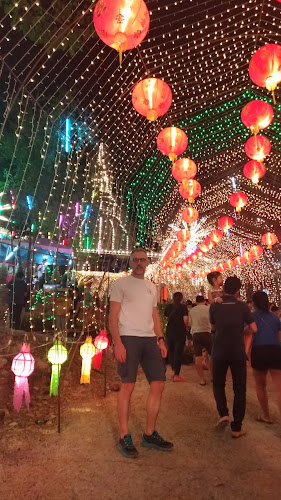
Mueang Saraburi Exercise Park
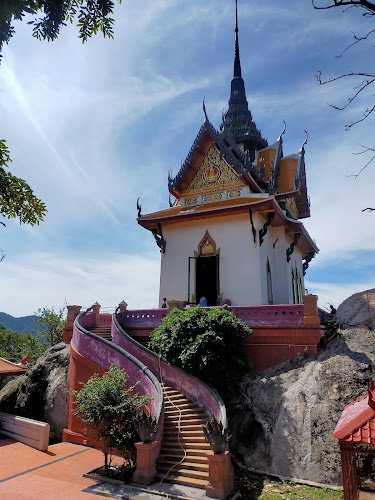
Wat Phra Phutthachai

Namtok Samlan National Park
Find Accommodations Nearby
Recommended Tours & Activities
Visitor Reviews
There are no reviews yet. Be the first one to write one.
Share Your Experience
Have you visited Wat Dao Sadet? Help other travelers by leaving a review.