
Washington Monument
About Washington Monument
Description
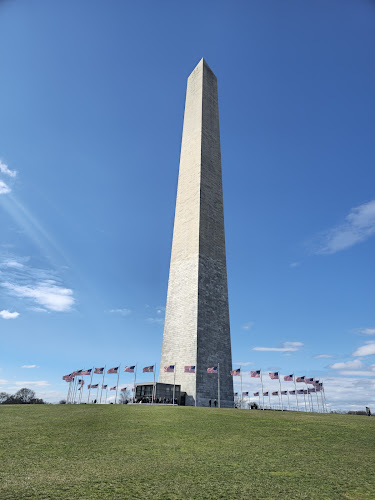
The Washington Monument stands tall and proud in the heart of Washington, D.C., a striking marble obelisk that has watched over the National Mall for more than a century. It’s one of those landmarks that you can’t help but stare at for a few extra seconds when you see it in person—the sheer height and simplicity of its design command attention. Built to honor George Washington, the first president of the United States, it’s more than just a monument; it’s a symbol of leadership, perseverance, and the country’s enduring ideals. I remember the first time I saw it up close—the sunlight hit the stone just right, and for a brief moment, it felt like time paused. You could almost sense the weight of history in the air.
Now, not every visitor walks away in awe—some find the crowds overwhelming or the wait for the elevator a bit long. But honestly, that’s part of the experience. It’s a monument that draws millions every year, and with that kind of attention, a little chaos is expected. Still, once you step inside and ride the elevator to the observation deck, any minor inconveniences fade away. The view from the top is breathtaking—panoramic sights of the Capitol, the Lincoln Memorial, and the Potomac River stretch out before you. It’s a moment that makes you feel small and inspired all at once.
What I find fascinating is that the monument’s construction itself tells a story of resilience. It began in the mid-1800s, was halted by wars and funding issues, and then resumed decades later. The difference in stone color halfway up? That’s not a design flaw—it’s history written in marble. The monument has survived lightning strikes, earthquakes, and even political controversy, yet it continues to stand as one of the most recognizable symbols of the nation’s capital. It’s one of those places that quietly reminds you why Washington, D.C., is so much more than just politics and power—it’s about legacy.
Key Features
- Height: Standing at approximately 555 feet, it remains one of the tallest stone structures in the world.
- Observation Deck: Offers 360-degree views of the city, including the U.S. Capitol, Lincoln Memorial, and White House.
- Elevator Access: A modern elevator takes visitors to the top, making it accessible for nearly everyone.
- Historical Significance: Dedicated to George Washington, symbolizing leadership and unity.
- Accessibility: Wheelchair-accessible entrances and parking make it inclusive to all visitors.
- Visitor Center: Features exhibits detailing the monument’s construction, restoration, and cultural importance.
One underrated detail—if you look closely at the interior stones, you’ll notice inscriptions from states, cities, and even foreign nations that contributed to its construction. It’s like a patchwork of goodwill carved in stone, a reminder that the monument’s story isn’t just American—it’s global.
Best Time to Visit
Timing can make or break your experience at the Washington Monument. Personally, I love visiting early in the morning, just after sunrise. The air is crisp, the crowds are thin, and the monument glows in a soft golden hue that’s perfect for photos. Late afternoon is another sweet spot—the light is warm, and you can catch the sunset over the Reflecting Pool if you linger long enough. Summer brings longer days and lively energy, but also heat and humidity that can drain you faster than you’d expect. Spring and fall, on the other hand, are ideal—comfortable weather, blooming cherry blossoms, and fewer lines.
Winter visits can be surprisingly peaceful. Sure, it’s chilly, but there’s something magical about seeing the monument rise through a light dusting of snow. Just be prepared for shorter hours and fewer open facilities. If you’re hoping to go up to the observation deck, book your tickets in advance—slots fill up fast, especially during weekends and holidays. Trust me, showing up without a reservation is a gamble you probably don’t want to take.
How to Get There
Getting to the Washington Monument is pretty straightforward. It’s right in the center of the National Mall, surrounded by some of the most iconic landmarks in the country. Most visitors arrive via the Metro—Smithsonian Station is the closest stop, about a 10-minute walk away. If you’re driving, there’s limited parking nearby, so public transportation is usually the smarter choice. And honestly, walking is half the adventure. You’ll pass by the World War II Memorial, the Reflecting Pool, and maybe even catch a glimpse of joggers and families enjoying the open space.
For those with mobility needs, the area is well-equipped. Wheelchair-accessible entrances and parking are available, and the monument’s elevator ensures that everyone can enjoy the view from the top. If you’re coming from out of town, most hotels in downtown D.C. are just a short ride away. I’d recommend planning your route in advance, especially during major events or parades—traffic can be unpredictable, and the Mall often closes to vehicles for security reasons.
Tips for Visiting
Here’s where experience really helps. First off, get your tickets early—seriously, don’t wait until the last minute. The monument’s popularity means entry times can sell out days in advance. If you can, aim for a weekday visit to avoid the weekend rush. And wear comfortable shoes; you’ll be walking a lot more than you think. The National Mall is deceptively large, and those “short walks” between landmarks can add up quickly.
Bring water, especially in the warmer months. There are fountains and vendors around, but having a bottle on hand makes a big difference. If you’re into photography, bring your camera or phone fully charged—the lighting changes throughout the day, giving you endless photo opportunities. The best shots? Try framing the monument with the Reflecting Pool or catching its reflection at sunset. It’s a postcard moment every time.
One thing I learned the hard way—don’t underestimate the wind at the top. It’s stronger than you’d expect, so hold onto your hat (literally). And take a moment to just stand there quietly. Look out over the city, think about the history beneath your feet, and let it sink in. It’s easy to rush through sightseeing, but the Washington Monument deserves a pause. It’s not just another stop on an itinerary—it’s a place that connects you to something bigger, something lasting.
Lastly, if you’re traveling with kids, they’ll love the elevator ride and the view from the top. The monument is family-friendly, and park rangers are great with children’s questions. For history buffs, the nearby museums and memorials make for a perfect full-day itinerary. And if you’re lucky enough to visit during a national celebration—say, the Fourth of July—the fireworks bursting around the monument are absolutely unforgettable. It’s one of those rare moments where you feel both patriotic and humbled at the same time.
So yes, the Washington Monument has its quirks—long lines, unpredictable weather, and the occasional maintenance closure—but it’s worth every bit of effort. It’s more than a monument; it’s a story carved in stone, a tribute to a leader, and a reminder of the ideals that shaped a nation. Whether you’re a first-time visitor or a local who’s passed by a hundred times, standing beneath it never quite loses its magic.
Key Features
- Key Features
- Best Time to Visit
- How to Get There
- Tips for Visiting
More Details
Updated October 8, 2025
Table of Contents The Washington Monument stands tall and proud in the heart of Washington, D.C., a striking marble obelisk that has watched over the National Mall for more than a century. It’s one of those landmarks that you can’t help but stare at for a few extra seconds when you see it in person—the sheer height and simplicity of its design command attention. Built to honor George Washington, the first president of the United States, it’s more than just a monument; it’s a symbol of leadership, perseverance, and the country’s enduring ideals. I remember the first time I saw it up close—the sunlight hit the stone just right, and for a brief moment, it felt like time paused. You could almost sense the weight of history in the air. Now, not every visitor walks away in awe—some find the crowds overwhelming or the wait for the elevator a bit long. But honestly, that’s part of the experience. It’s a monument that draws millions every year, and with that kind of attention, a little chaos is expected. Still, once you step inside and ride the elevator to the observation deck, any minor inconveniences fade away. The view from the top is breathtaking—panoramic sights of the Capitol, the Lincoln Memorial, and the Potomac River stretch out before you. It’s a moment that makes you feel small and inspired all at once. What I find fascinating is that the monument’s construction itself tells a story of resilience. It began in the mid-1800s, was halted by wars and funding issues, and then resumed decades later. The difference in stone color halfway up? That’s not a design flaw—it’s history written in marble. The monument has survived lightning strikes, earthquakes, and even political controversy, yet it continues to stand as one of the most recognizable symbols of the nation’s capital. It’s one of those places that quietly reminds you why Washington, D.C., is so much more than just politics and power—it’s about legacy. One underrated detail—if you look closely at the interior stones, you’ll notice inscriptions from states, cities, and even foreign nations that contributed to its construction. It’s like a patchwork of goodwill carved in stone, a reminder that the monument’s story isn’t just American—it’s global. Timing can make or break your experience at the Washington Monument. Personally, I love visiting early in the morning, just after sunrise. The air is crisp, the crowds are thin, and the monument glows in a soft golden hue that’s perfect for photos. Late afternoon is another sweet spot—the light is warm, and you can catch the sunset over the Reflecting Pool if you linger long enough. Summer brings longer days and lively energy, but also heat and humidity that can drain you faster than you’d expect. Spring and fall, on the other hand, are ideal—comfortable weather, blooming cherry blossoms, and fewer lines. Winter visits can be surprisingly peaceful. Sure, it’s chilly, but there’s something magical about seeing the monument rise through a light dusting of snow. Just be prepared for shorter hours and fewer open facilities. If you’re hoping to go up to the observation deck, book your tickets in advance—slots fill up fast, especially during weekends and holidays. Trust me, showing up without a reservation is a gamble you probably don’t want to take. Getting to the Washington Monument is pretty straightforward. It’s right in the center of the National Mall, surrounded by some of the most iconic landmarks in the country. Most visitors arrive via the Metro—Smithsonian Station is the closest stop, about a 10-minute walk away. If you’re driving, there’s limited parking nearby, so public transportation is usually the smarter choice. And honestly, walking is half the adventure. You’ll pass by the World War II Memorial, the Reflecting Pool, and maybe even catch a glimpse of joggers and families enjoying the open space. For those with mobility needs, the area is well-equipped. Wheelchair-accessible entrances and parking are available, and the monument’s elevator ensures that everyone can enjoy the view from the top. If you’re coming from out of town, most hotels in downtown D.C. are just a short ride away. I’d recommend planning your route in advance, especially during major events or parades—traffic can be unpredictable, and the Mall often closes to vehicles for security reasons. Here’s where experience really helps. First off, get your tickets early—seriously, don’t wait until the last minute. The monument’s popularity means entry times can sell out days in advance. If you can, aim for a weekday visit to avoid the weekend rush. And wear comfortable shoes; you’ll be walking a lot more than you think. The National Mall is deceptively large, and those “short walks” between landmarks can add up quickly. Bring water, especially in the warmer months. There are fountains and vendors around, but having a bottle on hand makes a big difference. If you’re into photography, bring your camera or phone fully charged—the lighting changes throughout the day, giving you endless photo opportunities. The best shots? Try framing the monument with the Reflecting Pool or catching its reflection at sunset. It’s a postcard moment every time. One thing I learned the hard way—don’t underestimate the wind at the top. It’s stronger than you’d expect, so hold onto your hat (literally). And take a moment to just stand there quietly. Look out over the city, think about the history beneath your feet, and let it sink in. It’s easy to rush through sightseeing, but the Washington Monument deserves a pause. It’s not just another stop on an itinerary—it’s a place that connects you to something bigger, something lasting. Lastly, if you’re traveling with kids, they’ll love the elevator ride and the view from the top. The monument is family-friendly, and park rangers are great with children’s questions. For history buffs, the nearby museums and memorials make for a perfect full-day itinerary. And if you’re lucky enough to visit during a national celebration—say, the Fourth of July—the fireworks bursting around the monument are absolutely unforgettable. It’s one of those rare moments where you feel both patriotic and humbled at the same time. So yes, the Washington Monument has its quirks—long lines, unpredictable weather, and the occasional maintenance closure—but it’s worth every bit of effort. It’s more than a monument; it’s a story carved in stone, a tribute to a leader, and a reminder of the ideals that shaped a nation. Whether you’re a first-time visitor or a local who’s passed by a hundred times, standing beneath it never quite loses its magic.Description
Key Features
Best Time to Visit
How to Get There
Tips for Visiting
Key Highlights
- Key Features
- Best Time to Visit
- How to Get There
- Tips for Visiting
Location
Places to Stay Near Washington Monument
Find and Book a Tour
Explore More Travel Guides
No reviews found! Be the first to review!
Traveler Reviews for Washington Monument
There are no reviews yet. Be the first one to write one.
Have you visited Washington Monument? Help other travelers by sharing your review.
You Might Also Like
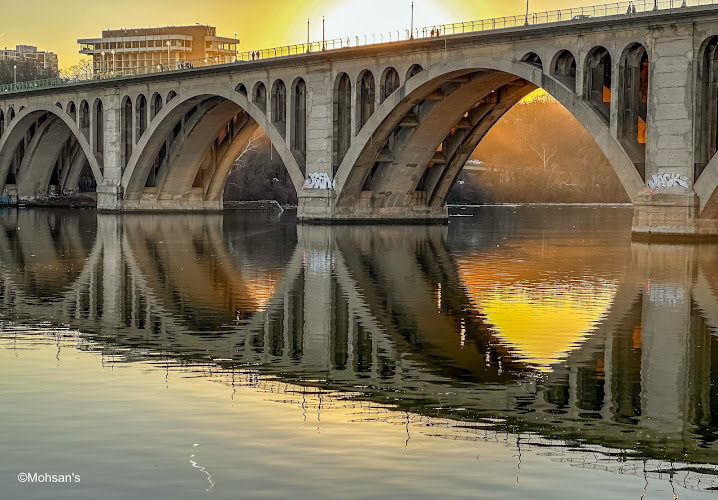
Francis Scott Key Memorial Bridge

Dupont Underground
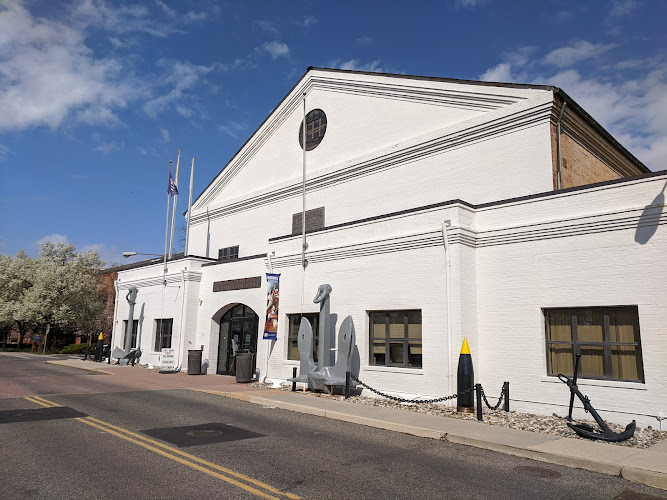
National Museum of the United States Navy
Find Accommodations Nearby
Recommended Tours & Activities
Visitor Reviews
There are no reviews yet. Be the first one to write one.
Share Your Experience
Have you visited Washington Monument? Help other travelers by leaving a review.