
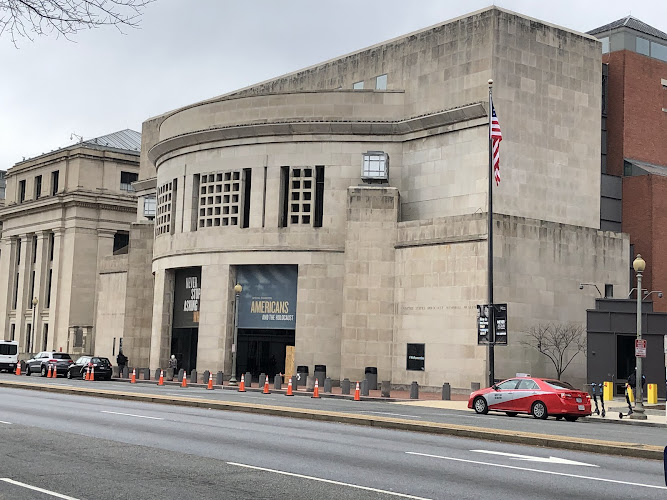
United States Holocaust Memorial Museum
About United States Holocaust Memorial Museum
Description
The United States Holocaust Memorial Museum stands as one of those places that quietly takes hold of your heart and doesn’t quite let go. It’s not a typical museum you breeze through with a coffee in hand—it’s an experience that stays with you long after you’ve left. Dedicated to preserving the memory of the Holocaust, the museum offers a deeply moving journey through history, humanity, and remembrance. Inside, visitors are guided through exhibits that chronicle one of the darkest chapters in human history, but also highlight stories of courage, survival, and resistance.
What makes this museum remarkable isn’t just the historical artifacts or the meticulously curated galleries—it’s the emotional atmosphere that fills the space. You feel it in the quiet footsteps on the polished floors, in the whispers between visitors trying to process what they’re seeing. The permanent exhibition walks you through the rise of Nazi power, the persecution of Jews and other groups, and the aftermath of the Holocaust. It’s powerful, sobering, and yes, at times, overwhelming—but that’s exactly what it’s meant to be. History isn’t supposed to be comfortable.
For those who appreciate thoughtful design, the architecture itself tells a story. The building’s sharp angles, narrow corridors, and dim lighting evoke feelings of confinement and loss. Yet, as you move upward through the museum, light begins to filter in—symbolizing hope and renewal. It’s a journey not just through history, but through emotion and reflection. And while it can be heavy, it’s also profoundly human. I remember my first visit years ago—I walked out into the sunlight feeling like I’d seen both the worst and the best of what people are capable of. It changed the way I think about empathy and memory.
Beyond the exhibits, the museum also serves as a living memorial and educational center. It’s not just about remembering the past—it’s about confronting hatred and injustice in the present. The staff and volunteers are incredibly knowledgeable and compassionate, often sharing insights that deepen the experience. Whether you’re a history buff, a teacher, or simply a traveler seeking meaning, this museum challenges you to think, to feel, and to remember.
Key Features
- Permanent and traveling exhibits: Detailed historical displays that explore the Holocaust through personal stories, artifacts, and multimedia presentations.
- Educational programs: Workshops, lectures, and resources designed to teach about genocide prevention and human rights.
- Theater presentations: Short films and survivor testimonies that bring history to life in a deeply personal way.
- Virtual field trips: Online experiences for those who can’t visit in person, offering access to the museum’s collections and stories.
- Accessibility: Fully wheelchair accessible with assistive hearing loops and accessible restrooms.
- Amenities: Onsite café, gift shop, Wi-Fi, and guided tours for visitors who prefer a more structured experience.
- Family-friendly: Suitable for older children with educational materials and family resources available.
- Reflective spaces: Quiet areas designed for contemplation and remembrance, including the Hall of Remembrance.
Best Time to Visit
There’s really no wrong time to visit, but some seasons make the experience a bit smoother. Spring and fall tend to be ideal—Washington, D.C. is gorgeous then, and the museum is slightly less crowded compared to the summer rush. Weekday mornings are usually the calmest, especially if you prefer to move through the exhibits at your own pace without too many people around. If you’re planning to visit during holidays or school breaks, definitely get your tickets in advance—lines can get long, and timed entry slots fill quickly.
Personally, I prefer visiting in the late afternoon. There’s something about walking out of the museum as the sun sets, the sky turning that soft D.C. orange—it gives you a moment to breathe and think. The museum’s atmosphere feels even more contemplative at that hour. Just a small note: because the experience can be emotionally intense, it’s worth giving yourself time afterward to decompress, maybe with a quiet walk along the National Mall nearby.
How to Get There
Located in the heart of Washington, D.C., the museum is easily accessible by public transportation. The nearest Metro stop is Smithsonian Station, which drops you right near the National Mall. From there, it’s just a short walk. If you’re driving, there are parking garages nearby, though spaces can be limited—this is downtown D.C., after all. Rideshare services are often the easiest option if you want to avoid the hassle of parking.
For those staying in the area, many hotels are within walking distance, making it convenient to pair your visit with other landmarks like the Washington Monument or the National Museum of American History. And if you’re coming from outside the city, Amtrak’s Union Station connects easily to the Metro system, so you can reach the museum without needing a car at all. Accessibility-wise, the museum does an excellent job accommodating visitors with mobility or hearing needs, ensuring everyone can experience the exhibits comfortably.
Tips for Visiting
First and foremost—take your time. This isn’t a place to rush through. The exhibits are dense, and every artifact, every photograph, tells a story that deserves a moment of reflection. Plan for at least two to three hours, though honestly, you could spend an entire day if you’re the kind of person who likes to read every placard (guilty as charged).
Book your tickets online ahead of time, especially during peak tourist seasons. The museum offers timed entry passes, which help manage crowds and make the experience more personal. Admission is free, but donations are encouraged—and worth it, given the museum’s incredible educational mission. Cameras are allowed in certain areas, but be respectful; some spaces are meant for quiet reflection rather than photos.
If you’re visiting with kids, prepare them gently. The museum is suitable for older children and teens, but the subject matter is heavy. There are child-friendly resources and guides available to help explain complex topics in an age-appropriate way. And if you’re traveling with someone who might find the experience emotionally challenging, consider taking breaks in the museum’s café or the Hall of Remembrance, where you can sit quietly.
Wear comfortable shoes—there’s a lot of walking—and bring a light sweater, since the museum tends to be cool inside. Wi-Fi is available, which is handy if you want to use the digital guide or access additional information as you go. And one small but meaningful tip: take a few minutes at the end to write in the guest book or reflect in silence. It’s a simple gesture, but it connects you to the millions of visitors who’ve come before, all carrying the same message—never forget.
Lastly, approach your visit with an open heart. The United States Holocaust Memorial Museum isn’t just about history; it’s about humanity. It reminds us of what happens when hatred goes unchecked and why remembrance matters. It’s heavy, yes, but it’s also hopeful. You’ll leave with a deeper understanding of resilience, compassion, and the power of memory. And maybe, like me, you’ll find yourself thinking about it long after you’ve gone home, realizing that some experiences don’t fade—they stay with you, quietly shaping the way you see the world.
Key Features
- Key Features
- Best Time to Visit
- How to Get There
- Tips for Visiting
More Details
Updated October 8, 2025
Table of Contents
- Description
- Key Features
- Best Time to Visit
- How to Get There
- Tips for Visiting
- Key Highlights
- Location
- Places to Stay Near United States Holocaust Memorial Museum
- Find and Book a Tour
- Explore More Travel Guides
- Nearby Places You Might Like
- Traveler Reviews for United States Holocaust Memorial Museum
- Share Your Experience
Description
The United States Holocaust Memorial Museum stands as one of those places that quietly takes hold of your heart and doesn’t quite let go. It’s not a typical museum you breeze through with a coffee in hand—it’s an experience that stays with you long after you’ve left. Dedicated to preserving the memory of the Holocaust, the museum offers a deeply moving journey through history, humanity, and remembrance. Inside, visitors are guided through exhibits that chronicle one of the darkest chapters in human history, but also highlight stories of courage, survival, and resistance.
What makes this museum remarkable isn’t just the historical artifacts or the meticulously curated galleries—it’s the emotional atmosphere that fills the space. You feel it in the quiet footsteps on the polished floors, in the whispers between visitors trying to process what they’re seeing. The permanent exhibition walks you through the rise of Nazi power, the persecution of Jews and other groups, and the aftermath of the Holocaust. It’s powerful, sobering, and yes, at times, overwhelming—but that’s exactly what it’s meant to be. History isn’t supposed to be comfortable.
For those who appreciate thoughtful design, the architecture itself tells a story. The building’s sharp angles, narrow corridors, and dim lighting evoke feelings of confinement and loss. Yet, as you move upward through the museum, light begins to filter in—symbolizing hope and renewal. It’s a journey not just through history, but through emotion and reflection. And while it can be heavy, it’s also profoundly human. I remember my first visit years ago—I walked out into the sunlight feeling like I’d seen both the worst and the best of what people are capable of. It changed the way I think about empathy and memory.
Beyond the exhibits, the museum also serves as a living memorial and educational center. It’s not just about remembering the past—it’s about confronting hatred and injustice in the present. The staff and volunteers are incredibly knowledgeable and compassionate, often sharing insights that deepen the experience. Whether you’re a history buff, a teacher, or simply a traveler seeking meaning, this museum challenges you to think, to feel, and to remember.
Key Features
- Permanent and traveling exhibits: Detailed historical displays that explore the Holocaust through personal stories, artifacts, and multimedia presentations.
- Educational programs: Workshops, lectures, and resources designed to teach about genocide prevention and human rights.
- Theater presentations: Short films and survivor testimonies that bring history to life in a deeply personal way.
- Virtual field trips: Online experiences for those who can’t visit in person, offering access to the museum’s collections and stories.
- Accessibility: Fully wheelchair accessible with assistive hearing loops and accessible restrooms.
- Amenities: Onsite café, gift shop, Wi-Fi, and guided tours for visitors who prefer a more structured experience.
- Family-friendly: Suitable for older children with educational materials and family resources available.
- Reflective spaces: Quiet areas designed for contemplation and remembrance, including the Hall of Remembrance.
Best Time to Visit
There’s really no wrong time to visit, but some seasons make the experience a bit smoother. Spring and fall tend to be ideal—Washington, D.C. is gorgeous then, and the museum is slightly less crowded compared to the summer rush. Weekday mornings are usually the calmest, especially if you prefer to move through the exhibits at your own pace without too many people around. If you’re planning to visit during holidays or school breaks, definitely get your tickets in advance—lines can get long, and timed entry slots fill quickly.
Personally, I prefer visiting in the late afternoon. There’s something about walking out of the museum as the sun sets, the sky turning that soft D.C. orange—it gives you a moment to breathe and think. The museum’s atmosphere feels even more contemplative at that hour. Just a small note: because the experience can be emotionally intense, it’s worth giving yourself time afterward to decompress, maybe with a quiet walk along the National Mall nearby.
How to Get There
Located in the heart of Washington, D.C., the museum is easily accessible by public transportation. The nearest Metro stop is Smithsonian Station, which drops you right near the National Mall. From there, it’s just a short walk. If you’re driving, there are parking garages nearby, though spaces can be limited—this is downtown D.C., after all. Rideshare services are often the easiest option if you want to avoid the hassle of parking.
For those staying in the area, many hotels are within walking distance, making it convenient to pair your visit with other landmarks like the Washington Monument or the National Museum of American History. And if you’re coming from outside the city, Amtrak’s Union Station connects easily to the Metro system, so you can reach the museum without needing a car at all. Accessibility-wise, the museum does an excellent job accommodating visitors with mobility or hearing needs, ensuring everyone can experience the exhibits comfortably.
Tips for Visiting
First and foremost—take your time. This isn’t a place to rush through. The exhibits are dense, and every artifact, every photograph, tells a story that deserves a moment of reflection. Plan for at least two to three hours, though honestly, you could spend an entire day if you’re the kind of person who likes to read every placard (guilty as charged).
Book your tickets online ahead of time, especially during peak tourist seasons. The museum offers timed entry passes, which help manage crowds and make the experience more personal. Admission is free, but donations are encouraged—and worth it, given the museum’s incredible educational mission. Cameras are allowed in certain areas, but be respectful; some spaces are meant for quiet reflection rather than photos.
If you’re visiting with kids, prepare them gently. The museum is suitable for older children and teens, but the subject matter is heavy. There are child-friendly resources and guides available to help explain complex topics in an age-appropriate way. And if you’re traveling with someone who might find the experience emotionally challenging, consider taking breaks in the museum’s café or the Hall of Remembrance, where you can sit quietly.
Wear comfortable shoes—there’s a lot of walking—and bring a light sweater, since the museum tends to be cool inside. Wi-Fi is available, which is handy if you want to use the digital guide or access additional information as you go. And one small but meaningful tip: take a few minutes at the end to write in the guest book or reflect in silence. It’s a simple gesture, but it connects you to the millions of visitors who’ve come before, all carrying the same message—never forget.
Lastly, approach your visit with an open heart. The United States Holocaust Memorial Museum isn’t just about history; it’s about humanity. It reminds us of what happens when hatred goes unchecked and why remembrance matters. It’s heavy, yes, but it’s also hopeful. You’ll leave with a deeper understanding of resilience, compassion, and the power of memory. And maybe, like me, you’ll find yourself thinking about it long after you’ve gone home, realizing that some experiences don’t fade—they stay with you, quietly shaping the way you see the world.
Key Highlights
- Key Features
- Best Time to Visit
- How to Get There
- Tips for Visiting
Location
Places to Stay Near United States Holocaust Memorial Museum
Find and Book a Tour
Explore More Travel Guides
No reviews found! Be the first to review!
Traveler Reviews for United States Holocaust Memorial Museum
There are no reviews yet. Be the first one to write one.
Have you visited United States Holocaust Memorial Museum? Help other travelers by sharing your review.
You Might Also Like

The Wave Wall

Smithsonian National Museum of American History

Tudor Place
Find Accommodations Nearby
Recommended Tours & Activities
Visitor Reviews
There are no reviews yet. Be the first one to write one.
Share Your Experience
Have you visited United States Holocaust Memorial Museum? Help other travelers by leaving a review.