
Wardown House, Museum and Gallery
About Wardown House, Museum and Gallery
Description
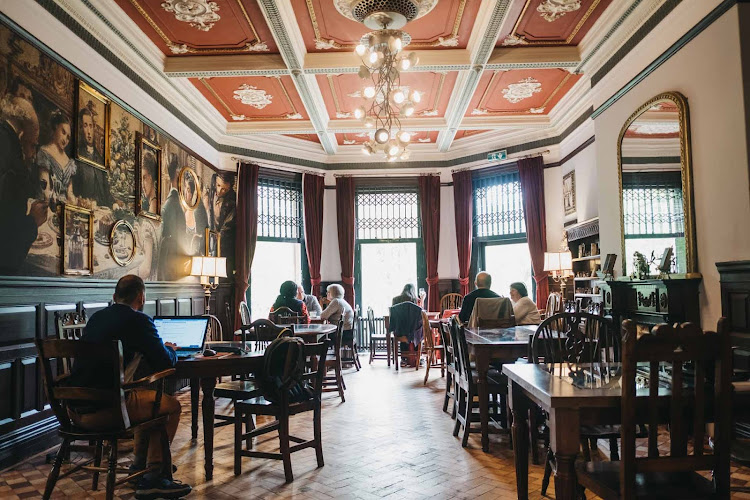
Wardown House, Museum and Gallery stands as a handsome Victorian house set within a sweeping public park in Luton, and it has quietly become one of the town's most characterful cultural stops. The building itself reads like a page from local history: ornate fireplaces, high ceilings, and period rooms that whisper about life in Bedfordshire in the 19th and early 20th centuries. Inside, visitors find a mix of permanent local history collections and a revolving programme of exhibitions that keeps things fresh. There is art on display, sure, but there is also archaeology, natural history items, and an unexpectedly rich story about the hat and lace industries that shaped the region. That hat collection is not just for show; it connects to Luton’s industrial past in a very human way, lots of objects with labels that tell the stories of people, not just dates.
And then there are the galleries. The art gallery spaces host rotating shows from contemporary local artists alongside older works, providing a nice contrast to the Victorian domestic displays. The Luton life displays, in particular, are thoughtful: they map social changes, military history ties with the Bedfordshire and Hertfordshire regiment, and the daily rhythms of town life. It’s the sort of museum where a child can be fascinated by a hands-on activity and an older visitor can linger over an intricate hat or a lace sample for quite a while. The place also stages live performances and community events, which brings the house out of the past and into current conversation. People who go expecting a static house-museum are often pleasantly surprised by the energy of temporary exhibitions and occasional theatre or music nights.
Practical things matter here. There is a cafe on site, decent restroom facilities that include changing tables for families with small children, and a free car park that makes access a lot simpler for drivers. Accessibility has been considered: there is a wheelchair-accessible entrance and restrooms, and staff are used to helping visitors with varying needs. Staff and volunteers often add a human touch — a volunteer might point out a tiny, almost-forgotten object behind glass and suddenly a whole local story opens up. Overall the museum balances the charm of a preserved Victorian house with the helpfulness of a modern local history museum and an active art gallery.
Key Features
- Historic Victorian house with preserved period rooms and original architectural details
- Extensive local history collection, with strong focus on Luton’s hat-making and lace industries
- Art gallery spaces hosting rotating exhibitions from local and regional artists
- Interactive and family-friendly displays designed to engage children and adults
- Live performances and community events staged periodically
- Onsite cafe serving snacks, light meals and hot drinks; great place to sit and reflect
- Free parking available in the museum car park
- Wheelchair-accessible entrance, parking and restroom facilities
- Baby changing facilities and family-friendly amenities
- Guided tours and onsite services often available for groups and school parties
Best Time to Visit
The best time to visit depends on what someone hopes to get out of the trip. For quieter exploration — time to read every label and peer into every display case — weekday mornings are ideal. Schools sometimes visit in the afternoons or term-time mornings, so midweek before lunch offers the best chance of calm. If the goal is to catch a performance or a special exhibition opening, then weekends and selected evenings are when the house hums with activity. But be prepared: special event days do draw a crowd.
Seasonally, the museum pairs well with the park surrounding it. Late spring and early summer are delightful for combining a gallery visit with a leisurely walk or picnic; the flowerbeds and riverside sections of the park look especially appealing then. Autumn brings golden tones that complement the warm wood tones inside the house, making for great photos if that’s a priority. Winter visits are cozy — the indoor exhibits and cafe feel particularly welcoming on a chilly day. Overall allocate at least 90 minutes to two hours to do the site justice; art lovers and history buffs might easily spend half a day if they linger in the galleries and catch a temporary exhibition or talk.
How to Get There
Wardown House, Museum and Gallery is readily reached from central Luton by public transport and by car. From the town centre it is a short bus or taxi ride; many visitors combine a stroll through nearby streets or the park with the trip. Drivers will appreciate the free on-site parking which makes arrival straightforward — no scrambling for street parking or long walks from remote car parks. For those using rail, the museum is reachable by a brief taxi ride or a moderate walk from the main station, though walking times vary depending on pace. Once on site, pedestrian routes through the park are well signed and pleasant.
For international visitors or those unfamiliar with the area, it’s helpful to plan the trip as part of a day exploring Bedfordshire attractions. The museum pairs well with other nearby cultural spots and green spaces, so it can be slotted into a broader itinerary. Parking, accessible entrances and a nearby bus corridor make this easier than many might expect. And, few people think to check, but the park pathways are an excellent backdoor route that avoids the busier roads and gives a nicer, gentler arrival experience.
Tips for Visiting
Practical tips help make any museum visit smoother, and Wardown House is no exception. First, visitors who want to see a specific temporary exhibition or attend a live performance should check the museum’s events calendar before going; exhibitions rotate and certain performances require advance booking. Bring a camera if desired, but be mindful of photography restrictions in particular galleries or for specific exhibits. Staff will usually say if flash or tripods are not permitted.
Families will want to note the changing facilities and child-friendly displays. The museum is genuinely welcoming to children: there are interactive elements and hands-on sessions from time to time that keep little ones engaged. Still, it helps to have a short list of highlights to aim for — choose the hat and textile displays plus a gallery exhibition and that’s a kid-friendly loop that adults will also enjoy. And bring a small bag for any purchases from the museum shop because there are nice locally produced items that make memorable keepsakes.
Accessibility is taken seriously here. There is a wheelchair-accessible entrance and parking close to the building, along with accessible restrooms. Visitors with mobility needs can generally move through most public spaces, though some historic rooms may have limitations; a quick call ahead will resolve any concerns and staff are good at helping plan the route through the house. For those who rely on public transport, allow extra time for transfers and look up bus timetables in advance, particularly on Sundays and bank holidays when services can be less frequent.
Timing: arrive early if seeking quieter galleries or a relaxed lunch at the cafe. Late afternoons can be excellent for catching the house in a different light, but certain exhibits might be short on staff at that hour if many visitors are present. If someone has an hour to spare, focus on the ground floor displays and a single gallery; with two to three hours, the full experience including a coffee break and a park walk becomes a pleasant half-day outing.
What many visitors miss is the surprising breadth of stories told here. The hat collection is not simply about fashion; it speaks to industry, class, and the daily work of local people. The military displays do the same, putting regional regimental history in a human context rather than a parade of dates. So take time to read personal biographies and label details — those are where the real texture lives. Also look out for volunteer-led talks and small events where local anecdotes often come to light: a volunteer might relate how a single family’s hat workshop grew into a small local enterprise, and those little narratives stick in the memory far longer than generic descriptions.
Finally, it is worth combining a visit with a wander in the adjacent park. The two experiences complement each other: museum stories indoors, and the physical geography that shaped those stories outdoors. On a sunny day the cafe seating spills into the garden and it feels very relaxed. On a drizzly day, the warm interiors and thoughtful displays provide refuge. Either way, Wardown House, Museum and Gallery rewards a bit of curiosity and patience; linger at the cases, listen to the volunteers, and allow the rotating exhibitions to surprise. Visitors who leave thinking they learned something new about Luton and Bedfordshire will often find they’ve also found a quiet, honest museum that remembers people first and artifacts second. Well, that’s the takeaway most come back with.
Key Features
- Historic Victorian house with preserved period rooms and original architectural details
- Extensive local history collection, with strong focus on Luton’s hat-making and lace industries
- Art gallery spaces hosting rotating exhibitions from local and regional artists
- Interactive and family-friendly displays designed to engage children and adults
- Live performances and community events staged periodically
- Onsite cafe serving snacks, light meals and hot drinks; great place to sit and reflect
- Free parking available in the museum car park
- Wheelchair-accessible entrance, parking and restroom facilities
More Details
Updated August 30, 2025
Table of Contents
Description
Wardown House, Museum and Gallery stands as a handsome Victorian house set within a sweeping public park in Luton, and it has quietly become one of the town’s most characterful cultural stops. The building itself reads like a page from local history: ornate fireplaces, high ceilings, and period rooms that whisper about life in Bedfordshire in the 19th and early 20th centuries. Inside, visitors find a mix of permanent local history collections and a revolving programme of exhibitions that keeps things fresh. There is art on display, sure, but there is also archaeology, natural history items, and an unexpectedly rich story about the hat and lace industries that shaped the region. That hat collection is not just for show; it connects to Luton’s industrial past in a very human way, lots of objects with labels that tell the stories of people, not just dates.
And then there are the galleries. The art gallery spaces host rotating shows from contemporary local artists alongside older works, providing a nice contrast to the Victorian domestic displays. The Luton life displays, in particular, are thoughtful: they map social changes, military history ties with the Bedfordshire and Hertfordshire regiment, and the daily rhythms of town life. It’s the sort of museum where a child can be fascinated by a hands-on activity and an older visitor can linger over an intricate hat or a lace sample for quite a while. The place also stages live performances and community events, which brings the house out of the past and into current conversation. People who go expecting a static house-museum are often pleasantly surprised by the energy of temporary exhibitions and occasional theatre or music nights.
Practical things matter here. There is a cafe on site, decent restroom facilities that include changing tables for families with small children, and a free car park that makes access a lot simpler for drivers. Accessibility has been considered: there is a wheelchair-accessible entrance and restrooms, and staff are used to helping visitors with varying needs. Staff and volunteers often add a human touch — a volunteer might point out a tiny, almost-forgotten object behind glass and suddenly a whole local story opens up. Overall the museum balances the charm of a preserved Victorian house with the helpfulness of a modern local history museum and an active art gallery.
Key Features
- Historic Victorian house with preserved period rooms and original architectural details
- Extensive local history collection, with strong focus on Luton’s hat-making and lace industries
- Art gallery spaces hosting rotating exhibitions from local and regional artists
- Interactive and family-friendly displays designed to engage children and adults
- Live performances and community events staged periodically
- Onsite cafe serving snacks, light meals and hot drinks; great place to sit and reflect
- Free parking available in the museum car park
- Wheelchair-accessible entrance, parking and restroom facilities
- Baby changing facilities and family-friendly amenities
- Guided tours and onsite services often available for groups and school parties
Best Time to Visit
The best time to visit depends on what someone hopes to get out of the trip. For quieter exploration — time to read every label and peer into every display case — weekday mornings are ideal. Schools sometimes visit in the afternoons or term-time mornings, so midweek before lunch offers the best chance of calm. If the goal is to catch a performance or a special exhibition opening, then weekends and selected evenings are when the house hums with activity. But be prepared: special event days do draw a crowd.
Seasonally, the museum pairs well with the park surrounding it. Late spring and early summer are delightful for combining a gallery visit with a leisurely walk or picnic; the flowerbeds and riverside sections of the park look especially appealing then. Autumn brings golden tones that complement the warm wood tones inside the house, making for great photos if that’s a priority. Winter visits are cozy — the indoor exhibits and cafe feel particularly welcoming on a chilly day. Overall allocate at least 90 minutes to two hours to do the site justice; art lovers and history buffs might easily spend half a day if they linger in the galleries and catch a temporary exhibition or talk.
How to Get There
Wardown House, Museum and Gallery is readily reached from central Luton by public transport and by car. From the town centre it is a short bus or taxi ride; many visitors combine a stroll through nearby streets or the park with the trip. Drivers will appreciate the free on-site parking which makes arrival straightforward — no scrambling for street parking or long walks from remote car parks. For those using rail, the museum is reachable by a brief taxi ride or a moderate walk from the main station, though walking times vary depending on pace. Once on site, pedestrian routes through the park are well signed and pleasant.
For international visitors or those unfamiliar with the area, it’s helpful to plan the trip as part of a day exploring Bedfordshire attractions. The museum pairs well with other nearby cultural spots and green spaces, so it can be slotted into a broader itinerary. Parking, accessible entrances and a nearby bus corridor make this easier than many might expect. And, few people think to check, but the park pathways are an excellent backdoor route that avoids the busier roads and gives a nicer, gentler arrival experience.
Tips for Visiting
Practical tips help make any museum visit smoother, and Wardown House is no exception. First, visitors who want to see a specific temporary exhibition or attend a live performance should check the museum’s events calendar before going; exhibitions rotate and certain performances require advance booking. Bring a camera if desired, but be mindful of photography restrictions in particular galleries or for specific exhibits. Staff will usually say if flash or tripods are not permitted.
Families will want to note the changing facilities and child-friendly displays. The museum is genuinely welcoming to children: there are interactive elements and hands-on sessions from time to time that keep little ones engaged. Still, it helps to have a short list of highlights to aim for — choose the hat and textile displays plus a gallery exhibition and that’s a kid-friendly loop that adults will also enjoy. And bring a small bag for any purchases from the museum shop because there are nice locally produced items that make memorable keepsakes.
Accessibility is taken seriously here. There is a wheelchair-accessible entrance and parking close to the building, along with accessible restrooms. Visitors with mobility needs can generally move through most public spaces, though some historic rooms may have limitations; a quick call ahead will resolve any concerns and staff are good at helping plan the route through the house. For those who rely on public transport, allow extra time for transfers and look up bus timetables in advance, particularly on Sundays and bank holidays when services can be less frequent.
Timing: arrive early if seeking quieter galleries or a relaxed lunch at the cafe. Late afternoons can be excellent for catching the house in a different light, but certain exhibits might be short on staff at that hour if many visitors are present. If someone has an hour to spare, focus on the ground floor displays and a single gallery; with two to three hours, the full experience including a coffee break and a park walk becomes a pleasant half-day outing.
What many visitors miss is the surprising breadth of stories told here. The hat collection is not simply about fashion; it speaks to industry, class, and the daily work of local people. The military displays do the same, putting regional regimental history in a human context rather than a parade of dates. So take time to read personal biographies and label details — those are where the real texture lives. Also look out for volunteer-led talks and small events where local anecdotes often come to light: a volunteer might relate how a single family’s hat workshop grew into a small local enterprise, and those little narratives stick in the memory far longer than generic descriptions.
Finally, it is worth combining a visit with a wander in the adjacent park. The two experiences complement each other: museum stories indoors, and the physical geography that shaped those stories outdoors. On a sunny day the cafe seating spills into the garden and it feels very relaxed. On a drizzly day, the warm interiors and thoughtful displays provide refuge. Either way, Wardown House, Museum and Gallery rewards a bit of curiosity and patience; linger at the cases, listen to the volunteers, and allow the rotating exhibitions to surprise. Visitors who leave thinking they learned something new about Luton and Bedfordshire will often find they’ve also found a quiet, honest museum that remembers people first and artifacts second. Well, that’s the takeaway most come back with.
Key Highlights
- Historic Victorian house with preserved period rooms and original architectural details
- Extensive local history collection, with strong focus on Luton’s hat-making and lace industries
- Art gallery spaces hosting rotating exhibitions from local and regional artists
- Interactive and family-friendly displays designed to engage children and adults
- Live performances and community events staged periodically
- Onsite cafe serving snacks, light meals and hot drinks; great place to sit and reflect
- Free parking available in the museum car park
- Wheelchair-accessible entrance, parking and restroom facilities
Location
Places to Stay Near Wardown House, Museum and Gallery
Find and Book a Tour
Explore More Travel Guides
No reviews found! Be the first to review!
Traveler Reviews for Wardown House, Museum and Gallery
There are no reviews yet. Be the first one to write one.
Have you visited Wardown House, Museum and Gallery? Help other travelers by sharing your review.
You Might Also Like
Peoples Park
Barton Hills Nature Reserve

Batford Springs Nature Reserve
Find Accommodations Nearby
Recommended Tours & Activities
Visitor Reviews
There are no reviews yet. Be the first one to write one.
Share Your Experience
Have you visited Wardown House, Museum and Gallery? Help other travelers by leaving a review.