
Wana SIMBAT
About Wana SIMBAT
Description
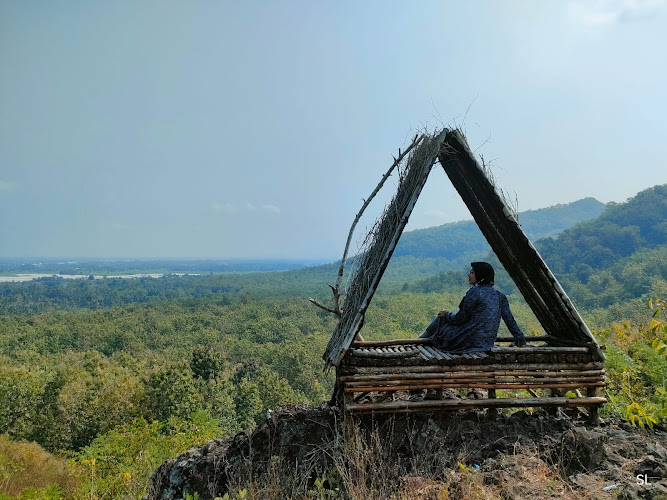
Wana SIMBAT is one of those places that quietly surprises you. Tucked away in the green folds of East Java’s countryside, it’s the kind of spot that makes you forget about your phone for a while. The air here smells of damp earth and wildflowers, and if you’re lucky, you’ll catch a soft breeze carrying the sound of rustling leaves from the nearby forest. It’s not a polished, picture-perfect tourist destination—and honestly, that’s what gives it charm. The garden bursts with color during the blooming season, with wildflowers painting the landscape in chaotic, beautiful patterns that no landscaper could ever plan. There’s a mountain trail that winds its way up from the garden, and it’s not exactly an easy stroll. The path is rocky in parts and can get slippery after rain, but the views along the way make every step worth it. You’ll see layers of hills fading into the mist, and sometimes, if you pause long enough, you might hear a bird call echoing through the valley. It’s peaceful in that raw, untamed way that nature often is. Now, it’s worth saying that Wana SIMBAT isn’t perfect. Some visitors find the facilities a bit basic, and accessibility isn’t great for those with mobility challenges. But if you’re the kind of traveler who enjoys authenticity over comfort—someone who appreciates nature in its natural, slightly rough-around-the-edges form—then this place will leave you smiling. It’s good for families too; kids tend to love running through the open spaces and spotting butterflies among the flowers. I remember the first time I came here—it was early morning, the sky still half-asleep, and the dew clung to everything. I sat on a rock halfway up the trail, sipping coffee from a thermos, and thought, “This is what travel’s supposed to feel like.” Not rushed. Not curated. Just real.
Key Features
- A colorful, ever-changing wildflower garden that feels alive with every visit
- A scenic mountain trail offering panoramic views of the surrounding hills
- Fresh, crisp mountain air and a peaceful natural setting perfect for unwinding
- Family-friendly environment where children can safely explore and play
- Opportunities for photography, light trekking, and quiet reflection
- Local food stalls nearby offering simple but delicious Indonesian snacks
Best Time to Visit
If you’re planning a trip to Wana SIMBAT, timing makes all the difference. The best months are usually between May and September, when the weather is dry and the trails are easier to manage. During this period, the wildflowers are in full bloom, painting the landscape in shades of red, yellow, and purple. It’s honestly a photographer’s dream. Avoid the heavy rainy season if you can—the trail can become muddy, and the garden loses a bit of its sparkle when drenched. But even then, there’s something oddly calming about watching the mist roll over the hills after a downpour. If you’re into that moody, cinematic kind of atmosphere, you might actually prefer it. Early mornings are magical here. The sun rises slowly over the ridge, and everything glows gold for a few minutes. It’s quiet except for the soft hum of insects and the occasional rooster crowing in the distance. Late afternoons are great too, especially if you want to catch the sunset from higher up the trail.
How to Get There
Reaching Wana SIMBAT isn’t complicated, but it does take a bit of planning. The nearest major town is Jember, and from there, you can take a local motorbike taxi or rent a scooter if you’re feeling adventurous. The road leading to the site is narrow and winding, with a few potholes here and there—so take it slow and enjoy the scenery. If you’re coming from farther away, it’s best to base yourself in Jember for a night or two. There are plenty of affordable guesthouses and small hotels around. From the town center, the drive takes roughly an hour depending on traffic and road conditions. Public transport options are limited, so having your own vehicle or hiring a driver is the most convenient way. One thing I’ve learned from traveling around East Java is that the journey is half the experience. You’ll pass through small villages where kids wave at passing cars, and you might even spot farmers tending their rice fields. It’s a glimpse into everyday life in rural Indonesia that adds depth to the trip.
Tips for Visiting
Before you pack your bags, here are a few things worth knowing to make your visit smoother—and more enjoyable. First, wear comfortable shoes. The trail can be uneven, and flip-flops just won’t cut it. Bring a hat and sunscreen too; the sun can be fierce midday, even when it feels cool in the shade. Carry enough water—there are small stalls selling drinks, but they’re not always open. If you’re into photography, bring a wide-angle lens. The sweeping views from the upper trail are breathtaking, and you’ll want to capture as much of that landscape as possible. And don’t forget to just stop and breathe it all in. Sometimes we get so caught up trying to take the perfect shot that we forget to actually enjoy the moment. I also recommend visiting on a weekday if you can. Weekends tend to get busier with local families and school trips, which can make the place feel a bit crowded. Early mornings or late afternoons are quieter and more peaceful. Lastly, remember that this is a natural site, not a theme park. Facilities are basic, and that’s part of its charm. Respect the environment—don’t litter, don’t pick the flowers, and try to leave it just as you found it. If you’re lucky, you might even chat with one of the locals who help maintain the area. They’re usually happy to share stories about the place, and those little conversations often end up being the best souvenirs. So, if you’re craving a slice of nature that’s raw, colorful, and just a bit wild, Wana SIMBAT is the kind of place that stays with you long after you’ve left. It’s not about luxury or convenience—it’s about reconnecting with the earth, with yourself, and with the simple joy of being somewhere beautiful.
Key Features
- A colorful, ever-changing wildflower garden that feels alive with every visit
- A scenic mountain trail offering panoramic views of the surrounding hills
- Fresh, crisp mountain air and a peaceful natural setting perfect for unwinding
- Family-friendly environment where children can safely explore and play
- Opportunities for photography, light trekking, and quiet reflection
- Local food stalls nearby offering simple but delicious Indonesian snacks
More Details
Updated November 9, 2025
Table of Contents
Description
Wana SIMBAT is one of those places that quietly surprises you. Tucked away in the green folds of East Java’s countryside, it’s the kind of spot that makes you forget about your phone for a while. The air here smells of damp earth and wildflowers, and if you’re lucky, you’ll catch a soft breeze carrying the sound of rustling leaves from the nearby forest. It’s not a polished, picture-perfect tourist destination—and honestly, that’s what gives it charm. The garden bursts with color during the blooming season, with wildflowers painting the landscape in chaotic, beautiful patterns that no landscaper could ever plan.
There’s a mountain trail that winds its way up from the garden, and it’s not exactly an easy stroll. The path is rocky in parts and can get slippery after rain, but the views along the way make every step worth it. You’ll see layers of hills fading into the mist, and sometimes, if you pause long enough, you might hear a bird call echoing through the valley. It’s peaceful in that raw, untamed way that nature often is.
Now, it’s worth saying that Wana SIMBAT isn’t perfect. Some visitors find the facilities a bit basic, and accessibility isn’t great for those with mobility challenges. But if you’re the kind of traveler who enjoys authenticity over comfort—someone who appreciates nature in its natural, slightly rough-around-the-edges form—then this place will leave you smiling. It’s good for families too; kids tend to love running through the open spaces and spotting butterflies among the flowers.
I remember the first time I came here—it was early morning, the sky still half-asleep, and the dew clung to everything. I sat on a rock halfway up the trail, sipping coffee from a thermos, and thought, “This is what travel’s supposed to feel like.” Not rushed. Not curated. Just real.
Key Features
- A colorful, ever-changing wildflower garden that feels alive with every visit
- A scenic mountain trail offering panoramic views of the surrounding hills
- Fresh, crisp mountain air and a peaceful natural setting perfect for unwinding
- Family-friendly environment where children can safely explore and play
- Opportunities for photography, light trekking, and quiet reflection
- Local food stalls nearby offering simple but delicious Indonesian snacks
Best Time to Visit
If you’re planning a trip to Wana SIMBAT, timing makes all the difference. The best months are usually between May and September, when the weather is dry and the trails are easier to manage. During this period, the wildflowers are in full bloom, painting the landscape in shades of red, yellow, and purple. It’s honestly a photographer’s dream.
Avoid the heavy rainy season if you can—the trail can become muddy, and the garden loses a bit of its sparkle when drenched. But even then, there’s something oddly calming about watching the mist roll over the hills after a downpour. If you’re into that moody, cinematic kind of atmosphere, you might actually prefer it.
Early mornings are magical here. The sun rises slowly over the ridge, and everything glows gold for a few minutes. It’s quiet except for the soft hum of insects and the occasional rooster crowing in the distance. Late afternoons are great too, especially if you want to catch the sunset from higher up the trail.
How to Get There
Reaching Wana SIMBAT isn’t complicated, but it does take a bit of planning. The nearest major town is Jember, and from there, you can take a local motorbike taxi or rent a scooter if you’re feeling adventurous. The road leading to the site is narrow and winding, with a few potholes here and there—so take it slow and enjoy the scenery.
If you’re coming from farther away, it’s best to base yourself in Jember for a night or two. There are plenty of affordable guesthouses and small hotels around. From the town center, the drive takes roughly an hour depending on traffic and road conditions. Public transport options are limited, so having your own vehicle or hiring a driver is the most convenient way.
One thing I’ve learned from traveling around East Java is that the journey is half the experience. You’ll pass through small villages where kids wave at passing cars, and you might even spot farmers tending their rice fields. It’s a glimpse into everyday life in rural Indonesia that adds depth to the trip.
Tips for Visiting
Before you pack your bags, here are a few things worth knowing to make your visit smoother—and more enjoyable.
First, wear comfortable shoes. The trail can be uneven, and flip-flops just won’t cut it. Bring a hat and sunscreen too; the sun can be fierce midday, even when it feels cool in the shade. Carry enough water—there are small stalls selling drinks, but they’re not always open.
If you’re into photography, bring a wide-angle lens. The sweeping views from the upper trail are breathtaking, and you’ll want to capture as much of that landscape as possible. And don’t forget to just stop and breathe it all in. Sometimes we get so caught up trying to take the perfect shot that we forget to actually enjoy the moment.
I also recommend visiting on a weekday if you can. Weekends tend to get busier with local families and school trips, which can make the place feel a bit crowded. Early mornings or late afternoons are quieter and more peaceful.
Lastly, remember that this is a natural site, not a theme park. Facilities are basic, and that’s part of its charm. Respect the environment—don’t litter, don’t pick the flowers, and try to leave it just as you found it.
If you’re lucky, you might even chat with one of the locals who help maintain the area. They’re usually happy to share stories about the place, and those little conversations often end up being the best souvenirs.
So, if you’re craving a slice of nature that’s raw, colorful, and just a bit wild, Wana SIMBAT is the kind of place that stays with you long after you’ve left. It’s not about luxury or convenience—it’s about reconnecting with the earth, with yourself, and with the simple joy of being somewhere beautiful.
Key Highlights
- A colorful, ever-changing wildflower garden that feels alive with every visit
- A scenic mountain trail offering panoramic views of the surrounding hills
- Fresh, crisp mountain air and a peaceful natural setting perfect for unwinding
- Family-friendly environment where children can safely explore and play
- Opportunities for photography, light trekking, and quiet reflection
- Local food stalls nearby offering simple but delicious Indonesian snacks
Location
Places to Stay Near Wana SIMBAT
Find and Book a Tour
Explore More Travel Guides
No reviews found! Be the first to review!
Traveler Reviews for Wana SIMBAT
There are no reviews yet. Be the first one to write one.
Have you visited Wana SIMBAT? Help other travelers by sharing your review.
You Might Also Like
Pantai Watu Ulo
Wisata kebun teh gunung gambir

Jl. PB Sudirman
Find Accommodations Nearby
Recommended Tours & Activities
Visitor Reviews
There are no reviews yet. Be the first one to write one.
Share Your Experience
Have you visited Wana SIMBAT? Help other travelers by leaving a review.