About Jemberan Watu Ulo

Description

Watu Ulo Beach in Jember, East Java, is one of those places that quietly sneaks up on you. It’s not overly commercialized or packed with fancy resorts, but that’s exactly what makes it so charming. The name “Watu Ulo” literally means “Snake Rock” in Javanese, and once you see the long, winding rock formation stretching into the sea, you’ll understand why locals gave it that name. There’s a certain mystery to it — a legend that says the rock is the remnant of a giant sea serpent that once lived here. Whether you believe the folklore or not, it adds a layer of intrigue that makes the beach feel alive with stories.

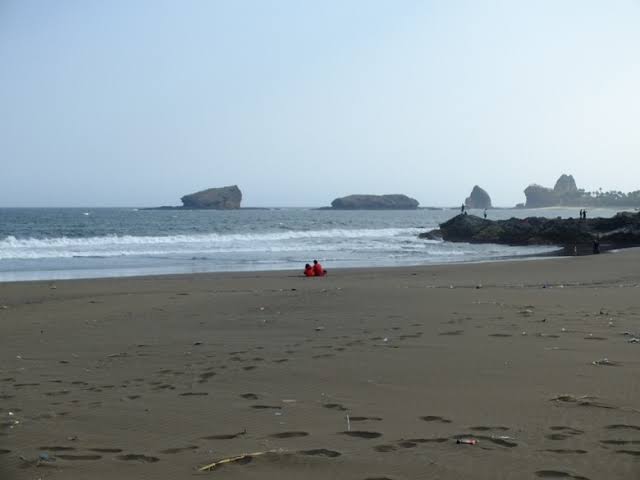
The beach itself is rugged and raw, with dark volcanic sand and waves that crash with a rhythm that feels ancient. It’s not your typical white-sand, cocktail-in-hand kind of destination. Instead, it’s a place for those who like a bit of adventure, who don’t mind getting their feet sandy and their hair salty. Families often come here, too, because the wide open space gives kids plenty of room to run around, and the shallow parts near the shore are usually safe enough for a little splash. There’s a kind of laid-back, local vibe — fishermen pulling in their nets, small warungs (local food stalls) selling grilled fish, and the occasional traveler just sitting quietly, watching the horizon fade into gold at sunset.

I remember visiting Watu Ulo for the first time years ago, mostly because a friend from Jember wouldn’t stop talking about it. I wasn’t expecting much, honestly — just another beach. But when I stood there, looking at that snake-like rock curling into the sea, I felt this odd mix of awe and calm. It’s one of those places that makes you pause, take a deep breath, and just listen to the sound of the waves. The air smells like salt and earth, and the breeze carries whispers of old tales. You can almost imagine the mythical serpent slithering beneath the surface.

Key Features

  • Unique Snake-Shaped Rock Formation: The main highlight of Watu Ulo Beach is the long rock formation that resembles a snake’s body stretching into the ocean — a natural wonder steeped in local legend.
  • Rich Folklore: Locals believe the rock is part of a mythical serpent that once lived in the sea, making the beach a place of cultural and spiritual significance.
  • Scenic Coastal Views: From sunrise to sunset, the views here are breathtaking, especially when the sun dips low and paints the water in shades of orange and red.
  • Local Seafood and Warungs: Visitors can enjoy freshly caught fish and other local dishes from small food stalls along the beach.
  • Peaceful Atmosphere: Less crowded than other beaches in East Java, Watu Ulo offers a tranquil escape for those seeking quiet reflection or a family picnic.
  • Photography Opportunities: The contrast between the dark sand, the rugged rocks, and the turquoise sea makes it a dream spot for photographers.

Best Time to Visit

If you’re planning a trip, the dry season — roughly from May to September — is the best time to visit Watu Ulo Beach. The skies are clear, the sea is calmer, and the sunsets are absolutely stunning. During this time, the light hits the rock formations just right, making them glow in warm tones that are a photographer’s delight. The rainy season, on the other hand, can make the beach a bit muddy, and the waves get rougher, though it does bring out the wild beauty of the place. Personally, I love visiting early in the morning before the day heats up. There’s something magical about watching the first rays of sunlight creep across the ocean while the fishermen start their day.

Weekdays are usually quieter than weekends, so if you prefer solitude, plan your visit midweek. And if you’re lucky, you might catch one of the local festivals or cultural events that sometimes take place on the beach, where traditional dances and music fill the air with energy.

How to Get There

Reaching Watu Ulo Beach is fairly straightforward if you’re already in Jember. It’s about a 40-minute drive from the city center, heading south through Ambulu district. The road is mostly paved, though a bit narrow in some parts, especially as you get closer to the coast. If you’re driving, you’ll pass through small villages, rice fields, and stretches of countryside that give you a glimpse of rural East Java life. It’s a scenic route — the kind that makes you roll down the window and just enjoy the view.

For those who don’t have a car, you can rent a motorbike in Jember, which is a fun and affordable way to get there. Public transport options are limited, but local minibuses (angkot) can take you part of the way. From Ambulu, you can usually find an ojek (motorbike taxi) to take you directly to the beach. It’s a bit of a bumpy ride, but that’s part of the adventure, right?

Parking is available near the entrance, and from there, it’s just a short walk down to the shore. You’ll hear the waves before you see them, and then suddenly, the vast blue ocean opens up before you. It’s a moment that never gets old.

Tips for Visiting

Before heading to Watu Ulo Beach, it helps to keep a few things in mind. First, bring cash — there aren’t any ATMs nearby, and most of the local vendors don’t take cards. The entrance fee is modest, and parking is cheap, but having small bills on hand makes life easier. Also, pack some sunscreen and a hat; the sun can be relentless, especially around midday. There’s some shade under the trees, but not a lot.

If you’re planning to swim, be cautious. The waves can be strong, particularly during high tide, and there aren’t lifeguards on duty. Stick to the shallower areas and keep an eye on the current. For families with kids, it’s best to stay near the calmer parts of the beach. And if you’re into photography, bring your camera or drone — the aerial views of the snake-like rock curling into the ocean are spectacular.

One thing I always tell friends visiting Watu Ulo is to take your time. Don’t rush it. Walk along the shoreline, explore the rocks, maybe chat with the local fishermen. They’re friendly and often share stories about the beach’s legends. If you’re lucky, you might even get invited to join them for a cup of coffee or fresh fish right off the grill. It’s those small, genuine moments that make a trip memorable.

And here’s a little personal tip: stay until sunset. The way the light hits the water, the sound of the waves, and the cool breeze that rolls in — it’s pure peace. I once sat there for hours, just watching the sky change colors, and it felt like time slowed down. That’s the kind of experience Watu Ulo offers — simple, unpretentious, and deeply grounding.

So if you’re the kind of traveler who loves places with stories, who enjoys a mix of nature and legend, and who doesn’t mind getting a little sand between your toes, Watu Ulo Beach in Jember is worth your time. It’s not the flashiest destination in Indonesia, but it’s got heart — and sometimes, that’s exactly what you’re looking for.

Key Features

  • Key Features
  • Best Time to Visit
  • How to Get There
  • Tips for Visiting

More Details

Updated November 9, 2025

Description

Watu Ulo Beach in Jember, East Java, is one of those places that quietly sneaks up on you. It’s not overly commercialized or packed with fancy resorts, but that’s exactly what makes it so charming. The name “Watu Ulo” literally means “Snake Rock” in Javanese, and once you see the long, winding rock formation stretching into the sea, you’ll understand why locals gave it that name. There’s a certain mystery to it — a legend that says the rock is the remnant of a giant sea serpent that once lived here. Whether you believe the folklore or not, it adds a layer of intrigue that makes the beach feel alive with stories.

The beach itself is rugged and raw, with dark volcanic sand and waves that crash with a rhythm that feels ancient. It’s not your typical white-sand, cocktail-in-hand kind of destination. Instead, it’s a place for those who like a bit of adventure, who don’t mind getting their feet sandy and their hair salty. Families often come here, too, because the wide open space gives kids plenty of room to run around, and the shallow parts near the shore are usually safe enough for a little splash. There’s a kind of laid-back, local vibe — fishermen pulling in their nets, small warungs (local food stalls) selling grilled fish, and the occasional traveler just sitting quietly, watching the horizon fade into gold at sunset.

I remember visiting Watu Ulo for the first time years ago, mostly because a friend from Jember wouldn’t stop talking about it. I wasn’t expecting much, honestly — just another beach. But when I stood there, looking at that snake-like rock curling into the sea, I felt this odd mix of awe and calm. It’s one of those places that makes you pause, take a deep breath, and just listen to the sound of the waves. The air smells like salt and earth, and the breeze carries whispers of old tales. You can almost imagine the mythical serpent slithering beneath the surface.

Key Features

  • Unique Snake-Shaped Rock Formation: The main highlight of Watu Ulo Beach is the long rock formation that resembles a snake’s body stretching into the ocean — a natural wonder steeped in local legend.
  • Rich Folklore: Locals believe the rock is part of a mythical serpent that once lived in the sea, making the beach a place of cultural and spiritual significance.
  • Scenic Coastal Views: From sunrise to sunset, the views here are breathtaking, especially when the sun dips low and paints the water in shades of orange and red.
  • Local Seafood and Warungs: Visitors can enjoy freshly caught fish and other local dishes from small food stalls along the beach.
  • Peaceful Atmosphere: Less crowded than other beaches in East Java, Watu Ulo offers a tranquil escape for those seeking quiet reflection or a family picnic.
  • Photography Opportunities: The contrast between the dark sand, the rugged rocks, and the turquoise sea makes it a dream spot for photographers.

Best Time to Visit

If you’re planning a trip, the dry season — roughly from May to September — is the best time to visit Watu Ulo Beach. The skies are clear, the sea is calmer, and the sunsets are absolutely stunning. During this time, the light hits the rock formations just right, making them glow in warm tones that are a photographer’s delight. The rainy season, on the other hand, can make the beach a bit muddy, and the waves get rougher, though it does bring out the wild beauty of the place. Personally, I love visiting early in the morning before the day heats up. There’s something magical about watching the first rays of sunlight creep across the ocean while the fishermen start their day.

Weekdays are usually quieter than weekends, so if you prefer solitude, plan your visit midweek. And if you’re lucky, you might catch one of the local festivals or cultural events that sometimes take place on the beach, where traditional dances and music fill the air with energy.

How to Get There

Reaching Watu Ulo Beach is fairly straightforward if you’re already in Jember. It’s about a 40-minute drive from the city center, heading south through Ambulu district. The road is mostly paved, though a bit narrow in some parts, especially as you get closer to the coast. If you’re driving, you’ll pass through small villages, rice fields, and stretches of countryside that give you a glimpse of rural East Java life. It’s a scenic route — the kind that makes you roll down the window and just enjoy the view.

For those who don’t have a car, you can rent a motorbike in Jember, which is a fun and affordable way to get there. Public transport options are limited, but local minibuses (angkot) can take you part of the way. From Ambulu, you can usually find an ojek (motorbike taxi) to take you directly to the beach. It’s a bit of a bumpy ride, but that’s part of the adventure, right?

Parking is available near the entrance, and from there, it’s just a short walk down to the shore. You’ll hear the waves before you see them, and then suddenly, the vast blue ocean opens up before you. It’s a moment that never gets old.

Tips for Visiting

Before heading to Watu Ulo Beach, it helps to keep a few things in mind. First, bring cash — there aren’t any ATMs nearby, and most of the local vendors don’t take cards. The entrance fee is modest, and parking is cheap, but having small bills on hand makes life easier. Also, pack some sunscreen and a hat; the sun can be relentless, especially around midday. There’s some shade under the trees, but not a lot.

If you’re planning to swim, be cautious. The waves can be strong, particularly during high tide, and there aren’t lifeguards on duty. Stick to the shallower areas and keep an eye on the current. For families with kids, it’s best to stay near the calmer parts of the beach. And if you’re into photography, bring your camera or drone — the aerial views of the snake-like rock curling into the ocean are spectacular.

One thing I always tell friends visiting Watu Ulo is to take your time. Don’t rush it. Walk along the shoreline, explore the rocks, maybe chat with the local fishermen. They’re friendly and often share stories about the beach’s legends. If you’re lucky, you might even get invited to join them for a cup of coffee or fresh fish right off the grill. It’s those small, genuine moments that make a trip memorable.

And here’s a little personal tip: stay until sunset. The way the light hits the water, the sound of the waves, and the cool breeze that rolls in — it’s pure peace. I once sat there for hours, just watching the sky change colors, and it felt like time slowed down. That’s the kind of experience Watu Ulo offers — simple, unpretentious, and deeply grounding.

So if you’re the kind of traveler who loves places with stories, who enjoys a mix of nature and legend, and who doesn’t mind getting a little sand between your toes, Watu Ulo Beach in Jember is worth your time. It’s not the flashiest destination in Indonesia, but it’s got heart — and sometimes, that’s exactly what you’re looking for.

Key Highlights

  • Key Features
  • Best Time to Visit
  • How to Get There
  • Tips for Visiting

Location

Places to Stay Near Jemberan Watu Ulo

Find and Book a Tour

Explore More Travel Guides

No reviews found! Be the first to review!

Traveler Reviews for Jemberan Watu Ulo

There are no reviews yet. Be the first one to write one.

Share Your Experience

Have you visited Jemberan Watu Ulo? Help other travelers by sharing your review.

Find Accommodations Nearby

Recommended Tours & Activities

Visitor Reviews

There are no reviews yet. Be the first one to write one.

Share Your Experience

Have you visited Jemberan Watu Ulo? Help other travelers by leaving a review.