
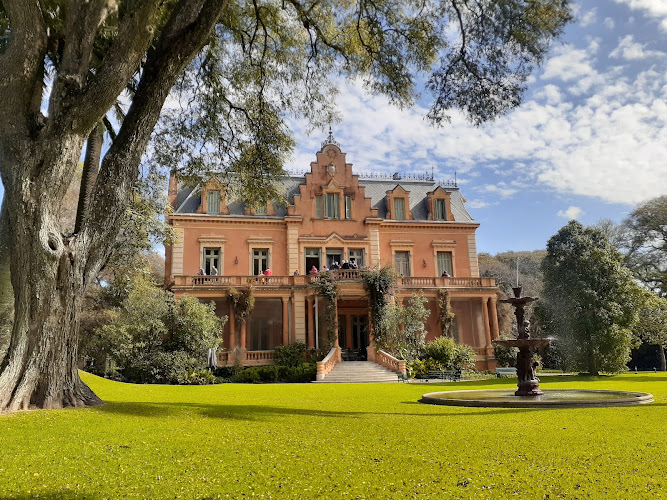
Villa Ocampo
About Villa Ocampo
Description
Villa Ocampo stands as one of Argentina's most fascinating cultural landmarks, a place where literature, art, and history converge in the most elegant way imaginable. This isn't just another museum you'll tick off your Buenos Aires bucket list—it's a genuine portal into the golden age of Latin American intellectual life. The mansion belonged to Victoria Ocampo, one of the 20th century's most influential cultural figures, and walking through these rooms feels like stepping into conversations that shaped an entire continent's literary identity. The estate itself is gorgeous, there's no other word for it. Built in 1891, the property sits gracefully with its gardens stretching toward the Rio de la Plata, and you can almost feel the weight of all those brilliant minds who once gathered here. Jorge Luis Borges, Rabindranath Tagore, Albert Camus, Graham Greene—they all spent time within these walls, engaged in discussions that would later influence their work. And that's what makes Villa Ocampo special. It's not just about preserved furniture and old photographs (though those are wonderful too). It's about the living legacy of ideas that were born and nurtured in this space. Victoria Ocampo herself was quite the character. She founded the legendary literary magazine Sur, championed women's rights when that was deeply unpopular in conservative Argentine society, and basically told the entire establishment to take a hike while she created her own cultural universe. The mansion reflects her personality—sophisticated but not stuffy, worldly yet deeply rooted in Argentine identity. When you visit, you're not just seeing how a wealthy family lived; you're experiencing the headquarters of a cultural revolution. The guided tours bring everything to life in ways that self-guided wandering just can't match. The guides genuinely love this place, and their passion shows. They'll point out little details you'd otherwise miss—the specific chair where Borges sat during his visits, the terrace where afternoon tea became a salon for intellectual exchange, the library where Ocampo worked on her extensive correspondence with writers across the globe. But even beyond the tours, the gardens invite you to linger, to imagine what those conversations might have sounded like drifting through the trees.Key Features
The Villa Ocampo offers visitors an impressive array of experiences that extend well beyond typical museum visits:- The mansion's original architecture and interior design, meticulously preserved to reflect the elegance of early 20th-century Argentine upper-class life
- Victoria Ocampo's personal library, containing thousands of books and manuscripts that reveal her incredible intellectual range
- Rotating exhibitions showcasing contemporary art, photography, and cultural installations that connect historical themes with modern creative expression
- Live performances including chamber music concerts, poetry readings, and theatrical presentations held throughout the year in various rooms and the gardens
- Expansive public gardens featuring native Argentine plants, mature trees, and carefully maintained pathways leading to stunning river views
- A charming bistro serving light meals and refreshments, perfect for extending your visit into a leisurely afternoon
- Original furniture, artwork, and personal belongings of Victoria Ocampo that provide intimate glimpses into her daily life
- Wheelchair accessible facilities including restrooms, making the cultural experience available to all visitors
- Guided tours in multiple languages that provide rich context about Ocampo's life, her literary circle, and Argentina's cultural history
- Special educational programs and workshops designed for students, writers, and anyone interested in literary history
Best Time to Visit
Timing your visit to Villa Ocampo can really enhance the experience, though honestly, there isn't a bad time to go. The mansion operates year-round, but certain seasons offer distinct advantages worth considering. Spring in Buenos Aires—September through November—brings the gardens to absolute life. The trees burst with new growth, flowers bloom throughout the grounds, and the weather hovers in that perfect range where you can comfortably spend hours outside without melting or freezing. This is probably the ideal time if you're someone who loves photography or just wants to experience the estate at its most beautiful. The light during these months is exceptional, especially in the late afternoon when everything takes on this golden quality that makes you understand why so many artists found inspiration here. Summer visits from December to February can be quite hot, I won't lie to you. But the proximity to the river provides some relief, and if you time your visit for earlier in the day, you'll beat both the heat and the crowds. Plus, summer often brings additional cultural programming—outdoor concerts and performances that take advantage of the warm evenings. There's something magical about listening to chamber music in a garden at dusk. Autumn, particularly March and April, rivals spring for pleasant conditions. The crowds thin out a bit as peak tourist season winds down, which means you'll have more space to explore and reflect. The changing leaves add their own beauty to the landscape, and the cooler temperatures make the indoor portions of the tour more comfortable. Winter isn't traditionally recommended, but hear me out. Yes, it gets chilly between June and August, but Buenos Aires winter is nothing like Europe or North America. You'll need a jacket, sure, but the mansion itself is absolutely enchanting during these quieter months. The cultural programming shifts indoors, creating an intimate atmosphere for concerts and exhibitions. And there's something rather appropriate about experiencing a literary salon-style event during winter—feels historically accurate, somehow. Weekdays generally offer a more contemplative experience than weekends, when local families and tour groups increase visitor numbers. If you can swing a Thursday or Friday morning visit, you'll likely have rooms practically to yourself at times.How to Get There
Getting to Villa Ocampo requires a bit more effort than popping into a downtown museum, but the journey itself offers a nice introduction to the northern suburbs of Buenos Aires. The mansion sits in San Isidro, a historic neighborhood about 20 kilometers from the city center. The train is probably your most economical and straightforward option. The Mitre Line runs from Retiro station directly to San Isidro, and the ride takes roughly 30-40 minutes depending on which service you catch. Once you arrive at San Isidro station, you're looking at about a 15-minute walk to the villa. It's a pleasant stroll through a residential area that gives you a feel for how the affluent suburbs developed. Just grab a map on your phone before you go, because signage isn't always obvious. Buses also serve the area if you're already familiar with Buenos Aires' extensive colectivo system. Several lines connect downtown with San Isidro, though routes can be confusing if you're not used to navigating the city's bus network. For visitors staying in Palermo or Recoleta, this might actually be quicker than heading to Retiro first. Taxis and rideshare apps like Uber or Cabify work perfectly well and aren't unreasonably expensive if you're traveling with others to split the cost. The convenience factor is significant—you'll get dropped right at the entrance rather than walking from the station. During off-peak hours, the drive from central Buenos Aires takes about 30 minutes, though traffic can extend that considerably during rush periods. If you've rented a car, driving is straightforward enough, and there's free street parking available in the surrounding neighborhood. However, spaces can be competitive on weekends and during special events. The freedom of having your own vehicle lets you explore other San Isidro attractions before or after Villa Ocampo, which might appeal to travelers who want to maximize their day outside the city center. Some organized tour companies include Villa Ocampo in their northern suburbs itineraries, pairing it with the San Isidro cathedral, antique markets, and riverside restaurants. This can work well for visitors who prefer everything arranged, though you'll have less flexibility with timing and probably a more rushed experience at each stop.Tips for Visiting
Getting tickets in advance is genuinely recommended, not just tourism board boilerplate. The mansion limits visitor numbers to preserve the intimate atmosphere and protect the historic structure, which means popular time slots—especially weekend afternoons—can sell out. Booking ahead also saves time when you arrive, letting you skip the admission line and head straight in. Budget at least two hours for your visit, maybe three if you're someone who likes to really absorb a place. The guided tours run about an hour, but you'll want extra time to wander the gardens, browse the current exhibitions, and maybe grab something at the bistro. Rushing through defeats the entire purpose. This isn't a place to check off your list; it's a place to experience. The guided tours are worth joining even if you normally prefer exploring solo. The guides provide context and stories that transform the experience from "looking at old rooms" into genuinely understanding the cultural significance. Tours are offered in Spanish, and English tours are usually available but sometimes require minimum participant numbers. Check the schedule when booking. Photography is generally permitted in most areas, but flash and tripods typically aren't allowed inside the mansion. The gardens are fair game for whatever photography equipment you want to haul around. If you're serious about getting good shots, the afternoon light in the gardens is spectacular. Comfortable walking shoes matter more than you might think. The estate covers substantial ground, and you'll be on your feet quite a bit, especially if you explore the full garden area down to the riverside. Those elegant cobblestones look beautiful but can be tricky in the wrong footwear. The bistro serves reasonably priced light meals, sandwiches, and excellent coffee. Having lunch or tea there extends your visit pleasantly and lets you soak in the atmosphere without feeling rushed. The outdoor seating overlooks the gardens and makes for a lovely break between the tour and exploring on your own. If you're visiting during performance season, check the cultural calendar before your trip. Chamber concerts, literary events, and special exhibitions can significantly enhance your experience, but they often require separate tickets that sell out well in advance. The combination of touring the mansion and attending an evening concert creates the kind of memorable experience that defines really good travel. Restroom facilities are available and wheelchair accessible, which isn't always guaranteed at historic properties. The staff generally speaks some English, though brushing up on basic Spanish phrases never hurts and always earns you goodwill. Don't skip the temporary exhibition spaces. While Victoria Ocampo's permanent collection forms the core attraction, the rotating contemporary shows often provide fascinating dialogues between past and present. These exhibitions maintain the villa's original purpose as a living cultural center rather than just a preserved museum. Finally, give yourself permission to simply sit in the gardens for a while. Find a bench, breathe in the river air, and imagine the conversations that happened here. Sometimes the most valuable part of visiting a place like Villa Ocampo isn't what you learn from plaques and tour guides—it's what you feel when you allow yourself to connect with the space and its history. That's when this beautiful mansion truly reveals why it mattered then and why it still matters now.Key Features
- Historic mansion and preserved period interiors belonging to Victoria Ocampo
- Extensive gardens and terraces open to visitors
- Permanent and rotating exhibitions on literature, art and cultural history
- Guided tours focusing on Victoria Ocampo, Sur magazine and visitors like Borges
- UNESCO-affiliated site with an onsite cultural program and café
More Details
Updated January 16, 2026
Table of Contents
Description
Villa Ocampo stands as one of Argentina’s most fascinating cultural landmarks, a place where literature, art, and history converge in the most elegant way imaginable. This isn’t just another museum you’ll tick off your Buenos Aires bucket list—it’s a genuine portal into the golden age of Latin American intellectual life. The mansion belonged to Victoria Ocampo, one of the 20th century’s most influential cultural figures, and walking through these rooms feels like stepping into conversations that shaped an entire continent’s literary identity.
The estate itself is gorgeous, there’s no other word for it. Built in 1891, the property sits gracefully with its gardens stretching toward the Rio de la Plata, and you can almost feel the weight of all those brilliant minds who once gathered here. Jorge Luis Borges, Rabindranath Tagore, Albert Camus, Graham Greene—they all spent time within these walls, engaged in discussions that would later influence their work. And that’s what makes Villa Ocampo special. It’s not just about preserved furniture and old photographs (though those are wonderful too). It’s about the living legacy of ideas that were born and nurtured in this space.
Victoria Ocampo herself was quite the character. She founded the legendary literary magazine Sur, championed women’s rights when that was deeply unpopular in conservative Argentine society, and basically told the entire establishment to take a hike while she created her own cultural universe. The mansion reflects her personality—sophisticated but not stuffy, worldly yet deeply rooted in Argentine identity. When you visit, you’re not just seeing how a wealthy family lived; you’re experiencing the headquarters of a cultural revolution.
The guided tours bring everything to life in ways that self-guided wandering just can’t match. The guides genuinely love this place, and their passion shows. They’ll point out little details you’d otherwise miss—the specific chair where Borges sat during his visits, the terrace where afternoon tea became a salon for intellectual exchange, the library where Ocampo worked on her extensive correspondence with writers across the globe. But even beyond the tours, the gardens invite you to linger, to imagine what those conversations might have sounded like drifting through the trees.
Key Features
The Villa Ocampo offers visitors an impressive array of experiences that extend well beyond typical museum visits:
- The mansion’s original architecture and interior design, meticulously preserved to reflect the elegance of early 20th-century Argentine upper-class life
- Victoria Ocampo’s personal library, containing thousands of books and manuscripts that reveal her incredible intellectual range
- Rotating exhibitions showcasing contemporary art, photography, and cultural installations that connect historical themes with modern creative expression
- Live performances including chamber music concerts, poetry readings, and theatrical presentations held throughout the year in various rooms and the gardens
- Expansive public gardens featuring native Argentine plants, mature trees, and carefully maintained pathways leading to stunning river views
- A charming bistro serving light meals and refreshments, perfect for extending your visit into a leisurely afternoon
- Original furniture, artwork, and personal belongings of Victoria Ocampo that provide intimate glimpses into her daily life
- Wheelchair accessible facilities including restrooms, making the cultural experience available to all visitors
- Guided tours in multiple languages that provide rich context about Ocampo’s life, her literary circle, and Argentina’s cultural history
- Special educational programs and workshops designed for students, writers, and anyone interested in literary history
Best Time to Visit
Timing your visit to Villa Ocampo can really enhance the experience, though honestly, there isn’t a bad time to go. The mansion operates year-round, but certain seasons offer distinct advantages worth considering.
Spring in Buenos Aires—September through November—brings the gardens to absolute life. The trees burst with new growth, flowers bloom throughout the grounds, and the weather hovers in that perfect range where you can comfortably spend hours outside without melting or freezing. This is probably the ideal time if you’re someone who loves photography or just wants to experience the estate at its most beautiful. The light during these months is exceptional, especially in the late afternoon when everything takes on this golden quality that makes you understand why so many artists found inspiration here.
Summer visits from December to February can be quite hot, I won’t lie to you. But the proximity to the river provides some relief, and if you time your visit for earlier in the day, you’ll beat both the heat and the crowds. Plus, summer often brings additional cultural programming—outdoor concerts and performances that take advantage of the warm evenings. There’s something magical about listening to chamber music in a garden at dusk.
Autumn, particularly March and April, rivals spring for pleasant conditions. The crowds thin out a bit as peak tourist season winds down, which means you’ll have more space to explore and reflect. The changing leaves add their own beauty to the landscape, and the cooler temperatures make the indoor portions of the tour more comfortable.
Winter isn’t traditionally recommended, but hear me out. Yes, it gets chilly between June and August, but Buenos Aires winter is nothing like Europe or North America. You’ll need a jacket, sure, but the mansion itself is absolutely enchanting during these quieter months. The cultural programming shifts indoors, creating an intimate atmosphere for concerts and exhibitions. And there’s something rather appropriate about experiencing a literary salon-style event during winter—feels historically accurate, somehow.
Weekdays generally offer a more contemplative experience than weekends, when local families and tour groups increase visitor numbers. If you can swing a Thursday or Friday morning visit, you’ll likely have rooms practically to yourself at times.
How to Get There
Getting to Villa Ocampo requires a bit more effort than popping into a downtown museum, but the journey itself offers a nice introduction to the northern suburbs of Buenos Aires. The mansion sits in San Isidro, a historic neighborhood about 20 kilometers from the city center.
The train is probably your most economical and straightforward option. The Mitre Line runs from Retiro station directly to San Isidro, and the ride takes roughly 30-40 minutes depending on which service you catch. Once you arrive at San Isidro station, you’re looking at about a 15-minute walk to the villa. It’s a pleasant stroll through a residential area that gives you a feel for how the affluent suburbs developed. Just grab a map on your phone before you go, because signage isn’t always obvious.
Buses also serve the area if you’re already familiar with Buenos Aires’ extensive colectivo system. Several lines connect downtown with San Isidro, though routes can be confusing if you’re not used to navigating the city’s bus network. For visitors staying in Palermo or Recoleta, this might actually be quicker than heading to Retiro first.
Taxis and rideshare apps like Uber or Cabify work perfectly well and aren’t unreasonably expensive if you’re traveling with others to split the cost. The convenience factor is significant—you’ll get dropped right at the entrance rather than walking from the station. During off-peak hours, the drive from central Buenos Aires takes about 30 minutes, though traffic can extend that considerably during rush periods.
If you’ve rented a car, driving is straightforward enough, and there’s free street parking available in the surrounding neighborhood. However, spaces can be competitive on weekends and during special events. The freedom of having your own vehicle lets you explore other San Isidro attractions before or after Villa Ocampo, which might appeal to travelers who want to maximize their day outside the city center.
Some organized tour companies include Villa Ocampo in their northern suburbs itineraries, pairing it with the San Isidro cathedral, antique markets, and riverside restaurants. This can work well for visitors who prefer everything arranged, though you’ll have less flexibility with timing and probably a more rushed experience at each stop.
Tips for Visiting
Getting tickets in advance is genuinely recommended, not just tourism board boilerplate. The mansion limits visitor numbers to preserve the intimate atmosphere and protect the historic structure, which means popular time slots—especially weekend afternoons—can sell out. Booking ahead also saves time when you arrive, letting you skip the admission line and head straight in.
Budget at least two hours for your visit, maybe three if you’re someone who likes to really absorb a place. The guided tours run about an hour, but you’ll want extra time to wander the gardens, browse the current exhibitions, and maybe grab something at the bistro. Rushing through defeats the entire purpose. This isn’t a place to check off your list; it’s a place to experience.
The guided tours are worth joining even if you normally prefer exploring solo. The guides provide context and stories that transform the experience from “looking at old rooms” into genuinely understanding the cultural significance. Tours are offered in Spanish, and English tours are usually available but sometimes require minimum participant numbers. Check the schedule when booking.
Photography is generally permitted in most areas, but flash and tripods typically aren’t allowed inside the mansion. The gardens are fair game for whatever photography equipment you want to haul around. If you’re serious about getting good shots, the afternoon light in the gardens is spectacular.
Comfortable walking shoes matter more than you might think. The estate covers substantial ground, and you’ll be on your feet quite a bit, especially if you explore the full garden area down to the riverside. Those elegant cobblestones look beautiful but can be tricky in the wrong footwear.
The bistro serves reasonably priced light meals, sandwiches, and excellent coffee. Having lunch or tea there extends your visit pleasantly and lets you soak in the atmosphere without feeling rushed. The outdoor seating overlooks the gardens and makes for a lovely break between the tour and exploring on your own.
If you’re visiting during performance season, check the cultural calendar before your trip. Chamber concerts, literary events, and special exhibitions can significantly enhance your experience, but they often require separate tickets that sell out well in advance. The combination of touring the mansion and attending an evening concert creates the kind of memorable experience that defines really good travel.
Restroom facilities are available and wheelchair accessible, which isn’t always guaranteed at historic properties. The staff generally speaks some English, though brushing up on basic Spanish phrases never hurts and always earns you goodwill.
Don’t skip the temporary exhibition spaces. While Victoria Ocampo’s permanent collection forms the core attraction, the rotating contemporary shows often provide fascinating dialogues between past and present. These exhibitions maintain the villa’s original purpose as a living cultural center rather than just a preserved museum.
Finally, give yourself permission to simply sit in the gardens for a while. Find a bench, breathe in the river air, and imagine the conversations that happened here. Sometimes the most valuable part of visiting a place like Villa Ocampo isn’t what you learn from plaques and tour guides—it’s what you feel when you allow yourself to connect with the space and its history. That’s when this beautiful mansion truly reveals why it mattered then and why it still matters now.
Key Highlights
- Historic mansion and preserved period interiors belonging to Victoria Ocampo
- Extensive gardens and terraces open to visitors
- Permanent and rotating exhibitions on literature, art and cultural history
- Guided tours focusing on Victoria Ocampo, Sur magazine and visitors like Borges
- UNESCO-affiliated site with an onsite cultural program and café
Location
Places to Stay Near Villa Ocampo
Find and Book a Tour
Explore More Travel Guides
No reviews found! Be the first to review!
Traveler Reviews for Villa Ocampo
There are no reviews yet. Be the first one to write one.
Have you visited Villa Ocampo? Help other travelers by sharing your review.
Nearby Attractions
You Might Also Like
Find Accommodations Nearby
Recommended Tours & Activities
Visitor Reviews
There are no reviews yet. Be the first one to write one.
Share Your Experience
Have you visited Villa Ocampo? Help other travelers by leaving a review.