Buddhist temple 4.8 Serang City, IndonesiaCommunity Guide

Vihara Avalokitesvara

X49X+VJV, Jl. Tubagus Raya, Banten, Kec. Kasemen, Kota Serang, Banten 42191, Indonesia

Vihara Avalokitesvara
2,614 Photos

About & Overview

Description

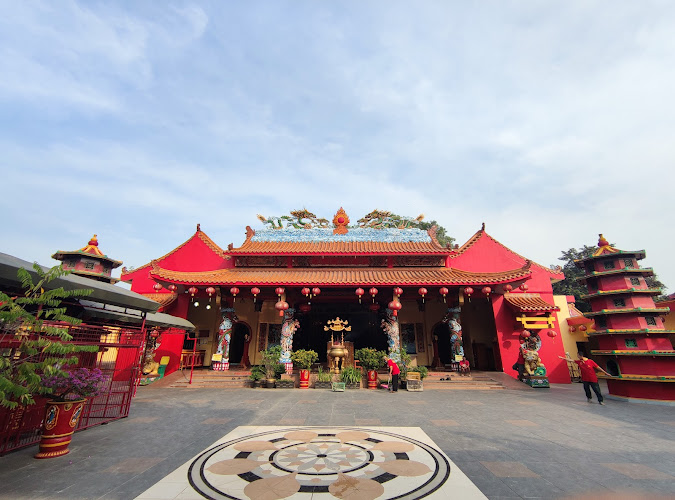
Tucked into the historic heart of Serang City, Vihara Avalokitesvara is a serene and beautifully preserved Buddhist temple that invites quiet reflection and cultural discovery. Believed to date back several centuries to the era of Sunan Gunung Jati, the vihara blends Javanese and Chinese architectural details with richly carved altars, guardian statues, and ornate rooflines. What makes it special is its dual role as an active place of worship for the local Tridharma community and as a living museum of Banten’s multi-religious heritage; friendly caretakers often welcome visitors and share stories about the vihara’s past and rituals. Strolling the shaded courtyards and fragrant incense-filled halls offers a peaceful contrast to the bustle of Serang’s streets, while the site’s age and continued use provide a tangible link to the region’s Islamic, Hindu-Buddhist and Chinese influences. Visitors should come to observe respectfully, photograph the architecture, and learn from local guides to fully appreciate the vihara’s layers of history and spirituality.

Highlights & Key Features

  • Historical architecture blending Javanese and Chinese influences
  • Active worship site with traditional Buddhist altars and statues
  • Well-maintained courtyards and landscaped gardens
  • Informal guided tours and knowledgeable local caretakers
  • Close ties to Banten’s multi-religious cultural history

Visitor Guide & Information

Description

Vihara Avalokitesvara stands as a remarkable Buddhist temple that draws visitors from across the globe, offering an authentic glimpse into Buddhist culture and spiritual practice. This sacred space serves both as an active place of worship for the local Buddhist community and as a fascinating destination for travelers seeking cultural enrichment and peaceful contemplation.

The temple honors Avalokitesvara, the bodhisattva of compassion, known in various Buddhist traditions as Kuan Yin or Guan Yin. When you step through the entrance, there’s something genuinely special about the atmosphere here—it’s not just another religious site to check off your travel list. The temple architecture showcases traditional Buddhist design elements that immediately transport you into a different realm of tranquility and spiritual significance.

What really makes this place unique is how it manages to balance being a working temple while welcoming curious travelers. I’ve visited countless religious sites during my travels, and I can tell you that finding this balance isn’t easy. Some places feel too touristy and lose their authenticity, while others make visitors feel like intruders. But Vihara Avalokitesvara gets it right, creating an environment where both devotees and travelers can coexist respectfully.

The temple grounds offer several areas for exploration, each with its own significance and beauty. You’ll find ornate statues, detailed carvings, and religious artifacts that tell stories of Buddhist teachings and traditions. The main prayer hall typically features prominent images of Avalokitesvara, often depicted with multiple arms symbolizing the deity’s ability to help many beings simultaneously.

Many visitors find themselves staying longer than planned, drawn by the peaceful ambiance and the opportunity to observe or participate in religious ceremonies. And honestly, that’s perfectly fine—there’s no rush here, and taking your time actually enhances the experience.

Key Features

The temple offers several distinctive elements that make it worth including in your travel itinerary:

  • Stunning Buddhist Architecture: The temple showcases traditional design elements with intricate details that reflect centuries of Buddhist artistic traditions. The structures themselves become a form of teaching, with every element holding symbolic meaning.
  • Accessible Facilities: The temple provides wheelchair accessible entrances and parking areas, making it possible for travelers of all mobility levels to experience this spiritual space. This thoughtful consideration for accessibility is something you don’t always find at older religious sites.
  • Active Prayer Services: Visitors can witness authentic Buddhist ceremonies and prayers, offering genuine insight into living religious practices rather than just viewing historical artifacts. The chanting and rituals create an immersive cultural experience.
  • Cultural Education: The temple serves as an informal education center where travelers can learn about Buddhist philosophy, meditation practices, and the significance of Avalokitesvara in Buddhist tradition.
  • Restroom Facilities: On-site restrooms ensure visitor comfort during extended stays, which is particularly appreciated during longer visits or meditation sessions.
  • Photography Opportunities: The architectural details, statues, and overall aesthetic of the temple provide excellent subjects for photography enthusiasts, though visitors should always respect any photography restrictions in sacred areas.
  • Peaceful Gardens: The surrounding grounds typically include areas for quiet reflection and meditation, allowing visitors to step away from the bustle of daily life.
  • Community Atmosphere: Regular attendees often create a welcoming environment where respectful visitors can ask questions and learn more about Buddhist practices firsthand.

Best Time to Visit

Timing your visit to Vihara Avalokitesvara can significantly impact your experience, though honestly, any time can be rewarding if you approach it with the right mindset.

Early mornings, particularly around sunrise, offer something magical. The temple grounds are quieter, and you might witness morning prayers or meditation sessions when the energy feels most contemplative. I’ve always found that visiting religious sites in the morning gives you a more authentic experience—you’re there when practitioners begin their day, not during peak tourist hours.

Weekdays generally see fewer crowds compared to weekends, making them ideal for travelers who prefer a more serene atmosphere. But here’s the thing: if you visit during busier times, you might actually witness more ceremonies and community gatherings, which have their own value. It’s a trade-off between solitude and cultural immersion.

Special Buddhist holidays and festivals present unique opportunities to see the temple at its most active and decorated. During these celebrations, you’ll experience traditional ceremonies, special offerings, and a palpable sense of devotion. However, be prepared for larger crowds and understand that the focus will be on worship rather than tourism. The lunar calendar determines many Buddhist observances, so checking ahead for festival dates can help with planning.

Weather considerations matter too. Visiting during cooler parts of the day or during seasons with mild temperatures makes walking the grounds more comfortable. Many Buddhist temples have areas without air conditioning, as they’re designed to remain open to the elements, so dressing appropriately for the climate is essential.

Afternoon visits work well if mornings don’t suit your schedule, though the midday heat might be intense depending on the season. Late afternoon often provides beautiful lighting for photography as the sun begins to descend.

Try to avoid visiting during private ceremonies or events unless you’ve been specifically invited. While temples are generally welcoming, respecting the community’s need for privacy during certain occasions demonstrates cultural sensitivity.

How to Get There

Getting to Vihara Avalokitesvara requires some planning, but it’s definitely manageable for independent travelers. The temple’s location makes it accessible through various transportation methods, each with its own advantages.

Driving yourself offers the most flexibility, especially if you’re planning to visit other nearby attractions on the same day. The temple provides parking facilities, including spaces designated for wheelchair users, which removes the stress of finding street parking. GPS navigation makes finding the temple straightforward—just search for the temple name and follow the directions. But be aware that traffic conditions can vary significantly depending on the time of day, so build some buffer time into your schedule.

Rideshare services like Uber or Lyft provide convenient door-to-door transportation without the hassle of parking. Drivers are generally familiar with the location since it’s a recognized attraction. This option works particularly well if you’re staying in a nearby hotel or if you’ve been exploring other sites and want a direct ride.

Public transportation might be an option depending on the local transit infrastructure. Buses often serve religious sites, but you’ll need to research specific routes and schedules beforehand. The advantage here is cost savings and the chance to experience local transportation, though it requires more time and patience.

Organized tours sometimes include Vihara Avalokitesvara in their itineraries, which solves all transportation concerns and often provides guided commentary. However, you sacrifice some freedom in timing and might feel rushed if the tour runs on a tight schedule.

If you’re staying nearby, walking or cycling could work depending on the distance and your fitness level. Some travelers enjoy the journey as part of the experience, using the time to mentally prepare for their temple visit.

Once you arrive, clear signage typically directs visitors to entrances and parking areas. The wheelchair accessible entrance ensures that everyone can navigate the space comfortably, which reflects the Buddhist values of compassion and inclusivity.

Tips for Visiting

Making the most of your visit to Vihara Avalokitesvara involves more than just showing up. Here’s what you need to know from someone who’s learned a few things about temple visiting over the years.

Dress modestly and respectfully. This isn’t the place for shorts, tank tops, or revealing clothing. Think shoulders covered, knees covered, and nothing too tight or flashy. Buddhist temples appreciate visitors who demonstrate respect through their attire, and you’ll feel more comfortable knowing you’re dressed appropriately. And yes, I learned this the hard way at another temple when I had to wrap a borrowed sarong around my shorts—not my finest moment.

Remove your shoes before entering sacred spaces. Most temples have designated areas for footwear, and following this custom shows respect for the sacred ground. Wearing socks or bringing them along can make this more comfortable, especially if floors are cold or if you’re particular about barefoot walking.

Maintain silence or speak quietly, particularly in prayer halls or during ceremonies. Your voice might seem normal to you, but in a quiet temple setting, even moderate conversation can be disruptive. This is a working place of worship first and a tourist attraction second.

Photography etiquette matters immensely. While many areas allow photography, always check for signs prohibiting cameras or ask permission first. Never photograph people praying without their explicit consent—their spiritual practice isn’t a photo opportunity for your Instagram. Flash photography is often prohibited as it can damage artifacts and disturb worshippers.

Don’t point your feet toward Buddha images or monks, as this is considered disrespectful in many Buddhist cultures. When sitting, tuck your feet to the side or underneath you. These little cultural nuances might seem unusual at first, but they’re important to the people who hold this space sacred.

Observe before participating. If you’re unsure about appropriate behavior, watch what regular worshippers do and follow their lead. Most Buddhist communities are forgiving of innocent mistakes from well-intentioned visitors, but effort to learn proper etiquette is always appreciated.

Consider making a small donation if the temple has a donation box. Operating costs for maintaining these beautiful spaces aren’t trivial, and temples often rely on contributions from visitors and devotees. Even a modest amount helps preserve the temple for future generations.

Attend ceremonies if possible, but do so respectfully. Watching monks chant or seeing devotees make offerings provides insight you can’t get from guidebooks. Just remember you’re an observer, not a participant, unless specifically invited to join.

Stay on designated paths and don’t touch artifacts or statues unless explicitly permitted. That ancient statue might look sturdy, but oils from hands can damage surfaces over time, and repeated touching adds up across thousands of visitors.

Plan for at least an hour or more if you want to properly explore the temple grounds. Rushing through defeats the purpose of visiting a space designed for contemplation and peace.

Bring water, especially during warmer months, but drink it in appropriate areas rather than in prayer halls. Staying hydrated matters, but so does maintaining the sanctity of religious spaces.

If you have questions about Buddhist practices or the temple itself, most communities are happy to educate respectful visitors. Don’t be afraid to ask, but choose appropriate moments—not during prayers or ceremonies.

Remember that your experience at Vihara Avalokitesvara depends largely on the attitude and respect you bring with you. Approach it as a learner and guest in someone else’s sacred space, and you’ll leave with meaningful memories and perhaps a bit more understanding of Buddhist compassion and mindfulness.

Community & Insider Notes

Last modified August 17, 2026

Description

Vihara Avalokitesvara stands as a remarkable Buddhist temple that draws visitors from across the globe, offering an authentic glimpse into Buddhist culture and spiritual practice. This sacred space serves both as an active place of worship for the local Buddhist community and as a fascinating destination for travelers seeking cultural enrichment and peaceful contemplation.

The temple honors Avalokitesvara, the bodhisattva of compassion, known in various Buddhist traditions as Kuan Yin or Guan Yin. When you step through the entrance, there’s something genuinely special about the atmosphere here—it’s not just another religious site to check off your travel list. The temple architecture showcases traditional Buddhist design elements that immediately transport you into a different realm of tranquility and spiritual significance.

What really makes this place unique is how it manages to balance being a working temple while welcoming curious travelers. I’ve visited countless religious sites during my travels, and I can tell you that finding this balance isn’t easy. Some places feel too touristy and lose their authenticity, while others make visitors feel like intruders. But Vihara Avalokitesvara gets it right, creating an environment where both devotees and travelers can coexist respectfully.

The temple grounds offer several areas for exploration, each with its own significance and beauty. You’ll find ornate statues, detailed carvings, and religious artifacts that tell stories of Buddhist teachings and traditions. The main prayer hall typically features prominent images of Avalokitesvara, often depicted with multiple arms symbolizing the deity’s ability to help many beings simultaneously.

Many visitors find themselves staying longer than planned, drawn by the peaceful ambiance and the opportunity to observe or participate in religious ceremonies. And honestly, that’s perfectly fine—there’s no rush here, and taking your time actually enhances the experience.

Key Features

The temple offers several distinctive elements that make it worth including in your travel itinerary:

  • Stunning Buddhist Architecture: The temple showcases traditional design elements with intricate details that reflect centuries of Buddhist artistic traditions. The structures themselves become a form of teaching, with every element holding symbolic meaning.
  • Accessible Facilities: The temple provides wheelchair accessible entrances and parking areas, making it possible for travelers of all mobility levels to experience this spiritual space. This thoughtful consideration for accessibility is something you don’t always find at older religious sites.
  • Active Prayer Services: Visitors can witness authentic Buddhist ceremonies and prayers, offering genuine insight into living religious practices rather than just viewing historical artifacts. The chanting and rituals create an immersive cultural experience.
  • Cultural Education: The temple serves as an informal education center where travelers can learn about Buddhist philosophy, meditation practices, and the significance of Avalokitesvara in Buddhist tradition.
  • Restroom Facilities: On-site restrooms ensure visitor comfort during extended stays, which is particularly appreciated during longer visits or meditation sessions.
  • Photography Opportunities: The architectural details, statues, and overall aesthetic of the temple provide excellent subjects for photography enthusiasts, though visitors should always respect any photography restrictions in sacred areas.
  • Peaceful Gardens: The surrounding grounds typically include areas for quiet reflection and meditation, allowing visitors to step away from the bustle of daily life.
  • Community Atmosphere: Regular attendees often create a welcoming environment where respectful visitors can ask questions and learn more about Buddhist practices firsthand.

Best Time to Visit

Timing your visit to Vihara Avalokitesvara can significantly impact your experience, though honestly, any time can be rewarding if you approach it with the right mindset.

Early mornings, particularly around sunrise, offer something magical. The temple grounds are quieter, and you might witness morning prayers or meditation sessions when the energy feels most contemplative. I’ve always found that visiting religious sites in the morning gives you a more authentic experience—you’re there when practitioners begin their day, not during peak tourist hours.

Weekdays generally see fewer crowds compared to weekends, making them ideal for travelers who prefer a more serene atmosphere. But here’s the thing: if you visit during busier times, you might actually witness more ceremonies and community gatherings, which have their own value. It’s a trade-off between solitude and cultural immersion.

Special Buddhist holidays and festivals present unique opportunities to see the temple at its most active and decorated. During these celebrations, you’ll experience traditional ceremonies, special offerings, and a palpable sense of devotion. However, be prepared for larger crowds and understand that the focus will be on worship rather than tourism. The lunar calendar determines many Buddhist observances, so checking ahead for festival dates can help with planning.

Weather considerations matter too. Visiting during cooler parts of the day or during seasons with mild temperatures makes walking the grounds more comfortable. Many Buddhist temples have areas without air conditioning, as they’re designed to remain open to the elements, so dressing appropriately for the climate is essential.

Afternoon visits work well if mornings don’t suit your schedule, though the midday heat might be intense depending on the season. Late afternoon often provides beautiful lighting for photography as the sun begins to descend.

Try to avoid visiting during private ceremonies or events unless you’ve been specifically invited. While temples are generally welcoming, respecting the community’s need for privacy during certain occasions demonstrates cultural sensitivity.

How to Get There

Getting to Vihara Avalokitesvara requires some planning, but it’s definitely manageable for independent travelers. The temple’s location makes it accessible through various transportation methods, each with its own advantages.

Driving yourself offers the most flexibility, especially if you’re planning to visit other nearby attractions on the same day. The temple provides parking facilities, including spaces designated for wheelchair users, which removes the stress of finding street parking. GPS navigation makes finding the temple straightforward—just search for the temple name and follow the directions. But be aware that traffic conditions can vary significantly depending on the time of day, so build some buffer time into your schedule.

Rideshare services like Uber or Lyft provide convenient door-to-door transportation without the hassle of parking. Drivers are generally familiar with the location since it’s a recognized attraction. This option works particularly well if you’re staying in a nearby hotel or if you’ve been exploring other sites and want a direct ride.

Public transportation might be an option depending on the local transit infrastructure. Buses often serve religious sites, but you’ll need to research specific routes and schedules beforehand. The advantage here is cost savings and the chance to experience local transportation, though it requires more time and patience.

Organized tours sometimes include Vihara Avalokitesvara in their itineraries, which solves all transportation concerns and often provides guided commentary. However, you sacrifice some freedom in timing and might feel rushed if the tour runs on a tight schedule.

If you’re staying nearby, walking or cycling could work depending on the distance and your fitness level. Some travelers enjoy the journey as part of the experience, using the time to mentally prepare for their temple visit.

Once you arrive, clear signage typically directs visitors to entrances and parking areas. The wheelchair accessible entrance ensures that everyone can navigate the space comfortably, which reflects the Buddhist values of compassion and inclusivity.

Tips for Visiting

Making the most of your visit to Vihara Avalokitesvara involves more than just showing up. Here’s what you need to know from someone who’s learned a few things about temple visiting over the years.

Dress modestly and respectfully. This isn’t the place for shorts, tank tops, or revealing clothing. Think shoulders covered, knees covered, and nothing too tight or flashy. Buddhist temples appreciate visitors who demonstrate respect through their attire, and you’ll feel more comfortable knowing you’re dressed appropriately. And yes, I learned this the hard way at another temple when I had to wrap a borrowed sarong around my shorts—not my finest moment.

Remove your shoes before entering sacred spaces. Most temples have designated areas for footwear, and following this custom shows respect for the sacred ground. Wearing socks or bringing them along can make this more comfortable, especially if floors are cold or if you’re particular about barefoot walking.

Maintain silence or speak quietly, particularly in prayer halls or during ceremonies. Your voice might seem normal to you, but in a quiet temple setting, even moderate conversation can be disruptive. This is a working place of worship first and a tourist attraction second.

Photography etiquette matters immensely. While many areas allow photography, always check for signs prohibiting cameras or ask permission first. Never photograph people praying without their explicit consent—their spiritual practice isn’t a photo opportunity for your Instagram. Flash photography is often prohibited as it can damage artifacts and disturb worshippers.

Don’t point your feet toward Buddha images or monks, as this is considered disrespectful in many Buddhist cultures. When sitting, tuck your feet to the side or underneath you. These little cultural nuances might seem unusual at first, but they’re important to the people who hold this space sacred.

Observe before participating. If you’re unsure about appropriate behavior, watch what regular worshippers do and follow their lead. Most Buddhist communities are forgiving of innocent mistakes from well-intentioned visitors, but effort to learn proper etiquette is always appreciated.

Consider making a small donation if the temple has a donation box. Operating costs for maintaining these beautiful spaces aren’t trivial, and temples often rely on contributions from visitors and devotees. Even a modest amount helps preserve the temple for future generations.

Attend ceremonies if possible, but do so respectfully. Watching monks chant or seeing devotees make offerings provides insight you can’t get from guidebooks. Just remember you’re an observer, not a participant, unless specifically invited to join.

Stay on designated paths and don’t touch artifacts or statues unless explicitly permitted. That ancient statue might look sturdy, but oils from hands can damage surfaces over time, and repeated touching adds up across thousands of visitors.

Plan for at least an hour or more if you want to properly explore the temple grounds. Rushing through defeats the purpose of visiting a space designed for contemplation and peace.

Bring water, especially during warmer months, but drink it in appropriate areas rather than in prayer halls. Staying hydrated matters, but so does maintaining the sanctity of religious spaces.

If you have questions about Buddhist practices or the temple itself, most communities are happy to educate respectful visitors. Don’t be afraid to ask, but choose appropriate moments—not during prayers or ceremonies.

Remember that your experience at Vihara Avalokitesvara depends largely on the attitude and respect you bring with you. Approach it as a learner and guest in someone else’s sacred space, and you’ll leave with meaningful memories and perhaps a bit more understanding of Buddhist compassion and mindfulness.

Key Highlights

  • Historical architecture blending Javanese and Chinese influences
  • Active worship site with traditional Buddhist altars and statues
  • Well-maintained courtyards and landscaped gardens
  • Informal guided tours and knowledgeable local caretakers
  • Close ties to Banten’s multi-religious cultural history

Location

Places to Stay Near Vihara Avalokitesvara

Find and Book a Tour

Explore More Travel Guides

No reviews found! Be the first to review!

Select a Rating5 Stars4 Stars3 Stars2 Stars1 Star

Vihara Avalokitesvara is a prominent attractions located in Serang City.

Visit us at: X49X+VJV, Jl. Tubagus Raya, Banten, Kec. Kasemen, Kota Serang, Banten 42191, Indonesia.

Nearby Attractions (Within 5 km)

Explore verified points of interest within walking or short transit distance.

No neighboring places mapped within 5 km yet.

Find Places to Stay Nearby

Stay22 provides this accommodation search. We may earn a commission if you book through it; verify current prices and terms with the provider.

Recommended Experiences & Activities

GetYourGuide provides this tour inventory. We may earn a commission if you book through it; verify current availability, prices, and terms with the provider.

Top Viator Experiences & Guided Tours in Serang City

We may earn a commission if you book through links on this page at no extra cost to you. All tours feature verified customer reviews and flexible cancellation options.

Traveler Reviews & Community Q&A

No traveler reviews yet. Share your experience below!

No traveler questions yet. Be the first to ask a local!

Real Journey Travels Community

Reset your password · Create an account