
Vigan Heritage Site
About Vigan Heritage Site
Description
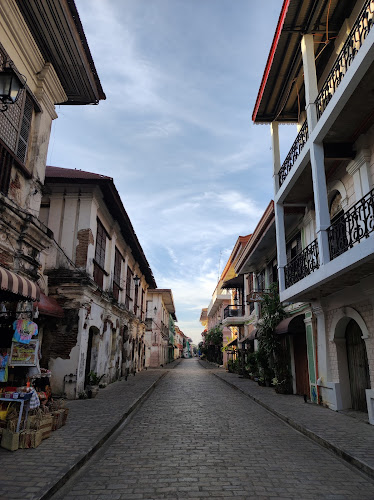
Walking through Vigan's historic streets feels like stepping into a perfectly preserved page of Philippine history. This 16th-century marvel showcases an incredible fusion of Spanish colonial grandeur, Chinese merchant influence, and indigenous Filipino craftsmanship. I remember being absolutely mesmerized by the cobblestone streets lined with those stunning ancestral homes - their massive wooden doors and capiz shell windows telling stories of centuries past. The architecture here is unlike anything else you'll find in Southeast Asia. The mansions and public buildings blend European colonial design with Oriental details, creating this unique style that's become known as "Arquitectura Mestiza." But y'know what really caught my eye? Those gorgeous sliding wooden windows and intricate metalwork that you just don't see anymore in modern buildings.Key Features
• Calle Crisologo - The crown jewel of Vigan, with its picture-perfect cobblestone street and preserved Spanish colonial houses • Ancestral Houses - Grand mansions featuring unique architectural elements like huge wooden doors, sliding capiz windows, and interior courtyards • Plaza Burgos - A charming town square where you can sample authentic Vigan empanada and other local delicacies • St. Paul's Metropolitan Cathedral - An stunning example of baroque architecture with its distinctive earthquake baroque design • Syquia Mansion - Once home to former Philippine president Elpidio Quirino, now showcasing period furniture and artifacts • Traditional Crafts - Active workshops where you can watch local artisans create burnay jars, handwoven textiles, and wood furniture • Horse-drawn Kalesas - Traditional carriages that still serve as a primary mode of transportation in the historic districtBest Time to Visit
I'd say December through February is your sweet spot for visiting Vigan. The weather's actually pretty perfect then - dry and cool, usually hovering around 75°F. Plus, the holiday season brings this magical atmosphere to the already charming streets. But honestly? I've been here during the summer months too, and while it gets pretty hot, there's something special about seeing those colonial buildings basking in the golden afternoon light. Just try to avoid the rainy season (June to September) if you can. Those beautiful cobblestone streets can get pretty slippery, and trust me, you'll want clear skies for those Instagram-worthy shots of Calle Crisologo. Early mornings and late afternoons are ideal for exploring - you'll catch the best light for photos and beat most of the tourist crowds.How to Get There
Getting to Vigan might take a bit of effort, but I promise it's totally worth it. From Manila, you've got several options. The most comfortable is taking a direct flight to Laoag International Airport, then catching a bus or van to Vigan (about 2 hours). But if you're up for an adventure like I was on my first trip, hop on one of those overnight buses from Manila - it's an 8-hour journey that'll save you some cash and get you there early morning. For those coming from other parts of Luzon, regular buses run to Vigan from major cities. Once you're in town, walking is honestly the best way to explore the heritage site. The historic district is pretty compact, and you'll want to take your time soaking in all the details anyway. And c'mon, you can't leave without taking at least one ride in those charming horse-drawn kalesas!Tips for Visiting
Let me share some insider tips I've picked up from my visits. First off, book your accommodation in advance, especially during peak season - those heritage houses that have been converted into hotels fill up fast. And speaking of hotels, splurge a little if you can to stay in one of the historic buildings. There's nothing quite like waking up in a centuries-old Spanish colonial mansion! Bring comfortable walking shoes - those cobblestones are gorgeous but can be tough on your feet. Start your day early to beat both the heat and the crowds. The light is absolutely magical for photos around 7 AM, and you'll practically have Calle Crisologo to yourself. Don't rush through your visit. Take time to chat with local shop owners and artisans - they've got amazing stories to share about the city's history. Try the local specialties like bagnet, longganisa, and empanada. I always make sure to grab some hand-woven blankets and pottery as souvenirs - they're fantastic quality and support local craftspeople. Remember to carry cash - while some larger establishments accept cards, many small shops and food vendors don't. And here's a pro tip: visit the craft workshops early in the day to watch the artisans at work. Oh, and download a map of the heritage area to your phone - the narrow streets can get a bit confusing, but that's part of the charm! Make sure to respect local customs and remember you're visiting active residences and businesses, not just a tourist attraction. Most importantly, take your time - Vigan isn't the kind of place you want to rush through. Each corner has its own story, and the best experiences often come from those unplanned moments when you're just wandering the streets, soaking in the atmosphere of this incredible piece of Philippine history.Key Features
- Key Features
- Best Time to Visit
- How to Get There
- Tips for Visiting
More Details
Updated May 20, 2025
Table of Contents
Description
Walking through Vigan’s historic streets feels like stepping into a perfectly preserved page of Philippine history. This 16th-century marvel showcases an incredible fusion of Spanish colonial grandeur, Chinese merchant influence, and indigenous Filipino craftsmanship. I remember being absolutely mesmerized by the cobblestone streets lined with those stunning ancestral homes – their massive wooden doors and capiz shell windows telling stories of centuries past.
The architecture here is unlike anything else you’ll find in Southeast Asia. The mansions and public buildings blend European colonial design with Oriental details, creating this unique style that’s become known as “Arquitectura Mestiza.” But y’know what really caught my eye? Those gorgeous sliding wooden windows and intricate metalwork that you just don’t see anymore in modern buildings.
Key Features
• Calle Crisologo – The crown jewel of Vigan, with its picture-perfect cobblestone street and preserved Spanish colonial houses
• Ancestral Houses – Grand mansions featuring unique architectural elements like huge wooden doors, sliding capiz windows, and interior courtyards
• Plaza Burgos – A charming town square where you can sample authentic Vigan empanada and other local delicacies
• St. Paul’s Metropolitan Cathedral – An stunning example of baroque architecture with its distinctive earthquake baroque design
• Syquia Mansion – Once home to former Philippine president Elpidio Quirino, now showcasing period furniture and artifacts
• Traditional Crafts – Active workshops where you can watch local artisans create burnay jars, handwoven textiles, and wood furniture
• Horse-drawn Kalesas – Traditional carriages that still serve as a primary mode of transportation in the historic district
Best Time to Visit
I’d say December through February is your sweet spot for visiting Vigan. The weather’s actually pretty perfect then – dry and cool, usually hovering around 75°F. Plus, the holiday season brings this magical atmosphere to the already charming streets. But honestly? I’ve been here during the summer months too, and while it gets pretty hot, there’s something special about seeing those colonial buildings basking in the golden afternoon light.
Just try to avoid the rainy season (June to September) if you can. Those beautiful cobblestone streets can get pretty slippery, and trust me, you’ll want clear skies for those Instagram-worthy shots of Calle Crisologo. Early mornings and late afternoons are ideal for exploring – you’ll catch the best light for photos and beat most of the tourist crowds.
How to Get There
Getting to Vigan might take a bit of effort, but I promise it’s totally worth it. From Manila, you’ve got several options. The most comfortable is taking a direct flight to Laoag International Airport, then catching a bus or van to Vigan (about 2 hours). But if you’re up for an adventure like I was on my first trip, hop on one of those overnight buses from Manila – it’s an 8-hour journey that’ll save you some cash and get you there early morning.
For those coming from other parts of Luzon, regular buses run to Vigan from major cities. Once you’re in town, walking is honestly the best way to explore the heritage site. The historic district is pretty compact, and you’ll want to take your time soaking in all the details anyway. And c’mon, you can’t leave without taking at least one ride in those charming horse-drawn kalesas!
Tips for Visiting
Let me share some insider tips I’ve picked up from my visits. First off, book your accommodation in advance, especially during peak season – those heritage houses that have been converted into hotels fill up fast. And speaking of hotels, splurge a little if you can to stay in one of the historic buildings. There’s nothing quite like waking up in a centuries-old Spanish colonial mansion!
Bring comfortable walking shoes – those cobblestones are gorgeous but can be tough on your feet. Start your day early to beat both the heat and the crowds. The light is absolutely magical for photos around 7 AM, and you’ll practically have Calle Crisologo to yourself.
Don’t rush through your visit. Take time to chat with local shop owners and artisans – they’ve got amazing stories to share about the city’s history. Try the local specialties like bagnet, longganisa, and empanada. I always make sure to grab some hand-woven blankets and pottery as souvenirs – they’re fantastic quality and support local craftspeople.
Remember to carry cash – while some larger establishments accept cards, many small shops and food vendors don’t. And here’s a pro tip: visit the craft workshops early in the day to watch the artisans at work. Oh, and download a map of the heritage area to your phone – the narrow streets can get a bit confusing, but that’s part of the charm!
Make sure to respect local customs and remember you’re visiting active residences and businesses, not just a tourist attraction. Most importantly, take your time – Vigan isn’t the kind of place you want to rush through. Each corner has its own story, and the best experiences often come from those unplanned moments when you’re just wandering the streets, soaking in the atmosphere of this incredible piece of Philippine history.
Key Highlights
- Key Features
- Best Time to Visit
- How to Get There
- Tips for Visiting
Location
Places to Stay Near Vigan Heritage Site
Find and Book a Tour
Explore More Travel Guides
No reviews found! Be the first to review!
Traveler Reviews for Vigan Heritage Site
There are no reviews yet. Be the first one to write one.
Have you visited Vigan Heritage Site? Help other travelers by sharing your review.
You Might Also Like

Plaza Salcedo (Luneta Park Musical Dancing Fountain)

Vigan Fil-Hispanic Park
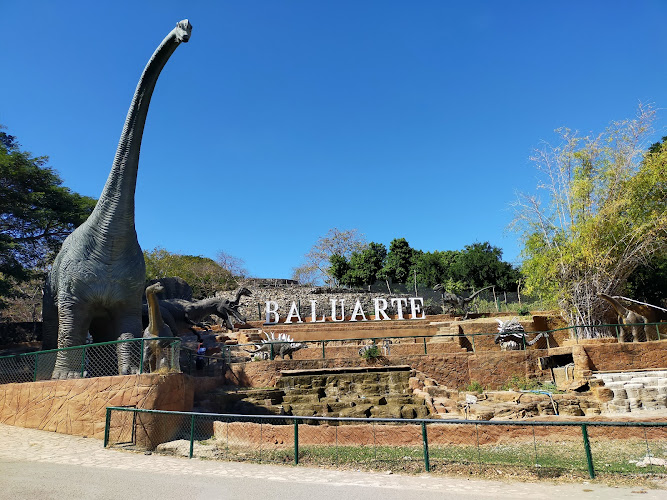
Baluarte Hills
Find Accommodations Nearby
Recommended Tours & Activities
Visitor Reviews
There are no reviews yet. Be the first one to write one.
Share Your Experience
Have you visited Vigan Heritage Site? Help other travelers by leaving a review.