
Venus de Tacarigua
About Venus de Tacarigua
Description
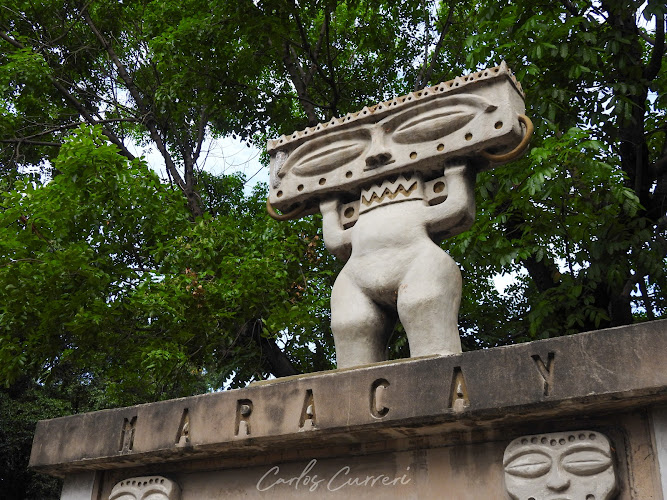
The Venus de Tacarigua is one of those places that quietly sticks with you. Not loud, not flashy. It’s a sculpture set by a lake, and yet it somehow manages to feel bigger than its physical size. Travelers often expect a quick photo stop, and then they linger. I’ve seen it happen. I did it myself. You arrive thinking you’ll be in and out in ten minutes, and then an hour later you’re still there, watching the water shift colors and wondering why this statue feels so oddly personal.
The sculpture depicts a female figure inspired by Venus, but this is not a copy-paste classical statue. It feels grounded in its setting, shaped by the local landscape and culture around the lake. The way the light hits the sculpture in the late afternoon gives it a softness that photos rarely capture. And yes, people take photos anyway, lots of them, but the real experience is standing there in person, feeling the breeze off the water and hearing the occasional bird cut through the silence.
What makes Venus de Tacarigua special for travelers is that it doesn’t scream for attention. There’s no ticket booth, no roped-off viewing area, no sense of being rushed along. You approach it on your own terms. I remember visiting on a slightly overcast day, thinking the weather would ruin the experience. Instead, the muted sky made the sculpture feel more contemplative, almost like it was part of a long, quiet conversation with the lake.
This place appeals to travelers who like meaning layered into their sightseeing. Art lovers will appreciate the form and symbolism. Nature lovers will appreciate the calm. And if you’re the type who enjoys destinations that feel discovered rather than marketed, Venus de Tacarigua fits that bill. It’s not trying to impress you. It just is.
Key Features
- Sculpture by the lake: The Venus figure is positioned so that water becomes part of the artwork, reflecting light and changing the mood throughout the day.
- Natural surroundings: Birds, gentle winds, and rippling water create an atmosphere that feels unforced and real.
- Photogenic angles: Morning and late afternoon offer dramatic shadows and reflections that photographers quietly geek out over.
- Peaceful environment: It’s not overcrowded, which means you can actually hear yourself think. Rare these days.
- Cultural symbolism: The sculpture blends classical inspiration with local identity, giving it depth beyond aesthetics.
- Accessible viewing: No barriers or complicated rules. You experience it up close, at your own pace.
One thing I noticed, and this might sound odd, is how people naturally lower their voices here. No sign tells you to be quiet, but the setting seems to ask for it. That alone tells you something about the power of the place.
Best Time to Visit
Timing matters more than people think when visiting Venus de Tacarigua. Early mornings are magical if you like cooler air and softer light. The lake often looks glassy at this hour, and the sculpture’s reflection can be almost perfectly symmetrical. If you’re a photographer, this is your window. I’m not a morning person, but I dragged myself out once, coffee in hand, and didn’t regret it.
Late afternoon is another sweet spot. As the sun lowers, warm tones wash over the sculpture and the surrounding water. This is when the Venus figure feels most alive, at least to me. The shadows lengthen, details stand out, and the entire scene slows down. You might catch locals stopping by after their day, which adds a subtle sense of shared space.
Midday visits are fine, especially if you’re short on time, but the light can be harsh and the heat less forgiving. Still, even then, the lake breeze helps. Seasonal weather plays a role too. Drier months usually mean clearer views and easier access around the lake. Rainy periods can add drama to the sky, though footing might be a bit tricky.
If you’re the kind of traveler who likes quiet reflection, aim for weekdays. Weekends see a bit more foot traffic, but nothing overwhelming. And honestly, even with a few people around, the place doesn’t lose its calm. It absorbs it, somehow.
How to Get There
Getting to Venus de Tacarigua is part of the experience. The journey isn’t complicated, but it does require a little intention. Most travelers arrive by car, which gives you the flexibility to stop, look around, and maybe explore nearby areas around the lake. Public transport can get you close, but expect to walk the final stretch. That walk is not a downside. It eases you into the setting.
The approach is scenic, with the landscape gradually opening up. You’ll know you’re close when the air starts to feel cooler and the view widens. There’s no grand entrance or dramatic signage. You sort of stumble upon it, which I personally love. It feels earned.
If you’re visiting as part of a longer trip, consider pairing Venus de Tacarigua with other lakeside or cultural stops in the region. The area rewards slow travel. Rushing through would miss the point. I learned that the hard way once, trying to cram too much into a single afternoon and ending up wishing I’d stayed longer by the sculpture instead.
Tips for Visiting
First tip, and I say this from experience: bring water and sun protection. Even though the lake breeze helps, the sun can be sneaky. Comfortable shoes are a must too, especially if you plan to wander around the water’s edge.
Second, give yourself time. This isn’t a checkbox destination. Sit down if there’s a spot to do so. Watch the light change. Let the place work on you a bit. I once spent twenty minutes just watching ripples distort the sculpture’s reflection, and it was strangely calming.
Third, be respectful of the environment. This sounds obvious, but it matters here. Don’t climb on the sculpture, don’t leave trash, and keep noise to a reasonable level. The experience depends on everyone doing their part.
Photography tip: move around. The Venus de Tacarigua looks different from every angle. Try low shots near the water, side profiles, and even stepping back to include more of the landscape. And then, after you’ve taken your photos, put the camera away. Trust me on this.
Lastly, come with an open mind. Not everyone connects with sculpture the same way, and that’s okay. But if you let yourself slow down, there’s a good chance this place will surprise you. It surprised me. And that’s really what travel is about, right? Finding those unexpected moments that stay with you long after you’ve gone home.
Key Features
- Key Features
- Best Time to Visit
- How to Get There
- Tips for Visiting
More Details
Updated January 1, 2026
Table of Contents
Description
The Venus de Tacarigua is one of those places that quietly sticks with you. Not loud, not flashy. It’s a sculpture set by a lake, and yet it somehow manages to feel bigger than its physical size. Travelers often expect a quick photo stop, and then they linger. I’ve seen it happen. I did it myself. You arrive thinking you’ll be in and out in ten minutes, and then an hour later you’re still there, watching the water shift colors and wondering why this statue feels so oddly personal.
The sculpture depicts a female figure inspired by Venus, but this is not a copy-paste classical statue. It feels grounded in its setting, shaped by the local landscape and culture around the lake. The way the light hits the sculpture in the late afternoon gives it a softness that photos rarely capture. And yes, people take photos anyway, lots of them, but the real experience is standing there in person, feeling the breeze off the water and hearing the occasional bird cut through the silence.
What makes Venus de Tacarigua special for travelers is that it doesn’t scream for attention. There’s no ticket booth, no roped-off viewing area, no sense of being rushed along. You approach it on your own terms. I remember visiting on a slightly overcast day, thinking the weather would ruin the experience. Instead, the muted sky made the sculpture feel more contemplative, almost like it was part of a long, quiet conversation with the lake.
This place appeals to travelers who like meaning layered into their sightseeing. Art lovers will appreciate the form and symbolism. Nature lovers will appreciate the calm. And if you’re the type who enjoys destinations that feel discovered rather than marketed, Venus de Tacarigua fits that bill. It’s not trying to impress you. It just is.
Key Features
- Sculpture by the lake: The Venus figure is positioned so that water becomes part of the artwork, reflecting light and changing the mood throughout the day.
- Natural surroundings: Birds, gentle winds, and rippling water create an atmosphere that feels unforced and real.
- Photogenic angles: Morning and late afternoon offer dramatic shadows and reflections that photographers quietly geek out over.
- Peaceful environment: It’s not overcrowded, which means you can actually hear yourself think. Rare these days.
- Cultural symbolism: The sculpture blends classical inspiration with local identity, giving it depth beyond aesthetics.
- Accessible viewing: No barriers or complicated rules. You experience it up close, at your own pace.
One thing I noticed, and this might sound odd, is how people naturally lower their voices here. No sign tells you to be quiet, but the setting seems to ask for it. That alone tells you something about the power of the place.
Best Time to Visit
Timing matters more than people think when visiting Venus de Tacarigua. Early mornings are magical if you like cooler air and softer light. The lake often looks glassy at this hour, and the sculpture’s reflection can be almost perfectly symmetrical. If you’re a photographer, this is your window. I’m not a morning person, but I dragged myself out once, coffee in hand, and didn’t regret it.
Late afternoon is another sweet spot. As the sun lowers, warm tones wash over the sculpture and the surrounding water. This is when the Venus figure feels most alive, at least to me. The shadows lengthen, details stand out, and the entire scene slows down. You might catch locals stopping by after their day, which adds a subtle sense of shared space.
Midday visits are fine, especially if you’re short on time, but the light can be harsh and the heat less forgiving. Still, even then, the lake breeze helps. Seasonal weather plays a role too. Drier months usually mean clearer views and easier access around the lake. Rainy periods can add drama to the sky, though footing might be a bit tricky.
If you’re the kind of traveler who likes quiet reflection, aim for weekdays. Weekends see a bit more foot traffic, but nothing overwhelming. And honestly, even with a few people around, the place doesn’t lose its calm. It absorbs it, somehow.
How to Get There
Getting to Venus de Tacarigua is part of the experience. The journey isn’t complicated, but it does require a little intention. Most travelers arrive by car, which gives you the flexibility to stop, look around, and maybe explore nearby areas around the lake. Public transport can get you close, but expect to walk the final stretch. That walk is not a downside. It eases you into the setting.
The approach is scenic, with the landscape gradually opening up. You’ll know you’re close when the air starts to feel cooler and the view widens. There’s no grand entrance or dramatic signage. You sort of stumble upon it, which I personally love. It feels earned.
If you’re visiting as part of a longer trip, consider pairing Venus de Tacarigua with other lakeside or cultural stops in the region. The area rewards slow travel. Rushing through would miss the point. I learned that the hard way once, trying to cram too much into a single afternoon and ending up wishing I’d stayed longer by the sculpture instead.
Tips for Visiting
First tip, and I say this from experience: bring water and sun protection. Even though the lake breeze helps, the sun can be sneaky. Comfortable shoes are a must too, especially if you plan to wander around the water’s edge.
Second, give yourself time. This isn’t a checkbox destination. Sit down if there’s a spot to do so. Watch the light change. Let the place work on you a bit. I once spent twenty minutes just watching ripples distort the sculpture’s reflection, and it was strangely calming.
Third, be respectful of the environment. This sounds obvious, but it matters here. Don’t climb on the sculpture, don’t leave trash, and keep noise to a reasonable level. The experience depends on everyone doing their part.
Photography tip: move around. The Venus de Tacarigua looks different from every angle. Try low shots near the water, side profiles, and even stepping back to include more of the landscape. And then, after you’ve taken your photos, put the camera away. Trust me on this.
Lastly, come with an open mind. Not everyone connects with sculpture the same way, and that’s okay. But if you let yourself slow down, there’s a good chance this place will surprise you. It surprised me. And that’s really what travel is about, right? Finding those unexpected moments that stay with you long after you’ve gone home.
Key Highlights
- Key Features
- Best Time to Visit
- How to Get There
- Tips for Visiting
Location
Places to Stay Near Venus de Tacarigua
Find and Book a Tour
Explore More Travel Guides
No reviews found! Be the first to review!
Traveler Reviews for Venus de Tacarigua
There are no reviews yet. Be the first one to write one.
Have you visited Venus de Tacarigua? Help other travelers by sharing your review.
You Might Also Like
Quemaj

Ruinas del Club Bolívar
Teatro de la Ópera
Find Accommodations Nearby
Recommended Tours & Activities
Visitor Reviews
There are no reviews yet. Be the first one to write one.
Share Your Experience
Have you visited Venus de Tacarigua? Help other travelers by leaving a review.