
Teatro de la Ópera
About Teatro de la Ópera
Description
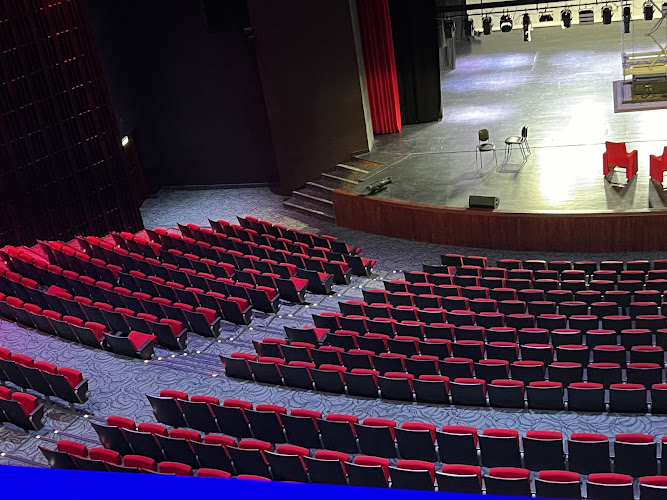
The Teatro de la Ópera stands as one of those places that quietly shapes a city’s cultural heartbeat. It is a performing arts theater where opera, classical concerts, and live stage productions unfold with a kind of seriousness that still manages to feel welcoming. From the outside, it carries that unmistakable gravitas of a historic opera house, but step inside and it softens. The lighting is warm, the acoustics are sharp in that goosebump-inducing way, and the audience—locals, tourists, students, grandparents, kids on school outings—creates a hum that feels real, not staged.
In third-person terms, the theater is known for live performances that range from traditional opera to lighter productions that appeal to newcomers. In human terms, it’s the kind of place where someone who thinks opera is “not for them” ends up leaving surprised. I’ve seen that happen. Once, I watched a couple in front of me whisper nervously before the curtain rose, clearly unsure. By intermission they were leaning forward, totally locked in. That’s the power of this space.
The Teatro de la Ópera has built a reputation for consistency more than flash. Performances are generally well-produced, singers and musicians are strong, and the technical side—lighting, sound, stage movement—rarely distracts from the art. But, and this matters, it isn’t flawless. Some seats feel tighter than modern theaters, and a few productions play it safe. That said, most visitors leave impressed, which tells you something about how well the place delivers on its promise.
Accessibility is clearly taken seriously here. Wheelchair-accessible entrances and parking areas make it easier for travelers with mobility needs, and staff are usually attentive without being intrusive. There are restrooms inside, which sounds obvious, but you’d be surprised how often that’s not handled well in older theaters. There’s no in-house restaurant, though, so plan accordingly. Personally, I kind of like that—it nudges you out into the neighborhood before or after the show, which often leads to unexpected meals and conversations.
What stands out most is how the Teatro de la Ópera balances tradition with approachability. It doesn’t dumb things down, but it doesn’t put on airs either. And that balance is exactly why travelers keep adding it to their itineraries.
Key Features
- Renowned performing arts theater focused on opera and live stage productions
- Excellent acoustics designed for unamplified voices and orchestras
- Wheelchair-accessible entrance and parking facilities
- Welcoming to families and children, including school-age visitors
- Restrooms available inside the venue
- No on-site restaurant, encouraging exploration of nearby dining options
- Atmosphere that feels formal but not intimidating
- Programming that mixes classic works with more accessible performances
Best Time to Visit
The best time to visit the Teatro de la Ópera depends on what kind of traveler you are. If you want the full, traditional opera experience—dressed-up crowds, big-name productions, that electric pre-show buzz—then the main performance season is your moment. Evenings during this period tend to sell well, and the energy in the building feels heightened. There’s something about a packed house that makes the final applause hit harder.
But if you’re like me and enjoy a bit of breathing room, shoulder-season performances can be a sweet spot. The theater is calmer, tickets are sometimes easier to get, and you can focus more on the music and staging than on navigating crowds. Matinee performances are also underrated. They’re easier on the schedule if you’re sightseeing all day, and they often attract a mix of locals and visitors who really want to be there.
Families traveling with kids might find daytime or early evening shows more manageable. The Teatro de la Ópera is generally good for children, especially when productions are shorter or visually engaging. I once sat near a group of kids who were seeing opera for the first time, and their whispered questions were honestly kind of charming. It reminded me that this place isn’t just about preserving art, but passing it on.
Weather doesn’t impact the indoor experience much, obviously, but it does affect how pleasant the surrounding area feels before and after the show. Cooler months often add to the drama of the evening—coats, lights, that sense of occasion—while warmer months make pre-show wandering more appealing. Either way, the theater itself stays steady, which is exactly what you want.
How to Get There
Getting to the Teatro de la Ópera is generally straightforward, especially for travelers staying in central areas. Public transportation is usually the easiest option, with bus or metro stops within reasonable walking distance. If you’re coming from farther out, taxis and ride-shares are reliable, though it’s smart to allow extra time on performance nights. Traffic has a way of bunching up when everyone’s aiming for the same curtain time.
For those driving, wheelchair-accessible parking is available, which is a big plus. Still, I tend to recommend public transit when possible. Not only does it reduce stress, but it also lets you soak in the city a bit more. Some of my favorite pre-theater memories involve hopping off a bus a few stops early just to walk, letting the anticipation build.
If you’re already exploring nearby attractions, the theater fits easily into a walking route. Just keep an eye on the clock. Opera houses run on punctuality, and there’s nothing worse than hearing the music start while you’re still fumbling at the door. Trust me, I’ve been that person once, and I learned my lesson fast.
Tips for Visiting
First tip, and I say this as someone who learned the hard way: arrive earlier than you think you need to. The Teatro de la Ópera isn’t chaotic, but lines for tickets, security, or restrooms can add up. Arriving 30 minutes early gives you time to settle in and actually enjoy the space instead of rushing.
Dress codes here are more flexible than the stereotype suggests. You don’t need a tux or an evening gown unless you want one. Smart casual is usually fine. And yes, you’ll see people dressed to the nines, but you’ll also see folks in neat jeans and jackets. No one’s judging. Opera audiences are too focused on the stage for that.
If you’re new to opera, don’t be shy about choosing a more accessible performance. The Teatro de la Ópera often programs shows that ease newcomers in, with clear storytelling and strong visuals. Reading a brief synopsis beforehand helps too. I used to resist that, thinking it would spoil things, but it actually made me enjoy the performance more.
Seats matter, but not as much as you might fear. The acoustics do a lot of the heavy lifting. Even from higher levels, voices carry well. Still, if legroom is important to you, aim for aisle seats when possible. Older theaters weren’t designed with modern heights in mind, and that’s just reality.
There’s no restaurant on-site, so plan meals ahead of time. This can be a blessing in disguise. Some of my best travel meals happened because I had to wander a bit before or after a show. Just make sure to leave enough time to eat without rushing. Opera plus indigestion is not a great combo.
For travelers with mobility needs, it’s worth contacting the theater staff ahead of time. The wheelchair-accessible entrance and parking make a real difference, and staff are generally helpful if they know what you need. It’s one of those small details that can turn a good visit into a smooth one.
Finally, let yourself react honestly. If a performance moves you, clap hard. If something confuses you, that’s okay. The Teatro de la Ópera isn’t about perfection; it’s about experience. And when you walk out afterward—music still echoing in your head, night air hitting your face—you’ll get why this place matters to travelers and locals alike.
Key Features
- Renowned performing arts theater focused on opera and live stage productions
- Excellent acoustics designed for unamplified voices and orchestras
- Wheelchair-accessible entrance and parking facilities
- Welcoming to families and children, including school-age visitors
- Restrooms available inside the venue
- No on-site restaurant, encouraging exploration of nearby dining options
- Atmosphere that feels formal but not intimidating
- Programming that mixes classic works with more accessible performances
More Details
Updated December 31, 2025
Table of Contents
Description
The Teatro de la Ópera stands as one of those places that quietly shapes a city’s cultural heartbeat. It is a performing arts theater where opera, classical concerts, and live stage productions unfold with a kind of seriousness that still manages to feel welcoming. From the outside, it carries that unmistakable gravitas of a historic opera house, but step inside and it softens. The lighting is warm, the acoustics are sharp in that goosebump-inducing way, and the audience—locals, tourists, students, grandparents, kids on school outings—creates a hum that feels real, not staged.
In third-person terms, the theater is known for live performances that range from traditional opera to lighter productions that appeal to newcomers. In human terms, it’s the kind of place where someone who thinks opera is “not for them” ends up leaving surprised. I’ve seen that happen. Once, I watched a couple in front of me whisper nervously before the curtain rose, clearly unsure. By intermission they were leaning forward, totally locked in. That’s the power of this space.
The Teatro de la Ópera has built a reputation for consistency more than flash. Performances are generally well-produced, singers and musicians are strong, and the technical side—lighting, sound, stage movement—rarely distracts from the art. But, and this matters, it isn’t flawless. Some seats feel tighter than modern theaters, and a few productions play it safe. That said, most visitors leave impressed, which tells you something about how well the place delivers on its promise.
Accessibility is clearly taken seriously here. Wheelchair-accessible entrances and parking areas make it easier for travelers with mobility needs, and staff are usually attentive without being intrusive. There are restrooms inside, which sounds obvious, but you’d be surprised how often that’s not handled well in older theaters. There’s no in-house restaurant, though, so plan accordingly. Personally, I kind of like that—it nudges you out into the neighborhood before or after the show, which often leads to unexpected meals and conversations.
What stands out most is how the Teatro de la Ópera balances tradition with approachability. It doesn’t dumb things down, but it doesn’t put on airs either. And that balance is exactly why travelers keep adding it to their itineraries.
Key Features
- Renowned performing arts theater focused on opera and live stage productions
- Excellent acoustics designed for unamplified voices and orchestras
- Wheelchair-accessible entrance and parking facilities
- Welcoming to families and children, including school-age visitors
- Restrooms available inside the venue
- No on-site restaurant, encouraging exploration of nearby dining options
- Atmosphere that feels formal but not intimidating
- Programming that mixes classic works with more accessible performances
Best Time to Visit
The best time to visit the Teatro de la Ópera depends on what kind of traveler you are. If you want the full, traditional opera experience—dressed-up crowds, big-name productions, that electric pre-show buzz—then the main performance season is your moment. Evenings during this period tend to sell well, and the energy in the building feels heightened. There’s something about a packed house that makes the final applause hit harder.
But if you’re like me and enjoy a bit of breathing room, shoulder-season performances can be a sweet spot. The theater is calmer, tickets are sometimes easier to get, and you can focus more on the music and staging than on navigating crowds. Matinee performances are also underrated. They’re easier on the schedule if you’re sightseeing all day, and they often attract a mix of locals and visitors who really want to be there.
Families traveling with kids might find daytime or early evening shows more manageable. The Teatro de la Ópera is generally good for children, especially when productions are shorter or visually engaging. I once sat near a group of kids who were seeing opera for the first time, and their whispered questions were honestly kind of charming. It reminded me that this place isn’t just about preserving art, but passing it on.
Weather doesn’t impact the indoor experience much, obviously, but it does affect how pleasant the surrounding area feels before and after the show. Cooler months often add to the drama of the evening—coats, lights, that sense of occasion—while warmer months make pre-show wandering more appealing. Either way, the theater itself stays steady, which is exactly what you want.
How to Get There
Getting to the Teatro de la Ópera is generally straightforward, especially for travelers staying in central areas. Public transportation is usually the easiest option, with bus or metro stops within reasonable walking distance. If you’re coming from farther out, taxis and ride-shares are reliable, though it’s smart to allow extra time on performance nights. Traffic has a way of bunching up when everyone’s aiming for the same curtain time.
For those driving, wheelchair-accessible parking is available, which is a big plus. Still, I tend to recommend public transit when possible. Not only does it reduce stress, but it also lets you soak in the city a bit more. Some of my favorite pre-theater memories involve hopping off a bus a few stops early just to walk, letting the anticipation build.
If you’re already exploring nearby attractions, the theater fits easily into a walking route. Just keep an eye on the clock. Opera houses run on punctuality, and there’s nothing worse than hearing the music start while you’re still fumbling at the door. Trust me, I’ve been that person once, and I learned my lesson fast.
Tips for Visiting
First tip, and I say this as someone who learned the hard way: arrive earlier than you think you need to. The Teatro de la Ópera isn’t chaotic, but lines for tickets, security, or restrooms can add up. Arriving 30 minutes early gives you time to settle in and actually enjoy the space instead of rushing.
Dress codes here are more flexible than the stereotype suggests. You don’t need a tux or an evening gown unless you want one. Smart casual is usually fine. And yes, you’ll see people dressed to the nines, but you’ll also see folks in neat jeans and jackets. No one’s judging. Opera audiences are too focused on the stage for that.
If you’re new to opera, don’t be shy about choosing a more accessible performance. The Teatro de la Ópera often programs shows that ease newcomers in, with clear storytelling and strong visuals. Reading a brief synopsis beforehand helps too. I used to resist that, thinking it would spoil things, but it actually made me enjoy the performance more.
Seats matter, but not as much as you might fear. The acoustics do a lot of the heavy lifting. Even from higher levels, voices carry well. Still, if legroom is important to you, aim for aisle seats when possible. Older theaters weren’t designed with modern heights in mind, and that’s just reality.
There’s no restaurant on-site, so plan meals ahead of time. This can be a blessing in disguise. Some of my best travel meals happened because I had to wander a bit before or after a show. Just make sure to leave enough time to eat without rushing. Opera plus indigestion is not a great combo.
For travelers with mobility needs, it’s worth contacting the theater staff ahead of time. The wheelchair-accessible entrance and parking make a real difference, and staff are generally helpful if they know what you need. It’s one of those small details that can turn a good visit into a smooth one.
Finally, let yourself react honestly. If a performance moves you, clap hard. If something confuses you, that’s okay. The Teatro de la Ópera isn’t about perfection; it’s about experience. And when you walk out afterward—music still echoing in your head, night air hitting your face—you’ll get why this place matters to travelers and locals alike.
Key Highlights
- Renowned performing arts theater focused on opera and live stage productions
- Excellent acoustics designed for unamplified voices and orchestras
- Wheelchair-accessible entrance and parking facilities
- Welcoming to families and children, including school-age visitors
- Restrooms available inside the venue
- No on-site restaurant, encouraging exploration of nearby dining options
- Atmosphere that feels formal but not intimidating
- Programming that mixes classic works with more accessible performances
Location
Places to Stay Near Teatro de la Ópera
Find and Book a Tour
Explore More Travel Guides
No reviews found! Be the first to review!
Traveler Reviews for Teatro de la Ópera
There are no reviews yet. Be the first one to write one.
Have you visited Teatro de la Ópera? Help other travelers by sharing your review.
You Might Also Like

Ruinas del Club Bolívar

Parque Metropolitano
Ruinas de telares Maracay
Find Accommodations Nearby
Recommended Tours & Activities
Visitor Reviews
There are no reviews yet. Be the first one to write one.
Share Your Experience
Have you visited Teatro de la Ópera? Help other travelers by leaving a review.