
VanDusen Botanical Garden
About VanDusen Botanical Garden
Description
VanDusen Botanical Garden stands as one of Vancouver's most treasured green spaces, spanning 55 acres of meticulously curated landscapes that shift with the seasons. The garden transforms throughout the year, offering visitors a constantly evolving experience that goes well beyond your typical park visit. I've always found it remarkable how a single location can feel completely different depending on when you walk through its gates - winter brings an entirely different mood than the explosion of spring blooms or the golden tones of autumn. What makes this botanical garden genuinely special is the way it balances educational horticulture with pure aesthetic beauty. You're not just looking at pretty flowers here (though there are certainly plenty of those). The garden houses plant collections from six continents, arranged in geographic and thematic sections that tell stories about global ecosystems and plant relationships. And the art installations scattered throughout add unexpected moments of discovery that keep even frequent visitors finding something new. The dining options deserve their own mention because they're far from an afterthought. The onsite restaurant provides fine dining with views that complement the carefully plated dishes, while the casual cafe serves those who want a quick coffee and pastry before continuing their exploration. Both establishments understand that food tastes better when you're surrounded by natural beauty. But here's what I really appreciate - the garden doesn't just rest on its laurels. The ever-changing nature of the space means that management continually refreshes plantings, rotates art pieces, and creates seasonal displays that give repeat visitors legitimate reasons to return. It's not the same garden you visited last year, even though the bones remain familiar.Key Features
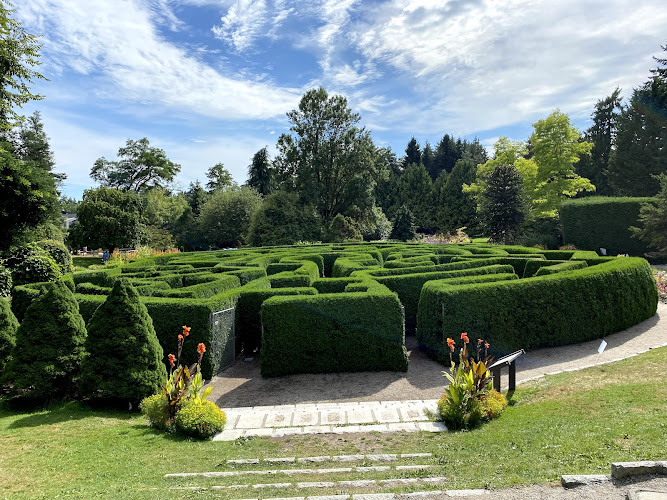
The features at VanDusen Botanical Garden extend far beyond typical garden offerings, creating experiences that cater to diverse interests and needs: • Geographic plant collections that transport you from Mediterranean hillsides to Himalayan forests without leaving Vancouver, each area designed to replicate specific climate conditions and showcase regional flora • The Elizabethan Hedge Maze which consistently draws both children and adults into its puzzle-like pathways - getting temporarily lost has never been so enjoyable • Sculpture and art installations integrated throughout the grounds that change periodically, merging contemporary art with natural settings in ways that sometimes challenge and always enhance the garden experience • Seasonal festivals and events including the famous Festival of Lights during winter months when thousands of lights transform the garden into an evening wonderland • Wheelchair accessible facilities throughout including entrances, parking, and restrooms, making the garden genuinely available to visitors with mobility considerations • The Shaughnessy Restaurant housed in a building designed to minimize environmental impact while maximizing views of the surrounding garden landscapes • Educational programs and guided tours that dive deep into plant science, sustainable gardening practices, and ecosystem management • A Korean Pavilion and garden that represents authentic traditional design principles and honors Vancouver's Korean-Canadian community • Stone Garden featuring alpine and rock-dwelling plants that thrive in conditions most other species would find impossibly harsh • Gender-neutral restrooms and modern facilities that reflect contemporary understanding of visitor needs • Picnic areas where you can settle in for lunch surrounded by seasonal blooms and mature trees • Electric vehicle charging stations onsite for environmentally conscious visitors (though they're the slower J1772 type, so plan accordingly)Best Time to Visit
Here's where things get interesting because honestly, there isn't a "wrong" time to visit VanDusen. Each season brings completely different experiences, and your ideal visit timing depends entirely on what you're hoping to see and feel. Spring (March through May) delivers the most dramatic floral displays. The rhododendrons and magnolias explode into bloom, cherry blossoms create temporary pink canopies, and bulbs carpet entire sections in waves of color. It's peak visitor season for good reason - the garden flexes its full horticultural muscles. But expect crowds, especially on weekends when the weather's decent. I'd suggest arriving right when they open if you're visiting during spring weekends. Summer (June through August) brings a different energy. The roses take center stage, the perennial borders reach their fullest expression, and the weather usually cooperates for extended outdoor exploration. Families with kids out of school increase visitor numbers, but the larger garden space absorbs crowds better than you'd think. The casual cafe becomes particularly valuable when you need a cool drink and some shade. Fall (September through November) might actually be my personal favorite, though I'm biased toward autumn colors. The garden's trees put on a spectacular show as maples, ginkgos, and other deciduous species transition through their color changes. The crowds thin considerably after Labor Day, giving you more contemplative space to wander. The light changes too - that golden afternoon glow hits differently in October. Winter (December through February) transforms the garden yet again. Most dramatically, the Festival of Lights turns evening visits into magical experiences with light installations, seasonal displays, and a completely different atmosphere than daytime visits. But even regular winter days have their charm - the structural bones of the garden become visible, evergreens take the spotlight, and witch hazels bloom when almost nothing else dares. Weather-wise, Vancouver's mild but wet climate means rain is possible any time of year. The garden provides beautiful rainy day experiences if you're prepared with appropriate clothing, and honestly, there's something special about having the paths nearly to yourself during light rain. Getting tickets in advance is recommended regardless of season, particularly for special events like the Festival of Lights which can sell out popular time slots.How to Get There
VanDusen Botanical Garden's location makes it accessible through multiple transportation methods, though each comes with its own considerations. By public transit, several bus routes service the area with stops within walking distance of the garden entrance. The routes connect to major transit hubs throughout Vancouver, making it feasible to visit without a car. Transit times vary considerably depending on your starting point, but the system generally runs reliably. Check current schedules before departing since service frequency changes between weekdays and weekends. Driving offers the most flexibility for timing your visit. The garden provides dedicated parking onsite, including accessible spaces for visitors with mobility needs. Parking does fill up during peak times - particularly spring weekends and during special events. Arriving earlier in the day typically ensures you'll find a spot without circling. The parking lot charges apply, so factor that into your budget. For environmentally conscious drivers, the garden has installed EV charging stations, specifically J1772 connectors. They're slower chargers rather than rapid ones, so you're looking at a trickle charge during your visit rather than a full battery refresh. Still, it's a nice option for topping up while you explore. Cycling represents another solid option if you're already in Vancouver and comfortable with city cycling. The garden provides bike parking, and several cycling routes pass relatively near the location. Vancouver's bike infrastructure has improved significantly in recent years, making two-wheeled approaches increasingly viable. Rideshare services and taxis work perfectly fine for drop-offs and pickups, with designated areas for vehicles to pull over safely. This option works particularly well if you're combining VanDusen with other Vancouver attractions in a single day and don't want to deal with moving your car multiple times. Walking from nearby neighborhoods is absolutely possible if you're staying locally. The surrounding area features pleasant residential streets that make the approach part of the overall experience rather than just a means to an end.Tips for Visiting
After considering both the practical realities and the experiential aspects of VanDusen, here are insights that'll help make your visit smoother and more rewarding. Timing your arrival for opening time (particularly during popular seasons) gives you the garden at its quietest and the light at its best for photography. The morning atmosphere differs noticeably from afternoon energy - both have value, but early visits feel more contemplative. Comfortable walking shoes aren't just recommended, they're essential. You'll cover significant distance on varied terrain including gravel paths, slight inclines, and occasional uneven surfaces. Those cute sandals will betray you halfway through your visit. The weather in Vancouver can shift quickly, so layered clothing serves you better than committing to a single outfit choice. A light rain jacket stays useful even when forecasts look clear - microclimates and unexpected showers are part of the Vancouver experience. Bring water and snacks even though food is available onsite. The cafe and restaurant provide good options, but having your own supplies gives you flexibility to stop whenever and wherever you want without backtracking to food locations. Photography equipment deserves consideration, but don't let it dominate your experience. I've watched visitors spend entire visits looking through viewfinders rather than actually seeing the garden with their own eyes. Capture memories, but also create them by being present. The garden map available at entrance (and usually posted throughout the grounds) actually helps, especially for first-time visitors. The space is large enough that wandering randomly works fine if you have unlimited time, but strategic planning ensures you hit highlights that matter to you. Accessibility features are genuinely functional rather than token gestures. Wheelchairs and mobility devices can navigate the majority of the garden, though some areas present more challenges than others. Staff can provide specific routing suggestions if you have particular accessibility needs. Credit cards, debit cards, and mobile payments all work for admission and purchases, so there's no need to carry significant cash. The payment infrastructure is modern and reliable. For families, the garden genuinely works for kids despite being a more structured environment than a playground. The maze provides obvious entertainment, but many children also enjoy the scavenger hunt aspects of finding specific plants or sculptures. That said, it requires more parental engagement than spaces where kids can just run wild. Special events require separate tickets often, even if you have general admission passes or memberships. Check the calendar before visiting if you're hoping to catch specific festivals or programs. The Festival of Lights during winter operates differently than regular hours - it's an evening event with timed entry tickets that sell out. Book those well in advance if you're visiting Vancouver during the holiday season and want this experience. Plan for spending 2-4 hours depending on your pace and interest level. Rushing through in an hour misses the point, but you also don't need an entire day unless you're a serious plant enthusiast or planning to include dining as part of the experience. The fine dining restaurant requires reservations for meals, while the casual cafe operates first-come, first-served. Both offer quality that exceeds typical attraction food service.Key Features
- 55-acre curated botanical collections with over 7,500 plant species
- Elizabethan hedge maze and family-friendly paths
- Themed gardens including Japanese, Mediterranean and alpine sections
- Seasonal events such as Sakura Days Japan Fair and winter light installations
- On-site café, Shaughnessy Restaurant, and a garden shop
More Details
Updated March 30, 2026
Table of Contents
Description
VanDusen Botanical Garden stands as one of Vancouver’s most treasured green spaces, spanning 55 acres of meticulously curated landscapes that shift with the seasons. The garden transforms throughout the year, offering visitors a constantly evolving experience that goes well beyond your typical park visit. I’ve always found it remarkable how a single location can feel completely different depending on when you walk through its gates – winter brings an entirely different mood than the explosion of spring blooms or the golden tones of autumn.
What makes this botanical garden genuinely special is the way it balances educational horticulture with pure aesthetic beauty. You’re not just looking at pretty flowers here (though there are certainly plenty of those). The garden houses plant collections from six continents, arranged in geographic and thematic sections that tell stories about global ecosystems and plant relationships. And the art installations scattered throughout add unexpected moments of discovery that keep even frequent visitors finding something new.
The dining options deserve their own mention because they’re far from an afterthought. The onsite restaurant provides fine dining with views that complement the carefully plated dishes, while the casual cafe serves those who want a quick coffee and pastry before continuing their exploration. Both establishments understand that food tastes better when you’re surrounded by natural beauty.
But here’s what I really appreciate – the garden doesn’t just rest on its laurels. The ever-changing nature of the space means that management continually refreshes plantings, rotates art pieces, and creates seasonal displays that give repeat visitors legitimate reasons to return. It’s not the same garden you visited last year, even though the bones remain familiar.
Key Features
The features at VanDusen Botanical Garden extend far beyond typical garden offerings, creating experiences that cater to diverse interests and needs:
• Geographic plant collections that transport you from Mediterranean hillsides to Himalayan forests without leaving Vancouver, each area designed to replicate specific climate conditions and showcase regional flora
• The Elizabethan Hedge Maze which consistently draws both children and adults into its puzzle-like pathways – getting temporarily lost has never been so enjoyable
• Sculpture and art installations integrated throughout the grounds that change periodically, merging contemporary art with natural settings in ways that sometimes challenge and always enhance the garden experience
• Seasonal festivals and events including the famous Festival of Lights during winter months when thousands of lights transform the garden into an evening wonderland
• Wheelchair accessible facilities throughout including entrances, parking, and restrooms, making the garden genuinely available to visitors with mobility considerations
• The Shaughnessy Restaurant housed in a building designed to minimize environmental impact while maximizing views of the surrounding garden landscapes
• Educational programs and guided tours that dive deep into plant science, sustainable gardening practices, and ecosystem management
• A Korean Pavilion and garden that represents authentic traditional design principles and honors Vancouver’s Korean-Canadian community
• Stone Garden featuring alpine and rock-dwelling plants that thrive in conditions most other species would find impossibly harsh
• Gender-neutral restrooms and modern facilities that reflect contemporary understanding of visitor needs
• Picnic areas where you can settle in for lunch surrounded by seasonal blooms and mature trees
• Electric vehicle charging stations onsite for environmentally conscious visitors (though they’re the slower J1772 type, so plan accordingly)
Best Time to Visit
Here’s where things get interesting because honestly, there isn’t a “wrong” time to visit VanDusen. Each season brings completely different experiences, and your ideal visit timing depends entirely on what you’re hoping to see and feel.
Spring (March through May) delivers the most dramatic floral displays. The rhododendrons and magnolias explode into bloom, cherry blossoms create temporary pink canopies, and bulbs carpet entire sections in waves of color. It’s peak visitor season for good reason – the garden flexes its full horticultural muscles. But expect crowds, especially on weekends when the weather’s decent. I’d suggest arriving right when they open if you’re visiting during spring weekends.
Summer (June through August) brings a different energy. The roses take center stage, the perennial borders reach their fullest expression, and the weather usually cooperates for extended outdoor exploration. Families with kids out of school increase visitor numbers, but the larger garden space absorbs crowds better than you’d think. The casual cafe becomes particularly valuable when you need a cool drink and some shade.
Fall (September through November) might actually be my personal favorite, though I’m biased toward autumn colors. The garden’s trees put on a spectacular show as maples, ginkgos, and other deciduous species transition through their color changes. The crowds thin considerably after Labor Day, giving you more contemplative space to wander. The light changes too – that golden afternoon glow hits differently in October.
Winter (December through February) transforms the garden yet again. Most dramatically, the Festival of Lights turns evening visits into magical experiences with light installations, seasonal displays, and a completely different atmosphere than daytime visits. But even regular winter days have their charm – the structural bones of the garden become visible, evergreens take the spotlight, and witch hazels bloom when almost nothing else dares.
Weather-wise, Vancouver’s mild but wet climate means rain is possible any time of year. The garden provides beautiful rainy day experiences if you’re prepared with appropriate clothing, and honestly, there’s something special about having the paths nearly to yourself during light rain.
Getting tickets in advance is recommended regardless of season, particularly for special events like the Festival of Lights which can sell out popular time slots.
How to Get There
VanDusen Botanical Garden’s location makes it accessible through multiple transportation methods, though each comes with its own considerations.
By public transit, several bus routes service the area with stops within walking distance of the garden entrance. The routes connect to major transit hubs throughout Vancouver, making it feasible to visit without a car. Transit times vary considerably depending on your starting point, but the system generally runs reliably. Check current schedules before departing since service frequency changes between weekdays and weekends.
Driving offers the most flexibility for timing your visit. The garden provides dedicated parking onsite, including accessible spaces for visitors with mobility needs. Parking does fill up during peak times – particularly spring weekends and during special events. Arriving earlier in the day typically ensures you’ll find a spot without circling. The parking lot charges apply, so factor that into your budget.
For environmentally conscious drivers, the garden has installed EV charging stations, specifically J1772 connectors. They’re slower chargers rather than rapid ones, so you’re looking at a trickle charge during your visit rather than a full battery refresh. Still, it’s a nice option for topping up while you explore.
Cycling represents another solid option if you’re already in Vancouver and comfortable with city cycling. The garden provides bike parking, and several cycling routes pass relatively near the location. Vancouver’s bike infrastructure has improved significantly in recent years, making two-wheeled approaches increasingly viable.
Rideshare services and taxis work perfectly fine for drop-offs and pickups, with designated areas for vehicles to pull over safely. This option works particularly well if you’re combining VanDusen with other Vancouver attractions in a single day and don’t want to deal with moving your car multiple times.
Walking from nearby neighborhoods is absolutely possible if you’re staying locally. The surrounding area features pleasant residential streets that make the approach part of the overall experience rather than just a means to an end.
Tips for Visiting
After considering both the practical realities and the experiential aspects of VanDusen, here are insights that’ll help make your visit smoother and more rewarding.
Timing your arrival for opening time (particularly during popular seasons) gives you the garden at its quietest and the light at its best for photography. The morning atmosphere differs noticeably from afternoon energy – both have value, but early visits feel more contemplative.
Comfortable walking shoes aren’t just recommended, they’re essential. You’ll cover significant distance on varied terrain including gravel paths, slight inclines, and occasional uneven surfaces. Those cute sandals will betray you halfway through your visit.
The weather in Vancouver can shift quickly, so layered clothing serves you better than committing to a single outfit choice. A light rain jacket stays useful even when forecasts look clear – microclimates and unexpected showers are part of the Vancouver experience.
Bring water and snacks even though food is available onsite. The cafe and restaurant provide good options, but having your own supplies gives you flexibility to stop whenever and wherever you want without backtracking to food locations.
Photography equipment deserves consideration, but don’t let it dominate your experience. I’ve watched visitors spend entire visits looking through viewfinders rather than actually seeing the garden with their own eyes. Capture memories, but also create them by being present.
The garden map available at entrance (and usually posted throughout the grounds) actually helps, especially for first-time visitors. The space is large enough that wandering randomly works fine if you have unlimited time, but strategic planning ensures you hit highlights that matter to you.
Accessibility features are genuinely functional rather than token gestures. Wheelchairs and mobility devices can navigate the majority of the garden, though some areas present more challenges than others. Staff can provide specific routing suggestions if you have particular accessibility needs.
Credit cards, debit cards, and mobile payments all work for admission and purchases, so there’s no need to carry significant cash. The payment infrastructure is modern and reliable.
For families, the garden genuinely works for kids despite being a more structured environment than a playground. The maze provides obvious entertainment, but many children also enjoy the scavenger hunt aspects of finding specific plants or sculptures. That said, it requires more parental engagement than spaces where kids can just run wild.
Special events require separate tickets often, even if you have general admission passes or memberships. Check the calendar before visiting if you’re hoping to catch specific festivals or programs.
The Festival of Lights during winter operates differently than regular hours – it’s an evening event with timed entry tickets that sell out. Book those well in advance if you’re visiting Vancouver during the holiday season and want this experience.
Plan for spending 2-4 hours depending on your pace and interest level. Rushing through in an hour misses the point, but you also don’t need an entire day unless you’re a serious plant enthusiast or planning to include dining as part of the experience.
The fine dining restaurant requires reservations for meals, while the casual cafe operates first-come, first-served. Both offer quality that exceeds typical attraction food service.
Key Highlights
- 55-acre curated botanical collections with over 7,500 plant species
- Elizabethan hedge maze and family-friendly paths
- Themed gardens including Japanese, Mediterranean and alpine sections
- Seasonal events such as Sakura Days Japan Fair and winter light installations
- On-site café, Shaughnessy Restaurant, and a garden shop
Location
Places to Stay Near VanDusen Botanical Garden
Find and Book a Tour
Explore More Travel Guides
No reviews found! Be the first to review!
VanDusen Botanical Garden is a prominent attractions located in Vancouver.
Visit us at: 5251 Oak St, Vancouver, BC V6M 4H1加拿大.
Traveler Reviews for VanDusen Botanical Garden
There are no reviews yet. Be the first one to write one.
Have you visited VanDusen Botanical Garden? Help other travelers by sharing your review.
Nearby Attractions
You Might Also Like
Museum of Vancouver

Stanley Park Rose Garden

Queen Elizabeth Park
Find Accommodations Nearby
Recommended Tours & Activities
Visitor Reviews
There are no reviews yet. Be the first one to write one.
Share Your Experience
Have you visited VanDusen Botanical Garden? Help other travelers by leaving a review.