

Valladolid
About Valladolid
Description
Valladolid is the kind of place that creeps up on you. At first glance, it looks like another historic Spanish city with grand churches and quiet plazas, but spend a little time wandering its cobbled streets and you’ll realize it’s got layers upon layers of stories. This city, tucked in the heart of Castile and León, has seen kings crowned, explorers buried, and artists inspired. It’s where Christopher Columbus took his last breath, where Spanish royalty once lived, and where the Gothic and Renaissance eras left their fingerprints on every stone façade.
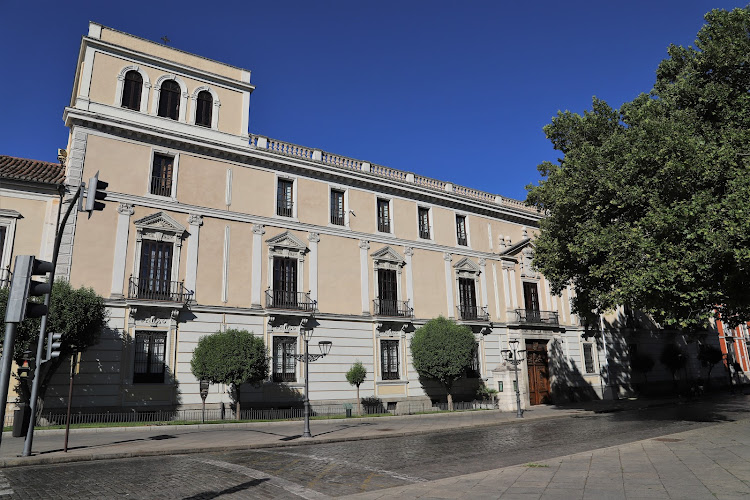
Walking through Valladolid feels like flipping through a centuries-old scrapbook. The San Pablo Church, with its intricate Gothic façade, is one of those buildings that makes you stop mid-step. You can almost imagine the monks and nobles who passed through its doors 600 years ago. Just around the corner, the Royal Palace stands as a reminder of when Valladolid was Spain’s capital for a short but significant time in the early 1600s. And if you’re into art or sculpture, the National Sculpture Museum is a must. It’s not just a museum—it’s a time capsule filled with wood-carved masterpieces that seem almost alive.
But Valladolid isn’t just about the past. It’s a university city, and that means energy—cafés buzzing with students, bars spilling onto the sidewalks, and a nightlife that surprises you for a city this size. The locals are proud of their traditions, but they also know how to enjoy life. You’ll find that balance everywhere—from the old taverns serving tapas and local wines to the modern art galleries tucked between centuries-old buildings. And if you like wine (who doesn’t?), you’re in the right place. Valladolid sits at the crossroads of some of Spain’s best wine regions—Ribera del Duero, Rueda, and Toro. I once spent an afternoon hopping between wine bars here, and honestly, I still dream about that silky Tempranillo I tried near Plaza Mayor.
Speaking of Plaza Mayor, it’s the heart of the city and one of the first of its kind in Spain. It’s big, symmetrical, and surrounded by elegant red-brick buildings. You’ll find locals chatting over coffee, kids chasing pigeons, and the occasional street musician adding a soundtrack to the scene. It’s the kind of place where you can sit for hours and just watch life unfold. And that’s exactly what Valladolid invites you to do—slow down, look closer, and savor the details.
Key Features
- Historic Architecture: Home to Gothic, Renaissance, and Baroque masterpieces like the San Pablo Church and the Royal Palace.
- Art and Museums: The National Sculpture Museum and the Christopher Columbus Museum offer deep dives into Spanish history and creativity.
- Wine Culture: Surrounded by top-tier wine regions—Ribera del Duero, Rueda, and Toro—perfect for tastings and vineyard tours.
- Plaza Mayor: One of Spain’s earliest main squares, a lively hub for dining, people-watching, and local events.
- Local Gastronomy: Known for hearty Castilian dishes like roast lamb and lechazo, paired beautifully with local wines.
- Festivals: Hosts the International Film Week (SEMINCI) and Holy Week processions that blend solemnity with artistry.
- University Atmosphere: A youthful energy from its large student population keeps the city dynamic and welcoming.
Best Time to Visit
Timing your trip to Valladolid can make all the difference. Spring (April to June) is arguably the best time—the weather is mild, the gardens are in bloom, and the city feels alive without being crowded. The Holy Week processions, declared of International Tourist Interest, are something to witness at least once. The artistry of the floats and the solemnity of the parades leave a lasting impression.
Summer can get pretty warm, especially in July and August, but that’s also when Valladolid’s nightlife really comes alive. Terraces stay open late, and the scent of grilled food fills the air. Autumn, though—now that’s my personal favorite. The grape harvest season brings a special magic, and the nearby vineyards are at their most beautiful. Winter is quieter, but if you like crisp air, fewer tourists, and cozy taverns, it’s a great time to experience the city’s quieter charm.
How to Get There
Getting to Valladolid is easier than you might think. It’s about a two-hour train ride from Madrid on the high-speed AVE line, which makes it a perfect weekend escape. If you’re driving, the A-6 and A-62 highways connect Valladolid with major Spanish cities. The city also has its own airport—Valladolid Airport (VLL)—with domestic and some international flights, though most visitors find it simpler to fly into Madrid and take the train.
Once you’re in the city, you won’t really need a car. Valladolid is compact and walkable, and the public transport system is efficient. I remember renting a bike one afternoon and just cruising along the Pisuerga River—it was such a peaceful way to see another side of the city. Taxis are easy to find, and if you’re feeling adventurous, the city’s e-scooters are a fun way to zip around.
Tips for Visiting
Here’s the thing about Valladolid—it rewards curiosity. So don’t just stick to the main sights. Wander down the side streets, peek into courtyards, and talk to locals. They’re proud of their city and usually happy to share a story or two. And if you’re a foodie, plan your meals carefully. Many restaurants close between lunch and dinner, so that mid-afternoon hunger can catch you off guard. Tapas bars, though, are your best friend—try hopping between a few in the evening, and you’ll get a taste of Valladolid’s social life.
If you’re into photography, bring extra memory cards. The light here, especially around sunset, is something else. The warm tones bouncing off the sandstone buildings make for stunning shots. Also, wear comfortable shoes—those charming cobblestones can be tricky after a few hours of exploring.
One more tip: take a day trip if you can. The surrounding region is dotted with castles, vineyards, and small towns that feel frozen in time. Peñafiel, with its hilltop castle and wine museum, is less than an hour away and absolutely worth it. And if you’re a history buff, Medina del Campo offers another glimpse into Spain’s royal past.
At the end of the day, Valladolid isn’t about checking off a list of attractions—it’s about soaking in the atmosphere. It’s about sitting in a sun-drenched plaza with a glass of wine, watching the world go by, and realizing that you’ve stumbled upon a city that still feels authentic. It’s a place that doesn’t try too hard to impress, yet somehow, it does. And that’s exactly why travelers who come here often end up staying longer than they planned.
Key Features
- Key Features
- Best Time to Visit
- How to Get There
- Tips for Visiting
More Details
Updated November 9, 2025
Table of Contents
Description
Valladolid is the kind of place that creeps up on you. At first glance, it looks like another historic Spanish city with grand churches and quiet plazas, but spend a little time wandering its cobbled streets and you’ll realize it’s got layers upon layers of stories. This city, tucked in the heart of Castile and León, has seen kings crowned, explorers buried, and artists inspired. It’s where Christopher Columbus took his last breath, where Spanish royalty once lived, and where the Gothic and Renaissance eras left their fingerprints on every stone façade.
Walking through Valladolid feels like flipping through a centuries-old scrapbook. The San Pablo Church, with its intricate Gothic façade, is one of those buildings that makes you stop mid-step. You can almost imagine the monks and nobles who passed through its doors 600 years ago. Just around the corner, the Royal Palace stands as a reminder of when Valladolid was Spain’s capital for a short but significant time in the early 1600s. And if you’re into art or sculpture, the National Sculpture Museum is a must. It’s not just a museum—it’s a time capsule filled with wood-carved masterpieces that seem almost alive.
But Valladolid isn’t just about the past. It’s a university city, and that means energy—cafés buzzing with students, bars spilling onto the sidewalks, and a nightlife that surprises you for a city this size. The locals are proud of their traditions, but they also know how to enjoy life. You’ll find that balance everywhere—from the old taverns serving tapas and local wines to the modern art galleries tucked between centuries-old buildings. And if you like wine (who doesn’t?), you’re in the right place. Valladolid sits at the crossroads of some of Spain’s best wine regions—Ribera del Duero, Rueda, and Toro. I once spent an afternoon hopping between wine bars here, and honestly, I still dream about that silky Tempranillo I tried near Plaza Mayor.
Speaking of Plaza Mayor, it’s the heart of the city and one of the first of its kind in Spain. It’s big, symmetrical, and surrounded by elegant red-brick buildings. You’ll find locals chatting over coffee, kids chasing pigeons, and the occasional street musician adding a soundtrack to the scene. It’s the kind of place where you can sit for hours and just watch life unfold. And that’s exactly what Valladolid invites you to do—slow down, look closer, and savor the details.
Key Features
- Historic Architecture: Home to Gothic, Renaissance, and Baroque masterpieces like the San Pablo Church and the Royal Palace.
- Art and Museums: The National Sculpture Museum and the Christopher Columbus Museum offer deep dives into Spanish history and creativity.
- Wine Culture: Surrounded by top-tier wine regions—Ribera del Duero, Rueda, and Toro—perfect for tastings and vineyard tours.
- Plaza Mayor: One of Spain’s earliest main squares, a lively hub for dining, people-watching, and local events.
- Local Gastronomy: Known for hearty Castilian dishes like roast lamb and lechazo, paired beautifully with local wines.
- Festivals: Hosts the International Film Week (SEMINCI) and Holy Week processions that blend solemnity with artistry.
- University Atmosphere: A youthful energy from its large student population keeps the city dynamic and welcoming.
Best Time to Visit
Timing your trip to Valladolid can make all the difference. Spring (April to June) is arguably the best time—the weather is mild, the gardens are in bloom, and the city feels alive without being crowded. The Holy Week processions, declared of International Tourist Interest, are something to witness at least once. The artistry of the floats and the solemnity of the parades leave a lasting impression.
Summer can get pretty warm, especially in July and August, but that’s also when Valladolid’s nightlife really comes alive. Terraces stay open late, and the scent of grilled food fills the air. Autumn, though—now that’s my personal favorite. The grape harvest season brings a special magic, and the nearby vineyards are at their most beautiful. Winter is quieter, but if you like crisp air, fewer tourists, and cozy taverns, it’s a great time to experience the city’s quieter charm.
How to Get There
Getting to Valladolid is easier than you might think. It’s about a two-hour train ride from Madrid on the high-speed AVE line, which makes it a perfect weekend escape. If you’re driving, the A-6 and A-62 highways connect Valladolid with major Spanish cities. The city also has its own airport—Valladolid Airport (VLL)—with domestic and some international flights, though most visitors find it simpler to fly into Madrid and take the train.
Once you’re in the city, you won’t really need a car. Valladolid is compact and walkable, and the public transport system is efficient. I remember renting a bike one afternoon and just cruising along the Pisuerga River—it was such a peaceful way to see another side of the city. Taxis are easy to find, and if you’re feeling adventurous, the city’s e-scooters are a fun way to zip around.
Tips for Visiting
Here’s the thing about Valladolid—it rewards curiosity. So don’t just stick to the main sights. Wander down the side streets, peek into courtyards, and talk to locals. They’re proud of their city and usually happy to share a story or two. And if you’re a foodie, plan your meals carefully. Many restaurants close between lunch and dinner, so that mid-afternoon hunger can catch you off guard. Tapas bars, though, are your best friend—try hopping between a few in the evening, and you’ll get a taste of Valladolid’s social life.
If you’re into photography, bring extra memory cards. The light here, especially around sunset, is something else. The warm tones bouncing off the sandstone buildings make for stunning shots. Also, wear comfortable shoes—those charming cobblestones can be tricky after a few hours of exploring.
One more tip: take a day trip if you can. The surrounding region is dotted with castles, vineyards, and small towns that feel frozen in time. Peñafiel, with its hilltop castle and wine museum, is less than an hour away and absolutely worth it. And if you’re a history buff, Medina del Campo offers another glimpse into Spain’s royal past.
At the end of the day, Valladolid isn’t about checking off a list of attractions—it’s about soaking in the atmosphere. It’s about sitting in a sun-drenched plaza with a glass of wine, watching the world go by, and realizing that you’ve stumbled upon a city that still feels authentic. It’s a place that doesn’t try too hard to impress, yet somehow, it does. And that’s exactly why travelers who come here often end up staying longer than they planned.
Key Highlights
- Key Features
- Best Time to Visit
- How to Get There
- Tips for Visiting
Location
Places to Stay Near Valladolid
Find and Book a Tour
Explore More Travel Guides
No reviews found! Be the first to review!
Traveler Reviews for Valladolid
There are no reviews yet. Be the first one to write one.
Have you visited Valladolid? Help other travelers by sharing your review.
You Might Also Like
Royal Palace
Iglesia De San Benito

Museo San Roque
Find Accommodations Nearby
Recommended Tours & Activities
Visitor Reviews
There are no reviews yet. Be the first one to write one.
Share Your Experience
Have you visited Valladolid? Help other travelers by leaving a review.