
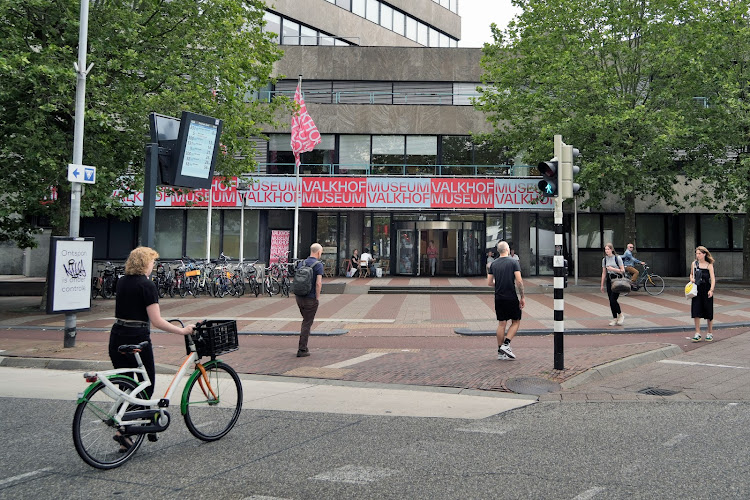
Valkhof Museum
About Valkhof Museum
Description
The Valkhof Museum in Nijmegen, Netherlands sits beside an actual Roman site and wears its history on its sleeve. It is an archaeological and art museum rolled into one, where fragments of ancient Rome share gallery space with thought-provoking modern art. Visitors will find excavated artifacts—coins, pottery, jewellery, bits of everyday life from nearly two millennia ago—displayed alongside contemporary paintings, sculptures, and installations. The building itself frames views of the Valkhof park and the Waal river, which adds a quiet, reflective backdrop to the exhibits.
The museum’s layout is deliberately approachable: archaeology on one hand, contemporary visual arts on the other, and thematic rooms that bridge the two. This gives the place a layered feel. Someone can walk from a Roman burial case right into a gallery of modern work and, strangely enough, the juxtaposition often reveals more about both than separate visits would. It’s the sort of place that rewards curiosity: linger by a small glass case holding a worn coin and you might find yourself thinking about trade routes; step into a modern installation and you’ll suddenly feel the continuity of human stories across time.
Accessibility is built into the experience. There is a wheelchair-accessible entrance, parking, and restrooms, which matter more than people think—especially for travelers who have been on their feet all day. Restrooms are available inside (no on-site restaurant), and the museum staff are used to helping families with strollers or visitors who need a slower pace through the galleries.
The Valkhof Museum is not a theme-park version of history. It’s modest, often contemplative, and serious about provenance. A fair warning: some exhibits are subtle, and an artefact that looks like a little lump of pottery might be described as having enormous cultural significance. That’s okay—this museum rewards the patient. And yes, on busy days it can feel a bit like a local hangout; there’s a steady mix of families with kids, older visitors poring over labels, and students scribbling notes. The atmosphere leans friendly and low-key rather than theatrical.
For visitors interested in Roman history specifically, the Valkhof site gives a direct, tangible connection to the period. The archaeological collection complements the visible ruins nearby, so visitors can trace the parts they see outside back to the objects and evidence inside. For art lovers, temporary exhibitions are often more experimental and occasionally surprising. The museum’s programming can include anything from local artists to international contemporary shows, so it’s worth checking what’s on during a visit—though visitors should remember there is no restaurant; snacks or a café break need to be planned off-site.
Key Features
- Extensive archaeological collection with Roman-era finds from the Nijmegen area, including coins, ceramics, jewelry, and funerary objects.
- Permanent and rotating modern art exhibitions that create engaging dialogues with historical objects.
- Direct adjacency to an important Roman site and Valkhof park, offering outdoor exploration opportunities after the galleries.
- Wheelchair accessible facilities: entrance, parking, and restrooms are all accessible.
- Family-friendly displays and interactive elements designed with children in mind, good for school groups and curious kids.
- Multilingual exhibit labels and occasional guided tours or audio guides (availability varies seasonally).
- Calm, reflective gallery atmosphere—better for thoughtful viewing than fast-paced ticking-off of highlights.
- Temporary exhibitions often spotlight Dutch and international contemporary artists, making each visit potentially different.
- Nearby riverside views and picnic-friendly green space for after-visit relaxation or sketching sessions.
- Located in the historic heart of Nijmegen, convenient to city center sights and public transport options.
Best Time to Visit
The Valkhof Museum works well most of the year, but timing can shape the experience. Late spring through early autumn (May to September) is particularly pleasant: daylight lingers, the adjacent park is green and inviting, and the riverbanks beckon for a post-museum stroll. That said, shoulder seasons like April and October often offer quieter galleries, which translates into a slower, more intimate encounter with objects. For those who dislike crowds, weekday mornings—shortly after opening—are the sweet spot. Weekends and local holidays draw families and school groups, which is nice in its own way but makes the galleries busier.
If someone is keen on seeing a specific temporary exhibition, check the museum’s calendar in advance. Exhibitions sometimes coincide with city-wide cultural events in Nijmegen, and that can be an opportunity to combine a museum visit with concerts, talks, or outdoor activities nearby. In winter, the museum has a cozier feel; the contrast between cold riverside walks and the warm quiet of the galleries can be a neat, contemplative experience. Don’t expect a restaurant inside, though—pack a thermos or plan for a warm cafe nearby after the visit.
Average visit time varies. A focused visitor can cover the primary archaeology exhibits and a modern art gallery in 90 to 120 minutes. Art lovers or families who linger at interactive stations may stay three hours. So, allocate at least two hours to avoid rushing. And if the weather is agreeable, add spare time to sit in the park and watch river traffic—small pleasures but they complete the visit.
How to Get There
The Valkhof Museum is easy to reach from Nijmegen’s main transport hubs. From the central train station, it’s a short walk or a brief bus ride—most visitors find walking pleasant because it takes them through central streets, past shops, cafés, and alongside the Waal river. The route is well-signed for pedestrians, and on a sunny day it’s a lovely introduction to the city. Drivers should follow city signage for central Nijmegen; accessible parking is available near the museum, but spaces can fill up on busy days. Since there is no museum restaurant, drivers often combine a museum stop with nearby eateries afterward.
Public transport options are reliable. Local buses connect the station and other parts of the city to stops within comfortable walking distance of the museum. Taxis are easy to catch at the station as well and are a handy choice for travelers with mobility needs. Bicycle travelers will find the city bike-friendly—bike parking is available close by and cycling along the river to the museum is a satisfying route. For international travelers, Nijmegen is well-situated in the eastern Netherlands, and day-trips from cities like Arnhem or even from across the German border are common.
For those who prefer guided arrival, a number of walking tours include the Valkhof Museum as a stop; these are a good way to learn local history en route. The museum entrance is accessible and clearly marked; staff outside (when present) are generally happy to answer quick questions about ticket availability and exhibit highlights.
Tips for Visiting
Plan ahead but leave room for wandering. The Valkhof Museum’s displays reward unhurried attention, and some of the most interesting stories come from reading labels slowly and letting a small object trigger curiosity. Here are practical tips that often come from local guides and from visitors who return with the sort of hindsight that helps other travelers.
- Buy tickets on arrival or check if advance booking is available during special exhibitions. Advance purchase can save time during busy weeks, but spontaneous visits are often fine outside peak tourist days.
- Allow at least 90 minutes. Two hours is safer if there’s a special exhibition on; three if traveling with kids who like to touch and explore the family-friendly areas.
- There is no restaurant inside—pack snacks or plan a stop at a nearby café. The park is a lovely spot for a picnic when the weather allows. Bring a water bottle; hydration matters after walking through galleries.
- Wheelchair users will find accessible entrance, parking, and restrooms, but calling ahead for specific assistance can make the visit smoother, especially on very busy days.
- Families: the museum welcomes children, and some exhibits are designed for younger audiences. Still, bring small comforts (snack, quiet activity) for little ones; museums can be intense for kids after about an hour and a half.
- Photography rules can vary—flash is usually prohibited near delicate artefacts. If photography is important, check signs or ask staff. Instagram-style shots of the river view from outside are, however, a sure thing.
- Combine the visit with a short walk around the Valkhof park and the riverfront. The archaeological remains outside and the scenic views help contextualize what’s inside the museum.
- Ask about guided tours or audio guides. They can be short but enlightening, especially for Roman-period exhibits where context flips details from “old object” to “living culture.”
- Mind the labels. Some of the museum’s best delights are small fragments with long stories—reading the descriptions enriches the experience more than hovering by the big, obvious highlights.
- Keep an eye on rotating exhibits. Even repeat visitors find new things often, because temporary shows shift the museum’s focus and invite new conversations between past and present.
Visitors who appreciate quieter, thoughtful museum experiences tend to come away most satisfied. The Valkhof Museum doesn’t shout for attention; it whispers. Yet, for those willing to lean in, the whispers reveal histories and contemporary insights that linger longer than a quick selfie in front of a display. The museum is well-suited for travelers who like to connect what they see in museums with what they can experience outside—on a walk through the park, along the river, or around Nijmegen’s historic streets. And if the author of this piece had to pick one simple pleasure from a visit: sitting on a bench in the park after the museum, turning over a small coin in the mind that was once currency for real people on these very streets. That’s a little thing, but it stays with you.
Key Features
- Significant Roman and regional archaeological collection (including Roman helmets and artifacts)
- Curated mix of ancient, medieval and modern/contemporary art (Pop Art and Expressionism)
- Location next to Valkhof Park and historic castle site with river views
- Compact, well-signposted galleries ideal for a focused visit
- Educational exhibits and periodic temporary exhibitions and family activities
More Details
Updated August 30, 2025
Table of Contents
Description
The Valkhof Museum in Nijmegen, Netherlands sits beside an actual Roman site and wears its history on its sleeve. It is an archaeological and art museum rolled into one, where fragments of ancient Rome share gallery space with thought-provoking modern art. Visitors will find excavated artifacts—coins, pottery, jewellery, bits of everyday life from nearly two millennia ago—displayed alongside contemporary paintings, sculptures, and installations. The building itself frames views of the Valkhof park and the Waal river, which adds a quiet, reflective backdrop to the exhibits.
The museum’s layout is deliberately approachable: archaeology on one hand, contemporary visual arts on the other, and thematic rooms that bridge the two. This gives the place a layered feel. Someone can walk from a Roman burial case right into a gallery of modern work and, strangely enough, the juxtaposition often reveals more about both than separate visits would. It’s the sort of place that rewards curiosity: linger by a small glass case holding a worn coin and you might find yourself thinking about trade routes; step into a modern installation and you’ll suddenly feel the continuity of human stories across time.
Accessibility is built into the experience. There is a wheelchair-accessible entrance, parking, and restrooms, which matter more than people think—especially for travelers who have been on their feet all day. Restrooms are available inside (no on-site restaurant), and the museum staff are used to helping families with strollers or visitors who need a slower pace through the galleries.
The Valkhof Museum is not a theme-park version of history. It’s modest, often contemplative, and serious about provenance. A fair warning: some exhibits are subtle, and an artefact that looks like a little lump of pottery might be described as having enormous cultural significance. That’s okay—this museum rewards the patient. And yes, on busy days it can feel a bit like a local hangout; there’s a steady mix of families with kids, older visitors poring over labels, and students scribbling notes. The atmosphere leans friendly and low-key rather than theatrical.
For visitors interested in Roman history specifically, the Valkhof site gives a direct, tangible connection to the period. The archaeological collection complements the visible ruins nearby, so visitors can trace the parts they see outside back to the objects and evidence inside. For art lovers, temporary exhibitions are often more experimental and occasionally surprising. The museum’s programming can include anything from local artists to international contemporary shows, so it’s worth checking what’s on during a visit—though visitors should remember there is no restaurant; snacks or a café break need to be planned off-site.
Key Features
- Extensive archaeological collection with Roman-era finds from the Nijmegen area, including coins, ceramics, jewelry, and funerary objects.
- Permanent and rotating modern art exhibitions that create engaging dialogues with historical objects.
- Direct adjacency to an important Roman site and Valkhof park, offering outdoor exploration opportunities after the galleries.
- Wheelchair accessible facilities: entrance, parking, and restrooms are all accessible.
- Family-friendly displays and interactive elements designed with children in mind, good for school groups and curious kids.
- Multilingual exhibit labels and occasional guided tours or audio guides (availability varies seasonally).
- Calm, reflective gallery atmosphere—better for thoughtful viewing than fast-paced ticking-off of highlights.
- Temporary exhibitions often spotlight Dutch and international contemporary artists, making each visit potentially different.
- Nearby riverside views and picnic-friendly green space for after-visit relaxation or sketching sessions.
- Located in the historic heart of Nijmegen, convenient to city center sights and public transport options.
Best Time to Visit
The Valkhof Museum works well most of the year, but timing can shape the experience. Late spring through early autumn (May to September) is particularly pleasant: daylight lingers, the adjacent park is green and inviting, and the riverbanks beckon for a post-museum stroll. That said, shoulder seasons like April and October often offer quieter galleries, which translates into a slower, more intimate encounter with objects. For those who dislike crowds, weekday mornings—shortly after opening—are the sweet spot. Weekends and local holidays draw families and school groups, which is nice in its own way but makes the galleries busier.
If someone is keen on seeing a specific temporary exhibition, check the museum’s calendar in advance. Exhibitions sometimes coincide with city-wide cultural events in Nijmegen, and that can be an opportunity to combine a museum visit with concerts, talks, or outdoor activities nearby. In winter, the museum has a cozier feel; the contrast between cold riverside walks and the warm quiet of the galleries can be a neat, contemplative experience. Don’t expect a restaurant inside, though—pack a thermos or plan for a warm cafe nearby after the visit.
Average visit time varies. A focused visitor can cover the primary archaeology exhibits and a modern art gallery in 90 to 120 minutes. Art lovers or families who linger at interactive stations may stay three hours. So, allocate at least two hours to avoid rushing. And if the weather is agreeable, add spare time to sit in the park and watch river traffic—small pleasures but they complete the visit.
How to Get There
The Valkhof Museum is easy to reach from Nijmegen’s main transport hubs. From the central train station, it’s a short walk or a brief bus ride—most visitors find walking pleasant because it takes them through central streets, past shops, cafés, and alongside the Waal river. The route is well-signed for pedestrians, and on a sunny day it’s a lovely introduction to the city. Drivers should follow city signage for central Nijmegen; accessible parking is available near the museum, but spaces can fill up on busy days. Since there is no museum restaurant, drivers often combine a museum stop with nearby eateries afterward.
Public transport options are reliable. Local buses connect the station and other parts of the city to stops within comfortable walking distance of the museum. Taxis are easy to catch at the station as well and are a handy choice for travelers with mobility needs. Bicycle travelers will find the city bike-friendly—bike parking is available close by and cycling along the river to the museum is a satisfying route. For international travelers, Nijmegen is well-situated in the eastern Netherlands, and day-trips from cities like Arnhem or even from across the German border are common.
For those who prefer guided arrival, a number of walking tours include the Valkhof Museum as a stop; these are a good way to learn local history en route. The museum entrance is accessible and clearly marked; staff outside (when present) are generally happy to answer quick questions about ticket availability and exhibit highlights.
Tips for Visiting
Plan ahead but leave room for wandering. The Valkhof Museum’s displays reward unhurried attention, and some of the most interesting stories come from reading labels slowly and letting a small object trigger curiosity. Here are practical tips that often come from local guides and from visitors who return with the sort of hindsight that helps other travelers.
- Buy tickets on arrival or check if advance booking is available during special exhibitions. Advance purchase can save time during busy weeks, but spontaneous visits are often fine outside peak tourist days.
- Allow at least 90 minutes. Two hours is safer if there’s a special exhibition on; three if traveling with kids who like to touch and explore the family-friendly areas.
- There is no restaurant inside—pack snacks or plan a stop at a nearby café. The park is a lovely spot for a picnic when the weather allows. Bring a water bottle; hydration matters after walking through galleries.
- Wheelchair users will find accessible entrance, parking, and restrooms, but calling ahead for specific assistance can make the visit smoother, especially on very busy days.
- Families: the museum welcomes children, and some exhibits are designed for younger audiences. Still, bring small comforts (snack, quiet activity) for little ones; museums can be intense for kids after about an hour and a half.
- Photography rules can vary—flash is usually prohibited near delicate artefacts. If photography is important, check signs or ask staff. Instagram-style shots of the river view from outside are, however, a sure thing.
- Combine the visit with a short walk around the Valkhof park and the riverfront. The archaeological remains outside and the scenic views help contextualize what’s inside the museum.
- Ask about guided tours or audio guides. They can be short but enlightening, especially for Roman-period exhibits where context flips details from “old object” to “living culture.”
- Mind the labels. Some of the museum’s best delights are small fragments with long stories—reading the descriptions enriches the experience more than hovering by the big, obvious highlights.
- Keep an eye on rotating exhibits. Even repeat visitors find new things often, because temporary shows shift the museum’s focus and invite new conversations between past and present.
Visitors who appreciate quieter, thoughtful museum experiences tend to come away most satisfied. The Valkhof Museum doesn’t shout for attention; it whispers. Yet, for those willing to lean in, the whispers reveal histories and contemporary insights that linger longer than a quick selfie in front of a display. The museum is well-suited for travelers who like to connect what they see in museums with what they can experience outside—on a walk through the park, along the river, or around Nijmegen’s historic streets. And if the author of this piece had to pick one simple pleasure from a visit: sitting on a bench in the park after the museum, turning over a small coin in the mind that was once currency for real people on these very streets. That’s a little thing, but it stays with you.
Key Highlights
- Significant Roman and regional archaeological collection (including Roman helmets and artifacts)
- Curated mix of ancient, medieval and modern/contemporary art (Pop Art and Expressionism)
- Location next to Valkhof Park and historic castle site with river views
- Compact, well-signposted galleries ideal for a focused visit
- Educational exhibits and periodic temporary exhibitions and family activities
Location
Places to Stay Near Valkhof Museum
Find and Book a Tour
Explore More Travel Guides
No reviews found! Be the first to review!
Traveler Reviews for Valkhof Museum
There are no reviews yet. Be the first one to write one.
Have you visited Valkhof Museum? Help other travelers by sharing your review.
Nearby Attractions
You Might Also Like

Nationaal Fietsmuseum Velorama
De Bastei

Kronenburgerpark
Find Accommodations Nearby
Recommended Tours & Activities
Visitor Reviews
There are no reviews yet. Be the first one to write one.
Share Your Experience
Have you visited Valkhof Museum? Help other travelers by leaving a review.