

Nationaal Fietsmuseum Velorama
About Nationaal Fietsmuseum Velorama
Description
The Nationaal Fietsmuseum Velorama in Nijmegen is a museum that quietly insists visitors pay attention to wheels, mechanics, and the odd human story that comes wrapped up with a bicycle. It showcases a very large collection of bicycles, with a particular focus on historic machines from before 1900, and a trove of memorabilia—everything from brass-era lamps to leather saddlebags and hand-painted shop signs. The displays feel less like sterile exhibits and more like the attic of a passionate collector who also happens to be a great storyteller.
The tone inside is personal. Creaky wooden floors, glass cases with brass clasps, and bicycles that look like they belong in an old photograph create atmosphere. And yes, there are penny-farthings (you will stare), velocipedes (you will probably laugh), and early safety bicycles that foreshadowed what most of us ride today. Memorabilia and ephemera—posters, catalogs, tools, riders’ gear—give context to each machine, showing not just how a bike worked, but how it fit into daily life a century ago. For anyone curious about technology, design, or social history, Velorama offers a compelling narrative told through two wheels.
This museum is more than dusty relics. It has a lively, practical attitude: onsite services are available; there’s a place to rest and refuel; and children are welcomed. However, visitors should note practical limitations: the building does not offer a wheelchair-accessible entrance or wheelchair-accessible parking, which can be a significant issue for visitors with mobility needs. The staff generally try to help where they can, but the historic structure and narrow staircases mean full accessibility is limited.
One small confession from the writer: the first time visiting Velorama, the penny-farthing gave them a minor panic—how on earth the rider mounted that thing? Then they found an old instructional photo in a display and laughed at the elegant, awkward procedure. These little moments—bits of surprise, practical explanations, and quirky objects—are where Velorama shines. It’s a museum for people who like to linger, read plaque text, and imagine the rattle of an old chain and the smell of oil in a 19th-century workshop.
Key Features
- Comprehensive collection of historic bicycles with emphasis on pre-1900 machines, including velocipedes, penny-farthings, and early safety bicycles
- Extensive memorabilia: posters, catalogs, tools, apparel, and cycling paraphernalia that contextualize each era
- Hands-on, interpretive displays that appeal to both enthusiasts and casual visitors—interpretation is practical and story-driven
- Onsite services available—museum staff provide assistance and information during opening hours
- Restaurant on site so visitors can take a longer visit without hunting for a meal elsewhere
- Restroom facilities available inside the museum
- Family-friendly environment: good for kids with interactive and visually engaging items (but adult supervision advised for fragile exhibits)
- Limited accessibility: no wheelchair-accessible entrance and no wheelchair-accessible parking, which is important to plan for in advance
- Photogenic displays—great for photography enthusiasts looking for vintage detail shots (respect exhibit rules)
Best Time to Visit
Timing a visit to Velorama depends on what the visitor wants. Spring and early autumn are excellent because the light along the river and the surrounding city is forgiving, and outdoor cycling in Nijmegen is especially pleasant. Weekdays, particularly mornings, tend to be quieter—ideal for people who like to read every label and linger over the oldest machines. Weekend afternoons can get busier, especially when school groups or cycling clubs pop in, so if peace is sought, avoid Saturdays between 11:00 and 15:00.
If someone is planning a family day, warmer months make combining the museum with a bike ride along the river an attractive plan. That said, Velorama holds its charm year-round: rainy days can make the cozy interior feel even better, turning the museum into a perfect shelter where hours pass quickly as you move from exhibit to exhibit. For photographers, low winter light can add drama to the brass and patina of the old bikes—just bring a small tripod if allowed, and check the museum’s photography rules first.
How to Get There
The museum sits close enough to Nijmegen’s central area that getting there is straightforward by multiple means. For travelers staying in or near the city center, walking is often the easiest option; a riverside stroll adds a pleasant prelude to the museum experience and helps put the displays in local context. For those who prefer wheels, cycling to the museum is perfectly sensible—after all, where better to arrive by bike?
Public transport also serves the area well. Buses from Nijmegen’s transport hubs stop a short walk away; the last stretch usually involves crossing or following a riverside promenade. If arriving by car, expect limited and sometimes non-ideal parking; the museum’s location close to the water and older parts of the city means on-street parking may be tighter than at suburban attractions. Also remember the museum does not offer wheelchair-accessible parking, so plan accordingly if mobility needs are a concern.
One practical tip: use a navigation app or the city’s transport planner to time connections. The museum’s riverside position is easy to spot once nearby, thanks to a distinctive façade and bicycles visible through windows. But if someone prefers low-stress travel, taking a short taxi from the station avoids parking hassles and gets them dropped near the entrance—good for families with small children or those carrying bulky bags.
Tips for Visiting
Here are a few practical and somewhat opinionated pointers from the writer—useful, tried-and-true stuff learned on repeat visits.
- Buy tickets early in the day if you can. Not because the museum sells out, but because mornings are quieter and you’ll get staff attention for questions (they’re friendly and helpful).
- Allow at least 90–120 minutes. This isn’t a rush-through place—reading labels, peering into cases, and taking photos takes time. If you’re a cycling nerd, plan for longer.
- Take advantage of the onsite restaurant. It’s convenient and saves walking back into the center for food. The café vibe complements the museum: cozy, slightly retro, and practical.
- Watch your step and your bag straps. Historic displays are often behind low barriers; leaning in for a closer look can be tempting, but don’t. Fragile machines are fragile for a reason.
- Families: bring small activities for kids. The museum is kid-friendly, but younger children might lose interest after a bit. A short scavenger-hunt list (spot a penny-farthing, count leather saddles, find a brass lamp) keeps little ones engaged.
- Accessibility heads-up: the building isn’t fully wheelchair accessible. If mobility is a concern, contact the museum ahead of time to discuss what assistance they can provide. Don’t assume step-free access.
- If you love details, look beyond the bicycles. Labels, old catalogs, and tools reveal social history—why people cycled, how shops marketed bikes, and how cycling culture evolved.
- Combine your visit with a riverside walk or a short ride. The museum’s riverside location is an asset; pairing it with outdoor time makes for a satisfying day.
- Photography: check the museum’s rules. Many visitors take photos, but flash and tripods may be restricted. Close-ups of brass fittings and textured leather make lovely shots—if permitted, try a shallow depth of field for that museum-magazine look.
- Ask questions. Museum staff and volunteers usually love to chat about favorite pieces or provide context that isn’t on the labels. A five-minute conversation can transform an exhibit into a story you’ll remember for years.
- Mind the weather for children and older visitors. If combining with a bike ride, have waterproofs and a light layer; the Netherlands’ weather changes fast.
Velorama is one of those rare cultural spots that rewards curiosity. Whether someone comes for the engineering, the fashion of cycling through the ages, or just a pleasant indoor diversion, the museum offers a layered visit: visually interesting, historically informative, and occasionally surprising. The writer recommends going with a flexible schedule, an appetite for small details, and, if possible, a friend who enjoys pointing out oddball design choices from a century ago. That shared little moment—like how a tiny change in frame geometry made a huge difference to comfort—often becomes the highlight of a tour.
Finally, for readers wondering if a brief detour is worth it: yes. For anyone intrigued by bikes, the Nationaal Fietsmuseum Velorama is not a gimmick. It’s a serious, affectionate tribute to an invention that quietly shaped modern life. And if the writer’s anecdote means anything: leave room for the unexpected. The museum has a way of turning a casual interest in two wheels into a real appreciation of how people moved, worked, and played over the last 150-odd years.
Key Features
- Comprehensive collection of historic bicycles with emphasis on pre-1900 machines, including velocipedes, penny-farthings, and early safety bicycles
- Extensive memorabilia: posters, catalogs, tools, apparel, and cycling paraphernalia that contextualize each era
- Hands-on, interpretive displays that appeal to both enthusiasts and casual visitors—interpretation is practical and story-driven
- Onsite services available—museum staff provide assistance and information during opening hours
- Restaurant on site so visitors can take a longer visit without hunting for a meal elsewhere
- Restroom facilities available inside the museum
- Family-friendly environment: good for kids with interactive and visually engaging items (but adult supervision advised for fragile exhibits)
- Limited accessibility: no wheelchair-accessible entrance and no wheelchair-accessible parking, which is important to plan for in advance
More Details
Updated August 30, 2025
Table of Contents
Description
The Nationaal Fietsmuseum Velorama in Nijmegen is a museum that quietly insists visitors pay attention to wheels, mechanics, and the odd human story that comes wrapped up with a bicycle. It showcases a very large collection of bicycles, with a particular focus on historic machines from before 1900, and a trove of memorabilia—everything from brass-era lamps to leather saddlebags and hand-painted shop signs. The displays feel less like sterile exhibits and more like the attic of a passionate collector who also happens to be a great storyteller.
The tone inside is personal. Creaky wooden floors, glass cases with brass clasps, and bicycles that look like they belong in an old photograph create atmosphere. And yes, there are penny-farthings (you will stare), velocipedes (you will probably laugh), and early safety bicycles that foreshadowed what most of us ride today. Memorabilia and ephemera—posters, catalogs, tools, riders’ gear—give context to each machine, showing not just how a bike worked, but how it fit into daily life a century ago. For anyone curious about technology, design, or social history, Velorama offers a compelling narrative told through two wheels.
This museum is more than dusty relics. It has a lively, practical attitude: onsite services are available; there’s a place to rest and refuel; and children are welcomed. However, visitors should note practical limitations: the building does not offer a wheelchair-accessible entrance or wheelchair-accessible parking, which can be a significant issue for visitors with mobility needs. The staff generally try to help where they can, but the historic structure and narrow staircases mean full accessibility is limited.
One small confession from the writer: the first time visiting Velorama, the penny-farthing gave them a minor panic—how on earth the rider mounted that thing? Then they found an old instructional photo in a display and laughed at the elegant, awkward procedure. These little moments—bits of surprise, practical explanations, and quirky objects—are where Velorama shines. It’s a museum for people who like to linger, read plaque text, and imagine the rattle of an old chain and the smell of oil in a 19th-century workshop.
Key Features
- Comprehensive collection of historic bicycles with emphasis on pre-1900 machines, including velocipedes, penny-farthings, and early safety bicycles
- Extensive memorabilia: posters, catalogs, tools, apparel, and cycling paraphernalia that contextualize each era
- Hands-on, interpretive displays that appeal to both enthusiasts and casual visitors—interpretation is practical and story-driven
- Onsite services available—museum staff provide assistance and information during opening hours
- Restaurant on site so visitors can take a longer visit without hunting for a meal elsewhere
- Restroom facilities available inside the museum
- Family-friendly environment: good for kids with interactive and visually engaging items (but adult supervision advised for fragile exhibits)
- Limited accessibility: no wheelchair-accessible entrance and no wheelchair-accessible parking, which is important to plan for in advance
- Photogenic displays—great for photography enthusiasts looking for vintage detail shots (respect exhibit rules)
Best Time to Visit
Timing a visit to Velorama depends on what the visitor wants. Spring and early autumn are excellent because the light along the river and the surrounding city is forgiving, and outdoor cycling in Nijmegen is especially pleasant. Weekdays, particularly mornings, tend to be quieter—ideal for people who like to read every label and linger over the oldest machines. Weekend afternoons can get busier, especially when school groups or cycling clubs pop in, so if peace is sought, avoid Saturdays between 11:00 and 15:00.
If someone is planning a family day, warmer months make combining the museum with a bike ride along the river an attractive plan. That said, Velorama holds its charm year-round: rainy days can make the cozy interior feel even better, turning the museum into a perfect shelter where hours pass quickly as you move from exhibit to exhibit. For photographers, low winter light can add drama to the brass and patina of the old bikes—just bring a small tripod if allowed, and check the museum’s photography rules first.
How to Get There
The museum sits close enough to Nijmegen’s central area that getting there is straightforward by multiple means. For travelers staying in or near the city center, walking is often the easiest option; a riverside stroll adds a pleasant prelude to the museum experience and helps put the displays in local context. For those who prefer wheels, cycling to the museum is perfectly sensible—after all, where better to arrive by bike?
Public transport also serves the area well. Buses from Nijmegen’s transport hubs stop a short walk away; the last stretch usually involves crossing or following a riverside promenade. If arriving by car, expect limited and sometimes non-ideal parking; the museum’s location close to the water and older parts of the city means on-street parking may be tighter than at suburban attractions. Also remember the museum does not offer wheelchair-accessible parking, so plan accordingly if mobility needs are a concern.
One practical tip: use a navigation app or the city’s transport planner to time connections. The museum’s riverside position is easy to spot once nearby, thanks to a distinctive façade and bicycles visible through windows. But if someone prefers low-stress travel, taking a short taxi from the station avoids parking hassles and gets them dropped near the entrance—good for families with small children or those carrying bulky bags.
Tips for Visiting
Here are a few practical and somewhat opinionated pointers from the writer—useful, tried-and-true stuff learned on repeat visits.
- Buy tickets early in the day if you can. Not because the museum sells out, but because mornings are quieter and you’ll get staff attention for questions (they’re friendly and helpful).
- Allow at least 90–120 minutes. This isn’t a rush-through place—reading labels, peering into cases, and taking photos takes time. If you’re a cycling nerd, plan for longer.
- Take advantage of the onsite restaurant. It’s convenient and saves walking back into the center for food. The café vibe complements the museum: cozy, slightly retro, and practical.
- Watch your step and your bag straps. Historic displays are often behind low barriers; leaning in for a closer look can be tempting, but don’t. Fragile machines are fragile for a reason.
- Families: bring small activities for kids. The museum is kid-friendly, but younger children might lose interest after a bit. A short scavenger-hunt list (spot a penny-farthing, count leather saddles, find a brass lamp) keeps little ones engaged.
- Accessibility heads-up: the building isn’t fully wheelchair accessible. If mobility is a concern, contact the museum ahead of time to discuss what assistance they can provide. Don’t assume step-free access.
- If you love details, look beyond the bicycles. Labels, old catalogs, and tools reveal social history—why people cycled, how shops marketed bikes, and how cycling culture evolved.
- Combine your visit with a riverside walk or a short ride. The museum’s riverside location is an asset; pairing it with outdoor time makes for a satisfying day.
- Photography: check the museum’s rules. Many visitors take photos, but flash and tripods may be restricted. Close-ups of brass fittings and textured leather make lovely shots—if permitted, try a shallow depth of field for that museum-magazine look.
- Ask questions. Museum staff and volunteers usually love to chat about favorite pieces or provide context that isn’t on the labels. A five-minute conversation can transform an exhibit into a story you’ll remember for years.
- Mind the weather for children and older visitors. If combining with a bike ride, have waterproofs and a light layer; the Netherlands’ weather changes fast.
Velorama is one of those rare cultural spots that rewards curiosity. Whether someone comes for the engineering, the fashion of cycling through the ages, or just a pleasant indoor diversion, the museum offers a layered visit: visually interesting, historically informative, and occasionally surprising. The writer recommends going with a flexible schedule, an appetite for small details, and, if possible, a friend who enjoys pointing out oddball design choices from a century ago. That shared little moment—like how a tiny change in frame geometry made a huge difference to comfort—often becomes the highlight of a tour.
Finally, for readers wondering if a brief detour is worth it: yes. For anyone intrigued by bikes, the Nationaal Fietsmuseum Velorama is not a gimmick. It’s a serious, affectionate tribute to an invention that quietly shaped modern life. And if the writer’s anecdote means anything: leave room for the unexpected. The museum has a way of turning a casual interest in two wheels into a real appreciation of how people moved, worked, and played over the last 150-odd years.
Key Highlights
- Comprehensive collection of historic bicycles with emphasis on pre-1900 machines, including velocipedes, penny-farthings, and early safety bicycles
- Extensive memorabilia: posters, catalogs, tools, apparel, and cycling paraphernalia that contextualize each era
- Hands-on, interpretive displays that appeal to both enthusiasts and casual visitors—interpretation is practical and story-driven
- Onsite services available—museum staff provide assistance and information during opening hours
- Restaurant on site so visitors can take a longer visit without hunting for a meal elsewhere
- Restroom facilities available inside the museum
- Family-friendly environment: good for kids with interactive and visually engaging items (but adult supervision advised for fragile exhibits)
- Limited accessibility: no wheelchair-accessible entrance and no wheelchair-accessible parking, which is important to plan for in advance
Location
Places to Stay Near Nationaal Fietsmuseum Velorama
Find and Book a Tour
Explore More Travel Guides
No reviews found! Be the first to review!
Traveler Reviews for Nationaal Fietsmuseum Velorama
There are no reviews yet. Be the first one to write one.
Have you visited Nationaal Fietsmuseum Velorama? Help other travelers by sharing your review.
You Might Also Like
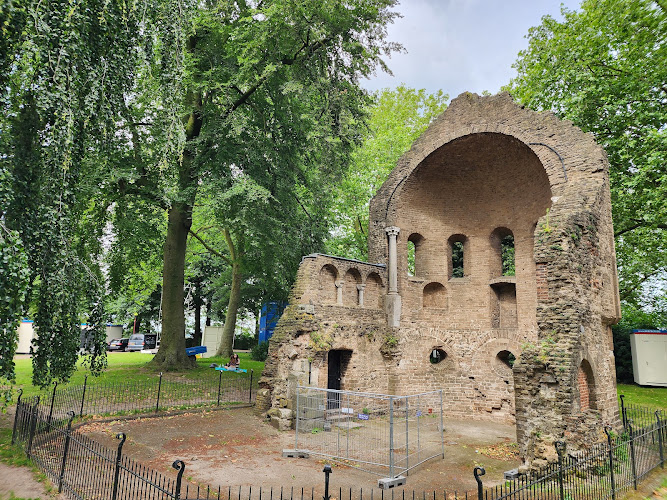
Valkhof Park

Kronenburgerpark
Gedenkstein
Find Accommodations Nearby
Recommended Tours & Activities
Visitor Reviews
There are no reviews yet. Be the first one to write one.
Share Your Experience
Have you visited Nationaal Fietsmuseum Velorama? Help other travelers by leaving a review.