
US Navy Seabee Museum
About US Navy Seabee Museum
Description
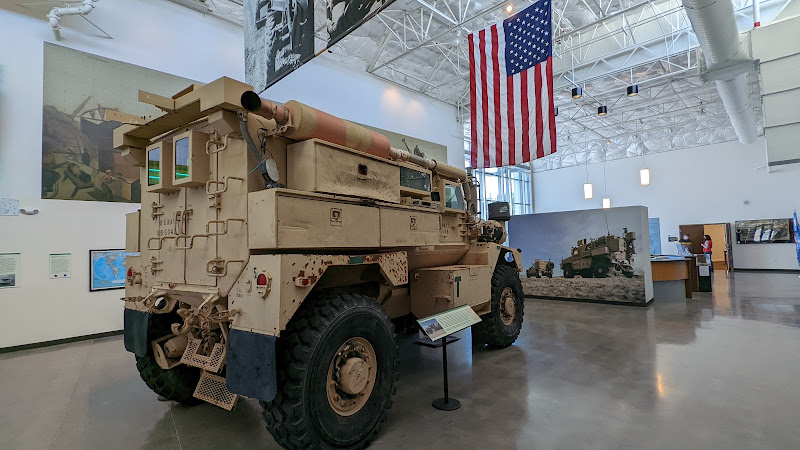
The US Navy Seabee Museum in Port Hueneme, California, is one of those places that quietly surprises you. At first glance, you might think it’s just another military museum, but once you step inside, you realize it’s much more—it's a living story of grit, ingenuity, and the kind of can-do spirit that built runways in the jungle and bases in the desert. The Seabees, officially the Naval Construction Force, were formed during World War II, and their legacy stretches across nearly every major conflict and humanitarian mission since. This museum doesn’t just display artifacts; it brings those stories to life in a way that feels personal and, honestly, kind of inspiring.
The exhibits are thoughtfully curated, blending historical artifacts, photographs, and interactive displays that even kids can get into. There’s a theater that screens films about the Seabees’ missions, which is a nice break if you’ve been on your feet for a while. And yes, it’s family-friendly—kids seem to love the larger-than-life Seabee mascot and the dioramas that look like they’ve been lifted straight from history. The museum is also accessible, with wheelchair-friendly restrooms and parking, which makes it easy for everyone to enjoy without stress.
What really stands out is the atmosphere. It doesn’t feel like a sterile gallery; it feels like a place built with pride and care. You can sense how much the Seabees mean to the people who run it and the veterans who visit. That sincerity makes the experience more memorable than you might expect from a history museum. It’s not flashy, but it’s genuine—and that’s what makes it worth the trip.
Key Features
- Extensive exhibits covering Seabee history from World War II to modern missions
- Interactive displays and dioramas that engage both adults and kids
- On-site theater showcasing documentary films about the Seabees
- Guided tours available for deeper insight into exhibits
- Wheelchair-accessible parking and restrooms for easy access
- Gift shop with unique Seabee-themed memorabilia
- Family-friendly environment, especially appealing for children interested in history
Best Time to Visit
If you’re planning a trip, weekdays are usually the sweet spot. The weekends can get a little busier, especially when local schools bring in groups, which can make the museum feel more crowded than it really is. Morning visits tend to be calmer, giving you more space to wander and actually read the exhibit panels without feeling rushed. Weather-wise, Port Hueneme is coastal, so you’re looking at mild temperatures most of the year. Personally, I think spring is the best time—the days are clear, the air is crisp, and you can pair your museum visit with a walk along the nearby beach.
Summer can be busier with families on vacation, but it’s still manageable. Winter is quieter, but you might run into some rainy days. Honestly, though, since the museum is indoors, the weather doesn’t matter too much. It’s more about how much you want to avoid crowds.
How to Get There
The museum sits just outside the main gate of Naval Base Ventura County, which means you don’t have to worry about military clearance or jumping through hoops to get in. If you’re driving, it’s a straightforward trip from Los Angeles—about an hour and a half with decent traffic, though let’s be real, this is Southern California, so plan for delays. Parking is free and plentiful, which is a rare treat if you’re used to LA museums.
If you’re not driving, you can take the Amtrak Pacific Surfliner to Oxnard and grab a rideshare for the short hop to Port Hueneme. It’s not as convenient as having your own car, but it’s doable. For those flying in, the nearest airport is in Oxnard, though most visitors come via LAX or Burbank.
Tips for Visiting
First off, give yourself at least two hours. You might think you’ll breeze through, but the exhibits are detailed, and if you’re like me, you’ll end up lingering over the personal stories and photos. Bring kids if you have them—this is one of those rare museums where they won’t be bored out of their minds. The interactive elements really help keep their attention.
Don’t skip the theater. The films are short but powerful, and they add context that the displays alone can’t give you. Also, check out the gift shop at the end. I’m not usually a gift shop person, but I picked up a Seabee mug there years ago, and it’s still my go-to coffee cup. Sometimes the little souvenirs keep the memory alive better than photos.
Wear comfortable shoes. It’s not a huge museum, but you’ll be on your feet more than you expect. And if you’re hungry afterward, remember there’s no restaurant on site, but plenty of local spots nearby. I once grabbed tacos from a food truck just down the road, and honestly, it was the perfect way to end the day.
Lastly, take your time. This isn’t just about military history—it’s about resilience, teamwork, and the human side of war and rebuilding. If you slow down and really absorb it, you’ll walk away with a deeper appreciation for the Seabees and the role they’ve played in shaping the world.
Key Features
- Extensive exhibits covering Seabee history from World War II to modern missions
- Interactive displays and dioramas that engage both adults and kids
- On-site theater showcasing documentary films about the Seabees
- Guided tours available for deeper insight into exhibits
- Wheelchair-accessible parking and restrooms for easy access
- Gift shop with unique Seabee-themed memorabilia
- Family-friendly environment, especially appealing for children interested in history
More Details
Updated September 10, 2025
Table of Contents
Description
The US Navy Seabee Museum in Port Hueneme, California, is one of those places that quietly surprises you. At first glance, you might think it’s just another military museum, but once you step inside, you realize it’s much more—it’s a living story of grit, ingenuity, and the kind of can-do spirit that built runways in the jungle and bases in the desert. The Seabees, officially the Naval Construction Force, were formed during World War II, and their legacy stretches across nearly every major conflict and humanitarian mission since. This museum doesn’t just display artifacts; it brings those stories to life in a way that feels personal and, honestly, kind of inspiring.
The exhibits are thoughtfully curated, blending historical artifacts, photographs, and interactive displays that even kids can get into. There’s a theater that screens films about the Seabees’ missions, which is a nice break if you’ve been on your feet for a while. And yes, it’s family-friendly—kids seem to love the larger-than-life Seabee mascot and the dioramas that look like they’ve been lifted straight from history. The museum is also accessible, with wheelchair-friendly restrooms and parking, which makes it easy for everyone to enjoy without stress.
What really stands out is the atmosphere. It doesn’t feel like a sterile gallery; it feels like a place built with pride and care. You can sense how much the Seabees mean to the people who run it and the veterans who visit. That sincerity makes the experience more memorable than you might expect from a history museum. It’s not flashy, but it’s genuine—and that’s what makes it worth the trip.
Key Features
- Extensive exhibits covering Seabee history from World War II to modern missions
- Interactive displays and dioramas that engage both adults and kids
- On-site theater showcasing documentary films about the Seabees
- Guided tours available for deeper insight into exhibits
- Wheelchair-accessible parking and restrooms for easy access
- Gift shop with unique Seabee-themed memorabilia
- Family-friendly environment, especially appealing for children interested in history
Best Time to Visit
If you’re planning a trip, weekdays are usually the sweet spot. The weekends can get a little busier, especially when local schools bring in groups, which can make the museum feel more crowded than it really is. Morning visits tend to be calmer, giving you more space to wander and actually read the exhibit panels without feeling rushed. Weather-wise, Port Hueneme is coastal, so you’re looking at mild temperatures most of the year. Personally, I think spring is the best time—the days are clear, the air is crisp, and you can pair your museum visit with a walk along the nearby beach.
Summer can be busier with families on vacation, but it’s still manageable. Winter is quieter, but you might run into some rainy days. Honestly, though, since the museum is indoors, the weather doesn’t matter too much. It’s more about how much you want to avoid crowds.
How to Get There
The museum sits just outside the main gate of Naval Base Ventura County, which means you don’t have to worry about military clearance or jumping through hoops to get in. If you’re driving, it’s a straightforward trip from Los Angeles—about an hour and a half with decent traffic, though let’s be real, this is Southern California, so plan for delays. Parking is free and plentiful, which is a rare treat if you’re used to LA museums.
If you’re not driving, you can take the Amtrak Pacific Surfliner to Oxnard and grab a rideshare for the short hop to Port Hueneme. It’s not as convenient as having your own car, but it’s doable. For those flying in, the nearest airport is in Oxnard, though most visitors come via LAX or Burbank.
Tips for Visiting
First off, give yourself at least two hours. You might think you’ll breeze through, but the exhibits are detailed, and if you’re like me, you’ll end up lingering over the personal stories and photos. Bring kids if you have them—this is one of those rare museums where they won’t be bored out of their minds. The interactive elements really help keep their attention.
Don’t skip the theater. The films are short but powerful, and they add context that the displays alone can’t give you. Also, check out the gift shop at the end. I’m not usually a gift shop person, but I picked up a Seabee mug there years ago, and it’s still my go-to coffee cup. Sometimes the little souvenirs keep the memory alive better than photos.
Wear comfortable shoes. It’s not a huge museum, but you’ll be on your feet more than you expect. And if you’re hungry afterward, remember there’s no restaurant on site, but plenty of local spots nearby. I once grabbed tacos from a food truck just down the road, and honestly, it was the perfect way to end the day.
Lastly, take your time. This isn’t just about military history—it’s about resilience, teamwork, and the human side of war and rebuilding. If you slow down and really absorb it, you’ll walk away with a deeper appreciation for the Seabees and the role they’ve played in shaping the world.
Key Highlights
- Extensive exhibits covering Seabee history from World War II to modern missions
- Interactive displays and dioramas that engage both adults and kids
- On-site theater showcasing documentary films about the Seabees
- Guided tours available for deeper insight into exhibits
- Wheelchair-accessible parking and restrooms for easy access
- Gift shop with unique Seabee-themed memorabilia
- Family-friendly environment, especially appealing for children interested in history
Location
Find and Book a Tour
Explore More Travel Guides
No reviews found! Be the first to review!
There are no reviews yet. Be the first one to write one.
Have you visited US Navy Seabee Museum? Help other travelers by sharing your review.
You Might Also Like

Find Accommodations Nearby
Recommended Tours & Activities
Visitor Reviews
There are no reviews yet. Be the first one to write one.
Share Your Experience
Have you visited US Navy Seabee Museum? Help other travelers by leaving a review.