About Urb. El Parque

Description

Urb. El Parque stands as one of those residential gems that travelers often overlook when they're planning their trips, but honestly, that's part of what makes it such an interesting place to explore. This neighborhood offers visitors a genuine glimpse into local life, away from the typical tourist traps that dominate most travel itineraries. And trust me, there's something refreshingly authentic about walking through an area where real people actually live their daily lives. The urbanization itself represents a slice of suburban living that's becoming increasingly rare in many rapidly developing areas. You'll find tree-lined streets here that actually provide shade during hot afternoons, which is more valuable than you might think until you've spent a few hours wandering around under the blazing sun. The architecture reflects practical residential design rather than flashy tourist-oriented construction, giving the whole area a lived-in feel that some travelers find more memorable than picture-perfect resort communities. What strikes most visitors about Urb. El Parque is how it serves as a window into everyday life in the region. You're not going to find enormous shopping malls or internationally branded hotels here. Instead, you'll discover small family-run businesses, neighborhood parks where kids actually play soccer in the afternoons, and streets where people know their neighbors by name. For travelers who've grown tired of sanitized tourist zones, this place offers something different – a chance to see how communities function beyond the Instagram-ready facades. The neighborhood does have its quirks, though. It's not always perfectly maintained, and you might notice some areas that could use a bit of sprucing up. But that's part of the authentic experience. Real neighborhoods aren't always picture-perfect, and Urb. El Parque doesn't pretend to be something it's not.

Key Features

The characteristics that define Urb. El Parque give travelers several reasons to add it to their itinerary, particularly if they're interested in experiencing local culture rather than just checking off major landmarks:
  • Residential streets that showcase authentic local architecture and urban planning styles typical of the region
  • Small parks and green spaces where families gather, particularly in the late afternoons and early evenings
  • Local businesses including small shops, cafeterias, and service providers that cater to residents rather than tourists
  • Quieter atmosphere compared to commercial districts, making it ideal for travelers seeking peaceful walks
  • Opportunities to observe daily routines and community interactions that provide cultural insights
  • Proximity to other areas of interest while maintaining its residential character
  • Street layout that's generally easy to navigate on foot, perfect for exploratory wandering
  • Local food options where you can try home-style cooking at neighborhood eateries
  • Community spaces that sometimes host local events, though these aren't always advertised to outsiders
  • Safe walking environment during daylight hours with regular foot traffic from residents
I remember visiting similar neighborhoods during my travels and always appreciating how they provided context for understanding a place. Tourist zones tell you what a destination wants you to see; residential areas like Urb. El Parque show you how people actually live.

Best Time to Visit

Timing your visit to Urb. El Parque actually matters more than you might initially think. Since this is primarily a residential neighborhood rather than a tourist attraction, the rhythms of daily life here dictate when you'll get the most out of your experience. The absolute best time to explore is during late afternoon hours, roughly between 4 PM and 7 PM. That's when you'll see the neighborhood come alive with residents returning from work, children playing in parks, and families gathering outside. The streets have more activity, small shops are open, and you get a genuine sense of community dynamics. Plus, the late afternoon light is usually softer and more pleasant for walking around. Early mornings between 7 AM and 9 AM offer a different but equally interesting perspective. You'll catch people starting their day, heading to work or school, and the neighborhood has a purposeful energy that's quite different from the afternoon vibe. Local cafeterias serve breakfast, and you might find fresh bread at small bakeries if you're lucky. Midday visits aren't terrible, but they're definitely the least interesting time to explore. Many residents are away at work or school, streets can be quite empty, and the heat during warmer months makes walking around less enjoyable. Some smaller businesses might close for lunch breaks too, particularly between 12 PM and 2 PM. Weather-wise, you'll want to consider the broader climate patterns of the region. During rainy seasons, residential neighborhoods like this one can become muddy or less pleasant to walk through, especially if drainage systems aren't perfect. Dry season visits typically provide better conditions for exploring on foot. Weekdays versus weekends present different experiences too. Weekdays show you the working rhythm of the neighborhood, while weekends have a more relaxed atmosphere with families spending time together in parks and common areas. Neither is better or worse – just different depending on what aspects of local life interest you most.

How to Get There

Getting to Urb. El Parque requires a bit more planning than visiting major tourist sites, but that's part of what keeps it authentic and less crowded. The neighborhood isn't typically serviced by tourist buses or shuttle services, which means you'll need to use local transportation methods. Taxis remain the most straightforward option for most travelers. You can easily hire a taxi from your hotel or accommodation and simply tell the driver you want to go to Urb. El Parque. Most local drivers will know the area, though having a specific street name or landmark within the neighborhood can help ensure you get dropped exactly where you want to be. Ride-sharing apps work well too if they operate in the region. Local buses do serve the area, and honestly, taking public transportation gives you an even more authentic experience of daily life. But you'll need to do some homework beforehand. Ask locals or your accommodation staff which bus routes pass through or near Urb. El Parque. Routes and schedules aren't always clearly posted online, so getting information from residents who actually use the system daily is your best bet. If you're renting a car, driving yourself provides maximum flexibility for exploring. The neighborhood streets are generally accessible, though parking might require some patience as you look for appropriate spots. Remember that this is a residential area, so be respectful about where you park and don't block driveways or narrow passages. Walking from nearby areas is totally feasible depending on where you're staying. If you're already in adjacent neighborhoods, a 20-30 minute walk might bring you right into Urb. El Parque. This approach works particularly well if you enjoy exploring on foot and want to see how different neighborhoods connect and transition into each other. One thing I've learned from years of travel is that getting slightly lost in residential neighborhoods often leads to the most interesting discoveries. Don't stress too much about having perfect directions – sometimes wandering a bit is exactly how you find the good stuff.

Tips for Visiting

Making the most of your time in Urb. El Parque requires a different mindset than visiting conventional tourist attractions. Here are some practical tips that'll help you have a better experience: Dress casually and comfortably. This isn't the place for fancy tourist outfits or obvious camera gear hanging around your neck. You'll blend in better and feel more comfortable wearing what locals wear – simple, practical clothing suitable for walking. Comfortable shoes are non-negotiable since you'll probably be walking on various street surfaces. Bring some local currency in small denominations. Small neighborhood shops and eateries often don't accept credit cards or large bills. Having exact change or small notes makes transactions smoother and shows you understand how local commerce works. Learn a few basic phrases in the local language if it's not English. Residential areas like this don't always have English speakers readily available like tourist zones do. Even simple greetings and polite expressions go a long way in creating positive interactions with residents. Be respectful of people's privacy. Yes, you're exploring and maybe taking photos, but remember these are people's homes and neighborhoods. Don't photograph individuals without permission, especially children. Keep noise levels reasonable and don't treat the area like it's a theme park created for your entertainment. Strike up conversations with residents if opportunities arise naturally. Many people appreciate polite travelers who show genuine interest in their neighborhood. You might get recommendations for the best local food spot or learn about an interesting aspect of the area you wouldn't discover otherwise. But read social cues – if someone seems busy or uninterested, don't push it. Visit local eateries for authentic food experiences. Skip the international chains if there are any and try the small restaurants or food stands where residents actually eat. The food won't always be fancy, but it'll be genuine and usually quite affordable. And honestly, some of my best travel memories involve simple meals in neighborhood restaurants. Don't expect tourist infrastructure. There probably won't be information centers, English signage, or facilities specifically designed for visitors. Bring water, use restrooms before you arrive or at establishments where you make purchases, and manage your expectations accordingly. Stay aware of your surroundings without being paranoid. Residential neighborhoods are generally safe during daylight hours, but standard travel safety practices still apply. Keep valuables secure, stay in areas with reasonable foot traffic, and trust your instincts if something feels off. Consider hiring a local guide if you really want deeper insights. Some travelers benefit from having someone who knows the area well and can provide context and translation. This isn't necessary for everyone, but it can enrich the experience significantly. Time your visit to coincide with any local events if possible. Neighborhood celebrations, markets, or gatherings provide fantastic opportunities to see community dynamics at their best. Ask around or check with locals about whether anything special happens in Urb. El Parque during your visit dates. Finally, approach your visit with curiosity rather than a checklist mentality. Urb. El Parque isn't about ticking off famous landmarks – it's about observing, experiencing, and understanding a different way of life. The value comes from what you notice and learn, not from collecting photos of specific monuments.

Key Features

  • Residential streets that showcase authentic local architecture and urban planning styles typical of the region
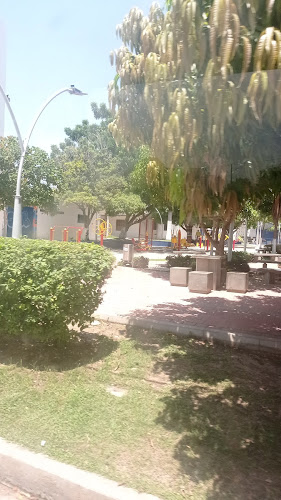
  • Small parks and green spaces where families gather, particularly in the late afternoons and early evenings
  • Local businesses including small shops, cafeterias, and service providers that cater to residents rather than tourists
  • Quieter atmosphere compared to commercial districts, making it ideal for travelers seeking peaceful walks
  • Opportunities to observe daily routines and community interactions that provide cultural insights
  • Proximity to other areas of interest while maintaining its residential character
  • Street layout that's generally easy to navigate on foot, perfect for exploratory wandering
  • Local food options where you can try home-style cooking at neighborhood eateries

More Details

Updated March 30, 2026

Description

Urb. El Parque stands as one of those residential gems that travelers often overlook when they’re planning their trips, but honestly, that’s part of what makes it such an interesting place to explore. This neighborhood offers visitors a genuine glimpse into local life, away from the typical tourist traps that dominate most travel itineraries. And trust me, there’s something refreshingly authentic about walking through an area where real people actually live their daily lives.

The urbanization itself represents a slice of suburban living that’s becoming increasingly rare in many rapidly developing areas. You’ll find tree-lined streets here that actually provide shade during hot afternoons, which is more valuable than you might think until you’ve spent a few hours wandering around under the blazing sun. The architecture reflects practical residential design rather than flashy tourist-oriented construction, giving the whole area a lived-in feel that some travelers find more memorable than picture-perfect resort communities.

What strikes most visitors about Urb. El Parque is how it serves as a window into everyday life in the region. You’re not going to find enormous shopping malls or internationally branded hotels here. Instead, you’ll discover small family-run businesses, neighborhood parks where kids actually play soccer in the afternoons, and streets where people know their neighbors by name. For travelers who’ve grown tired of sanitized tourist zones, this place offers something different – a chance to see how communities function beyond the Instagram-ready facades.

The neighborhood does have its quirks, though. It’s not always perfectly maintained, and you might notice some areas that could use a bit of sprucing up. But that’s part of the authentic experience. Real neighborhoods aren’t always picture-perfect, and Urb. El Parque doesn’t pretend to be something it’s not.

Key Features

The characteristics that define Urb. El Parque give travelers several reasons to add it to their itinerary, particularly if they’re interested in experiencing local culture rather than just checking off major landmarks:

  • Residential streets that showcase authentic local architecture and urban planning styles typical of the region
  • Small parks and green spaces where families gather, particularly in the late afternoons and early evenings
  • Local businesses including small shops, cafeterias, and service providers that cater to residents rather than tourists
  • Quieter atmosphere compared to commercial districts, making it ideal for travelers seeking peaceful walks
  • Opportunities to observe daily routines and community interactions that provide cultural insights
  • Proximity to other areas of interest while maintaining its residential character
  • Street layout that’s generally easy to navigate on foot, perfect for exploratory wandering
  • Local food options where you can try home-style cooking at neighborhood eateries
  • Community spaces that sometimes host local events, though these aren’t always advertised to outsiders
  • Safe walking environment during daylight hours with regular foot traffic from residents

I remember visiting similar neighborhoods during my travels and always appreciating how they provided context for understanding a place. Tourist zones tell you what a destination wants you to see; residential areas like Urb. El Parque show you how people actually live.

Best Time to Visit

Timing your visit to Urb. El Parque actually matters more than you might initially think. Since this is primarily a residential neighborhood rather than a tourist attraction, the rhythms of daily life here dictate when you’ll get the most out of your experience.

The absolute best time to explore is during late afternoon hours, roughly between 4 PM and 7 PM. That’s when you’ll see the neighborhood come alive with residents returning from work, children playing in parks, and families gathering outside. The streets have more activity, small shops are open, and you get a genuine sense of community dynamics. Plus, the late afternoon light is usually softer and more pleasant for walking around.

Early mornings between 7 AM and 9 AM offer a different but equally interesting perspective. You’ll catch people starting their day, heading to work or school, and the neighborhood has a purposeful energy that’s quite different from the afternoon vibe. Local cafeterias serve breakfast, and you might find fresh bread at small bakeries if you’re lucky.

Midday visits aren’t terrible, but they’re definitely the least interesting time to explore. Many residents are away at work or school, streets can be quite empty, and the heat during warmer months makes walking around less enjoyable. Some smaller businesses might close for lunch breaks too, particularly between 12 PM and 2 PM.

Weather-wise, you’ll want to consider the broader climate patterns of the region. During rainy seasons, residential neighborhoods like this one can become muddy or less pleasant to walk through, especially if drainage systems aren’t perfect. Dry season visits typically provide better conditions for exploring on foot.

Weekdays versus weekends present different experiences too. Weekdays show you the working rhythm of the neighborhood, while weekends have a more relaxed atmosphere with families spending time together in parks and common areas. Neither is better or worse – just different depending on what aspects of local life interest you most.

How to Get There

Getting to Urb. El Parque requires a bit more planning than visiting major tourist sites, but that’s part of what keeps it authentic and less crowded. The neighborhood isn’t typically serviced by tourist buses or shuttle services, which means you’ll need to use local transportation methods.

Taxis remain the most straightforward option for most travelers. You can easily hire a taxi from your hotel or accommodation and simply tell the driver you want to go to Urb. El Parque. Most local drivers will know the area, though having a specific street name or landmark within the neighborhood can help ensure you get dropped exactly where you want to be. Ride-sharing apps work well too if they operate in the region.

Local buses do serve the area, and honestly, taking public transportation gives you an even more authentic experience of daily life. But you’ll need to do some homework beforehand. Ask locals or your accommodation staff which bus routes pass through or near Urb. El Parque. Routes and schedules aren’t always clearly posted online, so getting information from residents who actually use the system daily is your best bet.

If you’re renting a car, driving yourself provides maximum flexibility for exploring. The neighborhood streets are generally accessible, though parking might require some patience as you look for appropriate spots. Remember that this is a residential area, so be respectful about where you park and don’t block driveways or narrow passages.

Walking from nearby areas is totally feasible depending on where you’re staying. If you’re already in adjacent neighborhoods, a 20-30 minute walk might bring you right into Urb. El Parque. This approach works particularly well if you enjoy exploring on foot and want to see how different neighborhoods connect and transition into each other.

One thing I’ve learned from years of travel is that getting slightly lost in residential neighborhoods often leads to the most interesting discoveries. Don’t stress too much about having perfect directions – sometimes wandering a bit is exactly how you find the good stuff.

Tips for Visiting

Making the most of your time in Urb. El Parque requires a different mindset than visiting conventional tourist attractions. Here are some practical tips that’ll help you have a better experience:

Dress casually and comfortably. This isn’t the place for fancy tourist outfits or obvious camera gear hanging around your neck. You’ll blend in better and feel more comfortable wearing what locals wear – simple, practical clothing suitable for walking. Comfortable shoes are non-negotiable since you’ll probably be walking on various street surfaces.

Bring some local currency in small denominations. Small neighborhood shops and eateries often don’t accept credit cards or large bills. Having exact change or small notes makes transactions smoother and shows you understand how local commerce works.

Learn a few basic phrases in the local language if it’s not English. Residential areas like this don’t always have English speakers readily available like tourist zones do. Even simple greetings and polite expressions go a long way in creating positive interactions with residents.

Be respectful of people’s privacy. Yes, you’re exploring and maybe taking photos, but remember these are people’s homes and neighborhoods. Don’t photograph individuals without permission, especially children. Keep noise levels reasonable and don’t treat the area like it’s a theme park created for your entertainment.

Strike up conversations with residents if opportunities arise naturally. Many people appreciate polite travelers who show genuine interest in their neighborhood. You might get recommendations for the best local food spot or learn about an interesting aspect of the area you wouldn’t discover otherwise. But read social cues – if someone seems busy or uninterested, don’t push it.

Visit local eateries for authentic food experiences. Skip the international chains if there are any and try the small restaurants or food stands where residents actually eat. The food won’t always be fancy, but it’ll be genuine and usually quite affordable. And honestly, some of my best travel memories involve simple meals in neighborhood restaurants.

Don’t expect tourist infrastructure. There probably won’t be information centers, English signage, or facilities specifically designed for visitors. Bring water, use restrooms before you arrive or at establishments where you make purchases, and manage your expectations accordingly.

Stay aware of your surroundings without being paranoid. Residential neighborhoods are generally safe during daylight hours, but standard travel safety practices still apply. Keep valuables secure, stay in areas with reasonable foot traffic, and trust your instincts if something feels off.

Consider hiring a local guide if you really want deeper insights. Some travelers benefit from having someone who knows the area well and can provide context and translation. This isn’t necessary for everyone, but it can enrich the experience significantly.

Time your visit to coincide with any local events if possible. Neighborhood celebrations, markets, or gatherings provide fantastic opportunities to see community dynamics at their best. Ask around or check with locals about whether anything special happens in Urb. El Parque during your visit dates.

Finally, approach your visit with curiosity rather than a checklist mentality. Urb. El Parque isn’t about ticking off famous landmarks – it’s about observing, experiencing, and understanding a different way of life. The value comes from what you notice and learn, not from collecting photos of specific monuments.

Key Highlights

  • Residential streets that showcase authentic local architecture and urban planning styles typical of the region
  • Small parks and green spaces where families gather, particularly in the late afternoons and early evenings
  • Local businesses including small shops, cafeterias, and service providers that cater to residents rather than tourists
  • Quieter atmosphere compared to commercial districts, making it ideal for travelers seeking peaceful walks
  • Opportunities to observe daily routines and community interactions that provide cultural insights
  • Proximity to other areas of interest while maintaining its residential character
  • Street layout that's generally easy to navigate on foot, perfect for exploratory wandering
  • Local food options where you can try home-style cooking at neighborhood eateries

Location

Places to Stay Near Urb. El Parque

Find and Book a Tour

Explore More Travel Guides

No reviews found! Be the first to review!

Urb. El Parque is a prominent Attractions located in Soledad.

Traveler Reviews for Urb. El Parque

There are no reviews yet. Be the first one to write one.

Share Your Experience

Have you visited Urb. El Parque? Help other travelers by sharing your review.

Find Accommodations Nearby

Recommended Tours & Activities

Visitor Reviews

There are no reviews yet. Be the first one to write one.

Share Your Experience

Have you visited Urb. El Parque? Help other travelers by leaving a review.