
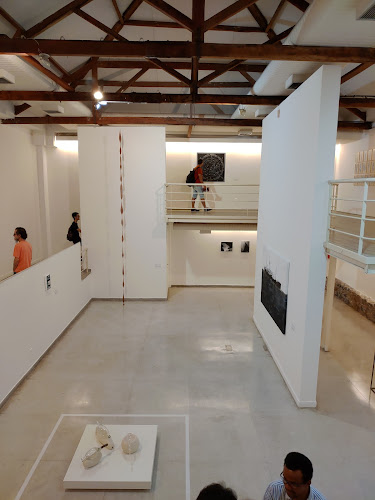
University Museum of Art – Muna
About University Museum of Art – Muna
Description
The University Museum of Art - Muna offers visitors an authentic glimpse into the dynamic world of regional contemporary art, and honestly, it's one of those hidden gems that doesn't always get the recognition it deserves. As a university gallery, this museum manages to strike that perfect balance between academic rigor and accessibility for everyday travelers who just want to experience something meaningful without feeling like they need an art history degree to appreciate what's hanging on the walls. What makes this place particularly interesting is its focus on contemporary works from the region. You're not going to find the same European masters you've seen in every other museum – instead, you'll encounter artists who are actively shaping the cultural landscape right now, in this moment. And that's refreshing, really. There's something electric about viewing art that speaks to current conversations and reflects the creative pulse of the local community. The museum operates within a university setting, which brings its own flavor to the experience. You'll often find students sketching in galleries, professors giving impromptu lectures, and that general buzz of intellectual curiosity that makes you feel like you're part of something bigger than just a casual afternoon outing. But don't let that intimidate you – the space welcomes everyone, from serious art enthusiasts to families looking for an educational activity that won't bore the kids to tears. I remember visiting a similar university museum during my college years, and what struck me most was how different it felt from those massive, overwhelming institutions where you need a full day just to see one wing. University museums like Muna have this more intimate quality that actually lets you absorb what you're seeing instead of just rushing through room after room checking things off a list.Key Features
The University Museum of Art - Muna comes equipped with several features that make it stand out as a worthwhile destination for travelers seeking cultural enrichment:- Full wheelchair accessibility throughout the facility, including entrance, parking areas, and restroom facilities – a feature that unfortunately still isn't universal in many cultural institutions
- Rotating special exhibitions that showcase emerging and established regional contemporary artists, ensuring there's always something new to discover even if you've visited before
- A permanent collection that provides continuity and depth to the regional art narrative, allowing visitors to understand the evolution of artistic expression in the area
- Family-friendly environment that welcomes children and makes contemporary art accessible to younger visitors without dumbing down the content
- Clean, well-maintained restroom facilities available for visitor convenience
- Educational programming that often includes artist talks, workshops, and guided tours that can deepen your understanding of the works on display
- Free or low-cost admission typical of university museums, making it an economical option for budget-conscious travelers
- Smaller, more manageable gallery spaces that allow for a complete visit without requiring hours of walking or mental stamina
- Connection to the broader university community, which often means access to related cultural events, lectures, and performances happening on campus
Best Time to Visit
Timing your visit to the University Museum of Art - Muna can really enhance your experience, and there's a few factors worth considering before you head over. Academic calendar plays a bigger role here than you might expect. During the fall and spring semesters, the museum tends to have more energy and activity, with students moving through the spaces and special programs tied to the university schedule. If you enjoy that lively, intellectual atmosphere, visiting during the school year (roughly September through early December or January through April) gives you that authentic university museum vibe. But here's the thing – those same busy periods mean more crowds, particularly around midday when classes let out and students flood the common areas. If you prefer a quieter, more contemplative experience with the artwork, consider visiting during summer sessions or holiday breaks when the campus population drops significantly. You'll have more room to breathe and really sit with pieces that speak to you. Weekday mornings, especially Tuesday through Thursday, typically offer the most peaceful viewing experience. Weekends can bring local families and community visitors, which isn't necessarily a bad thing – just different. And honestly, there's something kind of nice about seeing kids react to contemporary art with their unfiltered opinions. Special exhibition openings usually happen in the evening and can be fantastic times to visit if you're comfortable in more social settings. You might meet the artists themselves, hear them discuss their work, and generally feel more connected to the creative process. Check the museum's schedule before your trip to see if any openings align with your travel dates. Weather doesn't impact the visit much since it's an indoor venue, but I'd suggest avoiding the absolute peak of summer heat if you're walking around campus to reach the museum. Early fall and late spring offer pleasant temperatures for exploring the university grounds before or after your museum visit.How to Get There
Getting to the University Museum of Art - Muna requires a bit of navigation since it's located on a university campus, and let's be real – university campuses can be confusing even for people who actually attend classes there. If you're driving, your first challenge will be figuring out the campus parking situation, which at most universities ranges from complicated to borderline kafkaesque. The good news is that the museum offers wheelchair accessible parking, suggesting there's at least dedicated parking nearby. Most universities have visitor parking areas, though they may require payment either through meters, pay stations, or parking apps. Budget a few extra dollars for parking fees, and give yourself extra time to locate the correct lot – campus maps can be misleading, and what looks close on paper might involve navigating through a maze of buildings. Public transportation often serves university campuses well, especially in urban or suburban settings. Local bus routes frequently include campus stops, and the museum's location at a university means it's likely accessible via student-oriented transit routes that the general public can also use. Check the local transit authority website for routes serving the university and look for stops near the arts or museum buildings. Rideshare services like Uber or Lyft work well for campus visits since you can specify the exact building name or entrance as your destination. This eliminates parking hassles entirely and lets you focus on enjoying your visit rather than worrying about meter time expiring. Walking or biking to the museum makes sense if you're staying nearby or if you're already on campus for other activities. Universities typically have pedestrian-friendly pathways, though navigating them the first time might require using your phone's GPS or asking a friendly student for directions. Don't be shy about asking – college students are usually happy to help lost visitors find their way around. Once you arrive on campus, look for directional signage pointing toward the museum or arts buildings. University campuses usually have those brown wayfinding signs scattered around, though their helpfulness varies wildly depending on how recently they were updated.Tips for Visiting
Making the most of your visit to the University Museum of Art - Muna involves some insider knowledge that can transform your experience from merely okay to genuinely memorable. First off, confirm the operating hours before you go. University museums sometimes keep irregular schedules, closing during academic breaks, holidays, or exam periods when you'd least expect it. A quick phone call or website check saves you the frustration of showing up to locked doors. And while you're checking, ask about any special exhibitions or events happening during your visit – you might luck into an artist talk or special program that adds unexpected depth to your experience. Bring your student ID if you have one, even if you don't attend that particular university. Many university museums extend free or discounted admission to all students as part of their educational mission. Same goes for educator credentials, senior IDs, or any other documentation that might qualify you for reduced rates. Plan to spend anywhere from 45 minutes to two hours in the museum, depending on your interest level and the current exhibitions. Contemporary art sometimes demands more contemplation than older works since the context isn't always immediately apparent. Don't rush through – that defeats the purpose of visiting a smaller, more focused museum like this one. Photography policies vary by institution and sometimes by exhibition, so check before you start snapping pictures. Some contemporary artists don't allow photography of their work, while others encourage it. When in doubt, ask the docent or staff member at the front desk. The museum is good for kids, but that doesn't mean every child will love it. Contemporary art can be hit or miss with younger visitors – some pieces might fascinate them while others leave them bored. If you're visiting with children, frame it as an adventure where they get to play art detective and figure out what the artists might be trying to say. Making it interactive keeps their engagement up. There's no restaurant on site, so eat before you visit or plan to grab food elsewhere afterwards. However, restrooms are available, which might seem like a mundane detail until you're at a museum that doesn't have them and you regret that second coffee. Take advantage of any available printed materials, gallery guides, or QR codes that provide information about the artworks. Contemporary art often benefits from context that explains the artist's intentions, background, or the themes they're exploring. You'll appreciate pieces much more when you understand the conversations they're engaging with. If you're visiting during the academic year, keep an ear out for classes or groups moving through the galleries. Sometimes you can discretely listen in on a professor's explanation of certain works, which adds free educational value to your visit. Just be respectful and don't intrude on their class time. Consider visiting more than once if you're in the area for an extended stay. With rotating special exhibitions, the museum changes throughout the year, and you might catch completely different works on a second visit. Plus, sometimes artwork grows on you – pieces you walked past quickly the first time might suddenly click on a return visit. Dress comfortably since you'll be on your feet, but there's no dress code to worry about. This isn't the kind of stuffy institution where anyone cares what you're wearing. The university setting keeps things casual and welcoming. Finally, take time after your visit to explore the broader campus if you're interested. University grounds often feature outdoor sculptures, interesting architecture, and that unique atmosphere of academic pursuit that can be enjoyable to soak in for a bit before heading to your next destination.Key Features
- Full wheelchair accessibility throughout the facility, including entrance, parking areas, and restroom facilities – a feature that unfortunately still isn't universal in many cultural institutions
- Rotating special exhibitions that showcase emerging and established regional contemporary artists, ensuring there's always something new to discover even if you've visited before
- A permanent collection that provides continuity and depth to the regional art narrative, allowing visitors to understand the evolution of artistic expression in the area
- Family-friendly environment that welcomes children and makes contemporary art accessible to younger visitors without dumbing down the content
- Clean, well-maintained restroom facilities available for visitor convenience
- Educational programming that often includes artist talks, workshops, and guided tours that can deepen your understanding of the works on display
- Free or low-cost admission typical of university museums, making it an economical option for budget-conscious travelers
- Smaller, more manageable gallery spaces that allow for a complete visit without requiring hours of walking or mental stamina
More Details
Updated March 30, 2026
Table of Contents
Description
The University Museum of Art – Muna offers visitors an authentic glimpse into the dynamic world of regional contemporary art, and honestly, it’s one of those hidden gems that doesn’t always get the recognition it deserves. As a university gallery, this museum manages to strike that perfect balance between academic rigor and accessibility for everyday travelers who just want to experience something meaningful without feeling like they need an art history degree to appreciate what’s hanging on the walls.
What makes this place particularly interesting is its focus on contemporary works from the region. You’re not going to find the same European masters you’ve seen in every other museum – instead, you’ll encounter artists who are actively shaping the cultural landscape right now, in this moment. And that’s refreshing, really. There’s something electric about viewing art that speaks to current conversations and reflects the creative pulse of the local community.
The museum operates within a university setting, which brings its own flavor to the experience. You’ll often find students sketching in galleries, professors giving impromptu lectures, and that general buzz of intellectual curiosity that makes you feel like you’re part of something bigger than just a casual afternoon outing. But don’t let that intimidate you – the space welcomes everyone, from serious art enthusiasts to families looking for an educational activity that won’t bore the kids to tears.
I remember visiting a similar university museum during my college years, and what struck me most was how different it felt from those massive, overwhelming institutions where you need a full day just to see one wing. University museums like Muna have this more intimate quality that actually lets you absorb what you’re seeing instead of just rushing through room after room checking things off a list.
Key Features
The University Museum of Art – Muna comes equipped with several features that make it stand out as a worthwhile destination for travelers seeking cultural enrichment:
- Full wheelchair accessibility throughout the facility, including entrance, parking areas, and restroom facilities – a feature that unfortunately still isn’t universal in many cultural institutions
- Rotating special exhibitions that showcase emerging and established regional contemporary artists, ensuring there’s always something new to discover even if you’ve visited before
- A permanent collection that provides continuity and depth to the regional art narrative, allowing visitors to understand the evolution of artistic expression in the area
- Family-friendly environment that welcomes children and makes contemporary art accessible to younger visitors without dumbing down the content
- Clean, well-maintained restroom facilities available for visitor convenience
- Educational programming that often includes artist talks, workshops, and guided tours that can deepen your understanding of the works on display
- Free or low-cost admission typical of university museums, making it an economical option for budget-conscious travelers
- Smaller, more manageable gallery spaces that allow for a complete visit without requiring hours of walking or mental stamina
- Connection to the broader university community, which often means access to related cultural events, lectures, and performances happening on campus
Best Time to Visit
Timing your visit to the University Museum of Art – Muna can really enhance your experience, and there’s a few factors worth considering before you head over.
Academic calendar plays a bigger role here than you might expect. During the fall and spring semesters, the museum tends to have more energy and activity, with students moving through the spaces and special programs tied to the university schedule. If you enjoy that lively, intellectual atmosphere, visiting during the school year (roughly September through early December or January through April) gives you that authentic university museum vibe.
But here’s the thing – those same busy periods mean more crowds, particularly around midday when classes let out and students flood the common areas. If you prefer a quieter, more contemplative experience with the artwork, consider visiting during summer sessions or holiday breaks when the campus population drops significantly. You’ll have more room to breathe and really sit with pieces that speak to you.
Weekday mornings, especially Tuesday through Thursday, typically offer the most peaceful viewing experience. Weekends can bring local families and community visitors, which isn’t necessarily a bad thing – just different. And honestly, there’s something kind of nice about seeing kids react to contemporary art with their unfiltered opinions.
Special exhibition openings usually happen in the evening and can be fantastic times to visit if you’re comfortable in more social settings. You might meet the artists themselves, hear them discuss their work, and generally feel more connected to the creative process. Check the museum’s schedule before your trip to see if any openings align with your travel dates.
Weather doesn’t impact the visit much since it’s an indoor venue, but I’d suggest avoiding the absolute peak of summer heat if you’re walking around campus to reach the museum. Early fall and late spring offer pleasant temperatures for exploring the university grounds before or after your museum visit.
How to Get There
Getting to the University Museum of Art – Muna requires a bit of navigation since it’s located on a university campus, and let’s be real – university campuses can be confusing even for people who actually attend classes there.
If you’re driving, your first challenge will be figuring out the campus parking situation, which at most universities ranges from complicated to borderline kafkaesque. The good news is that the museum offers wheelchair accessible parking, suggesting there’s at least dedicated parking nearby. Most universities have visitor parking areas, though they may require payment either through meters, pay stations, or parking apps. Budget a few extra dollars for parking fees, and give yourself extra time to locate the correct lot – campus maps can be misleading, and what looks close on paper might involve navigating through a maze of buildings.
Public transportation often serves university campuses well, especially in urban or suburban settings. Local bus routes frequently include campus stops, and the museum’s location at a university means it’s likely accessible via student-oriented transit routes that the general public can also use. Check the local transit authority website for routes serving the university and look for stops near the arts or museum buildings.
Rideshare services like Uber or Lyft work well for campus visits since you can specify the exact building name or entrance as your destination. This eliminates parking hassles entirely and lets you focus on enjoying your visit rather than worrying about meter time expiring.
Walking or biking to the museum makes sense if you’re staying nearby or if you’re already on campus for other activities. Universities typically have pedestrian-friendly pathways, though navigating them the first time might require using your phone’s GPS or asking a friendly student for directions. Don’t be shy about asking – college students are usually happy to help lost visitors find their way around.
Once you arrive on campus, look for directional signage pointing toward the museum or arts buildings. University campuses usually have those brown wayfinding signs scattered around, though their helpfulness varies wildly depending on how recently they were updated.
Tips for Visiting
Making the most of your visit to the University Museum of Art – Muna involves some insider knowledge that can transform your experience from merely okay to genuinely memorable.
First off, confirm the operating hours before you go. University museums sometimes keep irregular schedules, closing during academic breaks, holidays, or exam periods when you’d least expect it. A quick phone call or website check saves you the frustration of showing up to locked doors. And while you’re checking, ask about any special exhibitions or events happening during your visit – you might luck into an artist talk or special program that adds unexpected depth to your experience.
Bring your student ID if you have one, even if you don’t attend that particular university. Many university museums extend free or discounted admission to all students as part of their educational mission. Same goes for educator credentials, senior IDs, or any other documentation that might qualify you for reduced rates.
Plan to spend anywhere from 45 minutes to two hours in the museum, depending on your interest level and the current exhibitions. Contemporary art sometimes demands more contemplation than older works since the context isn’t always immediately apparent. Don’t rush through – that defeats the purpose of visiting a smaller, more focused museum like this one.
Photography policies vary by institution and sometimes by exhibition, so check before you start snapping pictures. Some contemporary artists don’t allow photography of their work, while others encourage it. When in doubt, ask the docent or staff member at the front desk.
The museum is good for kids, but that doesn’t mean every child will love it. Contemporary art can be hit or miss with younger visitors – some pieces might fascinate them while others leave them bored. If you’re visiting with children, frame it as an adventure where they get to play art detective and figure out what the artists might be trying to say. Making it interactive keeps their engagement up.
There’s no restaurant on site, so eat before you visit or plan to grab food elsewhere afterwards. However, restrooms are available, which might seem like a mundane detail until you’re at a museum that doesn’t have them and you regret that second coffee.
Take advantage of any available printed materials, gallery guides, or QR codes that provide information about the artworks. Contemporary art often benefits from context that explains the artist’s intentions, background, or the themes they’re exploring. You’ll appreciate pieces much more when you understand the conversations they’re engaging with.
If you’re visiting during the academic year, keep an ear out for classes or groups moving through the galleries. Sometimes you can discretely listen in on a professor’s explanation of certain works, which adds free educational value to your visit. Just be respectful and don’t intrude on their class time.
Consider visiting more than once if you’re in the area for an extended stay. With rotating special exhibitions, the museum changes throughout the year, and you might catch completely different works on a second visit. Plus, sometimes artwork grows on you – pieces you walked past quickly the first time might suddenly click on a return visit.
Dress comfortably since you’ll be on your feet, but there’s no dress code to worry about. This isn’t the kind of stuffy institution where anyone cares what you’re wearing. The university setting keeps things casual and welcoming.
Finally, take time after your visit to explore the broader campus if you’re interested. University grounds often feature outdoor sculptures, interesting architecture, and that unique atmosphere of academic pursuit that can be enjoyable to soak in for a bit before heading to your next destination.
Key Highlights
- Full wheelchair accessibility throughout the facility, including entrance, parking areas, and restroom facilities – a feature that unfortunately still isn't universal in many cultural institutions
- Rotating special exhibitions that showcase emerging and established regional contemporary artists, ensuring there's always something new to discover even if you've visited before
- A permanent collection that provides continuity and depth to the regional art narrative, allowing visitors to understand the evolution of artistic expression in the area
- Family-friendly environment that welcomes children and makes contemporary art accessible to younger visitors without dumbing down the content
- Clean, well-maintained restroom facilities available for visitor convenience
- Educational programming that often includes artist talks, workshops, and guided tours that can deepen your understanding of the works on display
- Free or low-cost admission typical of university museums, making it an economical option for budget-conscious travelers
- Smaller, more manageable gallery spaces that allow for a complete visit without requiring hours of walking or mental stamina
Location
Places to Stay Near University Museum of Art - Muna
Find and Book a Tour
Explore More Travel Guides
No reviews found! Be the first to review!
University Museum of Art – Muna is a prominent museums located in Uberlândia.
Visit us at: Pr. Cícero Macedo, 309 – Fundinho, Uberlândia – MG, 38400-216, Brazil.
Traveler Reviews for University Museum of Art – Muna
There are no reviews yet. Be the first one to write one.
Have you visited University Museum of Art – Muna? Help other travelers by sharing your review.
You Might Also Like

Museu Municipal de Uberlândia
ADM do Brasil Unidade 365 - Uberlândia/MG

Uberlândia
Find Accommodations Nearby
Recommended Tours & Activities
Visitor Reviews
There are no reviews yet. Be the first one to write one.
Share Your Experience
Have you visited University Museum of Art – Muna? Help other travelers by leaving a review.