

Paróquia Nossa Senhora das Dores
About Paróquia Nossa Senhora das Dores
Description
Paróquia Nossa Senhora das Dores stands as one of those remarkable Catholic churches that manages to be both a place of active worship and a compelling destination for travelers seeking authentic cultural experiences. The church carries a name that translates to Our Lady of Sorrows, and there's something profoundly moving about stepping into a space where centuries of faith and devotion have left their mark on every surface and corner. What struck me most during my visits to colonial churches throughout Brazil is how they serve as living museums - places where architecture, art, and spirituality converge in ways you just don't find in modern buildings. This particular parish embodies that intersection beautifully. The atmosphere here genuinely deserves the descriptor peaceful, which isn't always easy to achieve when you're also functioning as a tourist attraction. But somehow the church manages to maintain that contemplative quality even when visitors are wandering through with their cameras and guidebooks. The building itself tells stories through its construction and ornamentation. You'll notice how the design reflects both Portuguese colonial influences and local Brazilian interpretations of sacred architecture. And honestly, that's what makes these churches so fascinating - they're not just transplanted European structures but something that evolved into its own distinct style. The craftsmanship evident in the details speaks to the dedication of the artisans who built and decorated these spaces, often working with limited resources but unlimited faith and creativity. For travelers who appreciate religious art and architecture, Paróquia Nossa Senhora das Dores offers an opportunity to witness how communities expressed their devotion through physical structures. The church continues serving its congregation while welcoming visitors from around the world, creating this interesting dynamic between sacred space and public heritage site.Key Features
The church distinguishes itself through several noteworthy characteristics that enhance both the worship experience and visitor accessibility:- Complete wheelchair accessibility throughout the property, including entrance ramps, dedicated parking spaces, and fully accessible restroom facilities - making this one of the more inclusive historic churches you'll find
- Peaceful atmosphere that manages to coexist with its role as a tourist destination, providing genuine moments of reflection and contemplation
- Active participation in environmental initiatives, including clothing recycling programs that demonstrate the parish's commitment to community service beyond spiritual matters
- Well-maintained restroom facilities available for visitors, which honestly is more appreciated than you might think when you're spending a day exploring
- Architectural elements representing traditional Catholic church design with regional Brazilian influences that create visual interest from both historical and artistic perspectives
- Regular religious services that allow visitors to experience living traditions rather than just observing museum pieces
- Interior artwork and religious iconography that showcase devotional artistic traditions
- Welcoming atmosphere for both pilgrims and culturally curious travelers regardless of their personal faith backgrounds
Best Time to Visit
Timing your visit to Paróquia Nossa Senhora das Dores can significantly impact your experience, and I've learned this lesson the hard way at various churches over the years. There's nothing quite like arriving during a wedding or funeral and feeling like an intrusive tourist with a camera. Weekday mornings typically offer the most peaceful visiting conditions. You'll find fewer crowds, better natural lighting for photography, and more opportunity to simply sit and absorb the atmosphere without feeling rushed. The church opens its doors early, and those quiet morning hours between scheduled masses provide ideal conditions for contemplative exploration. If you're interested in experiencing the church as a living place of worship rather than just an architectural specimen, attending a Sunday mass offers cultural insights you won't get from simply walking through empty halls. Just remember to be respectful - dress modestly, silence your phone, and follow the congregation's lead if you're unfamiliar with Catholic services. Weather-wise, the dry season generally provides more comfortable visiting conditions since you're likely combining this stop with other sightseeing activities in the area. But the church's interior climate remains relatively stable year-round, so rain shouldn't necessarily deter you if the forecast looks questionable. Avoid major religious holidays unless you specifically want to witness celebrations, as these times bring large crowds that can make it difficult to appreciate the space's architectural and artistic details. Easter week, Christmas season, and feast days dedicated to Our Lady of Sorrows will be particularly busy. Early afternoons on weekdays represent a sweet spot - morning services have concluded, but evening masses haven't begun, creating a window of relative quiet. Photography enthusiasts should consider how natural light enters the building at different times, as this dramatically affects your ability to capture the interior details without flash.How to Get There
Getting to Paróquia Nossa Senhora das Dores requires some planning, but the church's location makes it accessible through various transportation methods. Most visitors find that combining their church visit with exploration of surrounding attractions makes logistical sense. For those renting a car, the church provides wheelchair-accessible parking on site, which is genuinely convenient and eliminates the sometimes-stressful search for parking near popular tourist destinations. GPS coordinates work reliably for navigation, and the church building itself is distinctive enough that you're unlikely to drive past without noticing it. Taxi and rideshare services offer straightforward options, particularly if you're staying in nearby accommodations. The drivers in the region generally know the church well, so you shouldn't encounter communication difficulties even if your Portuguese is limited. Just have the church name written down or saved on your phone to show the driver. Public transportation serves the area, though routes and schedules vary considerably. Local buses can get you within walking distance, but I'd recommend researching specific route numbers and confirming current schedules before depending on this option. Bus systems in Brazil can be wonderfully efficient or frustratingly confusing depending on the city and your familiarity with the system. Walking to the church works well if you're staying locally or exploring the neighborhood on foot. The surrounding area often contains other points of interest worth discovering, and sometimes the best travel experiences come from what you stumble upon between destinations rather than the destinations themselves. Tour groups frequently include Paróquia Nossa Senhora das Dores in their itineraries, which provides hassle-free transportation but limits your time flexibility. If you prefer exploring at your own pace, independent travel makes more sense despite requiring more logistical effort.Tips for Visiting
Based on considerable time spent visiting churches across different countries, here are practical insights that'll improve your experience at Paróquia Nossa Senhora das Dores. Dress appropriately - this isn't just about respecting religious customs but also about your own comfort. Modest clothing means covering shoulders and knees at minimum. And churches tend to be cooler inside than outside temperatures might suggest, so bringing a light layer makes sense even in warm weather. Photography policies at active churches can be nuanced. While many welcome photography, flash typically isn't allowed as it damages artwork over time and disrupts worshippers. Take a moment when you enter to observe whether others are photographing and follow local customs. When in doubt, ask politely or simply put the camera away and be present in the moment. The accessibility features here genuinely work, which unfortunately isn't always the case at historic buildings. If you're traveling with mobility concerns, this church has made real efforts to accommodate visitors of all abilities. The accessible entrance, parking, and restrooms aren't afterthoughts but properly integrated features. Timing your visit around mass schedules allows you to choose your experience - participating in services for cultural immersion or visiting between masses for quieter exploration. Most churches post schedules near the entrance or online. Small donations are customary when visiting churches as tourist attractions. Even a modest contribution helps maintain these buildings and supports their community programs. You'll typically find collection boxes near the entrance. Silence or very quiet conversation shows respect for both worshippers and other visitors seeking peaceful contemplation. Save the animated discussions for after you've stepped outside. The clothing recycling program indicates this parish's broader community engagement. If you're traveling long-term and looking to lighten your luggage, this could provide a meaningful way to pass along items you no longer need. Bring water and stay hydrated, particularly if you're visiting during warmer months and combining the church with other sightseeing. The restroom facilities here mean you won't regret staying properly hydrated. Take time to simply sit in the pews for a few minutes, even if you're not religiously inclined. There's something centering about pausing in a space designed for reflection, and you'll notice architectural details that aren't apparent when you're constantly moving through the building. Local etiquette around greetings and interactions matters. A friendly nod, small smile, or quiet "bom dia" acknowledges other visitors and any church staff without disrupting the peaceful atmosphere. Consider visiting twice if your schedule allows - once during an active service to witness the church's living traditions and once during quieter hours to examine artistic and architectural details more closely. Each experience offers different insights into what makes this place significant to both the local community and visitors from afar.Key Features
- Peaceful atmosphere that manages to coexist with its role as a tourist destination, providing genuine moments of reflection and contemplation
- Active participation in environmental initiatives, including clothing recycling programs that demonstrate the parish's commitment to community service beyond spiritual matters
- Well-maintained restroom facilities available for visitors, which honestly is more appreciated than you might think when you're spending a day exploring
- Architectural elements representing traditional Catholic church design with regional Brazilian influences that create visual interest from both historical and artistic perspectives
- Regular religious services that allow visitors to experience living traditions rather than just observing museum pieces
- Interior artwork and religious iconography that showcase devotional artistic traditions
- Welcoming atmosphere for both pilgrims and culturally curious travelers regardless of their personal faith backgrounds
More Details
Updated March 30, 2026
Table of Contents
Description
Paróquia Nossa Senhora das Dores stands as one of those remarkable Catholic churches that manages to be both a place of active worship and a compelling destination for travelers seeking authentic cultural experiences. The church carries a name that translates to Our Lady of Sorrows, and there’s something profoundly moving about stepping into a space where centuries of faith and devotion have left their mark on every surface and corner.
What struck me most during my visits to colonial churches throughout Brazil is how they serve as living museums – places where architecture, art, and spirituality converge in ways you just don’t find in modern buildings. This particular parish embodies that intersection beautifully. The atmosphere here genuinely deserves the descriptor peaceful, which isn’t always easy to achieve when you’re also functioning as a tourist attraction. But somehow the church manages to maintain that contemplative quality even when visitors are wandering through with their cameras and guidebooks.
The building itself tells stories through its construction and ornamentation. You’ll notice how the design reflects both Portuguese colonial influences and local Brazilian interpretations of sacred architecture. And honestly, that’s what makes these churches so fascinating – they’re not just transplanted European structures but something that evolved into its own distinct style. The craftsmanship evident in the details speaks to the dedication of the artisans who built and decorated these spaces, often working with limited resources but unlimited faith and creativity.
For travelers who appreciate religious art and architecture, Paróquia Nossa Senhora das Dores offers an opportunity to witness how communities expressed their devotion through physical structures. The church continues serving its congregation while welcoming visitors from around the world, creating this interesting dynamic between sacred space and public heritage site.
Key Features
The church distinguishes itself through several noteworthy characteristics that enhance both the worship experience and visitor accessibility:
- Complete wheelchair accessibility throughout the property, including entrance ramps, dedicated parking spaces, and fully accessible restroom facilities – making this one of the more inclusive historic churches you’ll find
- Peaceful atmosphere that manages to coexist with its role as a tourist destination, providing genuine moments of reflection and contemplation
- Active participation in environmental initiatives, including clothing recycling programs that demonstrate the parish’s commitment to community service beyond spiritual matters
- Well-maintained restroom facilities available for visitors, which honestly is more appreciated than you might think when you’re spending a day exploring
- Architectural elements representing traditional Catholic church design with regional Brazilian influences that create visual interest from both historical and artistic perspectives
- Regular religious services that allow visitors to experience living traditions rather than just observing museum pieces
- Interior artwork and religious iconography that showcase devotional artistic traditions
- Welcoming atmosphere for both pilgrims and culturally curious travelers regardless of their personal faith backgrounds
Best Time to Visit
Timing your visit to Paróquia Nossa Senhora das Dores can significantly impact your experience, and I’ve learned this lesson the hard way at various churches over the years. There’s nothing quite like arriving during a wedding or funeral and feeling like an intrusive tourist with a camera.
Weekday mornings typically offer the most peaceful visiting conditions. You’ll find fewer crowds, better natural lighting for photography, and more opportunity to simply sit and absorb the atmosphere without feeling rushed. The church opens its doors early, and those quiet morning hours between scheduled masses provide ideal conditions for contemplative exploration.
If you’re interested in experiencing the church as a living place of worship rather than just an architectural specimen, attending a Sunday mass offers cultural insights you won’t get from simply walking through empty halls. Just remember to be respectful – dress modestly, silence your phone, and follow the congregation’s lead if you’re unfamiliar with Catholic services.
Weather-wise, the dry season generally provides more comfortable visiting conditions since you’re likely combining this stop with other sightseeing activities in the area. But the church’s interior climate remains relatively stable year-round, so rain shouldn’t necessarily deter you if the forecast looks questionable.
Avoid major religious holidays unless you specifically want to witness celebrations, as these times bring large crowds that can make it difficult to appreciate the space’s architectural and artistic details. Easter week, Christmas season, and feast days dedicated to Our Lady of Sorrows will be particularly busy.
Early afternoons on weekdays represent a sweet spot – morning services have concluded, but evening masses haven’t begun, creating a window of relative quiet. Photography enthusiasts should consider how natural light enters the building at different times, as this dramatically affects your ability to capture the interior details without flash.
How to Get There
Getting to Paróquia Nossa Senhora das Dores requires some planning, but the church’s location makes it accessible through various transportation methods. Most visitors find that combining their church visit with exploration of surrounding attractions makes logistical sense.
For those renting a car, the church provides wheelchair-accessible parking on site, which is genuinely convenient and eliminates the sometimes-stressful search for parking near popular tourist destinations. GPS coordinates work reliably for navigation, and the church building itself is distinctive enough that you’re unlikely to drive past without noticing it.
Taxi and rideshare services offer straightforward options, particularly if you’re staying in nearby accommodations. The drivers in the region generally know the church well, so you shouldn’t encounter communication difficulties even if your Portuguese is limited. Just have the church name written down or saved on your phone to show the driver.
Public transportation serves the area, though routes and schedules vary considerably. Local buses can get you within walking distance, but I’d recommend researching specific route numbers and confirming current schedules before depending on this option. Bus systems in Brazil can be wonderfully efficient or frustratingly confusing depending on the city and your familiarity with the system.
Walking to the church works well if you’re staying locally or exploring the neighborhood on foot. The surrounding area often contains other points of interest worth discovering, and sometimes the best travel experiences come from what you stumble upon between destinations rather than the destinations themselves.
Tour groups frequently include Paróquia Nossa Senhora das Dores in their itineraries, which provides hassle-free transportation but limits your time flexibility. If you prefer exploring at your own pace, independent travel makes more sense despite requiring more logistical effort.
Tips for Visiting
Based on considerable time spent visiting churches across different countries, here are practical insights that’ll improve your experience at Paróquia Nossa Senhora das Dores.
Dress appropriately – this isn’t just about respecting religious customs but also about your own comfort. Modest clothing means covering shoulders and knees at minimum. And churches tend to be cooler inside than outside temperatures might suggest, so bringing a light layer makes sense even in warm weather.
Photography policies at active churches can be nuanced. While many welcome photography, flash typically isn’t allowed as it damages artwork over time and disrupts worshippers. Take a moment when you enter to observe whether others are photographing and follow local customs. When in doubt, ask politely or simply put the camera away and be present in the moment.
The accessibility features here genuinely work, which unfortunately isn’t always the case at historic buildings. If you’re traveling with mobility concerns, this church has made real efforts to accommodate visitors of all abilities. The accessible entrance, parking, and restrooms aren’t afterthoughts but properly integrated features.
Timing your visit around mass schedules allows you to choose your experience – participating in services for cultural immersion or visiting between masses for quieter exploration. Most churches post schedules near the entrance or online.
Small donations are customary when visiting churches as tourist attractions. Even a modest contribution helps maintain these buildings and supports their community programs. You’ll typically find collection boxes near the entrance.
Silence or very quiet conversation shows respect for both worshippers and other visitors seeking peaceful contemplation. Save the animated discussions for after you’ve stepped outside.
The clothing recycling program indicates this parish’s broader community engagement. If you’re traveling long-term and looking to lighten your luggage, this could provide a meaningful way to pass along items you no longer need.
Bring water and stay hydrated, particularly if you’re visiting during warmer months and combining the church with other sightseeing. The restroom facilities here mean you won’t regret staying properly hydrated.
Take time to simply sit in the pews for a few minutes, even if you’re not religiously inclined. There’s something centering about pausing in a space designed for reflection, and you’ll notice architectural details that aren’t apparent when you’re constantly moving through the building.
Local etiquette around greetings and interactions matters. A friendly nod, small smile, or quiet “bom dia” acknowledges other visitors and any church staff without disrupting the peaceful atmosphere.
Consider visiting twice if your schedule allows – once during an active service to witness the church’s living traditions and once during quieter hours to examine artistic and architectural details more closely. Each experience offers different insights into what makes this place significant to both the local community and visitors from afar.
Key Highlights
- Peaceful atmosphere that manages to coexist with its role as a tourist destination, providing genuine moments of reflection and contemplation
- Active participation in environmental initiatives, including clothing recycling programs that demonstrate the parish's commitment to community service beyond spiritual matters
- Well-maintained restroom facilities available for visitors, which honestly is more appreciated than you might think when you're spending a day exploring
- Architectural elements representing traditional Catholic church design with regional Brazilian influences that create visual interest from both historical and artistic perspectives
- Regular religious services that allow visitors to experience living traditions rather than just observing museum pieces
- Interior artwork and religious iconography that showcase devotional artistic traditions
- Welcoming atmosphere for both pilgrims and culturally curious travelers regardless of their personal faith backgrounds
Location
Places to Stay Near Paróquia Nossa Senhora das Dores
Find and Book a Tour
Explore More Travel Guides
No reviews found! Be the first to review!
Paróquia Nossa Senhora das Dores is a prominent attractions located in Uberlândia.
Visit us at: R. Dom Barreto, 60 – Fundinho, Uberlândia – MG, 38400-206, Brazil.
Traveler Reviews for Paróquia Nossa Senhora das Dores
There are no reviews yet. Be the first one to write one.
Have you visited Paróquia Nossa Senhora das Dores? Help other travelers by sharing your review.
You Might Also Like
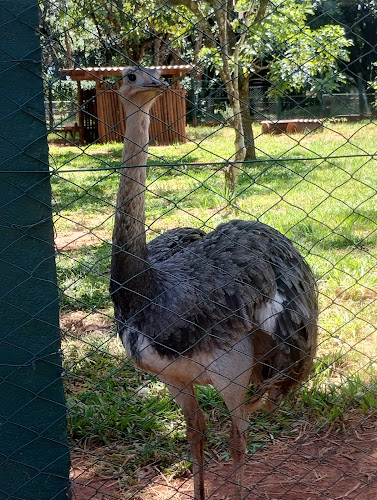
Uberlandia Zoo

Estação Ferroviária Sobradinho

Waterfall Sucupira
Find Accommodations Nearby
Recommended Tours & Activities
Visitor Reviews
There are no reviews yet. Be the first one to write one.
Share Your Experience
Have you visited Paróquia Nossa Senhora das Dores? Help other travelers by leaving a review.