
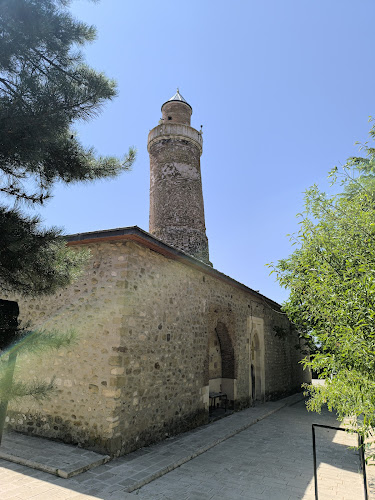
Ulu Mosque
About Ulu Mosque
The Ulu Mosque stands as one of those places where history genuinely speaks to you through its architecture and atmosphere. When travelers step through its entrance, they’re walking into centuries of religious and cultural significance that has shaped the region’s identity in profound ways. The mosque serves not just as an active place of worship but as a testament to the craftsmanship and artistic vision of the era in which it was built.
What strikes most visitors first is the sheer authenticity of the experience. This isn’t some over-restored tourist trap where everything feels sanitized for western consumption. The Ulu Mosque maintains its character as a living, breathing religious site while welcoming curious travelers who want to understand more about Islamic architecture and culture. And honestly, that balance is pretty rare to find these days.
The structure itself tells stories through every carved detail and weathered stone. I remember chatting with a local guide once who pointed out how each architectural element served both practical and spiritual purposes – nothing was merely decorative for decoration’s sake. The builders thought about how light would filter through at different times of day, how sound would carry during prayer calls, and how the space would make worshippers feel connected to something greater than themselves.
For travelers interested in religious architecture, the Ulu Mosque provides an exceptional opportunity to witness Islamic design principles in action. The proportions, the geometric patterns, the interplay of open and enclosed spaces – it all follows traditions that have been refined over hundreds of years. But you don’t need to be an architecture buff to appreciate the beauty here. Sometimes the most powerful moments come from simply sitting quietly and absorbing the peaceful atmosphere that permeates the entire complex.
Key Features
The Ulu Mosque offers several distinctive elements that make it worth including on any traveler’s itinerary:
• The prayer hall showcases remarkable examples of traditional Islamic calligraphy and geometric ornamentation that demonstrate the artistic heights achieved by craftsmen of the period
• Accessibility features including wheelchair accessible parking make the site welcoming to visitors with mobility considerations, which unfortunately isn’t standard at many historical religious sites in the region
• Restroom facilities are available on-site, addressing one of those practical concerns that can make or break a sightseeing experience when you’re spending hours exploring
• The mihrab displays intricate tilework and carved details that represent some of the finest examples of decorative arts from the mosque’s construction period
• Multiple architectural styles blend together in ways that reflect different periods of renovation and expansion, creating a visual timeline of the region’s history
• The courtyard provides a tranquil space for reflection and offers excellent photo opportunities, particularly during golden hour when the light hits the stone at perfect angles
• Active use as a functioning mosque means travelers can witness authentic religious practices and gain insight into contemporary Islamic worship traditions
• The acoustics within the main prayer hall were designed with remarkable sophistication, allowing the imam’s voice to carry throughout the space without modern amplification
• Preservation efforts have maintained the structural integrity while respecting the original design intent, avoiding the heavy-handed restorations that sometimes strip historical buildings of their character
Best Time to Visit
Timing your visit to the Ulu Mosque requires thinking about both practical considerations and what kind of experience you’re hoping to have. The mosque welcomes visitors throughout the year, but certain times definitely offer advantages over others.
Early morning visits, particularly just after sunrise, provide some of the most serene experiences. The morning light creates beautiful effects as it streams through the architectural features, and you’ll encounter fewer crowds. Plus, there’s something special about experiencing the space during the peaceful early hours before the day’s heat sets in. I’ve found that arriving around 8 or 9 AM gives you plenty of time to explore before tour groups start rolling in around midday.
Fridays hold special significance as the Muslim day of congregational prayer. While this makes Friday afternoon particularly authentic from a cultural perspective, it also means the mosque will be busiest during and around the main prayer time. Non-Muslim visitors should be especially respectful during these periods and might find better viewing opportunities before or after the main prayer session. But if you want to witness the mosque fulfilling its primary religious function, Friday provides that chance.
Weather plays a significant role too. The hot summer months can make extensive outdoor exploration of the courtyard pretty uncomfortable, especially during the midday hours. Spring and autumn offer more moderate temperatures that make wandering the complex much more pleasant. Winter visits are certainly possible and you’ll deal with smaller crowds, but bring layers since the interior spaces can get chilly.
Avoiding major Islamic holidays is generally advisable unless you specifically want to witness the celebrations. During Ramadan, Eid al-Fitr, and Eid al-Adha, the mosque naturally focuses on serving its religious community, and tourist access may be limited or less appropriate. That said, some travelers specifically seek out these times to gain deeper cultural understanding – just do your homework beforehand and be prepared to respect whatever access restrictions are in place.
The shoulder seasons – late March through May and September through October – hit the sweet spot for most travelers. You get decent weather, manageable crowd levels, and the surrounding area is typically at its most photogenic.
How to Get There
Reaching the Ulu Mosque requires some planning, but it’s definitely manageable for travelers with various transportation preferences and budgets. The accessibility features including wheelchair parking demonstrate that reaching the site is possible for visitors with different mobility needs.
Taxis represent the most straightforward option for most travelers. Local taxi drivers are generally familiar with the mosque as a landmark, so language barriers shouldn’t prevent you from communicating your destination. Agree on the fare before departing or insist the meter is running – this saves awkward negotiations when you arrive. Ride-sharing apps have become increasingly available in many areas and offer the advantage of predetermined pricing and GPS navigation.
Public transportation serves the area around the mosque, though you’ll need to do a bit of research specific to your starting point. Bus routes change periodically, so checking current schedules through your accommodation or a local tourism office makes sense. The advantage of public transit is cost savings and the chance to experience local commuting culture, though it obviously takes longer than direct taxi service.
For travelers comfortable with self-driving, rental cars provide flexibility for combining the mosque visit with other nearby attractions. The wheelchair accessible parking lot gives you confidence that parking facilities exist, which isn’t always a given at historical sites. Navigation apps work well in the area, though having a backup paper map never hurts when you’re traveling somewhere unfamiliar.
Walking to the Ulu Mosque is possible if your accommodation sits within reasonable distance. Some travelers genuinely enjoy the opportunity to explore neighborhoods on foot and stumble across unexpected discoveries along the way. Just be realistic about distances and weather conditions – what looks like a pleasant stroll on a map can become exhausting in hot weather with inadequate shade.
Organized tours frequently include the Ulu Mosque as part of broader itineraries covering multiple historical and cultural sites. This approach works well for travelers on tight schedules or those who value the context and information that knowledgeable guides provide. The downside is less flexibility in terms of timing and how long you can spend at the mosque itself.
Tips for Visiting
Making the most of your Ulu Mosque visit involves understanding both the practical logistics and the cultural expectations that come with entering an active religious site. These aren’t just arbitrary rules – they reflect deep-rooted religious traditions that deserve respect.
Modest dress is absolutely non-negotiable. Women should cover their hair with a scarf, and both men and women need to ensure their arms and legs are covered. Some mosques provide loaner coverings at the entrance, but you shouldn’t count on this being available. Bringing your own scarf and wearing appropriate clothing from the start saves hassle and demonstrates respect. Loose-fitting clothes work better than tight garments, even if they technically cover the required areas.
Footwear removal before entering the prayer areas is standard practice at mosques worldwide. You’ll typically find designated areas for shoe storage near entrances. Wearing shoes that slip on and off easily makes this process smoother, and bringing socks means you won’t be walking barefoot on potentially hot or cold floors. Some travelers carry a plastic bag to hold their shoes if they’re concerned about storage security.
Photography policies vary depending on whether services are occurring and where within the mosque you want to shoot. Generally, exterior courtyard photography is fine, but interior spaces may have restrictions. Always ask permission before photographing people, and be especially cautious during prayer times. Getting that perfect Instagram shot isn’t worth disrupting someone’s religious practice or violating the sanctity of the space.
Prayer times deserve special consideration. Even if the mosque allows tourist visits during prayers, maintaining absolute silence and staying well clear of those who are praying is essential. Better yet, time your visit between prayer sessions to avoid any potential for disturbance. Most mosques post prayer time schedules, or you can easily find them through various apps and websites.
The restroom facilities available on-site make extended visits more comfortable, but these are intended for ritual washing (wudu) in addition to standard restroom purposes. Be respectful of worshippers using the facilities for religious preparation, and keep your time there brief.
Bringing a knowledgeable guide – either through an organized tour or hired independently – dramatically enriches the experience. The architectural and historical details that might escape notice suddenly become meaningful when someone explains their significance. And frankly, having someone who can answer your questions and provide cultural context helps you avoid inadvertent faux pas.
Small donations, if a collection box is available, help with maintenance and preservation efforts. These historical buildings require constant care, and tourism that gives nothing back feels a bit exploitative. Even a modest contribution makes a difference.
Visiting during less busy times means more opportunity for quiet reflection and unobstructed photography. Those viral travel photos showing empty, pristine spaces? They’re usually shot very early in the morning for good reason. But even if crowds are present, the Ulu Mosque’s atmosphere and architectural beauty shine through.
Staying hydrated matters, especially during warmer months, though consuming food and drinks inside the prayer areas is inappropriate. Handle this by hydrating before entry and using the courtyard or external areas if you need water during your visit.
Finally, keep an open mind and heart. The Ulu Mosque offers more than just another checkmark on a sightseeing list. It’s a window into religious traditions, artistic achievement, and cultural values that have shaped countless lives over centuries. Approaching with genuine curiosity rather than just tourist obligation makes all the difference in what you’ll take away from the experience.
Key Features
- Historic stone architecture integrated into Harput’s old town
- Traditional wooden interior elements including painted ceiling
- Panoramic views over Elazığ and the Euphrates plain from the hilltop setting
- Close proximity to other Harput monuments (tombs, citadel remains)
- Active local worship site offering authentic cultural experience
Nearby Attractions
Harput Castle (Harput Kalesi)
Imaret Mosque and surrounding historic tombs
Harput Old Houses and traditional courtyard streets
You Might Also Like

*BDT BELEK DOGA TOUR | Daily Tours, Day Trips and Excursions in Antalya*
1464. Sk. No:55
2006. Sk. No:2
Tours & Activities
GetYourGuide provides this tour inventory. We may earn a commission if you book through it; verify current availability, prices, and terms with the provider.
Visitor Reviews
There are no reviews yet. Be the first one to write one.
Share Your Experience
Have you visited Ulu Mosque? Help other travelers by leaving a review.