
Turkish & Islamic Art Museum
About Turkish & Islamic Art Museum
Description
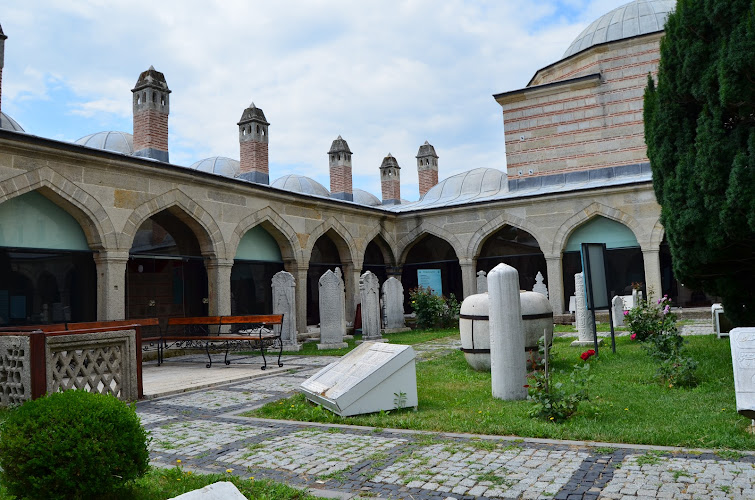
The Turkish & Islamic Art Museum in Edirne reads like a careful, low-voiced history lesson — but in the best possible way. It sits within a set of historic rooms that were once part of a larger religious complex, and the place has that slow, patient atmosphere where artifacts are allowed to speak for themselves. The museum focuses on Turkish and Islamic artistic traditions, with an emphasis on Ottoman-era objects: carpets and textiles that creak with age, delicate calligraphy panels, glazed ceramics, metalwork, and manuscript leaves that still hold the faint fingerprint smudges of centuries of readers. Those items are displayed not as trophies but as pieces of everyday life and devotion. Visitors who come expecting big, flashy installations will be a little surprised; those who care about texture, technique, and small stories will leave quietly thrilled.
On a practical note, the museum does not have an on-site restaurant. That matters if someone imagines an all-day museum crawl with a café break inside — nope. But it is a museum that families can enjoy: the layout, the accessible scale of the rooms, and the subject matter make it surprisingly good for kids. The curator-type folks who designed the displays seem to have had the sensible idea that children respond to color and pattern; the carpets and tiles do the heavy lifting, and they usually keep little hands and little imaginations busy. So yes, good for kids. That said, there are spots where fragile objects are close to the path, so a short, calm briefing with the little ones (you know the drill: gentle voices, no running) will help everyone enjoy the visit more.
What sets this museum apart from bigger national institutions is its intimacy. There's a feeling of being allowed into a private room of Edirne's past. The museum's collection is not an attempt to outshine Istanbul museums; instead, it highlights regional craftsmanship with an affectionate, local curatorial voice. Certain pieces — a worn prayer rug with a repair that tells a thousand small stories, or a scrap of a manuscript with a marginal note in Ottoman Turkish — feel like discoveries rather than headlines. And that’s oddly refreshing; the visitor will often find themselves leaning closer to read, instead of being shepherded along by roped queues and audio-guide time limits.
For travelers who like context along with objects, the museum does a decent job of offering historical framing without drowning the visitor in long wall-text essays. Short, sharp labels and a few well-chosen background panels give enough context about technique, date, and cultural significance. People who want deep academic detail might leave with questions — which is fair — but for most, the balance is productive. The displays encourage curiosity. They invite questions like: how did a certain glaze become favored, or why is that carved metal object shaped this way? Those are the questions that lead to the best museum conversations; the ones with friends, or with a local guide, or even with oneself while sitting for a minute and letting a small, painted face on a ceramic tile keep company with your thoughts.
The building's architecture contributes to the experience. Ceilings, arches, and the play of natural light across tiles create a kind of informal theater for the objects. On one rainy afternoon, the guide remembers, the museum felt like a private salon: soft echo, intermittent footsteps, and the way the light made a metallic bowl look almost like a moon — an unexpected bit of theater. Little moments like that are frequent here. You won’t find flashy technology or interactive installations, but you will find space to reflect. That’s an important distinction for travelers deciding whether to include the museum on a tight Edirne itinerary.
Accessibility is mixed, depending on which room is hosting which objects on any given day. Some areas are on a single level and comfortable to move through; others have steps and tight doorways that reflect the historical character of the building. Those traveling with mobility concerns should plan a bit ahead, ask at the desk on arrival, and take their time. It’s not a transit hub — it’s a museum in an old space that wants to keep its bones intact.
There are a few lesser-known highlights that the museum rewards those who take time to notice. For example, the small collection of metalwork — bowls, inkwells, candlesticks — often gets overshadowed by the big carpets and manuscripts, but these pieces show exquisite inlay, engraving, and patina that reveal how metalworkers experimented with techniques across the centuries. The manuscript fragments, too, are quietly goldmines: marginalia, repairs, and palimpsests that hint at how books were used and re-used. And if someone lingers by the textiles, they will notice not just patterns but repairs and signs of use. The repairs tell equally important stories: how a treasured prayer carpet was mended and then mended again. The humanity of that kind of thing is what makes a visit memorable.
One should also note the museum’s role in local culture. While it receives many international visitors, a steady flow of local school groups and regional tourists keeps the exhibits anchored in community life. That mix makes for a friendly, sometimes chatty atmosphere where you might overhear a local grandparent explaining a pattern to a child. Those small conversations are, in their way, as instructive as any placard. Travelers who pause to listen could find themselves with an impromptu folklore lesson about a motif or technique.
For photographers: the museum is forgiving but guarded. Flash photography is usually discouraged — obvious, yes — and some showcases are glassed, which produces reflections. But the interplay of shadow and material, along with quiet alcoves, offers ample composition opportunities for those patient enough to wait for a lull. People who travel for photos should bring a small lens that performs in low light rather than relying on phone cameras to do the heavy lifting under dim gallery lights.
On a slightly more practical note, the museum’s signage can be a mixed bag. Some labels are translated into a couple of languages, but not every object has a detailed bilingual description. This is where a short guidebook or a quick pre-visit read about Ottoman art can enhance appreciation. Most visitors still manage fine without deep knowledge; the visual power of the objects is generous. But if someone is a serious student of calligraphy or textile weaving, a little advance reading will turn the visit from pleasant to absorbing.
One final thing: the museum sits within walking distance of other historical sites in Edirne, so it pairs well with a half-day of exploration. But don’t rush. The museum rewards the visitor who slows down, peers closely, and allows small discoveries to accumulate. In the quiet of its galleries, even a ten-minute pause can yield a moment that lingers — a particular blue tile, the sly curve of an inscription, the smell of old paper. These are the things that stay with people long after they leave the mosque-turned-museum and step back into the city’s bustle.
In short, this Turkish & Islamic Art Museum is a compact, thoughtful stop for travelers who appreciate craft, history, and the small evidence of everyday life across centuries. It’s not flashy. It doesn’t try to be. Instead it offers a careful, human-scale encounter with Ottoman and Islamic artistic traditions. Those who plan for no meal inside (remember, no restaurant), bring children along with gentle rules, and set aside time to look closely will find it one of Edirne’s quietly rewarding cultural sites. The place is good company for a curious mind, and that’s a recommendation that the writer can stand behind — no hyperbole needed, just a genuine suggestion to slow down and look.
Key Features
More Details
Updated August 30, 2025
Table of Contents
Description
The Turkish & Islamic Art Museum in Edirne reads like a careful, low-voiced history lesson — but in the best possible way. It sits within a set of historic rooms that were once part of a larger religious complex, and the place has that slow, patient atmosphere where artifacts are allowed to speak for themselves. The museum focuses on Turkish and Islamic artistic traditions, with an emphasis on Ottoman-era objects: carpets and textiles that creak with age, delicate calligraphy panels, glazed ceramics, metalwork, and manuscript leaves that still hold the faint fingerprint smudges of centuries of readers. Those items are displayed not as trophies but as pieces of everyday life and devotion. Visitors who come expecting big, flashy installations will be a little surprised; those who care about texture, technique, and small stories will leave quietly thrilled.
On a practical note, the museum does not have an on-site restaurant. That matters if someone imagines an all-day museum crawl with a café break inside — nope. But it is a museum that families can enjoy: the layout, the accessible scale of the rooms, and the subject matter make it surprisingly good for kids. The curator-type folks who designed the displays seem to have had the sensible idea that children respond to color and pattern; the carpets and tiles do the heavy lifting, and they usually keep little hands and little imaginations busy. So yes, good for kids. That said, there are spots where fragile objects are close to the path, so a short, calm briefing with the little ones (you know the drill: gentle voices, no running) will help everyone enjoy the visit more.
What sets this museum apart from bigger national institutions is its intimacy. There’s a feeling of being allowed into a private room of Edirne’s past. The museum’s collection is not an attempt to outshine Istanbul museums; instead, it highlights regional craftsmanship with an affectionate, local curatorial voice. Certain pieces — a worn prayer rug with a repair that tells a thousand small stories, or a scrap of a manuscript with a marginal note in Ottoman Turkish — feel like discoveries rather than headlines. And that’s oddly refreshing; the visitor will often find themselves leaning closer to read, instead of being shepherded along by roped queues and audio-guide time limits.
For travelers who like context along with objects, the museum does a decent job of offering historical framing without drowning the visitor in long wall-text essays. Short, sharp labels and a few well-chosen background panels give enough context about technique, date, and cultural significance. People who want deep academic detail might leave with questions — which is fair — but for most, the balance is productive. The displays encourage curiosity. They invite questions like: how did a certain glaze become favored, or why is that carved metal object shaped this way? Those are the questions that lead to the best museum conversations; the ones with friends, or with a local guide, or even with oneself while sitting for a minute and letting a small, painted face on a ceramic tile keep company with your thoughts.
The building’s architecture contributes to the experience. Ceilings, arches, and the play of natural light across tiles create a kind of informal theater for the objects. On one rainy afternoon, the guide remembers, the museum felt like a private salon: soft echo, intermittent footsteps, and the way the light made a metallic bowl look almost like a moon — an unexpected bit of theater. Little moments like that are frequent here. You won’t find flashy technology or interactive installations, but you will find space to reflect. That’s an important distinction for travelers deciding whether to include the museum on a tight Edirne itinerary.
Accessibility is mixed, depending on which room is hosting which objects on any given day. Some areas are on a single level and comfortable to move through; others have steps and tight doorways that reflect the historical character of the building. Those traveling with mobility concerns should plan a bit ahead, ask at the desk on arrival, and take their time. It’s not a transit hub — it’s a museum in an old space that wants to keep its bones intact.
There are a few lesser-known highlights that the museum rewards those who take time to notice. For example, the small collection of metalwork — bowls, inkwells, candlesticks — often gets overshadowed by the big carpets and manuscripts, but these pieces show exquisite inlay, engraving, and patina that reveal how metalworkers experimented with techniques across the centuries. The manuscript fragments, too, are quietly goldmines: marginalia, repairs, and palimpsests that hint at how books were used and re-used. And if someone lingers by the textiles, they will notice not just patterns but repairs and signs of use. The repairs tell equally important stories: how a treasured prayer carpet was mended and then mended again. The humanity of that kind of thing is what makes a visit memorable.
One should also note the museum’s role in local culture. While it receives many international visitors, a steady flow of local school groups and regional tourists keeps the exhibits anchored in community life. That mix makes for a friendly, sometimes chatty atmosphere where you might overhear a local grandparent explaining a pattern to a child. Those small conversations are, in their way, as instructive as any placard. Travelers who pause to listen could find themselves with an impromptu folklore lesson about a motif or technique.
For photographers: the museum is forgiving but guarded. Flash photography is usually discouraged — obvious, yes — and some showcases are glassed, which produces reflections. But the interplay of shadow and material, along with quiet alcoves, offers ample composition opportunities for those patient enough to wait for a lull. People who travel for photos should bring a small lens that performs in low light rather than relying on phone cameras to do the heavy lifting under dim gallery lights.
On a slightly more practical note, the museum’s signage can be a mixed bag. Some labels are translated into a couple of languages, but not every object has a detailed bilingual description. This is where a short guidebook or a quick pre-visit read about Ottoman art can enhance appreciation. Most visitors still manage fine without deep knowledge; the visual power of the objects is generous. But if someone is a serious student of calligraphy or textile weaving, a little advance reading will turn the visit from pleasant to absorbing.
One final thing: the museum sits within walking distance of other historical sites in Edirne, so it pairs well with a half-day of exploration. But don’t rush. The museum rewards the visitor who slows down, peers closely, and allows small discoveries to accumulate. In the quiet of its galleries, even a ten-minute pause can yield a moment that lingers — a particular blue tile, the sly curve of an inscription, the smell of old paper. These are the things that stay with people long after they leave the mosque-turned-museum and step back into the city’s bustle.
In short, this Turkish & Islamic Art Museum is a compact, thoughtful stop for travelers who appreciate craft, history, and the small evidence of everyday life across centuries. It’s not flashy. It doesn’t try to be. Instead it offers a careful, human-scale encounter with Ottoman and Islamic artistic traditions. Those who plan for no meal inside (remember, no restaurant), bring children along with gentle rules, and set aside time to look closely will find it one of Edirne’s quietly rewarding cultural sites. The place is good company for a curious mind, and that’s a recommendation that the writer can stand behind — no hyperbole needed, just a genuine suggestion to slow down and look.
Key Highlights
Turkish & Islamic Art Museum
Location
Places to Stay Near Turkish & Islamic Art Museum
Find and Book a Tour
Explore More Travel Guides
No reviews found! Be the first to review!
Traveler Reviews for Turkish & Islamic Art Museum
There are no reviews yet. Be the first one to write one.
Have you visited Turkish & Islamic Art Museum? Help other travelers by sharing your review.
You Might Also Like
Göldağı Tabiat Parkı
Manisa Castle
Ataturk Museum
Find Accommodations Nearby
Recommended Tours & Activities
Visitor Reviews
There are no reviews yet. Be the first one to write one.
Share Your Experience
Have you visited Turkish & Islamic Art Museum? Help other travelers by leaving a review.