
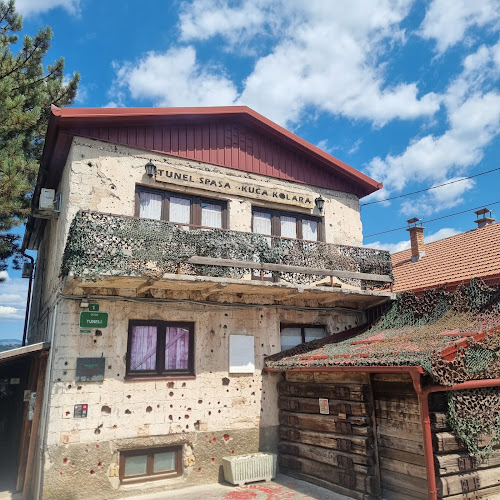
Tunnel of Salvation
About Tunnel of Salvation
Description
The Tunnel of Salvation, also known as the Sarajevo Tunnel, is one of those places that quietly leaves you speechless. It’s not grand or flashy like some war museums, but it carries a kind of gravity that you can feel the moment you step inside. Built during the Siege of Sarajevo in the early 1990s, this underground passage served as a lifeline for the city’s trapped residents. It’s a small museum now, tucked near the airport, preserving the memory of those desperate, courageous days when survival depended on ingenuity and sheer willpower.
Walking through the narrow, dimly lit corridor, you can almost hear the echoes of hurried footsteps, whispered conversations, the clatter of supplies being passed hand to hand. The air feels thick with history. It’s not a place that sugarcoats anything—there’s a raw honesty here. The museum displays old uniforms, photographs, and video footage that show what life was like under siege. Some visitors find it emotionally heavy, others deeply inspiring. I remember thinking how surreal it was that this modest tunnel once carried hope, food, and medicine to thousands of people cut off from the world.
What makes the Tunnel of Salvation stand out isn’t just its historical importance—it’s the human story behind it. The people of Sarajevo didn’t wait for rescue; they built their own way out. It’s a testament to resilience, and honestly, it hits you hard. There’s a certain humility in seeing how people can adapt and survive when everything is stripped away. The museum is small, yes, but it’s powerful. You don’t need hours here; even a short visit leaves a lasting impression.
Key Features
- Authentic Tunnel Section: Visitors can walk through a preserved portion of the original 800-meter tunnel, experiencing the same narrow, muddy path used during the siege.
- Historical Exhibits: Displays include wartime artifacts, personal belongings, tools, and original construction materials that tell the story of Sarajevo’s endurance.
- Documentary Film: A short, emotional film provides background on the siege and the tunnel’s creation, adding context before exploring the site.
- Guided Tours: Knowledgeable guides—some who lived through the war—share personal stories and local perspectives that bring the history to life.
- Wheelchair Accessible Parking: The site offers accessible parking, though the tunnel itself may be challenging for those with mobility issues due to its low ceiling and uneven floor.
- Family-Friendly: While the subject matter is serious, older children can gain valuable insight into history and empathy through the exhibits.
- Restroom Facilities: Basic amenities are available on-site for visitor comfort.
Best Time to Visit
Sarajevo’s weather can be unpredictable, so the best time to visit the Tunnel of Salvation is during late spring or early autumn. Around May to October, the temperatures are mild, and the city feels alive with outdoor cafés and festivals. I went once in July, and while the museum itself is partly underground (so it stays cool), the walk from the city center in the summer heat was a bit much. Winter visits are possible too, but icy paths and shorter daylight hours can make travel less convenient.
If you enjoy quieter experiences, aim for early morning or late afternoon. Tour buses tend to roll in mid-day, and the space inside is limited. There’s something almost sacred about being there when it’s quiet—you can take your time, reflect, and really absorb the weight of it all without the crowd chatter breaking the atmosphere.
How to Get There
Getting to the Tunnel of Salvation is fairly straightforward. It’s located near Sarajevo International Airport, about 8 kilometers from the city center. You can reach it by taxi, which is the simplest option if you’re short on time. Most drivers know exactly where it is—just say “Tunel Spasa” and they’ll nod knowingly.
If you prefer public transport, hop on tram line 3 or take a local bus heading toward Dobrinja, then walk the last stretch. It’s not the most scenic route, but it gives you a glimpse of everyday Sarajevo life beyond the tourist core. Some visitors join organized tours that include transport and a guide, which can be handy if you want the full historical context. I once biked there from the old town—it took about 40 minutes and gave me a sense of the city’s layout, but the traffic can be a bit chaotic, so maybe only for the adventurous.
Tips for Visiting
Visiting the Tunnel of Salvation isn’t like going to a typical museum—it’s more personal, more emotional. Here are a few things I’ve learned or heard from fellow travelers that might help you make the most of your visit:
- Take your time: It’s easy to rush through, but slow down and really look at the photos and artifacts. Each one tells a story that deserves a moment of respect.
- Watch the film first: The short documentary sets the stage beautifully. You’ll understand the context much better before stepping into the tunnel itself.
- Bring cash: The entrance fee is modest, but not all payment options are accepted. A small souvenir shop nearby sells postcards and local crafts—cash only.
- Dress comfortably: The tunnel is low and can be damp. Wear shoes you don’t mind getting dusty, and if you’re tall, be prepared to stoop a bit.
- Be respectful: This isn’t just a tourist attraction—it’s a memorial site. Locals still visit to remember friends and family. Keep voices low and avoid taking photos of people without permission.
- Combine it with other sites: If you’re exploring Sarajevo’s wartime history, pair your visit with the Historical Museum or the Sniper Alley area for a fuller picture.
- Talk to the guides: Seriously, do it. Their stories are the heart of the experience. One guide told me how he helped dig the tunnel as a teenager—it was one of those moments that stick with you forever.
- Plan for about an hour: The museum is compact, so an hour is usually enough to see everything without feeling rushed.
And here’s a small personal note: when you leave, take a moment outside to just breathe. You’ll see modern Sarajevo stretching out beyond the museum—the same city that once endured so much. It’s humbling, really, how life goes on. The Tunnel of Salvation isn’t just about war; it’s about survival, courage, and the quiet strength of ordinary people. It’s one of those rare places that remind you how fragile peace can be—and how much it’s worth protecting.
Key Features
- Key Features
- Best Time to Visit
- How to Get There
- Tips for Visiting
More Details
Updated October 8, 2025
Table of Contents
Description
The Tunnel of Salvation, also known as the Sarajevo Tunnel, is one of those places that quietly leaves you speechless. It’s not grand or flashy like some war museums, but it carries a kind of gravity that you can feel the moment you step inside. Built during the Siege of Sarajevo in the early 1990s, this underground passage served as a lifeline for the city’s trapped residents. It’s a small museum now, tucked near the airport, preserving the memory of those desperate, courageous days when survival depended on ingenuity and sheer willpower.
Walking through the narrow, dimly lit corridor, you can almost hear the echoes of hurried footsteps, whispered conversations, the clatter of supplies being passed hand to hand. The air feels thick with history. It’s not a place that sugarcoats anything—there’s a raw honesty here. The museum displays old uniforms, photographs, and video footage that show what life was like under siege. Some visitors find it emotionally heavy, others deeply inspiring. I remember thinking how surreal it was that this modest tunnel once carried hope, food, and medicine to thousands of people cut off from the world.
What makes the Tunnel of Salvation stand out isn’t just its historical importance—it’s the human story behind it. The people of Sarajevo didn’t wait for rescue; they built their own way out. It’s a testament to resilience, and honestly, it hits you hard. There’s a certain humility in seeing how people can adapt and survive when everything is stripped away. The museum is small, yes, but it’s powerful. You don’t need hours here; even a short visit leaves a lasting impression.
Key Features
- Authentic Tunnel Section: Visitors can walk through a preserved portion of the original 800-meter tunnel, experiencing the same narrow, muddy path used during the siege.
- Historical Exhibits: Displays include wartime artifacts, personal belongings, tools, and original construction materials that tell the story of Sarajevo’s endurance.
- Documentary Film: A short, emotional film provides background on the siege and the tunnel’s creation, adding context before exploring the site.
- Guided Tours: Knowledgeable guides—some who lived through the war—share personal stories and local perspectives that bring the history to life.
- Wheelchair Accessible Parking: The site offers accessible parking, though the tunnel itself may be challenging for those with mobility issues due to its low ceiling and uneven floor.
- Family-Friendly: While the subject matter is serious, older children can gain valuable insight into history and empathy through the exhibits.
- Restroom Facilities: Basic amenities are available on-site for visitor comfort.
Best Time to Visit
Sarajevo’s weather can be unpredictable, so the best time to visit the Tunnel of Salvation is during late spring or early autumn. Around May to October, the temperatures are mild, and the city feels alive with outdoor cafés and festivals. I went once in July, and while the museum itself is partly underground (so it stays cool), the walk from the city center in the summer heat was a bit much. Winter visits are possible too, but icy paths and shorter daylight hours can make travel less convenient.
If you enjoy quieter experiences, aim for early morning or late afternoon. Tour buses tend to roll in mid-day, and the space inside is limited. There’s something almost sacred about being there when it’s quiet—you can take your time, reflect, and really absorb the weight of it all without the crowd chatter breaking the atmosphere.
How to Get There
Getting to the Tunnel of Salvation is fairly straightforward. It’s located near Sarajevo International Airport, about 8 kilometers from the city center. You can reach it by taxi, which is the simplest option if you’re short on time. Most drivers know exactly where it is—just say “Tunel Spasa” and they’ll nod knowingly.
If you prefer public transport, hop on tram line 3 or take a local bus heading toward Dobrinja, then walk the last stretch. It’s not the most scenic route, but it gives you a glimpse of everyday Sarajevo life beyond the tourist core. Some visitors join organized tours that include transport and a guide, which can be handy if you want the full historical context. I once biked there from the old town—it took about 40 minutes and gave me a sense of the city’s layout, but the traffic can be a bit chaotic, so maybe only for the adventurous.
Tips for Visiting
Visiting the Tunnel of Salvation isn’t like going to a typical museum—it’s more personal, more emotional. Here are a few things I’ve learned or heard from fellow travelers that might help you make the most of your visit:
- Take your time: It’s easy to rush through, but slow down and really look at the photos and artifacts. Each one tells a story that deserves a moment of respect.
- Watch the film first: The short documentary sets the stage beautifully. You’ll understand the context much better before stepping into the tunnel itself.
- Bring cash: The entrance fee is modest, but not all payment options are accepted. A small souvenir shop nearby sells postcards and local crafts—cash only.
- Dress comfortably: The tunnel is low and can be damp. Wear shoes you don’t mind getting dusty, and if you’re tall, be prepared to stoop a bit.
- Be respectful: This isn’t just a tourist attraction—it’s a memorial site. Locals still visit to remember friends and family. Keep voices low and avoid taking photos of people without permission.
- Combine it with other sites: If you’re exploring Sarajevo’s wartime history, pair your visit with the Historical Museum or the Sniper Alley area for a fuller picture.
- Talk to the guides: Seriously, do it. Their stories are the heart of the experience. One guide told me how he helped dig the tunnel as a teenager—it was one of those moments that stick with you forever.
- Plan for about an hour: The museum is compact, so an hour is usually enough to see everything without feeling rushed.
And here’s a small personal note: when you leave, take a moment outside to just breathe. You’ll see modern Sarajevo stretching out beyond the museum—the same city that once endured so much. It’s humbling, really, how life goes on. The Tunnel of Salvation isn’t just about war; it’s about survival, courage, and the quiet strength of ordinary people. It’s one of those rare places that remind you how fragile peace can be—and how much it’s worth protecting.
Key Highlights
- Key Features
- Best Time to Visit
- How to Get There
- Tips for Visiting
Location
Places to Stay Near Tunnel of Salvation
Find and Book a Tour
Explore More Travel Guides
No reviews found! Be the first to review!
Traveler Reviews for Tunnel of Salvation
There are no reviews yet. Be the first one to write one.
Have you visited Tunnel of Salvation? Help other travelers by sharing your review.
You Might Also Like

71000 Sarajevo
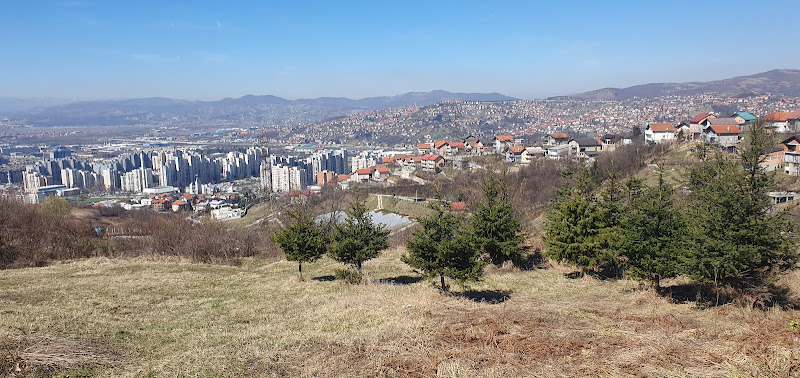
Forest Park Mojmilo
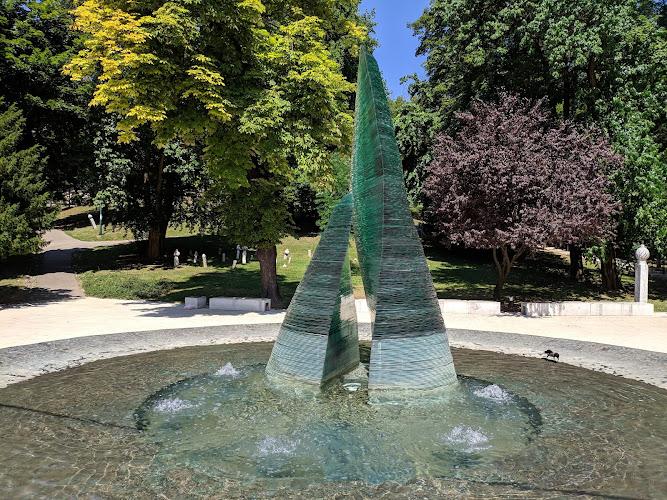
Veliki park
Find Accommodations Nearby
Recommended Tours & Activities
Visitor Reviews
There are no reviews yet. Be the first one to write one.
Share Your Experience
Have you visited Tunnel of Salvation? Help other travelers by leaving a review.