

Gazi Husrev-beg Mosque
About Gazi Husrev-beg Mosque
Description
The Gazi Husrev-beg Mosque is one of those places that quietly takes your breath away before you even realize it. Standing right in the heart of Sarajevo’s old bazaar, Baščaršija, this 16th-century Ottoman masterpiece has been watching over the city for nearly 500 years. Built in 1532 under the patronage of Gazi Husrev-beg, a visionary governor and philanthropist, the mosque isn’t just a building—it’s a story carved in stone, echoing faith, culture, and resilience. You can almost feel the centuries humming in the marble courtyard, where locals and travelers alike pause between the call to prayer and the rustle of everyday life.
Now, I’ve been to a fair share of mosques around the world, but there’s something about this one that sticks with you. Maybe it’s the way the sunlight slides over its domes in the late afternoon, or how the call to prayer drifts through the narrow streets, bouncing off the old Ottoman facades. It’s not overly grand in that flashy, modern way—its beauty lies in balance, proportion, and quiet dignity. And that’s what makes it truly special.
Inside, the air feels cooler, calmer. The geometric patterns and calligraphy, drawn with such precision, seem to whisper stories of devotion and artistry. The mosque complex also includes a madrasa, library, and clock tower—each piece contributing to a larger vision of community and learning that Gazi Husrev-beg imagined centuries ago. It’s not just a place to pray; it’s a living symbol of Sarajevo’s soul.
Key Features
- Architectural Significance: Built in 1532, the mosque represents the pinnacle of classical Ottoman design in the Balkans, with its central dome and elegant minaret defining Sarajevo’s skyline.
- Historical Importance: Commissioned by Gazi Husrev-beg, one of the most influential Ottoman governors in the region, it became a cultural and educational hub for centuries.
- Intricate Interior: The mosque’s interior showcases hand-painted arabesques, Quranic inscriptions, and traditional Bosnian-Ottoman motifs that reflect both artistry and devotion.
- Cultural Complex: The site includes a madrasa (Islamic school), the Gazi Husrev-beg Library, and a clock tower—each an integral part of the original foundation (waqf) established by the benefactor.
- Community Spirit: Still an active place of worship, the mosque welcomes visitors of all backgrounds, offering a glimpse into Sarajevo’s enduring blend of faith and hospitality.
- Accessibility: The entrance is wheelchair accessible, and the complex includes restrooms and shaded areas for rest, making it comfortable for all visitors.
What I personally love most is how the mosque doesn’t feel like a museum piece—it’s alive. You’ll see locals dropping by for prayer, students chatting under the arches, and tourists quietly admiring the craftsmanship. It’s a blend of sacred and everyday life that feels rare in today’s world.
Best Time to Visit
Sarajevo has a rhythm that changes with the seasons, and the Gazi Husrev-beg Mosque moves right along with it. If you ask me, spring and early autumn are the sweet spots. The weather is mild, the air smells faintly of roasted coffee from nearby cafés, and the courtyard glows under soft, golden light. Summer can get busy—especially around midday when tour groups roll in—but mornings are peaceful, almost meditative.
Winter, though quieter, has its own charm. The snow sometimes dusts the domes, and the contrast between the white rooftops and the mosque’s stone walls is something straight out of a painting. Just remember that daylight hours are shorter, so plan your visit early. And if you happen to be there during Ramadan, you’ll witness a different kind of energy—one that’s deeply spiritual yet warmly communal.
How to Get There
Getting to the mosque is surprisingly easy once you’re in Sarajevo’s old town. The area is pedestrian-friendly, and the narrow cobbled streets lead you almost naturally toward it. If you’re staying nearby, you’ll probably hear the call to prayer guiding you in the right direction. Public trams and buses stop close to the old bazaar, and from there it’s just a short walk through streets lined with copper shops, bakeries, and small cafés that smell of freshly brewed Bosnian coffee.
If you’re driving, parking can be tricky—best to leave your car a bit outside the old town and enjoy the walk. Honestly, wandering through Baščaršija is half the experience. Every corner reveals something: a craftsman hammering silver, the sound of pigeons fluttering in the square, the chatter of locals. And then suddenly, there it is—the mosque, serene and timeless, framed by the city’s heartbeat.
Tips for Visiting
Visiting the Gazi Husrev-beg Mosque isn’t complicated, but a few small things can make your experience smoother—and more meaningful.
- Dress Modestly: As it’s an active place of worship, modest attire is essential. Women should cover their heads, and everyone should remove their shoes before entering. Scarves are often available at the entrance if you forget one.
- Visit Outside Prayer Times: Non-Muslim visitors are welcome, but access to the main prayer hall is limited during prayer times. Mid-morning or mid-afternoon tends to be ideal for sightseeing.
- Take Your Time: Don’t rush through. Sit in the courtyard if you can, listen to the city around you, and just breathe it in. It’s one of those places that rewards stillness.
- Photography Etiquette: Photos are allowed, but always be respectful of worshippers. Avoid using flash inside the prayer hall.
- Explore the Surroundings: After your visit, wander through the nearby bazaar. Grab a cup of Bosnian coffee, visit the clock tower, or step into the Gazi Husrev-beg Library—it’s a hidden gem for history buffs.
- Ask Questions: The caretakers and guides are incredibly friendly and knowledgeable. Don’t hesitate to ask about the mosque’s history or architectural details—they’re proud to share their heritage.
A little personal note: I remember sitting in the courtyard one late afternoon, just as the sun began to dip behind the hills. The call to prayer echoed softly, and for a moment, the whole city seemed to pause. It wasn’t grand or dramatic—just quietly beautiful. That’s the magic of this place. It’s not about spectacle; it’s about connection—to history, to faith, and to the rhythm of Sarajevo itself.
So, if you’re planning your trip, make sure to carve out time not just to see the Gazi Husrev-beg Mosque, but to feel it. Let it slow you down, even for a few minutes. Because in a world that’s always rushing, places like this remind us why we travel in the first place—to be moved, to learn, and to remember that beauty often hides in the stillness.
Key Features
- Key Features
- Best Time to Visit
- How to Get There
- Tips for Visiting
More Details
Updated October 8, 2025
Table of Contents
Description
The Gazi Husrev-beg Mosque is one of those places that quietly takes your breath away before you even realize it. Standing right in the heart of Sarajevo’s old bazaar, Baščaršija, this 16th-century Ottoman masterpiece has been watching over the city for nearly 500 years. Built in 1532 under the patronage of Gazi Husrev-beg, a visionary governor and philanthropist, the mosque isn’t just a building—it’s a story carved in stone, echoing faith, culture, and resilience. You can almost feel the centuries humming in the marble courtyard, where locals and travelers alike pause between the call to prayer and the rustle of everyday life.
Now, I’ve been to a fair share of mosques around the world, but there’s something about this one that sticks with you. Maybe it’s the way the sunlight slides over its domes in the late afternoon, or how the call to prayer drifts through the narrow streets, bouncing off the old Ottoman facades. It’s not overly grand in that flashy, modern way—its beauty lies in balance, proportion, and quiet dignity. And that’s what makes it truly special.
Inside, the air feels cooler, calmer. The geometric patterns and calligraphy, drawn with such precision, seem to whisper stories of devotion and artistry. The mosque complex also includes a madrasa, library, and clock tower—each piece contributing to a larger vision of community and learning that Gazi Husrev-beg imagined centuries ago. It’s not just a place to pray; it’s a living symbol of Sarajevo’s soul.
Key Features
- Architectural Significance: Built in 1532, the mosque represents the pinnacle of classical Ottoman design in the Balkans, with its central dome and elegant minaret defining Sarajevo’s skyline.
- Historical Importance: Commissioned by Gazi Husrev-beg, one of the most influential Ottoman governors in the region, it became a cultural and educational hub for centuries.
- Intricate Interior: The mosque’s interior showcases hand-painted arabesques, Quranic inscriptions, and traditional Bosnian-Ottoman motifs that reflect both artistry and devotion.
- Cultural Complex: The site includes a madrasa (Islamic school), the Gazi Husrev-beg Library, and a clock tower—each an integral part of the original foundation (waqf) established by the benefactor.
- Community Spirit: Still an active place of worship, the mosque welcomes visitors of all backgrounds, offering a glimpse into Sarajevo’s enduring blend of faith and hospitality.
- Accessibility: The entrance is wheelchair accessible, and the complex includes restrooms and shaded areas for rest, making it comfortable for all visitors.
What I personally love most is how the mosque doesn’t feel like a museum piece—it’s alive. You’ll see locals dropping by for prayer, students chatting under the arches, and tourists quietly admiring the craftsmanship. It’s a blend of sacred and everyday life that feels rare in today’s world.
Best Time to Visit
Sarajevo has a rhythm that changes with the seasons, and the Gazi Husrev-beg Mosque moves right along with it. If you ask me, spring and early autumn are the sweet spots. The weather is mild, the air smells faintly of roasted coffee from nearby cafés, and the courtyard glows under soft, golden light. Summer can get busy—especially around midday when tour groups roll in—but mornings are peaceful, almost meditative.
Winter, though quieter, has its own charm. The snow sometimes dusts the domes, and the contrast between the white rooftops and the mosque’s stone walls is something straight out of a painting. Just remember that daylight hours are shorter, so plan your visit early. And if you happen to be there during Ramadan, you’ll witness a different kind of energy—one that’s deeply spiritual yet warmly communal.
How to Get There
Getting to the mosque is surprisingly easy once you’re in Sarajevo’s old town. The area is pedestrian-friendly, and the narrow cobbled streets lead you almost naturally toward it. If you’re staying nearby, you’ll probably hear the call to prayer guiding you in the right direction. Public trams and buses stop close to the old bazaar, and from there it’s just a short walk through streets lined with copper shops, bakeries, and small cafés that smell of freshly brewed Bosnian coffee.
If you’re driving, parking can be tricky—best to leave your car a bit outside the old town and enjoy the walk. Honestly, wandering through Baščaršija is half the experience. Every corner reveals something: a craftsman hammering silver, the sound of pigeons fluttering in the square, the chatter of locals. And then suddenly, there it is—the mosque, serene and timeless, framed by the city’s heartbeat.
Tips for Visiting
Visiting the Gazi Husrev-beg Mosque isn’t complicated, but a few small things can make your experience smoother—and more meaningful.
- Dress Modestly: As it’s an active place of worship, modest attire is essential. Women should cover their heads, and everyone should remove their shoes before entering. Scarves are often available at the entrance if you forget one.
- Visit Outside Prayer Times: Non-Muslim visitors are welcome, but access to the main prayer hall is limited during prayer times. Mid-morning or mid-afternoon tends to be ideal for sightseeing.
- Take Your Time: Don’t rush through. Sit in the courtyard if you can, listen to the city around you, and just breathe it in. It’s one of those places that rewards stillness.
- Photography Etiquette: Photos are allowed, but always be respectful of worshippers. Avoid using flash inside the prayer hall.
- Explore the Surroundings: After your visit, wander through the nearby bazaar. Grab a cup of Bosnian coffee, visit the clock tower, or step into the Gazi Husrev-beg Library—it’s a hidden gem for history buffs.
- Ask Questions: The caretakers and guides are incredibly friendly and knowledgeable. Don’t hesitate to ask about the mosque’s history or architectural details—they’re proud to share their heritage.
A little personal note: I remember sitting in the courtyard one late afternoon, just as the sun began to dip behind the hills. The call to prayer echoed softly, and for a moment, the whole city seemed to pause. It wasn’t grand or dramatic—just quietly beautiful. That’s the magic of this place. It’s not about spectacle; it’s about connection—to history, to faith, and to the rhythm of Sarajevo itself.
So, if you’re planning your trip, make sure to carve out time not just to see the Gazi Husrev-beg Mosque, but to feel it. Let it slow you down, even for a few minutes. Because in a world that’s always rushing, places like this remind us why we travel in the first place—to be moved, to learn, and to remember that beauty often hides in the stillness.
Key Highlights
- Key Features
- Best Time to Visit
- How to Get There
- Tips for Visiting
Location
Places to Stay Near Gazi Husrev-beg Mosque
Find and Book a Tour
Explore More Travel Guides
No reviews found! Be the first to review!
Traveler Reviews for Gazi Husrev-beg Mosque
There are no reviews yet. Be the first one to write one.
Have you visited Gazi Husrev-beg Mosque? Help other travelers by sharing your review.
You Might Also Like
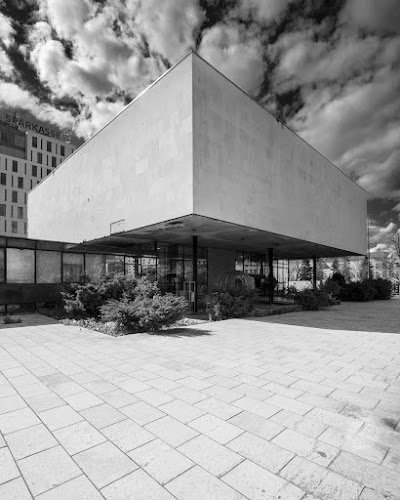
History Museum Of Bosnia and Herzegovina
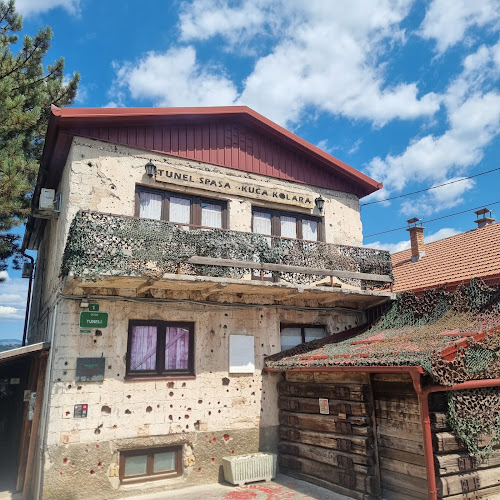
Tunnel of Salvation

Sarajevo Meeting Of Cultures
Find Accommodations Nearby
Recommended Tours & Activities
Visitor Reviews
There are no reviews yet. Be the first one to write one.
Share Your Experience
Have you visited Gazi Husrev-beg Mosque? Help other travelers by leaving a review.