Description
Tumakuru sits about 70 kilometers northwest of Bangalore, and honestly, most travelers rush past it on their way to other destinations without realizing what they’re missing. This district headquarters in Karnataka has carved out its own identity beyond being just another stop on the highway. The city carries a reputation that extends far beyond its geographical boundaries, particularly through the revered Siddaganga Matha, a Lingayat monastery that has become synonymous with education and social service in the region.
When I first visited Tumakuru, I expected a typical administrative town – you know, the kind where government buildings dominate and there’s not much else to see. But the place surprised me. It’s got this interesting dual personality where ancient religious traditions coexist with modern industrial development. The presence of India’s first mega food park here tells you that Tumakuru isn’t stuck in the past, yet the spiritual atmosphere around the monastery grounds reminds you that some values remain timeless.
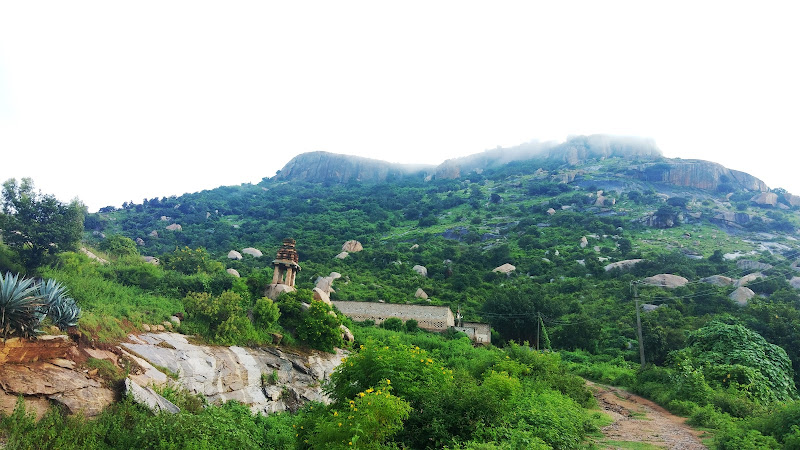
The landscape around Tumakuru is dotted with rocky hillocks that give the terrain a distinctive character. Agriculture dominates the surrounding areas, and coconut groves stretch as far as the eye can see in some directions. What struck me was how the city manages to maintain a relatively calm demeanor despite being well-connected to Bangalore’s hustle and bustle. You get urban amenities without the overwhelming chaos of a metro city, which makes it appealing for travelers who want to experience authentic Karnataka without the tourist crowds.
Key Features
The attractions and characteristics that define Tumakuru include:
- Siddaganga Matha, one of the most influential Lingayat monasteries in South India, known for its massive educational and charitable initiatives that have touched thousands of lives across generations
- India’s first mega food park established by the Ministry of Food Processing, representing the region’s agricultural strength and industrial ambitions
- Devarayanadurga hill station located nearby, offering temple visits, trekking opportunities, and panoramic views that make for excellent day trips
- Numerous ancient temples scattered throughout the district, including the Kaidala Chennakeshava Temple and Goravanahalli Mahalakshmi Temple, showcasing Hoysala and other architectural styles
- Shivagange hill, a popular pilgrimage and trekking destination where devotees climb approximately 600 steps to reach temples perched on rocky outcrops
- Pavagada Solar Park in the district, one of the largest solar parks in the world, demonstrating Karnataka’s commitment to renewable energy
- Rich tradition of coconut cultivation and processing, with the region being a significant supplier of coconuts and coconut-based products
- Relatively well-preserved local culture where you can observe traditional Karnataka lifestyles without heavy commercialization
- Strategic location making it an excellent base for exploring nearby attractions in central Karnataka
Best Time to Visit
Planning your visit to Tumakuru requires understanding Karnataka’s climate patterns, and trust me, timing makes all the difference between a pleasant trip and a sweaty ordeal. The most comfortable period spans from October through February when temperatures remain moderate and the post-monsoon freshness lingers in the air. During these months, daytime temperatures hover around 25-30 degrees Celsius, perfect for temple visits and exploring the hillocks without feeling like you’re melting.
I made the mistake once of visiting during April, and let me tell you, the heat was absolutely relentless. Summer temperatures in Tumakuru can soar beyond 35 degrees Celsius, sometimes touching 40. If you’re planning treks to Shivagange or Devarayanadurga, summer months are pretty much off the table unless you enjoy testing your heat endurance limits.
The monsoon season from June to September brings moderate to heavy rainfall. The landscape transforms beautifully during this time – everything turns green and the rocky hills take on a different character altogether. But trekking becomes challenging and sometimes risky due to slippery paths. Temple visits are still possible, though you’ll need to carry rain gear and be prepared for sudden downpours.
Winter months, particularly December and January, offer the best overall experience. The weather stays pleasant throughout the day, and even the trek to hilltop temples feels manageable. Local festivals often fall during this period too, giving you a chance to witness cultural celebrations. And honestly, there’s something special about visiting religious sites when the weather cooperates – you can actually focus on the spiritual and architectural aspects instead of constantly wiping sweat from your forehead.
If you’re interested in agricultural tourism or seeing the food processing industries in action, the post-harvest season around January to March gives you better opportunities to understand the region’s agricultural economy.
How to Get There
Getting to Tumakuru is remarkably straightforward, which partially explains why it’s developing as a weekend destination for Bangalore residents. The city sits along National Highway 48, the major Mumbai-Bangalore highway, making it accessible by multiple transportation modes.
By road is probably the most convenient option. From Bangalore, it’s roughly a 70-kilometer journey that takes about an hour and a half depending on traffic conditions. Several state-run KSRTC buses operate regularly between Bangalore and Tumakuru, with frequencies that ensure you won’t be waiting long for a bus. Private bus operators also run services, though I’d recommend the government buses for reliability and comfort. If you’re driving yourself, the highway is well-maintained and the route is pretty straightforward – you basically follow NH48 northwest from Bangalore.
The railway option exists but isn’t as convenient as you might hope. Tumakuru has a railway station that connects to Bangalore and other major cities, but train frequencies aren’t great and the station is somewhat removed from the main tourist areas. Unless you specifically enjoy train travel or are coming from distant cities like Mysore or Hubli, buses or private vehicles make more sense.
Air travelers will need to fly into Kempegowda International Airport in Bangalore, which is about 100 kilometers from Tumakuru. From there, you can hire a taxi, book a cab through ride-sharing apps, or take a bus. The airport-to-Tumakuru journey takes roughly two to three hours depending on traffic and which route you take.
For exploring Tumakuru itself and surrounding attractions, having your own vehicle helps tremendously. Auto-rickshaws are available within the city for short distances, and you can hire taxis for day trips to places like Devarayanadurga or Shivagange. But public transport to these outlying attractions isn’t as frequent or convenient, so plan accordingly.
Tips for Visiting
Based on my experiences and observations, here’s what actually helps when visiting Tumakuru, beyond the generic advice you’ll find everywhere.
Start your visit early in the day, especially if you’re planning to visit hilltop temples or trekking spots. The morning hours offer better lighting for photography, fewer crowds, and cooler temperatures. Plus, many temples have specific timings for darshan that favor early risers.
Dress modestly when visiting religious sites. This should go without saying, but I’ve seen travelers turned away or made uncomfortable because they showed up in shorts or sleeveless tops. The Siddaganga Matha particularly maintains strict dress codes, so carry a shawl or scarf just in case.
Learn a few basic Kannada phrases. English works in hotels and major establishments, but knowing simple greetings and phrases helps tremendously when interacting with locals, especially in smaller temples or rural areas. People genuinely appreciate the effort, and it opens up conversations that might otherwise never happen.
Carry sufficient cash. While digital payments have penetrated even smaller towns, many local eateries, small shops, and donation boxes at temples still operate on cash. ATMs are available but don’t assume you’ll find one everywhere.
The local cuisine deserves your attention. Tumakuru has some excellent places serving authentic Karnataka meals – akki rotti, ragi mudde, and various coconut-based preparations that you won’t find in tourist-oriented restaurants elsewhere. Don’t just stick to familiar North Indian dishes. And the local coffee culture is strong here; chai shops serve filter coffee that rivals anything you’ll get in Bangalore.
If you’re visiting Shivagange or Devarayanadurga, wear proper footwear. I’ve seen people attempt these treks in flip-flops, which is asking for trouble. The paths can be rocky and uneven, and you’ll need decent grip. Also, carry water – more than you think you’ll need.
Photography restrictions exist in certain temple areas, so always ask before clicking pictures. Some monasteries and temple sanctums prohibit photography altogether, and respecting these rules matters more than getting that Instagram shot.
Weekends see more crowds, particularly at popular spots like Shivagange. If you prefer quieter experiences, weekday visits work better. The Siddaganga Matha can be visited any day, but special occasions and festivals draw massive crowds.
Don’t rush through Tumakuru. Many travelers treat it as a quick stopover, but the place rewards those who slow down. Spend time at the Siddaganga Matha understanding its social initiatives, explore the smaller temples without fixed agendas, talk to locals about the region’s coconut economy. These unplanned interactions often become the most memorable parts of any trip.
Finally, respect local customs and religious sentiments. Tumakuru isn’t a beach town where anything goes – it’s a place where tradition and spirituality hold significant importance in daily life. Adapting your behavior to local norms isn’t about losing your identity; it’s about showing respect for the communities that welcome you into their spaces.