
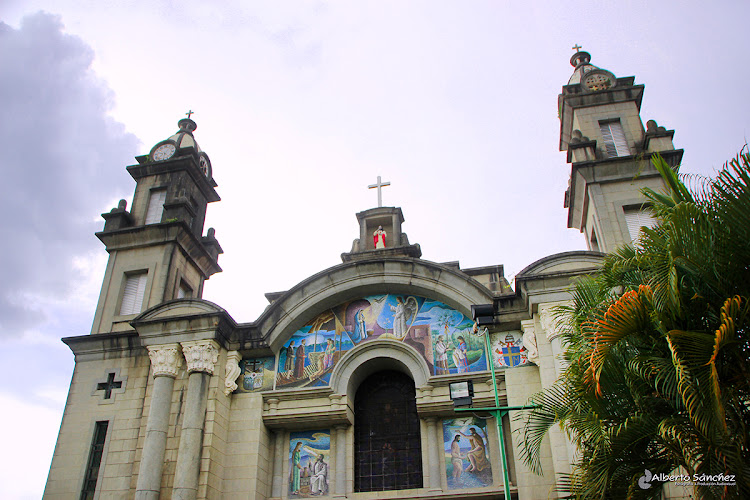
Tucupita
About Tucupita
Description
Tucupita, the capital of Venezuela's Delta Amacuro state, is a place that often slips under the radar for many travelers, but that’s exactly what makes it special. It’s not your typical tourist hotspot, which means when you get there, you’re stepping into a world that feels genuinely untouched and raw. Imagine a city where the mighty Orinoco River spreads out into a vast delta, weaving through mangroves and islands, creating a labyrinth of waterways that seem to go on forever. It’s a place where nature isn’t just a backdrop—it’s the main event.
Now, Tucupita isn’t about flashy attractions or bustling nightlife. It’s about slow mornings watching fishermen cast their nets, the hum of boats drifting by, and the warm smiles of locals who’ve lived in harmony with the river for generations. There’s a sense of calm here, a kind of peacefulness that’s hard to find in more crowded cities. But don’t mistake that for boring—this city is a gateway to one of the most fascinating ecosystems in South America.
Visitors often come for the wildlife, and rightly so. The Orinoco Delta is home to an incredible variety of species, from pink river dolphins that pop up unexpectedly to howler monkeys echoing through the trees. But Tucupita itself has a charm that’s more subtle—colorful markets where you can sample fresh river fish, streets lined with simple yet welcoming homes, and a culture deeply rooted in indigenous traditions. It’s a place where you feel connected to nature and history in a way that’s hard to put into words.
Sure, it’s not perfect. Infrastructure might not be as polished as in bigger cities, and sometimes things run a bit slower than you’re used to. But if you’re the kind of traveler who values authenticity over convenience, Tucupita will reward you with experiences that stick with you long after you’ve left. It’s a city that invites you to slow down, breathe in the wildness, and maybe even rethink what travel means to you.
Key Features
- Gateway to the Orinoco Delta, one of the largest river deltas in the world
- Rich biodiversity including pink river dolphins, caimans, and exotic bird species
- Strong indigenous Warao culture with opportunities to learn about traditional ways of life
- Access to boat tours exploring remote islands, mangroves, and fishing villages
- Local markets offering fresh river fish and handmade crafts
- Laid-back atmosphere perfect for travelers seeking off-the-beaten-path adventures
- Warm, tropical climate with lush surrounding landscapes
Best Time to Visit
If you’re planning a trip to Tucupita, timing can make a big difference. The dry season, from December to April, is generally the best time to visit. During these months, the weather is more predictable, with less rain and lower humidity, making boat trips and wildlife spotting much easier and more enjoyable. Plus, the water levels in the delta are lower, which means you can explore some areas that might be inaccessible during the wetter months.
That said, the rainy season (May to November) has its own charm. The delta swells with water, turning the landscape into a watery wonderland that’s perfect for adventurous souls who don’t mind a little mud and mosquitoes. The lush greenery is at its peak, and the animal activity can be quite intense—just be prepared for occasional downpours and bring your insect repellent!
How to Get There
Getting to Tucupita isn’t your typical airport-hop-and-go experience, so it’s a bit of an adventure in itself. The city has a small regional airport with flights connecting mainly from Caracas, but these can be infrequent and sometimes unpredictable. For many, the journey begins in the nearby city of Puerto Ordaz or Ciudad Bolívar, where you can catch a bus or arrange for a private transfer.
One of the most memorable ways to arrive, though, is by river. Taking a boat along the Orinoco River offers a chance to soak in the scenery and get a feel for the delta’s vastness before you even set foot in Tucupita. It’s slower, sure, but there’s something magical about drifting through the waterways, watching the landscape change with every turn.
Once you’re in Tucupita, getting around is mostly by foot or small boats, especially if you want to explore the surrounding islands and mangroves. The city itself is compact, but the real exploration happens off the beaten path, where roads give way to rivers and trails.
Tips for Visiting
Alright, here’s the deal: Tucupita isn’t a polished tourist resort, so a bit of preparation goes a long way. First off, pack light but smart. Bring clothes that dry quickly, a good mosquito repellent (trust me on this one), and waterproof gear if you plan on boat trips. And don’t forget sunscreen—this tropical sun can sneak up on you.
Language-wise, Spanish is the main tongue spoken here, and while some locals might know a bit of English, it’s a good idea to brush up on basic phrases or have a translation app handy. The people are incredibly friendly, but breaking the ice in their language always opens doors.
When it comes to money, cash is king. ATMs can be scarce, so make sure to bring enough bolívares or US dollars (where accepted) for your stay. Also, be mindful of your belongings—Tucupita is generally safe, but like any place, it pays to stay alert, especially in crowded areas.
And here’s a little insider tip: take time to chat with the Warao communities. They’re the heart and soul of the delta, and their stories, crafts, and traditions add a depth to your visit that no guidebook can capture. Just approach with respect and curiosity, and you’ll be rewarded with some unforgettable moments.
Lastly, don’t rush. The pace here is slow, and that’s the point. Let yourself get lost in the rhythm of the river, the calls of exotic birds, and the simple pleasures of a place that’s still holding on to its wild spirit. Tucupita might not be the easiest place to visit, but it’s absolutely worth the effort for those who crave something real and a bit different.
Key Features
- Gateway to the Orinoco Delta, one of the largest river deltas in the world
- Rich biodiversity including pink river dolphins, caimans, and exotic bird species
- Strong indigenous Warao culture with opportunities to learn about traditional ways of life
- Access to boat tours exploring remote islands, mangroves, and fishing villages
- Local markets offering fresh river fish and handmade crafts
- Laid-back atmosphere perfect for travelers seeking off-the-beaten-path adventures
- Warm, tropical climate with lush surrounding landscapes
More Details
Updated July 13, 2025
Table of Contents
Description
Tucupita, the capital of Venezuela’s Delta Amacuro state, is a place that often slips under the radar for many travelers, but that’s exactly what makes it special. It’s not your typical tourist hotspot, which means when you get there, you’re stepping into a world that feels genuinely untouched and raw. Imagine a city where the mighty Orinoco River spreads out into a vast delta, weaving through mangroves and islands, creating a labyrinth of waterways that seem to go on forever. It’s a place where nature isn’t just a backdrop—it’s the main event.
Now, Tucupita isn’t about flashy attractions or bustling nightlife. It’s about slow mornings watching fishermen cast their nets, the hum of boats drifting by, and the warm smiles of locals who’ve lived in harmony with the river for generations. There’s a sense of calm here, a kind of peacefulness that’s hard to find in more crowded cities. But don’t mistake that for boring—this city is a gateway to one of the most fascinating ecosystems in South America.
Visitors often come for the wildlife, and rightly so. The Orinoco Delta is home to an incredible variety of species, from pink river dolphins that pop up unexpectedly to howler monkeys echoing through the trees. But Tucupita itself has a charm that’s more subtle—colorful markets where you can sample fresh river fish, streets lined with simple yet welcoming homes, and a culture deeply rooted in indigenous traditions. It’s a place where you feel connected to nature and history in a way that’s hard to put into words.
Sure, it’s not perfect. Infrastructure might not be as polished as in bigger cities, and sometimes things run a bit slower than you’re used to. But if you’re the kind of traveler who values authenticity over convenience, Tucupita will reward you with experiences that stick with you long after you’ve left. It’s a city that invites you to slow down, breathe in the wildness, and maybe even rethink what travel means to you.
Key Features
- Gateway to the Orinoco Delta, one of the largest river deltas in the world
- Rich biodiversity including pink river dolphins, caimans, and exotic bird species
- Strong indigenous Warao culture with opportunities to learn about traditional ways of life
- Access to boat tours exploring remote islands, mangroves, and fishing villages
- Local markets offering fresh river fish and handmade crafts
- Laid-back atmosphere perfect for travelers seeking off-the-beaten-path adventures
- Warm, tropical climate with lush surrounding landscapes
Best Time to Visit
If you’re planning a trip to Tucupita, timing can make a big difference. The dry season, from December to April, is generally the best time to visit. During these months, the weather is more predictable, with less rain and lower humidity, making boat trips and wildlife spotting much easier and more enjoyable. Plus, the water levels in the delta are lower, which means you can explore some areas that might be inaccessible during the wetter months.
That said, the rainy season (May to November) has its own charm. The delta swells with water, turning the landscape into a watery wonderland that’s perfect for adventurous souls who don’t mind a little mud and mosquitoes. The lush greenery is at its peak, and the animal activity can be quite intense—just be prepared for occasional downpours and bring your insect repellent!
How to Get There
Getting to Tucupita isn’t your typical airport-hop-and-go experience, so it’s a bit of an adventure in itself. The city has a small regional airport with flights connecting mainly from Caracas, but these can be infrequent and sometimes unpredictable. For many, the journey begins in the nearby city of Puerto Ordaz or Ciudad Bolívar, where you can catch a bus or arrange for a private transfer.
One of the most memorable ways to arrive, though, is by river. Taking a boat along the Orinoco River offers a chance to soak in the scenery and get a feel for the delta’s vastness before you even set foot in Tucupita. It’s slower, sure, but there’s something magical about drifting through the waterways, watching the landscape change with every turn.
Once you’re in Tucupita, getting around is mostly by foot or small boats, especially if you want to explore the surrounding islands and mangroves. The city itself is compact, but the real exploration happens off the beaten path, where roads give way to rivers and trails.
Tips for Visiting
Alright, here’s the deal: Tucupita isn’t a polished tourist resort, so a bit of preparation goes a long way. First off, pack light but smart. Bring clothes that dry quickly, a good mosquito repellent (trust me on this one), and waterproof gear if you plan on boat trips. And don’t forget sunscreen—this tropical sun can sneak up on you.
Language-wise, Spanish is the main tongue spoken here, and while some locals might know a bit of English, it’s a good idea to brush up on basic phrases or have a translation app handy. The people are incredibly friendly, but breaking the ice in their language always opens doors.
When it comes to money, cash is king. ATMs can be scarce, so make sure to bring enough bolívares or US dollars (where accepted) for your stay. Also, be mindful of your belongings—Tucupita is generally safe, but like any place, it pays to stay alert, especially in crowded areas.
And here’s a little insider tip: take time to chat with the Warao communities. They’re the heart and soul of the delta, and their stories, crafts, and traditions add a depth to your visit that no guidebook can capture. Just approach with respect and curiosity, and you’ll be rewarded with some unforgettable moments.
Lastly, don’t rush. The pace here is slow, and that’s the point. Let yourself get lost in the rhythm of the river, the calls of exotic birds, and the simple pleasures of a place that’s still holding on to its wild spirit. Tucupita might not be the easiest place to visit, but it’s absolutely worth the effort for those who crave something real and a bit different.
Key Highlights
- Gateway to the Orinoco Delta, one of the largest river deltas in the world
- Rich biodiversity including pink river dolphins, caimans, and exotic bird species
- Strong indigenous Warao culture with opportunities to learn about traditional ways of life
- Access to boat tours exploring remote islands, mangroves, and fishing villages
- Local markets offering fresh river fish and handmade crafts
- Laid-back atmosphere perfect for travelers seeking off-the-beaten-path adventures
- Warm, tropical climate with lush surrounding landscapes
Location
Places to Stay Near Tucupita
Find and Book a Tour
Explore More Travel Guides
No reviews found! Be the first to review!
Traveler Reviews for Tucupita
There are no reviews yet. Be the first one to write one.
Have you visited Tucupita? Help other travelers by sharing your review.
You Might Also Like
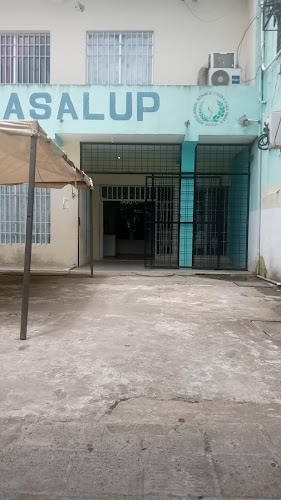
Alcaldía municipio Tucupita
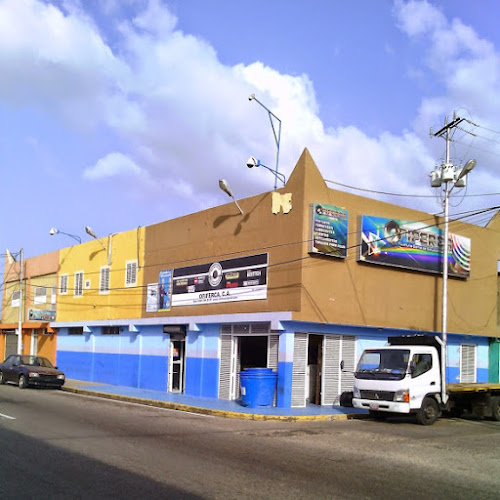
offiferca 7-tucupita delta amacuro 6401

Delta Amacuro
Find Accommodations Nearby
Recommended Tours & Activities
Visitor Reviews
There are no reviews yet. Be the first one to write one.
Share Your Experience
Have you visited Tucupita? Help other travelers by leaving a review.