
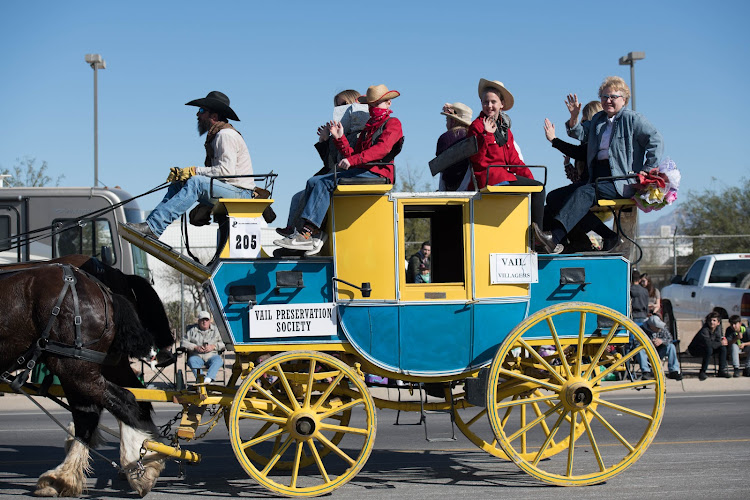
Tucson Rodeo Parade and Tucson Wagon & History Museum
About Tucson Rodeo Parade and Tucson Wagon & History Museum
Description
The Tucson Rodeo Parade and Tucson Wagon & History Museum is one of those places that truly feels like stepping into a living scrapbook of the Old West. It’s rustic, a little dusty in the best way, and absolutely packed with stories. The museum houses more than 100 horse-drawn vehicles, from delicate buggies to massive stagecoaches, each one with its own slice of history. You’ll also find recreated storefronts that make you feel like you’ve wandered down Tucson’s Main Street circa 1900, plus a large model railroad display that captures the excitement of the train’s arrival in 1880.
What makes it special isn’t just the artifacts themselves, but the way they’re presented. You don’t just look at wagons behind glass—you get close enough to imagine the creak of the wheels, the dust on the road, and the lives of the people who once relied on them. The museum is also tied directly to the Tucson Rodeo Parade, the longest non-motorized parade in the United States, which has been going strong since 1925. That connection means the exhibits aren’t just static history—they’re part of a tradition that still plays out every year.
Visitors often leave with a sense of wonder, though of course, some folks might find it a bit niche if wagons and western history aren’t their thing. But for anyone curious about how Tucson grew up, or for families looking for a hands-on way to teach kids about the past, it’s a gem. And honestly, even if you’re not a “museum person,” the sheer scale of the collection is impressive enough to win you over.
Key Features
- Collection of over 100 horse-drawn vehicles, from goat wagons to carriages once owned by royalty
- Recreated Tucson Main Street from the early 1900s
- Interactive G-scale model railroad depicting the arrival of the train in 1880
- Docent-led tours available for deeper storytelling and context
- Gift shop with unique western-themed souvenirs
- Wheelchair accessible entrance, restrooms, and parking
- Family-friendly environment with exhibits engaging for kids
- Connection to the annual Tucson Rodeo Parade, the largest non-motorized parade in the country
Best Time to Visit
The absolute best time to plan your visit is during late February, when the Tucson Rodeo Parade takes place. The parade itself is a spectacle—hundreds of horses, wagons, and performers moving through the streets, all without a single motorized vehicle in sight. Pairing the parade with a trip to the museum makes for a full, immersive experience. That said, if you prefer a quieter visit, weekdays outside of parade season are ideal. You’ll have more elbow room to wander, and the docents will have more time to share stories with you. The museum is indoors for the most part, so you don’t need to worry too much about Tucson’s famously hot summers, though spring and fall are always more comfortable for exploring the grounds.
How to Get There
Reaching the museum is pretty straightforward if you’re already in Tucson. It’s located just a short drive from downtown, and the route is simple enough that even if you’re new to the city, you won’t get lost. Driving is the easiest option, and there’s on-site parking available, including accessible spots. If you’re relying on public transportation, local bus routes can get you fairly close, though you’ll want to double-check schedules since service can be less frequent on weekends. Ride-shares are another easy option, especially if you’re staying in one of Tucson’s central hotels.
Tips for Visiting
Here’s the thing—this isn’t the type of museum you want to rush through. Give yourself at least two hours, maybe more if you’re the kind of person who likes to read every plaque and ask questions (I definitely am). Booking tickets in advance is smart, especially during rodeo season when the crowds swell. If you’re bringing kids, they’ll love the model train display, so plan to linger there a bit.
Wear comfortable shoes because you’ll be walking through multiple buildings, and while most of the museum is indoors, some areas can get warm depending on the season—so dress accordingly. Don’t skip the gift shop either; it’s one of those places where you’ll find quirky, locally themed items you won’t see at the airport. And if you’re lucky enough to visit when a docent is available, take the tour. The wagons are fascinating on their own, but hearing the backstories—like how certain vehicles were used in parades or what role they played in Tucson’s early economy—really brings them to life.
One last tip: if you’re in town for the parade, arrive early. Streets fill up fast, and the best spots for viewing are claimed quickly. Bring water, sunscreen, and maybe even a folding chair. It’s one of those events where the atmosphere is half the fun, with families, locals, and travelers all mingling together. Honestly, it’s a slice of Tucson tradition you don’t want to miss.
Key Features
- Collection of over 100 horse-drawn vehicles, from goat wagons to carriages once owned by royalty
- Recreated Tucson Main Street from the early 1900s
- Interactive G-scale model railroad depicting the arrival of the train in 1880
- Docent-led tours available for deeper storytelling and context
- Gift shop with unique western-themed souvenirs
- Wheelchair accessible entrance, restrooms, and parking
- Family-friendly environment with exhibits engaging for kids
- Connection to the annual Tucson Rodeo Parade, the largest non-motorized parade in the country
More Details
Updated September 24, 2025
Table of Contents
- Description
- Key Features
- Best Time to Visit
- How to Get There
- Tips for Visiting
- Key Highlights
- Location
- Places to Stay Near Tucson Rodeo Parade and Tucson Wagon & History Museum
- Find and Book a Tour
- Explore More Travel Guides
- Nearby Places You Might Like
- Traveler Reviews for Tucson Rodeo Parade and Tucson Wagon & History Museum
- Share Your Experience
Description
The Tucson Rodeo Parade and Tucson Wagon & History Museum is one of those places that truly feels like stepping into a living scrapbook of the Old West. It’s rustic, a little dusty in the best way, and absolutely packed with stories. The museum houses more than 100 horse-drawn vehicles, from delicate buggies to massive stagecoaches, each one with its own slice of history. You’ll also find recreated storefronts that make you feel like you’ve wandered down Tucson’s Main Street circa 1900, plus a large model railroad display that captures the excitement of the train’s arrival in 1880.
What makes it special isn’t just the artifacts themselves, but the way they’re presented. You don’t just look at wagons behind glass—you get close enough to imagine the creak of the wheels, the dust on the road, and the lives of the people who once relied on them. The museum is also tied directly to the Tucson Rodeo Parade, the longest non-motorized parade in the United States, which has been going strong since 1925. That connection means the exhibits aren’t just static history—they’re part of a tradition that still plays out every year.
Visitors often leave with a sense of wonder, though of course, some folks might find it a bit niche if wagons and western history aren’t their thing. But for anyone curious about how Tucson grew up, or for families looking for a hands-on way to teach kids about the past, it’s a gem. And honestly, even if you’re not a “museum person,” the sheer scale of the collection is impressive enough to win you over.
Key Features
- Collection of over 100 horse-drawn vehicles, from goat wagons to carriages once owned by royalty
- Recreated Tucson Main Street from the early 1900s
- Interactive G-scale model railroad depicting the arrival of the train in 1880
- Docent-led tours available for deeper storytelling and context
- Gift shop with unique western-themed souvenirs
- Wheelchair accessible entrance, restrooms, and parking
- Family-friendly environment with exhibits engaging for kids
- Connection to the annual Tucson Rodeo Parade, the largest non-motorized parade in the country
Best Time to Visit
The absolute best time to plan your visit is during late February, when the Tucson Rodeo Parade takes place. The parade itself is a spectacle—hundreds of horses, wagons, and performers moving through the streets, all without a single motorized vehicle in sight. Pairing the parade with a trip to the museum makes for a full, immersive experience. That said, if you prefer a quieter visit, weekdays outside of parade season are ideal. You’ll have more elbow room to wander, and the docents will have more time to share stories with you. The museum is indoors for the most part, so you don’t need to worry too much about Tucson’s famously hot summers, though spring and fall are always more comfortable for exploring the grounds.
How to Get There
Reaching the museum is pretty straightforward if you’re already in Tucson. It’s located just a short drive from downtown, and the route is simple enough that even if you’re new to the city, you won’t get lost. Driving is the easiest option, and there’s on-site parking available, including accessible spots. If you’re relying on public transportation, local bus routes can get you fairly close, though you’ll want to double-check schedules since service can be less frequent on weekends. Ride-shares are another easy option, especially if you’re staying in one of Tucson’s central hotels.
Tips for Visiting
Here’s the thing—this isn’t the type of museum you want to rush through. Give yourself at least two hours, maybe more if you’re the kind of person who likes to read every plaque and ask questions (I definitely am). Booking tickets in advance is smart, especially during rodeo season when the crowds swell. If you’re bringing kids, they’ll love the model train display, so plan to linger there a bit.
Wear comfortable shoes because you’ll be walking through multiple buildings, and while most of the museum is indoors, some areas can get warm depending on the season—so dress accordingly. Don’t skip the gift shop either; it’s one of those places where you’ll find quirky, locally themed items you won’t see at the airport. And if you’re lucky enough to visit when a docent is available, take the tour. The wagons are fascinating on their own, but hearing the backstories—like how certain vehicles were used in parades or what role they played in Tucson’s early economy—really brings them to life.
One last tip: if you’re in town for the parade, arrive early. Streets fill up fast, and the best spots for viewing are claimed quickly. Bring water, sunscreen, and maybe even a folding chair. It’s one of those events where the atmosphere is half the fun, with families, locals, and travelers all mingling together. Honestly, it’s a slice of Tucson tradition you don’t want to miss.
Key Highlights
- Collection of over 100 horse-drawn vehicles, from goat wagons to carriages once owned by royalty
- Recreated Tucson Main Street from the early 1900s
- Interactive G-scale model railroad depicting the arrival of the train in 1880
- Docent-led tours available for deeper storytelling and context
- Gift shop with unique western-themed souvenirs
- Wheelchair accessible entrance, restrooms, and parking
- Family-friendly environment with exhibits engaging for kids
- Connection to the annual Tucson Rodeo Parade, the largest non-motorized parade in the country
Location
Places to Stay Near Tucson Rodeo Parade and Tucson Wagon & History Museum
Find and Book a Tour
Explore More Travel Guides
No reviews found! Be the first to review!
Traveler Reviews for Tucson Rodeo Parade and Tucson Wagon & History Museum
There are no reviews yet. Be the first one to write one.
Have you visited Tucson Rodeo Parade and Tucson Wagon & History Museum? Help other travelers by sharing your review.
You Might Also Like

Reid Park Zoo

The Mini Time Machine Museum of Miniatures

Sosa-Carrillo House
Find Accommodations Nearby
Recommended Tours & Activities
Visitor Reviews
There are no reviews yet. Be the first one to write one.
Share Your Experience
Have you visited Tucson Rodeo Parade and Tucson Wagon & History Museum? Help other travelers by leaving a review.