

Pima Air & Space Museum
About Pima Air & Space Museum
Description
The Pima Air & Space Museum in Tucson, Arizona is one of those places that can surprise even the most casual traveler. Spread across 80 acres of desert land, it’s home to over 300 aircraft and spacecraft, ranging from delicate biplanes to massive Cold War bombers and even modern jets. Walking through the grounds feels a bit like stepping into a living timeline of aviation history, where every corner has a story to tell. Some visitors come for the sheer scale of the collection, while others are drawn in by the smaller details—like the hand-painted nose art on World War II planes or the experimental prototypes that never made it into mass production. It’s a museum that doesn’t just show machines; it tells the story of human ambition, ingenuity, and sometimes, mistakes. And honestly, that’s what makes it so compelling.
What stands out most is the balance between the indoor hangars and the outdoor exhibits. Inside, you’ll find carefully preserved aircraft, informative displays, and air conditioning (a lifesaver in Tucson’s summer heat). Outside, the desert sun shines down on rows of planes that seem to stretch forever. The museum isn’t perfect—some areas could use a little more shade or updated signage—but that raw authenticity is part of its charm. If you’re someone who loves history, engineering, or just marveling at big machines, this place will keep you hooked for hours. Families, aviation buffs, and even those who didn’t think they cared much about airplanes often walk away impressed.
Key Features
- Over 300 aircraft and spacecraft on display, from early aviation to modern jets
- 80 acres of outdoor exhibits plus six indoor hangars
- Rare and historic aircraft, including military bombers, helicopters, and experimental planes
- Dedicated space exhibits highlighting the history of space exploration
- Onsite amenities including a café, gift shop, and guided tours
- Family-friendly with stroller access, changing tables, and kid-friendly exhibits
- Wheelchair accessible entrances, restrooms, and parking
Best Time to Visit
If you’ve ever spent a summer day in southern Arizona, you’ll know why timing matters here. The best time to visit the Pima Air & Space Museum is during the cooler months—late fall through early spring. From October to April, the weather is pleasant enough to wander the outdoor exhibits without feeling like you’re melting. Mornings tend to be quieter and less crowded, so if you prefer to explore at your own pace without too many people around, aim to arrive right when the museum opens. Summers can be brutally hot, but if that’s when you’re traveling, don’t worry—you can still enjoy the indoor hangars and take breaks in the café to cool off. Personally, I loved going in February; the crisp air made walking among the outdoor planes feel comfortable, and the desert light gave everything a golden glow that was perfect for photos.
How to Get There
Reaching the museum is fairly straightforward. It’s located just a short drive from Tucson International Airport, which makes it a convenient stop if you’re flying in or out of the city. If you’re staying in downtown Tucson, the drive is about 20 minutes, depending on traffic. Renting a car is the easiest option since public transportation doesn’t run directly to the museum. For road trippers, it’s an easy detour off the interstate, and there’s plenty of free parking once you arrive. Ride-share services like Uber or Lyft are also reliable in Tucson if you’d rather not drive yourself. Just keep in mind that the museum grounds are expansive, so you’ll want comfortable shoes for all the walking once you’re there.
Tips for Visiting
Here’s the thing about the Pima Air & Space Museum—it’s massive. You could easily spend half a day here, and still feel like you’ve only scratched the surface. To make the most of your visit, here are some practical tips:
- Wear comfortable shoes – You’ll be walking a lot, especially if you want to see the outdoor aircraft.
- Bring water – The Arizona sun is no joke, and while there’s a café, it’s smart to stay hydrated as you go.
- Consider a guided tour – The docents are often retired pilots or aviation enthusiasts who bring the exhibits to life with personal stories and insights.
- Plan for kids – The museum is kid-friendly, but younger children may tire quickly. The hangars are great for keeping them engaged while giving them breaks from the sun.
- Photography is a must – Whether you’re a casual snapper or a serious photographer, the aircraft make for incredible backdrops. Just be mindful of the lighting outdoors—it can be harsh midday.
- Check the weather – A cloudy day can actually be the best time to visit since the outdoor exhibits are more comfortable to explore without direct sun.
- Don’t rush – It’s tempting to sprint from one plane to the next, but slowing down lets you appreciate the small details, like the craftsmanship of old cockpits or the faded insignias on military planes.
One last thought: even if you’re not a hardcore aviation fan, give this place a chance. I didn’t think I’d be all that interested, but standing under the wing of a gigantic B-52 bomber made me feel tiny in the best possible way. It’s not just about planes—it’s about history, innovation, and the people who dared to push boundaries. And that’s something worth experiencing.
Key Features
- Over 300 aircraft and spacecraft on display, from early aviation to modern jets
- 80 acres of outdoor exhibits plus six indoor hangars
- Rare and historic aircraft, including military bombers, helicopters, and experimental planes
- Dedicated space exhibits highlighting the history of space exploration
- Onsite amenities including a café, gift shop, and guided tours
- Family-friendly with stroller access, changing tables, and kid-friendly exhibits
- Wheelchair accessible entrances, restrooms, and parking
More Details
Updated September 30, 2025
Table of Contents
Description
The Pima Air & Space Museum in Tucson, Arizona is one of those places that can surprise even the most casual traveler. Spread across 80 acres of desert land, it’s home to over 300 aircraft and spacecraft, ranging from delicate biplanes to massive Cold War bombers and even modern jets. Walking through the grounds feels a bit like stepping into a living timeline of aviation history, where every corner has a story to tell. Some visitors come for the sheer scale of the collection, while others are drawn in by the smaller details—like the hand-painted nose art on World War II planes or the experimental prototypes that never made it into mass production. It’s a museum that doesn’t just show machines; it tells the story of human ambition, ingenuity, and sometimes, mistakes. And honestly, that’s what makes it so compelling.
What stands out most is the balance between the indoor hangars and the outdoor exhibits. Inside, you’ll find carefully preserved aircraft, informative displays, and air conditioning (a lifesaver in Tucson’s summer heat). Outside, the desert sun shines down on rows of planes that seem to stretch forever. The museum isn’t perfect—some areas could use a little more shade or updated signage—but that raw authenticity is part of its charm. If you’re someone who loves history, engineering, or just marveling at big machines, this place will keep you hooked for hours. Families, aviation buffs, and even those who didn’t think they cared much about airplanes often walk away impressed.
Key Features
- Over 300 aircraft and spacecraft on display, from early aviation to modern jets
- 80 acres of outdoor exhibits plus six indoor hangars
- Rare and historic aircraft, including military bombers, helicopters, and experimental planes
- Dedicated space exhibits highlighting the history of space exploration
- Onsite amenities including a café, gift shop, and guided tours
- Family-friendly with stroller access, changing tables, and kid-friendly exhibits
- Wheelchair accessible entrances, restrooms, and parking
Best Time to Visit
If you’ve ever spent a summer day in southern Arizona, you’ll know why timing matters here. The best time to visit the Pima Air & Space Museum is during the cooler months—late fall through early spring. From October to April, the weather is pleasant enough to wander the outdoor exhibits without feeling like you’re melting. Mornings tend to be quieter and less crowded, so if you prefer to explore at your own pace without too many people around, aim to arrive right when the museum opens. Summers can be brutally hot, but if that’s when you’re traveling, don’t worry—you can still enjoy the indoor hangars and take breaks in the café to cool off. Personally, I loved going in February; the crisp air made walking among the outdoor planes feel comfortable, and the desert light gave everything a golden glow that was perfect for photos.
How to Get There
Reaching the museum is fairly straightforward. It’s located just a short drive from Tucson International Airport, which makes it a convenient stop if you’re flying in or out of the city. If you’re staying in downtown Tucson, the drive is about 20 minutes, depending on traffic. Renting a car is the easiest option since public transportation doesn’t run directly to the museum. For road trippers, it’s an easy detour off the interstate, and there’s plenty of free parking once you arrive. Ride-share services like Uber or Lyft are also reliable in Tucson if you’d rather not drive yourself. Just keep in mind that the museum grounds are expansive, so you’ll want comfortable shoes for all the walking once you’re there.
Tips for Visiting
Here’s the thing about the Pima Air & Space Museum—it’s massive. You could easily spend half a day here, and still feel like you’ve only scratched the surface. To make the most of your visit, here are some practical tips:
- Wear comfortable shoes – You’ll be walking a lot, especially if you want to see the outdoor aircraft.
- Bring water – The Arizona sun is no joke, and while there’s a café, it’s smart to stay hydrated as you go.
- Consider a guided tour – The docents are often retired pilots or aviation enthusiasts who bring the exhibits to life with personal stories and insights.
- Plan for kids – The museum is kid-friendly, but younger children may tire quickly. The hangars are great for keeping them engaged while giving them breaks from the sun.
- Photography is a must – Whether you’re a casual snapper or a serious photographer, the aircraft make for incredible backdrops. Just be mindful of the lighting outdoors—it can be harsh midday.
- Check the weather – A cloudy day can actually be the best time to visit since the outdoor exhibits are more comfortable to explore without direct sun.
- Don’t rush – It’s tempting to sprint from one plane to the next, but slowing down lets you appreciate the small details, like the craftsmanship of old cockpits or the faded insignias on military planes.
One last thought: even if you’re not a hardcore aviation fan, give this place a chance. I didn’t think I’d be all that interested, but standing under the wing of a gigantic B-52 bomber made me feel tiny in the best possible way. It’s not just about planes—it’s about history, innovation, and the people who dared to push boundaries. And that’s something worth experiencing.
Key Highlights
- Over 300 aircraft and spacecraft on display, from early aviation to modern jets
- 80 acres of outdoor exhibits plus six indoor hangars
- Rare and historic aircraft, including military bombers, helicopters, and experimental planes
- Dedicated space exhibits highlighting the history of space exploration
- Onsite amenities including a café, gift shop, and guided tours
- Family-friendly with stroller access, changing tables, and kid-friendly exhibits
- Wheelchair accessible entrances, restrooms, and parking
Location
Places to Stay Near Pima Air & Space Museum
Find and Book a Tour
Explore More Travel Guides
No reviews found! Be the first to review!
Traveler Reviews for Pima Air & Space Museum
There are no reviews yet. Be the first one to write one.
Have you visited Pima Air & Space Museum? Help other travelers by sharing your review.
You Might Also Like

Tucson Botanical Gardens
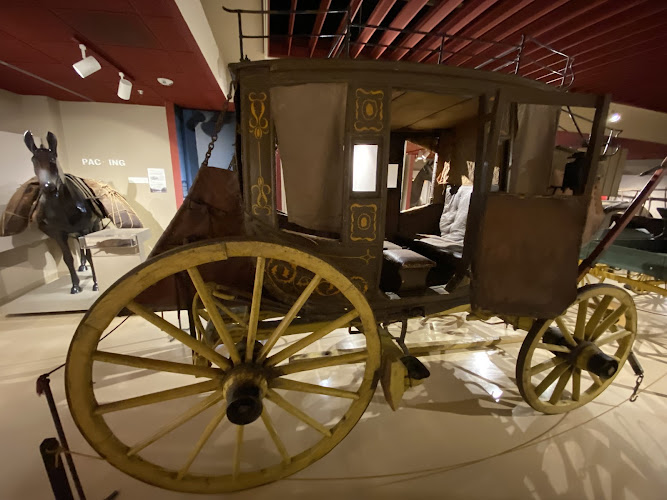
Arizona History Museum

The Mini Time Machine Museum of Miniatures
Find Accommodations Nearby
Recommended Tours & Activities
Visitor Reviews
There are no reviews yet. Be the first one to write one.
Share Your Experience
Have you visited Pima Air & Space Museum? Help other travelers by leaving a review.