
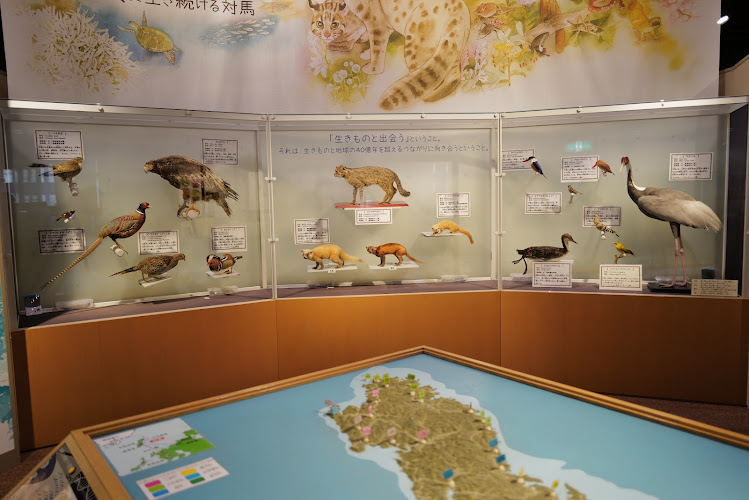
Tsushima Wildlife Conservation Center
About Tsushima Wildlife Conservation Center
Description
Okay, let me level with you—when I first heard about the Tsushima Wildlife Conservation Center, I pictured a totally remote, maybe even a little rough-around-the-edges sort of research hub. But wow, was I wrong. This place is refreshingly down-to-earth, pretty family-friendly, and honestly, more eye-opening than you’d expect for a spot tucked away on Tsushima Island. The Center isn’t your typical zoo or tourist trap. Instead, it’s a genuine hub for protecting some of Japan’s rarest wildlife, especially the elusive Tsushima leopard cat (seriously, if you’re even a little bit of a cat enthusiast, this is like sacred ground).
Since opening in 1997, the Center has become way more than a pit stop—it’s a meeting point for curious travelers, biology nerds, dedicated locals, and, let’s face it, more than a few animal lovers with cameras bigger than their backpacks. Its exhibitions and outreach activities are heartfelt, not flashy, with a clear mission to spread awareness about Tsushima’s fragile ecosystem.
They go all-in on educating visitors about the delicate balance needed to keep rare species like the Tsushima leopard cat from teetering toward extinction. And nope, it’s not all hopeless conservation talk—there’s hope, humor, and fierce local pride in every display, conversation, and even the volunteer-led nature walks. You absolutely get the sense these people care, which makes the place feel homey despite the seriousness of the mission.
Now, it’s not a giant theme park, and the facilities aren’t ultra-modern. You’re here to learn and support a vital cause, but the staff absolutely make up for any frayed corners with enthusiasm and kindness. Accessibility is solid: you’ll find wheelchair-friendly entrances, parking, and restrooms, so nobody’s left out. And yes, this is a fine place to bring curious kids (I saw more than a few wide-eyed questions flying around in the exhibit halls). But if you’re expecting cuddling baby animals, remember: it’s a rescue and a research center first, and they do everything guided by what’s best for the creatures—not just what pleases visitors.
At the core, the Center weaves together science, community, and the raw, wild beauty of Tsushima in a way that’s both sobering and hopeful. If you’re craving a travel experience that actually means something—and maybe lets you brag to friends that you saw one of Japan’s rarest cats—this place delivers in spades.
Key Features
- Tsushima Leopard Cat Encounter: Get a real, up-close look at the Tsushima leopard cat—one of the rarest wild cats in Japan. The Center sometimes has resident cats (usually not in the wild, rescue cases), and even just glimpsing them is a huge treat.
- Conservation & Research Activities: See hands-on exhibits and ongoing projects focused on protecting endangered species and restoring local habitats. There are interactive displays that break down the science into bite-sized, interesting chunks (I actually learned a ton here, and I’m not exactly a biologist myself).
- Special Educational Programs: Regular workshops, seasonal events, and guided tours where you can dive deeper into the island’s flora and fauna. Some are drop-in, others you’ll want to plan for.
- Accessible Facilities: The Center has wheelchair-friendly entrances, accessible parking, and restrooms. Families with strollers or older travelers with mobility challenges will be just fine here.
- Kid-Friendly Exhibits: Interactive games and simple explanations for younger visitors, plus activities where kids can try tracking wild animals (with zero danger—just good clean fun and a bit of excitement).
- Gift Shop with a Purpose: Pick up unique eco-friendly souvenirs—think plush Tsushima cats or locally crafted goods—where proceeds help fund conservation work. I might have spent too much here. No regrets.
- Breathtaking Natural Backdrop: The Center’s grounds are surrounded by lush forests and open fields—perfect if you want a quick nature stroll before you jump back in the car. Bring binoculars for impromptu bird-spotting.
- Bilingual Staff and Signage: While not every staffer is a fluent English speaker, there’s enough signage and friendly assistance that you won’t be lost in translation.
Best Time to Visit
Ah, the big question: When should you go? Well, I’ll tell you—while the Center is open all year, the different seasons create a totally different vibe. If you’ve got flexibility in your travel plans, spring (March to May) and autumn (late September to November) are prime. The weather’s much milder, the surrounding forests come alive with color (cherry blossoms or fiery autumn leaves), and outdoor walks around the grounds are much more pleasant.
In spring, the animals and plants outside are a little more lively. Local wildlife seem to know it’s showtime, and there’s a good buzz in the air. Autumn, on the other hand, is all about those crisp days and stunning leaf colors—a photographer’s dream that isn’t crowded like the mainland spots.
Summer (June to August)? Well, count on humidity and buzzing cicadas. I visited once during the rainy season—got drenched, learned to respect mother nature, but still had fun. Winter (December to February) is quieter and the forests hush down, but if you like peace and want to skip any crowds, it can be downright serene.
Insider tip: School holidays (especially Golden Week in early May) can bring in groups and families. It’s usually not swamped, but if you want that calm, reflective atmosphere, maybe steer clear of major Japanese holidays.
How to Get There
Making it to the Tsushima Wildlife Conservation Center is part of the adventure. Tsushima itself sits in the Tsushima Strait, closer to Korea than mainland Japan—a detail I’m constantly reminded of when I see signs written in both Japanese and Korean around town.
Most travelers start by catching a flight or ferry from Fukuoka or Nagasaki to reach Tsushima Island. The most popular route is a short flight—about an hour from Fukuoka Airport to Tsushima Airport, and then it’s a drive to the Center. Alternatively, there are regular ferries from Hakata Port (Fukuoka) or from Nagasaki, which, let’s be honest, are perfect if you want to enjoy the slow pace and take in the sea views.
From the airport or Izuhara Port, you’ll want to rent a car. Public transportation on the island is limited (unless you’re thrilled at the prospect of rural buses), and while there are taxis, they can get pricey. The Center is well-signposted, which is awesome for hopelessly lost folks like me—look for wildlife-themed signs along the countryside roads. And for anyone hesitating about rural Japanese driving, don’t sweat—it’s way less hectic than Tokyo traffic.
If you don’t drive, local tour operators sometimes bundle trips to the Center with sightseeing around Tsushima’s other gems. Ask your hotel or a friendly local—that’s how I ended up getting a personal folklore history lesson along the way. Honestly, talking to locals always adds a new dimension to these trips.
Tips for Visiting
First thing: Bring curiosity. The Center is best enjoyed if you’re open to learning (and asking awkward animal questions—I always do). It’s not an Instagram photo spot; it’s more for travelers hungry for meaningful experiences.
- Check event schedules in advance: Special tours and lectures pop up, especially around World Wildlife Day or during local festivals, and are totally worth planning around.
- Dress for comfort and weather: The indoor areas are cozy, but the best part is stepping outside for guided nature walks. Layers and decent shoes make all the difference—nobody wants to be the cold, damp tourist.
- Photography is encouraged, but... Respect signage around the leopard cat and sensitive exhibits. Flash can startle the animals, and trust me, nothing makes you feel guiltier than upsetting a rare cat.
- Support the mission: Drop a little change in the donation box or grab a souvenir. It’s a good cause, and, honestly, those plush cats make the best conversation starters when you get home.
- Take your time reading signs: Some of the info panels have quirky translations, but that just adds charm. Slow down and soak in the details you won't get anywhere else.
- Ask questions: Staff are passionate, if sometimes a bit shy, and you’ll often get surprising stories or recommendations for spots around the island—way better than any guidebook.
- Travel with respect: Remember, this is both a research site and working rescue facility. Be patient, don’t expect wild shows or performances. What you’re witnessing is real conservation with real impact
Key Features
- Key Features
- Best Time to Visit
- How to Get There
- Tips for Visiting
More Details
Updated June 9, 2025
Table of Contents
- Description
- Key Features
- Best Time to Visit
- How to Get There
- Tips for Visiting
- Key Highlights
- Location
- Places to Stay Near Tsushima Wildlife Conservation Center
- Find and Book a Tour
- Explore More Travel Guides
- Nearby Places You Might Like
- Traveler Reviews for Tsushima Wildlife Conservation Center
- Share Your Experience
Description
Okay, let me level with you—when I first heard about the Tsushima Wildlife Conservation Center, I pictured a totally remote, maybe even a little rough-around-the-edges sort of research hub. But wow, was I wrong. This place is refreshingly down-to-earth, pretty family-friendly, and honestly, more eye-opening than you’d expect for a spot tucked away on Tsushima Island. The Center isn’t your typical zoo or tourist trap. Instead, it’s a genuine hub for protecting some of Japan’s rarest wildlife, especially the elusive Tsushima leopard cat (seriously, if you’re even a little bit of a cat enthusiast, this is like sacred ground).
Since opening in 1997, the Center has become way more than a pit stop—it’s a meeting point for curious travelers, biology nerds, dedicated locals, and, let’s face it, more than a few animal lovers with cameras bigger than their backpacks. Its exhibitions and outreach activities are heartfelt, not flashy, with a clear mission to spread awareness about Tsushima’s fragile ecosystem.
They go all-in on educating visitors about the delicate balance needed to keep rare species like the Tsushima leopard cat from teetering toward extinction. And nope, it’s not all hopeless conservation talk—there’s hope, humor, and fierce local pride in every display, conversation, and even the volunteer-led nature walks. You absolutely get the sense these people care, which makes the place feel homey despite the seriousness of the mission.
Now, it’s not a giant theme park, and the facilities aren’t ultra-modern. You’re here to learn and support a vital cause, but the staff absolutely make up for any frayed corners with enthusiasm and kindness. Accessibility is solid: you’ll find wheelchair-friendly entrances, parking, and restrooms, so nobody’s left out. And yes, this is a fine place to bring curious kids (I saw more than a few wide-eyed questions flying around in the exhibit halls). But if you’re expecting cuddling baby animals, remember: it’s a rescue and a research center first, and they do everything guided by what’s best for the creatures—not just what pleases visitors.
At the core, the Center weaves together science, community, and the raw, wild beauty of Tsushima in a way that’s both sobering and hopeful. If you’re craving a travel experience that actually means something—and maybe lets you brag to friends that you saw one of Japan’s rarest cats—this place delivers in spades.
Key Features
- Tsushima Leopard Cat Encounter: Get a real, up-close look at the Tsushima leopard cat—one of the rarest wild cats in Japan. The Center sometimes has resident cats (usually not in the wild, rescue cases), and even just glimpsing them is a huge treat.
- Conservation & Research Activities: See hands-on exhibits and ongoing projects focused on protecting endangered species and restoring local habitats. There are interactive displays that break down the science into bite-sized, interesting chunks (I actually learned a ton here, and I’m not exactly a biologist myself).
- Special Educational Programs: Regular workshops, seasonal events, and guided tours where you can dive deeper into the island’s flora and fauna. Some are drop-in, others you’ll want to plan for.
- Accessible Facilities: The Center has wheelchair-friendly entrances, accessible parking, and restrooms. Families with strollers or older travelers with mobility challenges will be just fine here.
- Kid-Friendly Exhibits: Interactive games and simple explanations for younger visitors, plus activities where kids can try tracking wild animals (with zero danger—just good clean fun and a bit of excitement).
- Gift Shop with a Purpose: Pick up unique eco-friendly souvenirs—think plush Tsushima cats or locally crafted goods—where proceeds help fund conservation work. I might have spent too much here. No regrets.
- Breathtaking Natural Backdrop: The Center’s grounds are surrounded by lush forests and open fields—perfect if you want a quick nature stroll before you jump back in the car. Bring binoculars for impromptu bird-spotting.
- Bilingual Staff and Signage: While not every staffer is a fluent English speaker, there’s enough signage and friendly assistance that you won’t be lost in translation.
Best Time to Visit
Ah, the big question: When should you go? Well, I’ll tell you—while the Center is open all year, the different seasons create a totally different vibe. If you’ve got flexibility in your travel plans, spring (March to May) and autumn (late September to November) are prime. The weather’s much milder, the surrounding forests come alive with color (cherry blossoms or fiery autumn leaves), and outdoor walks around the grounds are much more pleasant.
In spring, the animals and plants outside are a little more lively. Local wildlife seem to know it’s showtime, and there’s a good buzz in the air. Autumn, on the other hand, is all about those crisp days and stunning leaf colors—a photographer’s dream that isn’t crowded like the mainland spots.
Summer (June to August)? Well, count on humidity and buzzing cicadas. I visited once during the rainy season—got drenched, learned to respect mother nature, but still had fun. Winter (December to February) is quieter and the forests hush down, but if you like peace and want to skip any crowds, it can be downright serene.
Insider tip: School holidays (especially Golden Week in early May) can bring in groups and families. It’s usually not swamped, but if you want that calm, reflective atmosphere, maybe steer clear of major Japanese holidays.
How to Get There
Making it to the Tsushima Wildlife Conservation Center is part of the adventure. Tsushima itself sits in the Tsushima Strait, closer to Korea than mainland Japan—a detail I’m constantly reminded of when I see signs written in both Japanese and Korean around town.
Most travelers start by catching a flight or ferry from Fukuoka or Nagasaki to reach Tsushima Island. The most popular route is a short flight—about an hour from Fukuoka Airport to Tsushima Airport, and then it’s a drive to the Center. Alternatively, there are regular ferries from Hakata Port (Fukuoka) or from Nagasaki, which, let’s be honest, are perfect if you want to enjoy the slow pace and take in the sea views.
From the airport or Izuhara Port, you’ll want to rent a car. Public transportation on the island is limited (unless you’re thrilled at the prospect of rural buses), and while there are taxis, they can get pricey. The Center is well-signposted, which is awesome for hopelessly lost folks like me—look for wildlife-themed signs along the countryside roads. And for anyone hesitating about rural Japanese driving, don’t sweat—it’s way less hectic than Tokyo traffic.
If you don’t drive, local tour operators sometimes bundle trips to the Center with sightseeing around Tsushima’s other gems. Ask your hotel or a friendly local—that’s how I ended up getting a personal folklore history lesson along the way. Honestly, talking to locals always adds a new dimension to these trips.
Tips for Visiting
First thing: Bring curiosity. The Center is best enjoyed if you’re open to learning (and asking awkward animal questions—I always do). It’s not an Instagram photo spot; it’s more for travelers hungry for meaningful experiences.
- Check event schedules in advance: Special tours and lectures pop up, especially around World Wildlife Day or during local festivals, and are totally worth planning around.
- Dress for comfort and weather: The indoor areas are cozy, but the best part is stepping outside for guided nature walks. Layers and decent shoes make all the difference—nobody wants to be the cold, damp tourist.
- Photography is encouraged, but… Respect signage around the leopard cat and sensitive exhibits. Flash can startle the animals, and trust me, nothing makes you feel guiltier than upsetting a rare cat.
- Support the mission: Drop a little change in the donation box or grab a souvenir. It’s a good cause, and, honestly, those plush cats make the best conversation starters when you get home.
- Take your time reading signs: Some of the info panels have quirky translations, but that just adds charm. Slow down and soak in the details you won’t get anywhere else.
- Ask questions: Staff are passionate, if sometimes a bit shy, and you’ll often get surprising stories or recommendations for spots around the island—way better than any guidebook.
-
Travel with respect: Remember, this is both a research site and working rescue facility. Be patient, don’t expect wild shows or performances. What you’re witnessing is real conservation with real impact
Key Highlights
- Key Features
- Best Time to Visit
- How to Get There
- Tips for Visiting
Location
Places to Stay Near Tsushima Wildlife Conservation Center
Find and Book a Tour
Explore More Travel Guides
No reviews found! Be the first to review!
Traveler Reviews for Tsushima Wildlife Conservation Center
There are no reviews yet. Be the first one to write one.
Have you visited Tsushima Wildlife Conservation Center? Help other travelers by sharing your review.
You Might Also Like
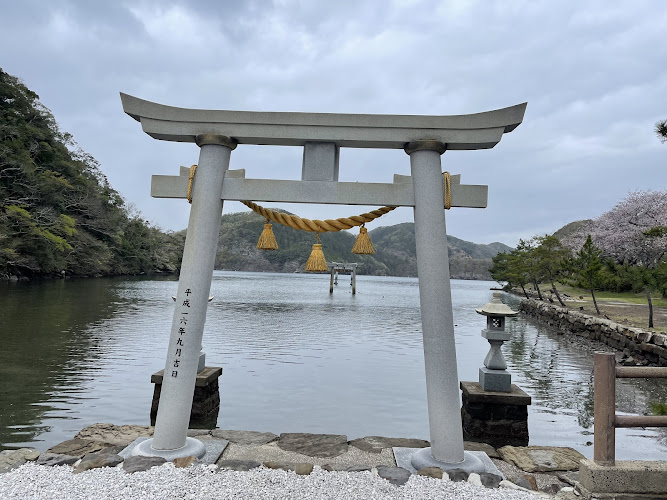
Watatsumi Shrine
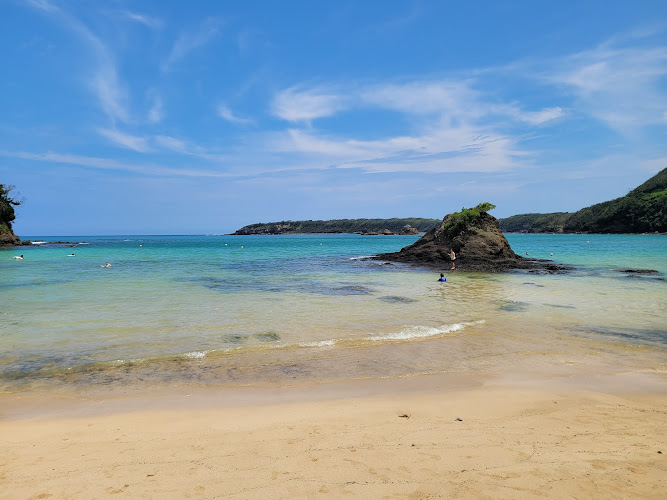
Miuda Beach & Seawater Bathhouse

Ruins of Shimizusan castle
Find Accommodations Nearby
Recommended Tours & Activities
Visitor Reviews
There are no reviews yet. Be the first one to write one.
Share Your Experience
Have you visited Tsushima Wildlife Conservation Center? Help other travelers by leaving a review.