
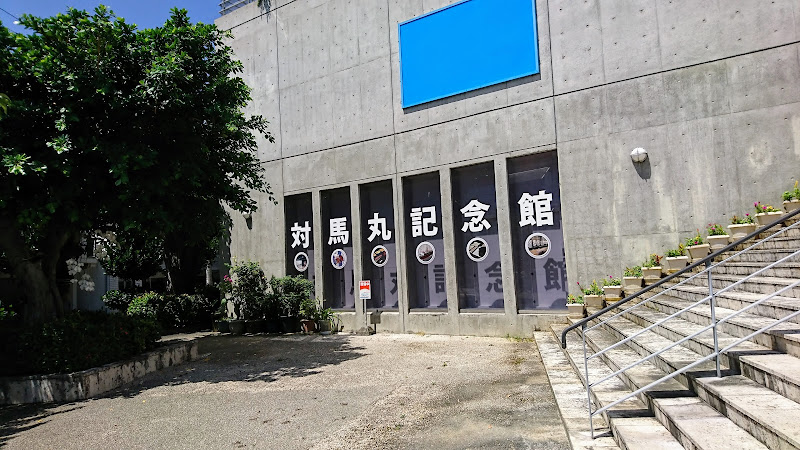
Tsushima-maru Memorial Museum
About Tsushima-maru Memorial Museum
Description
The Tsushima-maru Memorial Museum in Naha tells one of Okinawa’s most heartbreaking stories — and it does so in a way that’s both deeply human and quietly powerful. On August 22, 1944, the passenger and cargo ship Tsushima Maru was carrying 1,661 evacuees, many of them schoolchildren, from Okinawa to mainland Japan to escape the escalating war. Midway through the journey, it was torpedoed by the USS Bowfin submarine. In mere minutes, 1,484 lives were lost. More than half of those were children. This museum exists so that those voices, silenced far too soon, are not forgotten.
Walking through the exhibits, you can almost feel the weight of the stories pressing in — not in a morbid way, but in a way that makes you stop, breathe, and think. There are photographs of smiling children in school uniforms, letters written home, and personal belongings recovered from the wreck. It’s not just about the facts of war, but about what was stolen: futures, dreams, and the everyday lives that never got to unfold.
Now, I’ve been to a fair number of war museums in my travels, and some can feel a bit too heavy on military hardware or political timelines. This one is different. It’s focused on the human side — especially on children — and that makes it hit harder. You’re not just learning history; you’re feeling it. And that’s the point. The museum wants visitors, especially younger ones, to think about peace, about their own futures, and about the fragility of life. It’s a sobering experience, yes, but not a hopeless one. There’s a quiet thread of resilience running through it all.
The museum itself is modern, well-maintained, and accessible, with wheelchair-friendly entrances, restrooms, and parking. It’s not flashy, and it doesn’t need to be. The design keeps your focus where it belongs — on the stories of the people who were aboard that ship. If you’re in Okinawa and you want to understand more than just the beaches and resorts, this is a place you should carve out time for. It stays with you long after you leave.
Key Features
- Detailed exhibits on the 1944 sinking of the Tsushima Maru, with survivor testimonies and victim lists
- Personal artifacts such as clothing, letters, and toys recovered from the wreck site
- Focus on the impact of war on children and civilian life
- Permanent and special exhibitions exploring peace education
- Quiet memorial space for reflection and remembrance
- Wheelchair-accessible entrance, restrooms, and parking
- Good for families, with exhibits that can be understood by children while still resonating with adults
Best Time to Visit
If you want the space to yourself — or at least as close to it as possible — weekdays in the late morning are ideal. Okinawa’s tourist flow tends to be heavier in the afternoons, especially when cruise ships are in port. The museum is indoors, so weather isn’t a big factor, but I’ve found rainy days make the visit even more contemplative. And if you happen to be in Okinawa around August 22, the anniversary of the sinking, there are often memorial events that add another layer of meaning to your visit. Just be prepared for larger crowds and a more emotional atmosphere.
How to Get There
The Tsushima-maru Memorial Museum is located in Naha, within walking distance of Naminoue Beach and several other historical spots. If you’re staying in central Naha, you can reach it on foot or with a short taxi ride. From Naha Airport, it’s roughly a 15–20 minute drive depending on traffic. Public buses also run nearby, but if you’re not confident navigating Japanese bus routes, a taxi or rental car might save you some stress. Parking is available close to the museum, and it’s accessible for visitors with mobility needs.
Tips for Visiting
First off, give yourself enough time. An hour might be enough for a quick walk-through, but to really take it in — to read the testimonies, watch the videos, and reflect — plan for at least two. Also, while photography is allowed in some areas, it’s not in others, so check the signage before snapping away. Honestly, some moments are better experienced without a lens between you and the story anyway.
If you’re traveling with kids, prepare them beforehand. The exhibits are powerful, and some of the stories are heartbreaking. But the museum’s focus on peace makes it a valuable learning experience. There’s seating throughout if you or your companions need a break to process.
Bring tissues — not a joke. I didn’t, and I regretted it. And if you’re the type who likes to pick up a memento, the small gift corner has books and materials (in Japanese and sometimes English) that dive deeper into the event. These make thoughtful keepsakes or gifts for anyone interested in history or peace education.
Finally, approach it with an open mind and heart. This isn’t just another stop on your itinerary; it’s a chance to connect with a piece of Okinawa’s soul. And trust me, it’s one you won’t forget.
Key Features
- Detailed exhibits on the 1944 sinking of the Tsushima Maru, with survivor testimonies and victim lists
- Personal artifacts such as clothing, letters, and toys recovered from the wreck site
- Focus on the impact of war on children and civilian life
- Permanent and special exhibitions exploring peace education
- Quiet memorial space for reflection and remembrance
- Wheelchair-accessible entrance, restrooms, and parking
- Good for families, with exhibits that can be understood by children while still resonating with adults
More Details
Updated August 14, 2025
Table of Contents
Description
The Tsushima-maru Memorial Museum in Naha tells one of Okinawa’s most heartbreaking stories — and it does so in a way that’s both deeply human and quietly powerful. On August 22, 1944, the passenger and cargo ship Tsushima Maru was carrying 1,661 evacuees, many of them schoolchildren, from Okinawa to mainland Japan to escape the escalating war. Midway through the journey, it was torpedoed by the USS Bowfin submarine. In mere minutes, 1,484 lives were lost. More than half of those were children. This museum exists so that those voices, silenced far too soon, are not forgotten.
Walking through the exhibits, you can almost feel the weight of the stories pressing in — not in a morbid way, but in a way that makes you stop, breathe, and think. There are photographs of smiling children in school uniforms, letters written home, and personal belongings recovered from the wreck. It’s not just about the facts of war, but about what was stolen: futures, dreams, and the everyday lives that never got to unfold.
Now, I’ve been to a fair number of war museums in my travels, and some can feel a bit too heavy on military hardware or political timelines. This one is different. It’s focused on the human side — especially on children — and that makes it hit harder. You’re not just learning history; you’re feeling it. And that’s the point. The museum wants visitors, especially younger ones, to think about peace, about their own futures, and about the fragility of life. It’s a sobering experience, yes, but not a hopeless one. There’s a quiet thread of resilience running through it all.
The museum itself is modern, well-maintained, and accessible, with wheelchair-friendly entrances, restrooms, and parking. It’s not flashy, and it doesn’t need to be. The design keeps your focus where it belongs — on the stories of the people who were aboard that ship. If you’re in Okinawa and you want to understand more than just the beaches and resorts, this is a place you should carve out time for. It stays with you long after you leave.
Key Features
- Detailed exhibits on the 1944 sinking of the Tsushima Maru, with survivor testimonies and victim lists
- Personal artifacts such as clothing, letters, and toys recovered from the wreck site
- Focus on the impact of war on children and civilian life
- Permanent and special exhibitions exploring peace education
- Quiet memorial space for reflection and remembrance
- Wheelchair-accessible entrance, restrooms, and parking
- Good for families, with exhibits that can be understood by children while still resonating with adults
Best Time to Visit
If you want the space to yourself — or at least as close to it as possible — weekdays in the late morning are ideal. Okinawa’s tourist flow tends to be heavier in the afternoons, especially when cruise ships are in port. The museum is indoors, so weather isn’t a big factor, but I’ve found rainy days make the visit even more contemplative. And if you happen to be in Okinawa around August 22, the anniversary of the sinking, there are often memorial events that add another layer of meaning to your visit. Just be prepared for larger crowds and a more emotional atmosphere.
How to Get There
The Tsushima-maru Memorial Museum is located in Naha, within walking distance of Naminoue Beach and several other historical spots. If you’re staying in central Naha, you can reach it on foot or with a short taxi ride. From Naha Airport, it’s roughly a 15–20 minute drive depending on traffic. Public buses also run nearby, but if you’re not confident navigating Japanese bus routes, a taxi or rental car might save you some stress. Parking is available close to the museum, and it’s accessible for visitors with mobility needs.
Tips for Visiting
First off, give yourself enough time. An hour might be enough for a quick walk-through, but to really take it in — to read the testimonies, watch the videos, and reflect — plan for at least two. Also, while photography is allowed in some areas, it’s not in others, so check the signage before snapping away. Honestly, some moments are better experienced without a lens between you and the story anyway.
If you’re traveling with kids, prepare them beforehand. The exhibits are powerful, and some of the stories are heartbreaking. But the museum’s focus on peace makes it a valuable learning experience. There’s seating throughout if you or your companions need a break to process.
Bring tissues — not a joke. I didn’t, and I regretted it. And if you’re the type who likes to pick up a memento, the small gift corner has books and materials (in Japanese and sometimes English) that dive deeper into the event. These make thoughtful keepsakes or gifts for anyone interested in history or peace education.
Finally, approach it with an open mind and heart. This isn’t just another stop on your itinerary; it’s a chance to connect with a piece of Okinawa’s soul. And trust me, it’s one you won’t forget.
Key Highlights
- Detailed exhibits on the 1944 sinking of the Tsushima Maru, with survivor testimonies and victim lists
- Personal artifacts such as clothing, letters, and toys recovered from the wreck site
- Focus on the impact of war on children and civilian life
- Permanent and special exhibitions exploring peace education
- Quiet memorial space for reflection and remembrance
- Wheelchair-accessible entrance, restrooms, and parking
- Good for families, with exhibits that can be understood by children while still resonating with adults
Location
Places to Stay Near Tsushima-maru Memorial Museum
Find and Book a Tour
Explore More Travel Guides
No reviews found! Be the first to review!
Traveler Reviews for Tsushima-maru Memorial Museum
There are no reviews yet. Be the first one to write one.
Have you visited Tsushima-maru Memorial Museum? Help other travelers by sharing your review.
You Might Also Like
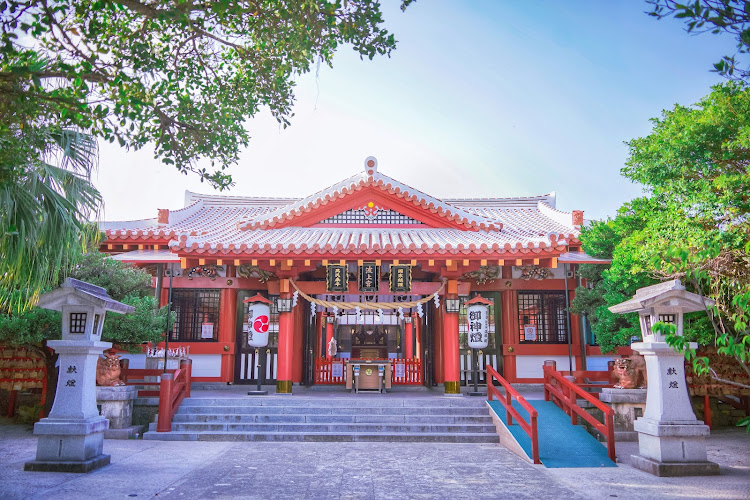
Naminoue Shrine
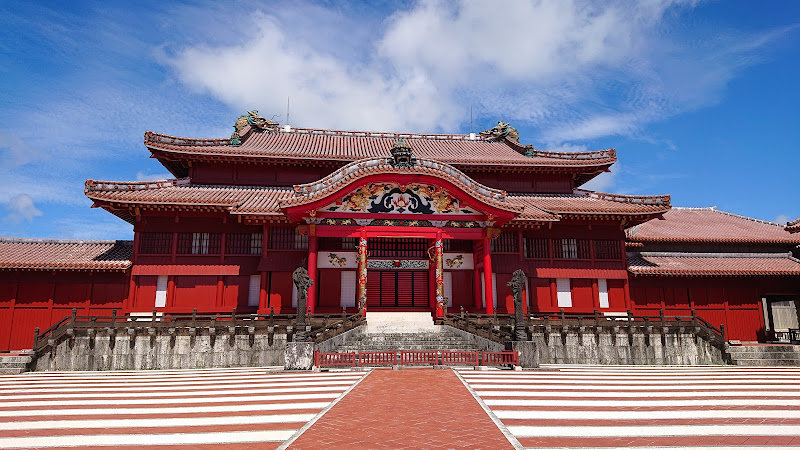
Shuri Castle
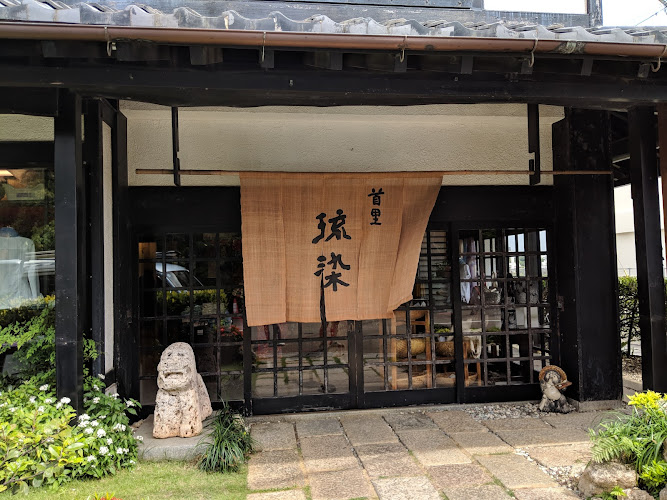
Shuri Ryusen
Find Accommodations Nearby
Recommended Tours & Activities
Visitor Reviews
There are no reviews yet. Be the first one to write one.
Share Your Experience
Have you visited Tsushima-maru Memorial Museum? Help other travelers by leaving a review.