
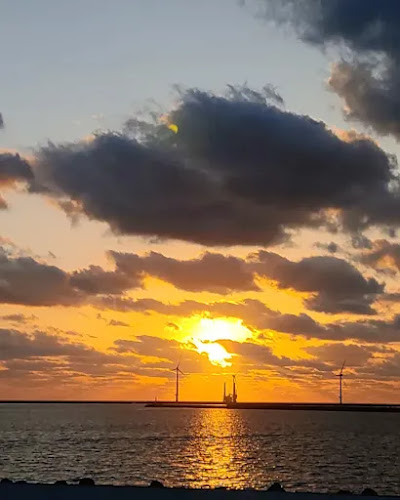
Tsuchizakiminatonishi
About Tsuchizakiminatonishi
Description
Tsuchizakiminatonishi, tucked away in the northern reaches of Akita City, is one of those places that quietly surprises you. It’s not the kind of destination plastered across glossy travel magazines, but that’s exactly what makes it special. The area carries an unassuming charm — a mix of old port-town spirit, industrial history, and the kind of local warmth you only find in smaller Japanese neighborhoods.
When I first wandered through Tsuchizakiminatonishi, I wasn’t expecting much beyond a quiet stroll. But there’s something about the sea breeze here — it carries whispers of the past. You can almost imagine the days when the nearby Tsuchizaki Port was bustling with trade ships and fishermen shouting across the docks. The streets still hold traces of that maritime legacy, with small shrines, old warehouses, and family-run shops that have been standing for generations.
It’s an area that blends the old and the new in a way that feels organic. You’ll find traditional homes sitting comfortably beside modern buildings, and locals chatting outside convenience stores as if time moves just a little slower here. The atmosphere is calm, but not dull — there’s a quiet rhythm that feels grounding. And if you’re someone who loves exploring off-the-beaten-path neighborhoods, Tsuchizakiminatonishi will absolutely speak to you.
The nearby Port of Akita and the historical site of Minato Castle add layers of depth to the area’s story. The Ando clan once ruled this region from Minato Castle during the Muromachi period, shaping much of Akita’s early development. Even though the castle itself no longer stands in its original form, the spirit of that era lingers. Locals still tell stories of the port’s heyday, when it was counted among Japan’s ten great harbors.
Modern Tsuchizakiminatonishi has grown into a comfortable residential district, yet it hasn’t lost its sense of place. The people here are proud of their heritage, and you can feel that pride in the way they maintain their community festivals and local traditions. It’s not flashy tourism — it’s real life unfolding in a corner of Japan that still values authenticity.
Key Features
- Historical Significance: Once part of the thriving Tsuchizaki Minato port area, historically home to the Ando clan and a vital hub for trade in northern Japan.
- Local Culture: A strong sense of community, seen in neighborhood matsuri (festivals) and traditional craft shops that have endured for decades.
- Proximity to the Sea: The salty air and distant sound of waves remind visitors that the Sea of Japan is never far away.
- Access to Akita City: Conveniently close to central Akita, making it easy to explore both urban and coastal attractions in a single day.
- Authentic Food Scene: Local eateries serve hearty Akita dishes — kiritanpo hot pot, fresh seafood, and homestyle ramen that warms you from the inside out.
- Quiet Streets & Local Life: Perfect for travelers who prefer slow travel, photography, and getting a feel for everyday Japanese life beyond the tourist trail.
Best Time to Visit
If you ask me, the best time to visit Tsuchizakiminatonishi is during late spring or early autumn. The weather is gentle, the skies are clear, and the air carries that crisp northern freshness that makes you want to take long walks. Summer can be lively too, especially during local festivals when lanterns light up the streets and taiko drums echo through the night air.
Winter, on the other hand, paints a completely different picture. The snow here has a way of softening everything — the rooftops, the roads, even the sounds. It’s quiet, peaceful, and honestly, a bit magical if you don’t mind the cold. I once visited in February, and despite my frozen fingers, I couldn’t help but admire how the whole neighborhood seemed to glow under the streetlights.
Each season gives Tsuchizakiminatonishi its own flavor. Spring brings cherry blossoms along the riverbanks, summer hums with festivals, autumn bursts with color, and winter offers stillness. It really depends on what kind of traveler you are — if you love energy and celebration, go in summer; if you crave calm reflection, winter will be your muse.
How to Get There
Getting to Tsuchizakiminatonishi is fairly straightforward, especially if you’re already in Akita City. From Akita Station, hop on the JR Oga Line and get off at Tsuchizaki Station — the ride takes around 10 minutes. From there, it’s an easy walk or a short taxi ride to the heart of the district.
If you’re arriving from Tokyo or another major city, the Akita Shinkansen connects directly to Akita Station, making the journey both comfortable and scenic. I’d recommend grabbing a window seat — the view of the countryside rolling by is worth it. For those who prefer driving, the route along the Akita Expressway offers a smooth ride with plenty of rest stops where you can sample local snacks.
Public transport in Akita is reliable but not overly frequent, so plan your return trip in advance. If you’re the kind who likes to wander without a strict schedule, renting a bicycle or car gives you the freedom to explore nearby attractions like the Port of Akita or the Tsuchizaki Shrine at your own pace.
Tips for Visiting
A few personal tips if you’re planning to explore Tsuchizakiminatonishi — and I say this from experience. First, take your time. This isn’t a place you rush through. It’s more about slow discovery — the kind where you stop to chat with an old shopkeeper or watch the sunset over the harbor.
Second, bring cash. Many local businesses, especially smaller restaurants and shops, still operate on a cash-only basis. It’s part of the charm, really — a reminder that not everything in Japan is ultra-modern and digital.
Third, if you happen to be around in mid-August, don’t miss the Tsuchizaki Port Festival. It’s one of Akita’s most spirited summer events, featuring massive floats, traditional music, and a contagious sense of joy that pulls you right in. I once joined a group of locals dancing in the streets — completely unplanned — and it became one of my favorite travel memories.
Also, dress for the weather. Akita’s climate can be unpredictable, especially near the coast. A light jacket or umbrella can save your day. And if you’re into photography, bring extra batteries — the mix of sea, sky, and old-town textures makes for stunning shots.
Lastly, be respectful of the locals’ pace of life. This is a working neighborhood, not a tourist attraction. Smile, say hello, and you’ll likely be met with genuine kindness. People here appreciate visitors who take interest in their community.
Tsuchizakiminatonishi might not have the glitz of Tokyo or Kyoto, but that’s exactly its strength. It’s a place where you can slow down, breathe, and feel connected — to history, to nature, and maybe even to yourself. If you’re looking for a destination that feels real, grounded, and quietly beautiful, this little corner of Akita deserves a spot on your map.
Key Features
- Key Features
- Best Time to Visit
- How to Get There
- Tips for Visiting
More Details
Updated November 10, 2025
Table of Contents
Description
Tsuchizakiminatonishi, tucked away in the northern reaches of Akita City, is one of those places that quietly surprises you. It’s not the kind of destination plastered across glossy travel magazines, but that’s exactly what makes it special. The area carries an unassuming charm — a mix of old port-town spirit, industrial history, and the kind of local warmth you only find in smaller Japanese neighborhoods.
When I first wandered through Tsuchizakiminatonishi, I wasn’t expecting much beyond a quiet stroll. But there’s something about the sea breeze here — it carries whispers of the past. You can almost imagine the days when the nearby Tsuchizaki Port was bustling with trade ships and fishermen shouting across the docks. The streets still hold traces of that maritime legacy, with small shrines, old warehouses, and family-run shops that have been standing for generations.
It’s an area that blends the old and the new in a way that feels organic. You’ll find traditional homes sitting comfortably beside modern buildings, and locals chatting outside convenience stores as if time moves just a little slower here. The atmosphere is calm, but not dull — there’s a quiet rhythm that feels grounding. And if you’re someone who loves exploring off-the-beaten-path neighborhoods, Tsuchizakiminatonishi will absolutely speak to you.
The nearby Port of Akita and the historical site of Minato Castle add layers of depth to the area’s story. The Ando clan once ruled this region from Minato Castle during the Muromachi period, shaping much of Akita’s early development. Even though the castle itself no longer stands in its original form, the spirit of that era lingers. Locals still tell stories of the port’s heyday, when it was counted among Japan’s ten great harbors.
Modern Tsuchizakiminatonishi has grown into a comfortable residential district, yet it hasn’t lost its sense of place. The people here are proud of their heritage, and you can feel that pride in the way they maintain their community festivals and local traditions. It’s not flashy tourism — it’s real life unfolding in a corner of Japan that still values authenticity.
Key Features
- Historical Significance: Once part of the thriving Tsuchizaki Minato port area, historically home to the Ando clan and a vital hub for trade in northern Japan.
- Local Culture: A strong sense of community, seen in neighborhood matsuri (festivals) and traditional craft shops that have endured for decades.
- Proximity to the Sea: The salty air and distant sound of waves remind visitors that the Sea of Japan is never far away.
- Access to Akita City: Conveniently close to central Akita, making it easy to explore both urban and coastal attractions in a single day.
- Authentic Food Scene: Local eateries serve hearty Akita dishes — kiritanpo hot pot, fresh seafood, and homestyle ramen that warms you from the inside out.
- Quiet Streets & Local Life: Perfect for travelers who prefer slow travel, photography, and getting a feel for everyday Japanese life beyond the tourist trail.
Best Time to Visit
If you ask me, the best time to visit Tsuchizakiminatonishi is during late spring or early autumn. The weather is gentle, the skies are clear, and the air carries that crisp northern freshness that makes you want to take long walks. Summer can be lively too, especially during local festivals when lanterns light up the streets and taiko drums echo through the night air.
Winter, on the other hand, paints a completely different picture. The snow here has a way of softening everything — the rooftops, the roads, even the sounds. It’s quiet, peaceful, and honestly, a bit magical if you don’t mind the cold. I once visited in February, and despite my frozen fingers, I couldn’t help but admire how the whole neighborhood seemed to glow under the streetlights.
Each season gives Tsuchizakiminatonishi its own flavor. Spring brings cherry blossoms along the riverbanks, summer hums with festivals, autumn bursts with color, and winter offers stillness. It really depends on what kind of traveler you are — if you love energy and celebration, go in summer; if you crave calm reflection, winter will be your muse.
How to Get There
Getting to Tsuchizakiminatonishi is fairly straightforward, especially if you’re already in Akita City. From Akita Station, hop on the JR Oga Line and get off at Tsuchizaki Station — the ride takes around 10 minutes. From there, it’s an easy walk or a short taxi ride to the heart of the district.
If you’re arriving from Tokyo or another major city, the Akita Shinkansen connects directly to Akita Station, making the journey both comfortable and scenic. I’d recommend grabbing a window seat — the view of the countryside rolling by is worth it. For those who prefer driving, the route along the Akita Expressway offers a smooth ride with plenty of rest stops where you can sample local snacks.
Public transport in Akita is reliable but not overly frequent, so plan your return trip in advance. If you’re the kind who likes to wander without a strict schedule, renting a bicycle or car gives you the freedom to explore nearby attractions like the Port of Akita or the Tsuchizaki Shrine at your own pace.
Tips for Visiting
A few personal tips if you’re planning to explore Tsuchizakiminatonishi — and I say this from experience. First, take your time. This isn’t a place you rush through. It’s more about slow discovery — the kind where you stop to chat with an old shopkeeper or watch the sunset over the harbor.
Second, bring cash. Many local businesses, especially smaller restaurants and shops, still operate on a cash-only basis. It’s part of the charm, really — a reminder that not everything in Japan is ultra-modern and digital.
Third, if you happen to be around in mid-August, don’t miss the Tsuchizaki Port Festival. It’s one of Akita’s most spirited summer events, featuring massive floats, traditional music, and a contagious sense of joy that pulls you right in. I once joined a group of locals dancing in the streets — completely unplanned — and it became one of my favorite travel memories.
Also, dress for the weather. Akita’s climate can be unpredictable, especially near the coast. A light jacket or umbrella can save your day. And if you’re into photography, bring extra batteries — the mix of sea, sky, and old-town textures makes for stunning shots.
Lastly, be respectful of the locals’ pace of life. This is a working neighborhood, not a tourist attraction. Smile, say hello, and you’ll likely be met with genuine kindness. People here appreciate visitors who take interest in their community.
Tsuchizakiminatonishi might not have the glitz of Tokyo or Kyoto, but that’s exactly its strength. It’s a place where you can slow down, breathe, and feel connected — to history, to nature, and maybe even to yourself. If you’re looking for a destination that feels real, grounded, and quietly beautiful, this little corner of Akita deserves a spot on your map.
Key Highlights
- Key Features
- Best Time to Visit
- How to Get There
- Tips for Visiting
Location
Places to Stay Near Tsuchizakiminatonishi
Find and Book a Tour
Explore More Travel Guides
No reviews found! Be the first to review!
Traveler Reviews for Tsuchizakiminatonishi
There are no reviews yet. Be the first one to write one.
Have you visited Tsuchizakiminatonishi? Help other travelers by sharing your review.
You Might Also Like

Kogetsu Pond
Kubota Castle Front Gate

Akita City Folk Arts Center (Neburinagashi-Kan)
Find Accommodations Nearby
Recommended Tours & Activities
Visitor Reviews
There are no reviews yet. Be the first one to write one.
Share Your Experience
Have you visited Tsuchizakiminatonishi? Help other travelers by leaving a review.