
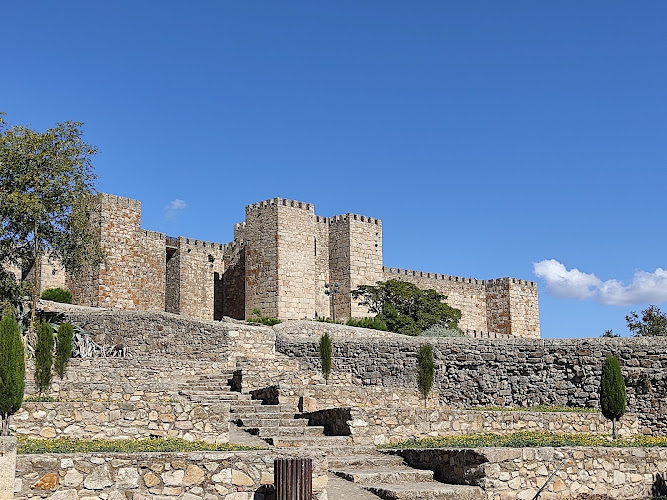
Trujillo Alcazaba
About Trujillo Alcazaba
Description
The Trujillo Alcazaba is one of those places that makes you stop in your tracks and just breathe it all in. Perched high above the town, this medieval fortress has been standing guard for centuries, watching over the plains of Extremadura. Built originally by the Moors, its thick stone walls, eight towers, and distinctive horseshoe arch give it a bold, unmistakable silhouette. From up here, you can see the rugged rocky terrain known as the berrocal stretching out in every direction, and honestly, it feels like stepping into a scene from a history book.
What makes the Alcazaba so compelling isn’t just the architecture—though the towers and battlements are impressive—it’s the atmosphere. You can almost feel the weight of the centuries in the stones, from the Moorish builders who first raised it to the Christian rulers who later expanded it. Some visitors find it a little bare inside compared to more ornate castles, but that’s part of its charm. It’s not a polished museum piece; it’s raw history you can walk through. Families often enjoy exploring here, and kids in particular love running along the walls or ducking into the old water cistern, the aljibe, which still echoes with the sound of dripping water.
Of course, not every traveler falls head over heels for the Alcazaba. A few people say it feels too simple or that there’s not much to “do” once you’re inside beyond climbing and taking in the views. But for those who appreciate history, architecture, or just the thrill of standing somewhere that’s been a witness to centuries of battles, sieges, and daily life, it’s an unforgettable stop. And personally, I’ll take a windswept castle wall with a sweeping view over a crowded tourist attraction any day.
Key Features
- Eight defensive towers offering panoramic views of the Extremadura plains
- A striking Moorish horseshoe arch at the main entrance
- The medieval aljibe (cistern), one of the most atmospheric corners of the fortress
- Stone walls that date back to the 9th–10th century with later Christian modifications
- Open courtyards perfect for wandering and imagining medieval life
- Family-friendly space where children can safely explore and climb
Best Time to Visit
Timing matters when visiting the Alcazaba. The Extremadura sun can be merciless in the summer, and walking around the exposed walls at midday is, frankly, a recipe for dehydration. Spring and autumn are the sweet spots—the weather is mild, the skies are usually clear, and the surrounding countryside is at its most photogenic. If you’re visiting in summer, go early in the morning or later in the afternoon when the light is softer and the heat less punishing. Winter has its own charm too, with fewer crowds and a moody atmosphere that makes the fortress feel even more ancient.
Personally, I’d recommend catching either sunrise or sunset from the walls. There’s something magical about watching the light stretch across the plains, with the town of Trujillo glowing below. It’s the kind of moment that sticks with you long after you’ve gone home.
How to Get There
Reaching the Alcazaba is part of the adventure. It sits at the very top of Trujillo, so whether you’re walking or driving, expect a bit of a climb. If you’re on foot, the route winds through narrow cobbled streets lined with old stone houses, each corner offering a glimpse of the past. It’s uphill, yes, but it’s also short enough that most people manage just fine. And honestly, the anticipation builds as you see the towers getting closer with each turn.
If you’re driving, there are small parking areas nearby, though they can fill up quickly on weekends or holidays. The roads are narrow, so patience is key. Once you’re up there, everything is within easy walking distance—the Plaza Mayor, churches, and other landmarks are just a short stroll downhill.
For those traveling from farther afield, Trujillo is well connected by road to Cáceres, Mérida, and Madrid. Buses run regularly, and from the station it’s a pleasant walk through town to the castle. It’s not complicated, but I’d say allow extra time just to wander—you’ll want to stop and take photos along the way.
Tips for Visiting
A few practical tips can make your visit much smoother. First off, wear comfortable shoes. The cobblestones and uneven steps inside the fortress are charming but not exactly flip-flop friendly. Bring water, especially in warmer months, since there’s little shade once you’re up on the walls. If you’re traveling with kids, keep an eye on them near the edges, though most areas are secure enough for families to explore without stress.
Photography lovers will want to bring a good camera or at least clear some space on their phone. The views stretch for miles, and the combination of stone, sky, and countryside is endlessly photogenic. Don’t rush through—give yourself at least an hour to wander, climb, and just sit for a while. The fortress has a way of revealing itself slowly, and the best moments often come when you pause instead of powering through.
If you’re someone who likes context, consider joining a guided tour. Local guides bring the history alive with stories of battles, legends, and the families who once ruled from these walls. I once tagged along on a tour and learned about the symbolism of the horseshoe arch—something I would’ve completely missed on my own. And if you’re more of a solo explorer, just let yourself get a little lost. That’s half the fun.
Lastly, don’t forget to look back as you leave. The view of the Alcazaba from below, especially when it’s lit up at night, is almost as impressive as the view from the top. It’s the kind of sight that makes you glad you made the climb in the first place.
Key Features
- Eight defensive towers offering panoramic views of the Extremadura plains
- A striking Moorish horseshoe arch at the main entrance
- Stone walls that date back to the 9th–10th century with later Christian modifications
- Open courtyards perfect for wandering and imagining medieval life
- Family-friendly space where children can safely explore and climb
More Details
Updated September 30, 2025
Table of Contents
Description
The Trujillo Alcazaba is one of those places that makes you stop in your tracks and just breathe it all in. Perched high above the town, this medieval fortress has been standing guard for centuries, watching over the plains of Extremadura. Built originally by the Moors, its thick stone walls, eight towers, and distinctive horseshoe arch give it a bold, unmistakable silhouette. From up here, you can see the rugged rocky terrain known as the berrocal stretching out in every direction, and honestly, it feels like stepping into a scene from a history book.
What makes the Alcazaba so compelling isn’t just the architecture—though the towers and battlements are impressive—it’s the atmosphere. You can almost feel the weight of the centuries in the stones, from the Moorish builders who first raised it to the Christian rulers who later expanded it. Some visitors find it a little bare inside compared to more ornate castles, but that’s part of its charm. It’s not a polished museum piece; it’s raw history you can walk through. Families often enjoy exploring here, and kids in particular love running along the walls or ducking into the old water cistern, the aljibe, which still echoes with the sound of dripping water.
Of course, not every traveler falls head over heels for the Alcazaba. A few people say it feels too simple or that there’s not much to “do” once you’re inside beyond climbing and taking in the views. But for those who appreciate history, architecture, or just the thrill of standing somewhere that’s been a witness to centuries of battles, sieges, and daily life, it’s an unforgettable stop. And personally, I’ll take a windswept castle wall with a sweeping view over a crowded tourist attraction any day.
Key Features
- Eight defensive towers offering panoramic views of the Extremadura plains
- A striking Moorish horseshoe arch at the main entrance
- The medieval aljibe (cistern), one of the most atmospheric corners of the fortress
- Stone walls that date back to the 9th–10th century with later Christian modifications
- Open courtyards perfect for wandering and imagining medieval life
- Family-friendly space where children can safely explore and climb
Best Time to Visit
Timing matters when visiting the Alcazaba. The Extremadura sun can be merciless in the summer, and walking around the exposed walls at midday is, frankly, a recipe for dehydration. Spring and autumn are the sweet spots—the weather is mild, the skies are usually clear, and the surrounding countryside is at its most photogenic. If you’re visiting in summer, go early in the morning or later in the afternoon when the light is softer and the heat less punishing. Winter has its own charm too, with fewer crowds and a moody atmosphere that makes the fortress feel even more ancient.
Personally, I’d recommend catching either sunrise or sunset from the walls. There’s something magical about watching the light stretch across the plains, with the town of Trujillo glowing below. It’s the kind of moment that sticks with you long after you’ve gone home.
How to Get There
Reaching the Alcazaba is part of the adventure. It sits at the very top of Trujillo, so whether you’re walking or driving, expect a bit of a climb. If you’re on foot, the route winds through narrow cobbled streets lined with old stone houses, each corner offering a glimpse of the past. It’s uphill, yes, but it’s also short enough that most people manage just fine. And honestly, the anticipation builds as you see the towers getting closer with each turn.
If you’re driving, there are small parking areas nearby, though they can fill up quickly on weekends or holidays. The roads are narrow, so patience is key. Once you’re up there, everything is within easy walking distance—the Plaza Mayor, churches, and other landmarks are just a short stroll downhill.
For those traveling from farther afield, Trujillo is well connected by road to Cáceres, Mérida, and Madrid. Buses run regularly, and from the station it’s a pleasant walk through town to the castle. It’s not complicated, but I’d say allow extra time just to wander—you’ll want to stop and take photos along the way.
Tips for Visiting
A few practical tips can make your visit much smoother. First off, wear comfortable shoes. The cobblestones and uneven steps inside the fortress are charming but not exactly flip-flop friendly. Bring water, especially in warmer months, since there’s little shade once you’re up on the walls. If you’re traveling with kids, keep an eye on them near the edges, though most areas are secure enough for families to explore without stress.
Photography lovers will want to bring a good camera or at least clear some space on their phone. The views stretch for miles, and the combination of stone, sky, and countryside is endlessly photogenic. Don’t rush through—give yourself at least an hour to wander, climb, and just sit for a while. The fortress has a way of revealing itself slowly, and the best moments often come when you pause instead of powering through.
If you’re someone who likes context, consider joining a guided tour. Local guides bring the history alive with stories of battles, legends, and the families who once ruled from these walls. I once tagged along on a tour and learned about the symbolism of the horseshoe arch—something I would’ve completely missed on my own. And if you’re more of a solo explorer, just let yourself get a little lost. That’s half the fun.
Lastly, don’t forget to look back as you leave. The view of the Alcazaba from below, especially when it’s lit up at night, is almost as impressive as the view from the top. It’s the kind of sight that makes you glad you made the climb in the first place.
Key Highlights
- Eight defensive towers offering panoramic views of the Extremadura plains
- A striking Moorish horseshoe arch at the main entrance
- Stone walls that date back to the 9th–10th century with later Christian modifications
- Open courtyards perfect for wandering and imagining medieval life
- Family-friendly space where children can safely explore and climb
Location
Places to Stay Near Trujillo Alcazaba
Find and Book a Tour
Explore More Travel Guides
No reviews found! Be the first to review!
Traveler Reviews for Trujillo Alcazaba
There are no reviews yet. Be the first one to write one.
Have you visited Trujillo Alcazaba? Help other travelers by sharing your review.
You Might Also Like

La Huaca del Sol
Cathedral Museum
Oval La Marina
Find Accommodations Nearby
Recommended Tours & Activities
Visitor Reviews
There are no reviews yet. Be the first one to write one.
Share Your Experience
Have you visited Trujillo Alcazaba? Help other travelers by leaving a review.