

Triveni Museum
About Triveni Museum
Description
The Triveni Museum stands as a remarkable repository of ancient art and cultural heritage that honestly doesn't get the attention it deserves from international travelers. Walking through its halls feels like stepping back through centuries of religious and artistic expression, where every sculpture tells a story and every artifact carries the weight of tradition. The museum focuses primarily on Hindu religious art, housing an impressive collection of idols, sculptures, and antiques that span different periods of Indian history. What strikes most visitors first is the sheer variety of pieces on display. This isn't just another dusty museum with a handful of relics behind glass cases. The curators have done something special here, creating an atmosphere where ancient meets accessible. The museum's dedication to preserving religious art makes it particularly valuable for anyone interested in understanding the depth of Hindu spirituality through its material culture. I've visited my fair share of museums across Asia, and there's something different about places that specialize in religious artifacts. They carry a certain reverence, you know? The Triveni Museum manages to balance that sacred quality with educational accessibility really well. You don't need to be an expert in Hindu theology to appreciate what you're seeing, though having some background knowledge definitely enriches the experience. The facility itself has been thoughtfully designed with visitor comfort in mind. Modern amenities blend with traditional presentation styles, creating an environment where you can spend hours without feeling overwhelmed or exhausted. And that's important because trust me, you'll want those hours to really take everything in.Key Features
The Triveni Museum offers several distinctive elements that make it worth adding to your travel itinerary: • An extensive collection of ancient Hindu idols representing various deities from different regional traditions and time periods, offering insight into how religious iconography evolved across India • Rare sculptures and stone carvings that showcase the exceptional craftsmanship of ancient artisans, some pieces dating back several centuries • Antique artifacts including ceremonial objects, temple accessories, and ritual implements that provide context for religious practices • Wheelchair accessible facilities throughout the museum, including the entrance, parking areas, and restrooms, making it genuinely inclusive for all visitors • Complimentary parking options alongside paid alternatives, giving budget-conscious travelers flexibility • Onsite services that enhance the visitor experience without feeling intrusive or commercialized • Clean, well-maintained restroom facilities which honestly matters more than people admit when planning a day of sightseeing • Family-friendly environment that welcomes children and provides educational value for younger visitors curious about culture and history • Climate-controlled indoor spaces that offer relief from outdoor weather conditions while preserving delicate artifacts • Informative displays and descriptions that help contextualize the pieces without overwhelming visitors with academic jargonBest Time to Visit
Timing your visit to the Triveni Museum can really make or break your experience, and I learned this lesson at other cultural sites the hard way. The museum tends to see its quietest periods during weekday mornings, particularly Tuesday through Thursday. If you're someone who appreciates contemplating art without crowds of people shuffling past you every thirty seconds, aim for opening hours on these days. Weekends naturally draw larger crowds, especially families with children taking advantage of the educational opportunities. That's not necessarily a bad thing – sometimes the energy of other visitors adds to the atmosphere – but if you're hoping for a more meditative experience, you might want to avoid Saturday and Sunday afternoons. The cooler months generally provide the most comfortable visiting conditions, particularly if you're planning to explore other outdoor attractions in the same area. But here's the thing: because the museum is indoors with climate control, you're somewhat insulated from extreme weather conditions. I've found that visiting during monsoon season or particularly hot summer days can actually work in your favor since other tourists tend to avoid those periods, leaving you with a more intimate viewing experience. Religious festivals and holidays present an interesting dilemma. On one hand, the museum might have special exhibitions or events that coincide with major Hindu celebrations. On the other hand, these periods can bring significant crowds. If you're traveling specifically to understand Hindu culture more deeply, visiting during a festival season despite the crowds might actually enhance your comprehension of the artifacts' significance. Early morning visits offer the best lighting in many of the gallery spaces, something photographers will definitely appreciate. And let's be real – museum fatigue is a genuine phenomenon. Starting your day here when your energy and attention span are at their peak means you'll absorb more information and enjoy the experience more fully.How to Get There
Getting to the Triveni Museum requires a bit of planning, but it's absolutely manageable even for first-time visitors to the region. The museum's location makes it accessible through various transportation methods, each with its own advantages depending on your travel style and budget. For those renting a car or hiring a driver, the museum provides both free and paid parking facilities. The free parking does fill up relatively quickly during peak hours, so arriving earlier rather than later gives you better odds of snagging a spot. The paid parking lots typically have more availability and are reasonably priced, honestly not enough to break your travel budget. Public transportation can get you reasonably close to the museum, though you might need to combine bus or train travel with a short auto-rickshaw or taxi ride for the final stretch. Local auto-rickshaw drivers are generally familiar with the museum, so you shouldn't encounter too much confusion when explaining your destination. Just make sure to have the museum name written in the local script if your pronunciation isn't great – saves everyone time and frustration. Ride-sharing apps work well in the area, providing a comfortable middle ground between public transit and private car rental. The pickup and drop-off points near the museum are clearly marked, which makes things easier when you're ready to leave. If you're staying in the central areas of the nearby city, taxi services offer direct routes to the museum. Negotiate fares beforehand if you're using non-metered taxis, or insist on the meter being used to avoid overpaying. Most honest drivers charge fair rates, but being clear about expectations from the start prevents awkward situations later. Walking from nearby hotels or guesthouses might be possible depending on exactly where you're staying, though the distance varies considerably. Check mapping applications before committing to a walking route, and factor in weather conditions and your physical comfort with longer walks.Tips for Visiting
Making the most of your Triveni Museum experience comes down to preparation and keeping a few practical considerations in mind. First thing – allocate more time than you think you'll need. I can't tell you how many times I've rushed through museums thinking an hour would suffice, only to realize I've barely scratched the surface. Give yourself at least two to three hours here, possibly more if you're particularly interested in religious art or Hindu culture. Dress modestly out of respect for the religious nature of the artifacts. While the museum doesn't enforce a strict dress code like active temples might, wearing clothing that covers shoulders and knees shows cultural sensitivity and helps you blend in more comfortably. Plus, the air conditioning can get pretty cool, so layers work in your favor anyway. Photography policies vary in different sections of the museum, so pay attention to signage and ask staff if you're uncertain. Some rare or particularly sacred pieces might be off-limits for photos, and respecting these boundaries is just basic courtesy. When photography is allowed, natural lighting in certain galleries creates beautiful opportunities for capturing the intricate details of sculptures and carvings. Bring a small notebook if you're the type who likes to jot down observations or sketch interesting pieces. There's something about physically writing that helps information stick better than just taking photos and moving on. And honestly, it slows you down in a good way, encouraging deeper engagement with what you're seeing. The museum is genuinely accessible for wheelchair users, which sadly isn't always the case at cultural sites. If you or someone in your group has mobility considerations, you can visit confidently knowing that the facilities accommodate those needs. The staff are generally helpful about providing assistance when needed. Consider visiting without young children if possible, or prepare them beforehand for a quieter museum environment. While the museum is good for kids, the nature of the exhibits means it's not an interactive, hands-on kind of place. Bored children can distract from your experience and others'. But if you do bring kids, turn it into an educational treasure hunt – have them look for specific deities or artistic elements. Stay hydrated and use the restroom facilities before diving deep into the galleries. There's nothing worse than having to interrupt your flow because of basic needs you could have addressed beforehand. The restrooms are clean and accessible, so take advantage. Engage with museum staff and guides if available. They often share insights and stories about specific pieces that you won't find on placards or in guidebooks. Some of my most memorable museum moments have come from casual conversations with knowledgeable staff members who genuinely love what they do. Keep an open mind even if you're not particularly religious or familiar with Hinduism. The artistic merit and historical significance of these pieces transcend specific belief systems. You don't have to be Hindu to appreciate the incredible skill and devotion that went into creating these works. Finally, resist the urge to rush through trying to see everything. It's better to really connect with a smaller number of pieces than to blur through the entire collection in a distracted haze. Pick a few sculptures or artifacts that genuinely speak to you and spend time with them. That's where the real value of museum visits lives – in those moments of genuine connection with human creativity across centuries.Key Features
- Dedicated galleries for Shaiva, Vaishnava and Shakti traditions
- Collection of carved stone sculptures and idols spanning ancient to medieval periods
- Regional artifacts and inscriptions highlighting Ujjain’s cultural history
- Quiet, compact layout ideal for focused visits and study
- Proximity to Rudra Sagar and the Mahakal Lok corridor
More Details
Updated March 30, 2026
Table of Contents
Description
The Triveni Museum stands as a remarkable repository of ancient art and cultural heritage that honestly doesn’t get the attention it deserves from international travelers. Walking through its halls feels like stepping back through centuries of religious and artistic expression, where every sculpture tells a story and every artifact carries the weight of tradition. The museum focuses primarily on Hindu religious art, housing an impressive collection of idols, sculptures, and antiques that span different periods of Indian history.
What strikes most visitors first is the sheer variety of pieces on display. This isn’t just another dusty museum with a handful of relics behind glass cases. The curators have done something special here, creating an atmosphere where ancient meets accessible. The museum’s dedication to preserving religious art makes it particularly valuable for anyone interested in understanding the depth of Hindu spirituality through its material culture.
I’ve visited my fair share of museums across Asia, and there’s something different about places that specialize in religious artifacts. They carry a certain reverence, you know? The Triveni Museum manages to balance that sacred quality with educational accessibility really well. You don’t need to be an expert in Hindu theology to appreciate what you’re seeing, though having some background knowledge definitely enriches the experience.
The facility itself has been thoughtfully designed with visitor comfort in mind. Modern amenities blend with traditional presentation styles, creating an environment where you can spend hours without feeling overwhelmed or exhausted. And that’s important because trust me, you’ll want those hours to really take everything in.
Key Features
The Triveni Museum offers several distinctive elements that make it worth adding to your travel itinerary:
• An extensive collection of ancient Hindu idols representing various deities from different regional traditions and time periods, offering insight into how religious iconography evolved across India
• Rare sculptures and stone carvings that showcase the exceptional craftsmanship of ancient artisans, some pieces dating back several centuries
• Antique artifacts including ceremonial objects, temple accessories, and ritual implements that provide context for religious practices
• Wheelchair accessible facilities throughout the museum, including the entrance, parking areas, and restrooms, making it genuinely inclusive for all visitors
• Complimentary parking options alongside paid alternatives, giving budget-conscious travelers flexibility
• Onsite services that enhance the visitor experience without feeling intrusive or commercialized
• Clean, well-maintained restroom facilities which honestly matters more than people admit when planning a day of sightseeing
• Family-friendly environment that welcomes children and provides educational value for younger visitors curious about culture and history
• Climate-controlled indoor spaces that offer relief from outdoor weather conditions while preserving delicate artifacts
• Informative displays and descriptions that help contextualize the pieces without overwhelming visitors with academic jargon
Best Time to Visit
Timing your visit to the Triveni Museum can really make or break your experience, and I learned this lesson at other cultural sites the hard way. The museum tends to see its quietest periods during weekday mornings, particularly Tuesday through Thursday. If you’re someone who appreciates contemplating art without crowds of people shuffling past you every thirty seconds, aim for opening hours on these days.
Weekends naturally draw larger crowds, especially families with children taking advantage of the educational opportunities. That’s not necessarily a bad thing – sometimes the energy of other visitors adds to the atmosphere – but if you’re hoping for a more meditative experience, you might want to avoid Saturday and Sunday afternoons.
The cooler months generally provide the most comfortable visiting conditions, particularly if you’re planning to explore other outdoor attractions in the same area. But here’s the thing: because the museum is indoors with climate control, you’re somewhat insulated from extreme weather conditions. I’ve found that visiting during monsoon season or particularly hot summer days can actually work in your favor since other tourists tend to avoid those periods, leaving you with a more intimate viewing experience.
Religious festivals and holidays present an interesting dilemma. On one hand, the museum might have special exhibitions or events that coincide with major Hindu celebrations. On the other hand, these periods can bring significant crowds. If you’re traveling specifically to understand Hindu culture more deeply, visiting during a festival season despite the crowds might actually enhance your comprehension of the artifacts’ significance.
Early morning visits offer the best lighting in many of the gallery spaces, something photographers will definitely appreciate. And let’s be real – museum fatigue is a genuine phenomenon. Starting your day here when your energy and attention span are at their peak means you’ll absorb more information and enjoy the experience more fully.
How to Get There
Getting to the Triveni Museum requires a bit of planning, but it’s absolutely manageable even for first-time visitors to the region. The museum’s location makes it accessible through various transportation methods, each with its own advantages depending on your travel style and budget.
For those renting a car or hiring a driver, the museum provides both free and paid parking facilities. The free parking does fill up relatively quickly during peak hours, so arriving earlier rather than later gives you better odds of snagging a spot. The paid parking lots typically have more availability and are reasonably priced, honestly not enough to break your travel budget.
Public transportation can get you reasonably close to the museum, though you might need to combine bus or train travel with a short auto-rickshaw or taxi ride for the final stretch. Local auto-rickshaw drivers are generally familiar with the museum, so you shouldn’t encounter too much confusion when explaining your destination. Just make sure to have the museum name written in the local script if your pronunciation isn’t great – saves everyone time and frustration.
Ride-sharing apps work well in the area, providing a comfortable middle ground between public transit and private car rental. The pickup and drop-off points near the museum are clearly marked, which makes things easier when you’re ready to leave.
If you’re staying in the central areas of the nearby city, taxi services offer direct routes to the museum. Negotiate fares beforehand if you’re using non-metered taxis, or insist on the meter being used to avoid overpaying. Most honest drivers charge fair rates, but being clear about expectations from the start prevents awkward situations later.
Walking from nearby hotels or guesthouses might be possible depending on exactly where you’re staying, though the distance varies considerably. Check mapping applications before committing to a walking route, and factor in weather conditions and your physical comfort with longer walks.
Tips for Visiting
Making the most of your Triveni Museum experience comes down to preparation and keeping a few practical considerations in mind. First thing – allocate more time than you think you’ll need. I can’t tell you how many times I’ve rushed through museums thinking an hour would suffice, only to realize I’ve barely scratched the surface. Give yourself at least two to three hours here, possibly more if you’re particularly interested in religious art or Hindu culture.
Dress modestly out of respect for the religious nature of the artifacts. While the museum doesn’t enforce a strict dress code like active temples might, wearing clothing that covers shoulders and knees shows cultural sensitivity and helps you blend in more comfortably. Plus, the air conditioning can get pretty cool, so layers work in your favor anyway.
Photography policies vary in different sections of the museum, so pay attention to signage and ask staff if you’re uncertain. Some rare or particularly sacred pieces might be off-limits for photos, and respecting these boundaries is just basic courtesy. When photography is allowed, natural lighting in certain galleries creates beautiful opportunities for capturing the intricate details of sculptures and carvings.
Bring a small notebook if you’re the type who likes to jot down observations or sketch interesting pieces. There’s something about physically writing that helps information stick better than just taking photos and moving on. And honestly, it slows you down in a good way, encouraging deeper engagement with what you’re seeing.
The museum is genuinely accessible for wheelchair users, which sadly isn’t always the case at cultural sites. If you or someone in your group has mobility considerations, you can visit confidently knowing that the facilities accommodate those needs. The staff are generally helpful about providing assistance when needed.
Consider visiting without young children if possible, or prepare them beforehand for a quieter museum environment. While the museum is good for kids, the nature of the exhibits means it’s not an interactive, hands-on kind of place. Bored children can distract from your experience and others’. But if you do bring kids, turn it into an educational treasure hunt – have them look for specific deities or artistic elements.
Stay hydrated and use the restroom facilities before diving deep into the galleries. There’s nothing worse than having to interrupt your flow because of basic needs you could have addressed beforehand. The restrooms are clean and accessible, so take advantage.
Engage with museum staff and guides if available. They often share insights and stories about specific pieces that you won’t find on placards or in guidebooks. Some of my most memorable museum moments have come from casual conversations with knowledgeable staff members who genuinely love what they do.
Keep an open mind even if you’re not particularly religious or familiar with Hinduism. The artistic merit and historical significance of these pieces transcend specific belief systems. You don’t have to be Hindu to appreciate the incredible skill and devotion that went into creating these works.
Finally, resist the urge to rush through trying to see everything. It’s better to really connect with a smaller number of pieces than to blur through the entire collection in a distracted haze. Pick a few sculptures or artifacts that genuinely speak to you and spend time with them. That’s where the real value of museum visits lives – in those moments of genuine connection with human creativity across centuries.
Key Highlights
- Dedicated galleries for Shaiva, Vaishnava and Shakti traditions
- Collection of carved stone sculptures and idols spanning ancient to medieval periods
- Regional artifacts and inscriptions highlighting Ujjain’s cultural history
- Quiet, compact layout ideal for focused visits and study
- Proximity to Rudra Sagar and the Mahakal Lok corridor
Location
Places to Stay Near Triveni Museum
Find and Book a Tour
Explore More Travel Guides
No reviews found! Be the first to review!
Triveni Museum is a prominent museums located in Ujjain.
Visit us at: 43-44, Hari Phatak Over Bridge, Keshav Nagar, Ujjain, Madhya Pradesh 456010, India.
Traveler Reviews for Triveni Museum
There are no reviews yet. Be the first one to write one.
Have you visited Triveni Museum? Help other travelers by sharing your review.
Nearby Attractions
You Might Also Like
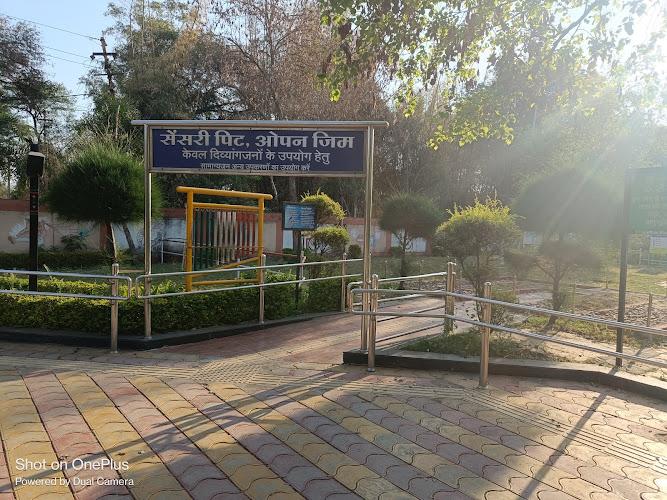
भारत रत्न श्रद्धेय अटल बिहारी वाजपेयी अनुभूति उद्यान Atal Park

Shri Chaubis Khamba Mata Temple, Ujjain

Naulakhi Eco Tourism park
Find Accommodations Nearby
Recommended Tours & Activities
Visitor Reviews
There are no reviews yet. Be the first one to write one.
Share Your Experience
Have you visited Triveni Museum? Help other travelers by leaving a review.