

Shri Chaubis Khamba Mata Temple, Ujjain
About Shri Chaubis Khamba Mata Temple, Ujjain
Description
The Shri Chaubis Khamba Mata Temple stands as one of Ujjain's architectural treasures, though it doesn't get nearly as much attention as some of the city's more famous religious sites. And honestly, that's part of its charm. This two-story marvel of devotion catches you off guard when you first approach it - the carved pillars rising up like silent guardians, each one telling its own story through intricate stonework that must have taken craftsmen months, maybe years, to complete. I remember my first visit here, expecting just another temple stop on the Ujjain circuit. But there's something different about this place. The moment you step into the courtyard, you're surrounded by these twenty-four pillars (that's what "chaubis khamba" means, by the way - twenty-four pillars) that give the temple its distinctive character. The local devotees who frequent this temple have a genuine warmth about them, unlike some of the more tourist-heavy spots where everything feels a bit transactional. The shrines here are absolutely adorned with flowers - marigolds, roses, and jasmine creating this riot of colors against the ancient stone. It's not just decorative; there's a living, breathing quality to the worship here that makes you feel like you've stumbled into something authentic rather than staged for visitors. The priests maintain these shrines with evident care, and you'll often find them in quiet contemplation between the morning and evening aarti ceremonies. What strikes most travelers is how this temple manages to be both grand and intimate at the same time. The architecture commands respect with its sheer presence, but the atmosphere inside feels personal, almost like stepping into someone's beloved family shrine that just happens to be magnificently constructed.Key Features
The temple offers visitors several distinctive elements that set it apart from other religious sites in Ujjain:- Twenty-four ornately carved stone pillars that support the structure and give the temple its name, each featuring unique motifs and designs from traditional Hindu iconography
- A two-story construction that allows for different viewing perspectives of the main shrine, with upper levels offering a bird's eye view of the prayer ceremonies below
- Multiple shrines dedicated to various forms of the goddess, each maintained with fresh flower decorations that change throughout the day
- Intricate stone carvings covering the pillars and walls, depicting scenes from Hindu mythology and showcasing the craftsmanship of traditional temple architecture
- A peaceful courtyard area where devotees and visitors can sit and absorb the spiritual atmosphere away from Ujjain's busy streets
- Regular aarti ceremonies that draw local worshippers, providing an authentic glimpse into daily religious practices rather than tourist-focused events
- Relatively uncrowded spaces compared to mega-temples, allowing for quiet reflection and photography without jostling through massive crowds
- Traditional architectural elements that reflect the temple-building styles of the region, preserved without excessive modern renovations
Best Time to Visit
Timing your visit to the Shri Chaubis Khamba Mata Temple can make a significant difference in your experience. The temple is open year-round, but certain periods offer better conditions for travelers. October through March represents the ideal window for most visitors. The weather in Ujjain during these months is genuinely pleasant - you're looking at temperatures ranging from 10 to 25 degrees Celsius, which makes walking around and exploring the temple grounds comfortable. Summer months from April to June can be brutal, with temperatures soaring above 40 degrees Celsius, and trust me, standing in a courtyard surrounded by stone pillars in that heat isn't anyone's idea of a spiritual experience. The monsoon season from July to September brings its own challenges. While the rains cool things down, they can also make the temple floors slippery and limit your ability to explore the outdoor areas properly. But if you don't mind getting a bit wet, there's something magical about seeing the temple in the rain, with water streaming off those carved pillars. Time of day matters too. Early mornings, around 6 to 8 AM, offer the best light for photography and the calmest atmosphere. The morning aarti draws faithful locals, and participating in or observing this ritual gives you insight into the temple's living traditions. Evenings between 5 and 7 PM are equally special, with the setting sun casting long shadows across those twenty-four pillars and the evening prayers creating an almost meditative ambiance. If you're planning around festivals, Navratri is when this temple truly comes alive. The nine nights dedicated to the goddess transform the space with special decorations, extended prayer sessions, and cultural programs. However, expect significantly larger crowds during this period. Chaitra Navratri (March-April) and Sharad Navratri (September-October) are both celebrated with considerable enthusiasm here. Avoid visiting during major national holidays or weekends if you prefer a quieter experience. Mid-week visits, particularly Tuesday through Thursday, tend to be less crowded while still maintaining the temple's active worship schedule.How to Get There
Getting to the Shri Chaubis Khamba Mata Temple is relatively straightforward once you're in Ujjain, though the journey to Ujjain itself requires some planning depending on where you're starting from. Ujjain is well-connected by rail, with the Ujjain Junction railway station serving as a major stop on several important routes. From most major Indian cities, you'll find direct or connecting trains. Once you arrive at the station, the temple is approximately 3 to 4 kilometers away - a distance easily covered by auto-rickshaw or taxi in about 15 minutes, depending on traffic. If you're flying in, the nearest airport is Devi Ahilyabai Holkar Airport in Indore, located roughly 55 kilometers from Ujjain. The drive takes about an hour and a half under normal conditions. You can hire a taxi from the airport, though I'd recommend booking one in advance through your hotel or a reliable service to avoid inflated tourist prices. Some travelers also take a bus from Indore to Ujjain, which is cheaper but takes longer and can be crowded. Within Ujjain itself, the temple is accessible by various means. Auto-rickshaws are probably your most convenient option - most drivers know the temple by name, though showing them the location on your phone map doesn't hurt. Expect to pay around 50 to 100 rupees for a ride from the city center or railway station. Always negotiate the fare before getting in, or insist they use the meter. For the more adventurous, local buses run through Ujjain and can drop you relatively close to the temple. This option is definitely budget-friendly but requires some familiarity with the route or a willingness to ask locals for directions. The bus system isn't always intuitive for first-time visitors. Many travelers exploring Ujjain rent bicycles or motorcycles, which gives you freedom to explore multiple sites at your own pace. The temple has parking available, though space can be limited during peak times. Walking is feasible if you're staying nearby, and it gives you a chance to experience the neighborhood streets around the temple.Tips for Visiting
Making the most of your visit to the Shri Chaubis Khamba Mata Temple requires some practical preparation and cultural awareness. Here's what you should know before you go. Dress conservatively - this isn't just about following rules, it's about showing respect. Both men and women should cover their shoulders and knees. Women often find that carrying a dupatta or scarf is useful for covering their heads if required in certain shrine areas. I've seen travelers turned away or asked to cover up, which is embarrassing for everyone involved and delays your visit. You'll need to remove your shoes before entering the main temple areas. There's usually a designated shoe storage area, and you might want to bring socks to wear inside since the stone floors can get quite hot during the day or surprisingly cold in winter mornings. Keep your claim ticket safe - losing it can lead to confusion when retrieving your footwear. Photography policies can vary, so always ask permission before clicking away, especially inside the shrine areas or during prayer ceremonies. Some areas strictly prohibit photography, while others allow it without flash. When in doubt, observe what other visitors are doing or politely ask the temple staff. Photographing the pillars and exterior architecture is generally acceptable. Bring small denomination currency if you plan to make offerings or donations. The temple doesn't have change for large bills, and you'll find it easier to give prasad money or tips to the priests with smaller notes. Speaking of prasad, accepting it when offered is considered polite, even if you don't plan to consume it - you can always respectfully carry it with you. The temple doesn't have extensive tourist facilities, so plan accordingly. There aren't cafes or restaurants immediately adjacent, though you'll find some food options within walking distance. Bring water, especially during warmer months, as staying hydrated is crucial. Public restrooms are available but may not meet Western standards of cleanliness, so prepare accordingly. If you're interested in learning about the temple's history and significance, consider hiring a local guide. They can explain the symbolism behind the carvings, share stories about the goddess, and point out architectural details you might otherwise miss. Guides typically charge 200 to 500 rupees for a thorough tour, and their knowledge really enhances the experience. Timing your visit around the aarti ceremonies adds depth to your experience. The morning aarti usually occurs around 6 AM, while the evening ceremony happens around 7 PM, though times can vary slightly. Arriving 15 to 20 minutes early lets you find a good spot and observe the preparation rituals. Be mindful of your behavior inside the temple premises. This is an active place of worship, not just a tourist attraction. Keep your voice down, avoid pointing your feet toward the deities, and don't touch the idols or shrine decorations unless specifically invited to do so by the priests. Mobile phones should be silenced, and eating is generally prohibited in the main temple areas. For solo female travelers, this temple is generally safe, with respectful crowds and active priest presence. However, as with anywhere, staying aware of your surroundings and visiting during daylight hours is sensible. The local devotees are usually helpful if you need assistance or directions. Finally, take your time here. Unlike some of Ujjain's larger, more famous temples where tour groups rush through on tight schedules, the Shri Chaubis Khamba Mata Temple rewards those who slow down and really absorb the atmosphere. Sit in the courtyard for a while, watch how the light plays across those carved pillars, observe the devotees in their prayers. These moments of quiet observation often become the most memorable parts of temple visits, creating connections to place and culture that rushed photography sessions simply can't capture.Key Features
- Distinctive 24 carved stone pillars (Chaubis Khamba)
- Two-story temple layout with multiple small shrines
- Close proximity to Mahakaleshwar Temple and central Ujjain
- Active local worship and daily aarti rituals
- Traditional stone carvings and historic medieval architecture
More Details
Updated March 30, 2026
Table of Contents
- Description
- Key Features
- Best Time to Visit
- How to Get There
- Tips for Visiting
- Key Highlights
- Location
- Places to Stay Near Shri Chaubis Khamba Mata Temple, Ujjain
- Find and Book a Tour
- Explore More Travel Guides
- Nearby Places You Might Like
- Traveler Reviews for Shri Chaubis Khamba Mata Temple, Ujjain
- Share Your Experience
Description
The Shri Chaubis Khamba Mata Temple stands as one of Ujjain’s architectural treasures, though it doesn’t get nearly as much attention as some of the city’s more famous religious sites. And honestly, that’s part of its charm. This two-story marvel of devotion catches you off guard when you first approach it – the carved pillars rising up like silent guardians, each one telling its own story through intricate stonework that must have taken craftsmen months, maybe years, to complete.
I remember my first visit here, expecting just another temple stop on the Ujjain circuit. But there’s something different about this place. The moment you step into the courtyard, you’re surrounded by these twenty-four pillars (that’s what “chaubis khamba” means, by the way – twenty-four pillars) that give the temple its distinctive character. The local devotees who frequent this temple have a genuine warmth about them, unlike some of the more tourist-heavy spots where everything feels a bit transactional.
The shrines here are absolutely adorned with flowers – marigolds, roses, and jasmine creating this riot of colors against the ancient stone. It’s not just decorative; there’s a living, breathing quality to the worship here that makes you feel like you’ve stumbled into something authentic rather than staged for visitors. The priests maintain these shrines with evident care, and you’ll often find them in quiet contemplation between the morning and evening aarti ceremonies.
What strikes most travelers is how this temple manages to be both grand and intimate at the same time. The architecture commands respect with its sheer presence, but the atmosphere inside feels personal, almost like stepping into someone’s beloved family shrine that just happens to be magnificently constructed.
Key Features
The temple offers visitors several distinctive elements that set it apart from other religious sites in Ujjain:
- Twenty-four ornately carved stone pillars that support the structure and give the temple its name, each featuring unique motifs and designs from traditional Hindu iconography
- A two-story construction that allows for different viewing perspectives of the main shrine, with upper levels offering a bird’s eye view of the prayer ceremonies below
- Multiple shrines dedicated to various forms of the goddess, each maintained with fresh flower decorations that change throughout the day
- Intricate stone carvings covering the pillars and walls, depicting scenes from Hindu mythology and showcasing the craftsmanship of traditional temple architecture
- A peaceful courtyard area where devotees and visitors can sit and absorb the spiritual atmosphere away from Ujjain’s busy streets
- Regular aarti ceremonies that draw local worshippers, providing an authentic glimpse into daily religious practices rather than tourist-focused events
- Relatively uncrowded spaces compared to mega-temples, allowing for quiet reflection and photography without jostling through massive crowds
- Traditional architectural elements that reflect the temple-building styles of the region, preserved without excessive modern renovations
Best Time to Visit
Timing your visit to the Shri Chaubis Khamba Mata Temple can make a significant difference in your experience. The temple is open year-round, but certain periods offer better conditions for travelers.
October through March represents the ideal window for most visitors. The weather in Ujjain during these months is genuinely pleasant – you’re looking at temperatures ranging from 10 to 25 degrees Celsius, which makes walking around and exploring the temple grounds comfortable. Summer months from April to June can be brutal, with temperatures soaring above 40 degrees Celsius, and trust me, standing in a courtyard surrounded by stone pillars in that heat isn’t anyone’s idea of a spiritual experience.
The monsoon season from July to September brings its own challenges. While the rains cool things down, they can also make the temple floors slippery and limit your ability to explore the outdoor areas properly. But if you don’t mind getting a bit wet, there’s something magical about seeing the temple in the rain, with water streaming off those carved pillars.
Time of day matters too. Early mornings, around 6 to 8 AM, offer the best light for photography and the calmest atmosphere. The morning aarti draws faithful locals, and participating in or observing this ritual gives you insight into the temple’s living traditions. Evenings between 5 and 7 PM are equally special, with the setting sun casting long shadows across those twenty-four pillars and the evening prayers creating an almost meditative ambiance.
If you’re planning around festivals, Navratri is when this temple truly comes alive. The nine nights dedicated to the goddess transform the space with special decorations, extended prayer sessions, and cultural programs. However, expect significantly larger crowds during this period. Chaitra Navratri (March-April) and Sharad Navratri (September-October) are both celebrated with considerable enthusiasm here.
Avoid visiting during major national holidays or weekends if you prefer a quieter experience. Mid-week visits, particularly Tuesday through Thursday, tend to be less crowded while still maintaining the temple’s active worship schedule.
How to Get There
Getting to the Shri Chaubis Khamba Mata Temple is relatively straightforward once you’re in Ujjain, though the journey to Ujjain itself requires some planning depending on where you’re starting from.
Ujjain is well-connected by rail, with the Ujjain Junction railway station serving as a major stop on several important routes. From most major Indian cities, you’ll find direct or connecting trains. Once you arrive at the station, the temple is approximately 3 to 4 kilometers away – a distance easily covered by auto-rickshaw or taxi in about 15 minutes, depending on traffic.
If you’re flying in, the nearest airport is Devi Ahilyabai Holkar Airport in Indore, located roughly 55 kilometers from Ujjain. The drive takes about an hour and a half under normal conditions. You can hire a taxi from the airport, though I’d recommend booking one in advance through your hotel or a reliable service to avoid inflated tourist prices. Some travelers also take a bus from Indore to Ujjain, which is cheaper but takes longer and can be crowded.
Within Ujjain itself, the temple is accessible by various means. Auto-rickshaws are probably your most convenient option – most drivers know the temple by name, though showing them the location on your phone map doesn’t hurt. Expect to pay around 50 to 100 rupees for a ride from the city center or railway station. Always negotiate the fare before getting in, or insist they use the meter.
For the more adventurous, local buses run through Ujjain and can drop you relatively close to the temple. This option is definitely budget-friendly but requires some familiarity with the route or a willingness to ask locals for directions. The bus system isn’t always intuitive for first-time visitors.
Many travelers exploring Ujjain rent bicycles or motorcycles, which gives you freedom to explore multiple sites at your own pace. The temple has parking available, though space can be limited during peak times. Walking is feasible if you’re staying nearby, and it gives you a chance to experience the neighborhood streets around the temple.
Tips for Visiting
Making the most of your visit to the Shri Chaubis Khamba Mata Temple requires some practical preparation and cultural awareness. Here’s what you should know before you go.
Dress conservatively – this isn’t just about following rules, it’s about showing respect. Both men and women should cover their shoulders and knees. Women often find that carrying a dupatta or scarf is useful for covering their heads if required in certain shrine areas. I’ve seen travelers turned away or asked to cover up, which is embarrassing for everyone involved and delays your visit.
You’ll need to remove your shoes before entering the main temple areas. There’s usually a designated shoe storage area, and you might want to bring socks to wear inside since the stone floors can get quite hot during the day or surprisingly cold in winter mornings. Keep your claim ticket safe – losing it can lead to confusion when retrieving your footwear.
Photography policies can vary, so always ask permission before clicking away, especially inside the shrine areas or during prayer ceremonies. Some areas strictly prohibit photography, while others allow it without flash. When in doubt, observe what other visitors are doing or politely ask the temple staff. Photographing the pillars and exterior architecture is generally acceptable.
Bring small denomination currency if you plan to make offerings or donations. The temple doesn’t have change for large bills, and you’ll find it easier to give prasad money or tips to the priests with smaller notes. Speaking of prasad, accepting it when offered is considered polite, even if you don’t plan to consume it – you can always respectfully carry it with you.
The temple doesn’t have extensive tourist facilities, so plan accordingly. There aren’t cafes or restaurants immediately adjacent, though you’ll find some food options within walking distance. Bring water, especially during warmer months, as staying hydrated is crucial. Public restrooms are available but may not meet Western standards of cleanliness, so prepare accordingly.
If you’re interested in learning about the temple’s history and significance, consider hiring a local guide. They can explain the symbolism behind the carvings, share stories about the goddess, and point out architectural details you might otherwise miss. Guides typically charge 200 to 500 rupees for a thorough tour, and their knowledge really enhances the experience.
Timing your visit around the aarti ceremonies adds depth to your experience. The morning aarti usually occurs around 6 AM, while the evening ceremony happens around 7 PM, though times can vary slightly. Arriving 15 to 20 minutes early lets you find a good spot and observe the preparation rituals.
Be mindful of your behavior inside the temple premises. This is an active place of worship, not just a tourist attraction. Keep your voice down, avoid pointing your feet toward the deities, and don’t touch the idols or shrine decorations unless specifically invited to do so by the priests. Mobile phones should be silenced, and eating is generally prohibited in the main temple areas.
For solo female travelers, this temple is generally safe, with respectful crowds and active priest presence. However, as with anywhere, staying aware of your surroundings and visiting during daylight hours is sensible. The local devotees are usually helpful if you need assistance or directions.
Finally, take your time here. Unlike some of Ujjain’s larger, more famous temples where tour groups rush through on tight schedules, the Shri Chaubis Khamba Mata Temple rewards those who slow down and really absorb the atmosphere. Sit in the courtyard for a while, watch how the light plays across those carved pillars, observe the devotees in their prayers. These moments of quiet observation often become the most memorable parts of temple visits, creating connections to place and culture that rushed photography sessions simply can’t capture.
Key Highlights
- Distinctive 24 carved stone pillars (Chaubis Khamba)
- Two-story temple layout with multiple small shrines
- Close proximity to Mahakaleshwar Temple and central Ujjain
- Active local worship and daily aarti rituals
- Traditional stone carvings and historic medieval architecture
Location
Places to Stay Near Shri Chaubis Khamba Mata Temple, Ujjain
Find and Book a Tour
Explore More Travel Guides
No reviews found! Be the first to review!
Shri Chaubis Khamba Mata Temple, Ujjain is a prominent attractions located in Ujjain.
Visit us at: 24, Gudri Chouraha, Jaisinghpura, Ujjain, Madhya Pradesh 456006 인도.
Traveler Reviews for Shri Chaubis Khamba Mata Temple, Ujjain
There are no reviews yet. Be the first one to write one.
Have you visited Shri Chaubis Khamba Mata Temple, Ujjain? Help other travelers by sharing your review.
Nearby Attractions
You Might Also Like
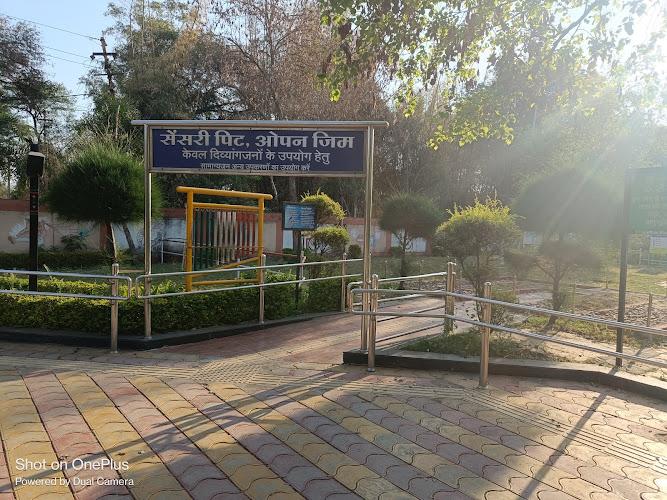
भारत रत्न श्रद्धेय अटल बिहारी वाजपेयी अनुभूति उद्यान Atal Park

Naulakhi Eco Tourism park

baal udyan ujjain
Find Accommodations Nearby
Recommended Tours & Activities
Visitor Reviews
There are no reviews yet. Be the first one to write one.
Share Your Experience
Have you visited Shri Chaubis Khamba Mata Temple, Ujjain? Help other travelers by leaving a review.