Guided Sightseeing Tours & Activities in Joinville
- Browse sightseeing excursions and activities in Joinville
- Check live availability, rates & traveler reviews on Viator
- Secure online booking with flexible options
Boa Vista, Joinville – State of Santa Catarina, 89221-020, Brazil

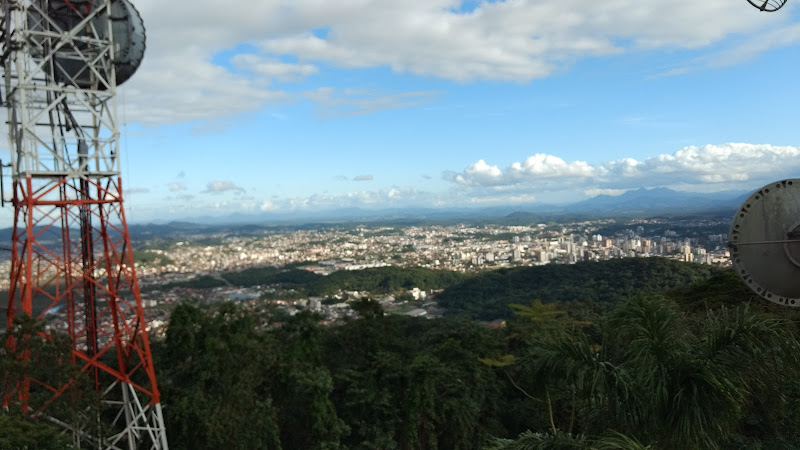
Perched on the green outskirts of Joinville, Trilha Morro do Boa Vista is a compact but rewarding hike that blends native Atlantic Forest, panoramic viewpoints and local history. Historically the area served as a natural lookout for early settlers and later as municipal green space; today the trail and the Mirante Higino Aguiar platform are a favored escape for city residents and visitors seeking quick immersion in nature. The route climbs steadily through shaded singletrack and well-trodden switchbacks, opening onto at least two observation platforms that frame sweeping views of Joinville, the surrounding hills and, on clear days, distant waterways. What makes this trail special is the contrast between an accessible, short hike (suitable for families and casual hikers) and the surprisingly expansive vistas at the top, plus a suspended 500‑meter walkway segment reported on local trail guides that lets you move through native canopy. Hikers visit for sunrise and late‑afternoon light, birdwatching and a quick nature break without leaving the city — an ideal half‑day outing or a morning fitness loop.
Trilha Morro do Boa Vista stands as one of those outdoor destinations that manages to appeal to just about everyone without trying too hard. The trail itself winds its way up through terrain that shifts from relatively easy pathways to sections that’ll get your heart pumping a bit, making it a spot where beginners can test their mettle while experienced hikers won’t feel like they’re wasting their time on something too simplistic.
What strikes most visitors right away is how well-maintained everything is. You won’t find yourself scrambling over fallen logs or guessing which way the path continues. The route is clearly marked, and there’s a real sense that someone actually cares about keeping this place accessible and enjoyable. And honestly? That makes all the difference when you’re deciding between sleeping in or getting up early for a morning trek.
The views from various points along the trail reward those who make the climb. We’re talking panoramic vistas that stretch out across the landscape, the kind that make you stop talking mid-sentence and just stare for a minute. I remember the first time I stood at one of the lookout points, slightly winded from the ascent, thinking how photos never quite capture what your eyes actually see. The depth, the layers of hills rolling into the distance, the way light plays across everything at different times of day – it’s genuinely impressive.
But here’s something that sets this trail apart from many others: it’s remarkably inclusive in terms of accessibility. The entrance accommodates wheelchairs, and there’s designated parking that actually makes sense for those with mobility considerations. Not every hiking area thinks about these details, and it shows a thoughtfulness in planning that extends throughout the entire experience.
The trail attracts a diverse crowd. You’ll see serious hikers with their technical gear and hydration packs, families with kids who are maybe doing their first real hike, couples out for a romantic walk, and locals who treat this as their regular exercise routine. There’s no snobbery here, no feeling like you need special credentials to belong. People generally nod as they pass each other, maybe exchange a quick comment about the weather or the view ahead.
The Trilha Morro do Boa Vista offers an impressive array of features that make it stand out among hiking destinations:
• Multiple activity options including hiking, biking, jogging, birdwatching, and walking trails that accommodate different fitness levels and interests
• Wheelchair accessible entrance and parking facilities, making outdoor adventure possible for visitors with mobility challenges
• Well-maintained cycling lanes that separate bike traffic from pedestrians, reducing conflicts and improving safety for everyone
• Public restroom facilities along the route – a feature that sounds basic but makes a huge difference during longer visits
• Designated picnic areas where families can settle in for meals with incredible backdrops
• Kid-friendly trail sections and a playground area that keeps younger children engaged when they need a break from hiking
• Dog-friendly policies allowing visitors to bring their four-legged companions along for the adventure
• Out-and-back trail configuration that lets you decide how far to push based on time, energy, and ability
• Variable trail difficulty sections that provide options for everyone from beginners to experienced outdoor enthusiasts
• Prime birdwatching opportunities with diverse species visible throughout different seasons
Timing your visit to Trilha Morro do Boa Vista can honestly make or break your experience. Early mornings tend to be magical – we’re talking about that golden hour light that photographers obsess over, cooler temperatures, and fewer crowds competing for space at the best viewpoints. If you can drag yourself out of bed by 6 or 7 AM, you’ll have significant portions of the trail to yourself, plus wildlife tends to be more active before the heat of the day sets in.
Weekdays beat weekends hands down if you’re looking to avoid crowds. Weekend warriors descend on popular trails like this, and while it’s never uncomfortably packed, you’ll definitely notice the difference between a Tuesday morning and a Saturday afternoon. The parking situation alone makes weekday visits worth considering.
Weather-wise, you’ll want to pay attention to seasonal patterns. The dry season typically offers the most reliable conditions, with clear skies that maximize those panoramic views everyone comes for. But don’t completely write off other times of year. Right after rainfall, when everything is fresh and the air feels clean, can be absolutely beautiful – just watch for muddy sections and plan accordingly with proper footwear.
Temperature matters more than you might think. Midday sun can turn a pleasant hike into a sweaty endurance test, especially during warmer months. The trail doesn’t always offer continuous shade coverage, so hitting it during cooler parts of the day makes sense. Late afternoon can work too, though you need to factor in enough time to complete your planned route before losing daylight.
For birdwatchers specifically, dawn and dusk periods provide the best opportunities to spot various species. Bring binoculars and maybe a field guide if you’re serious about it. I’ve seen people get genuinely excited about sightings here, pointing and whispering to avoid spooking whatever they’ve spotted.
Sunset hikes have their own appeal, though you need to be realistic about finishing before dark. There’s something special about watching the light change as you descend, seeing shadows lengthen across the valleys below. Just make sure you’ve got a headlamp or flashlight as backup, because trails get surprisingly dark once the sun drops below the horizon.
Getting to Trilha Morro do Boa Vista requires a bit of planning, but nothing too complicated. Most visitors arrive by car, which remains the most practical option given the trail’s location. The parking area is properly sized for regular traffic, though as mentioned earlier, weekend arrivals should come early to secure a spot without circling endlessly.
For those relying on public transportation, you’ll need to do some homework beforehand. Local bus routes may get you within walking distance, but schedules can be irregular, and you don’t want to finish an exhausting hike only to discover you’ve missed the last bus back. Talk to your accommodation about transit options, or check with local tourism offices for current route information and timing.
Ride-sharing services work if they operate in the area, though cell signal strength at the trailhead can be spotty. Arrange your pickup in advance or have a backup plan rather than assuming you’ll get instant service when you’re ready to leave. Nothing deflates the post-hike glow quite like standing around for an hour waiting for a ride that may or may not show up.
If you’re cycling to the trailhead, the route includes proper cycling lanes that make the approach safer and more pleasant. It’s actually a nice way to extend your workout and reduce your environmental impact. Just factor in the energy you’ll expend getting there when planning how far to hike once you arrive.
Navigation apps generally do a decent job of directing you to the entrance, but it’s worth downloading offline maps just in case. Rural areas sometimes have spotty data coverage, and there’s nothing quite as frustrating as losing your GPS signal when you’re trying to find a specific turn.
Look for clear signage as you approach – the entrance is well-marked and hard to miss if you’re paying attention. The accessible parking spaces sit close to the entrance, properly designated for those who need them.
Water. Seriously, bring more than you think you’ll need. Dehydration sneaks up on you, especially if you’re caught up in the views and forget to sip regularly. A good rule is one liter per hour of hiking, adjusted for temperature and your personal sweat rate. There are no water fountains or refill stations along the trail, so whatever you carry is what you’ve got.
Footwear matters enormously. You don’t necessarily need expensive hiking boots, but you do need shoes with actual tread and ankle support. I’ve seen people attempt this trail in flip-flops or smooth-soled fashion sneakers, and it never ends well. Rocky sections and occasional loose gravel make proper footwear a safety issue, not just a comfort preference.
Sun protection goes beyond just slapping on some sunscreen before you start. Reapply throughout your hike, wear a hat with an actual brim, and consider long sleeves in lightweight, breathable fabric. Sunburn can ruin not just your hike but your entire next day or two of travel.
If you’re bringing kids, pack snacks and small rewards for reaching certain points. Bribery works, and there’s no shame in deploying fruit snacks strategically to prevent meltdowns. The playground area provides a good mid-hike break for younger children who need to burn energy in different ways.
Dog owners should bring waste bags and actually use them. Yes, this seems obvious, but trails worldwide suffer from people who somehow forget this basic responsibility. Also pack water for your dog and watch for signs of overheating or exhaustion. Not all dogs are cut out for extended hikes, regardless of how enthusiastic they seem at the start.
The public restrooms exist, but don’t expect luxury facilities. Bring hand sanitizer and maybe tissues as backup. These are functional, maintained facilities, but we’re talking outdoor trail amenities, not hotel bathrooms.
Start with realistic expectations about your fitness level and the trail difficulty. There’s no prize for pushing beyond what makes sense for your abilities. The out-and-back configuration means you can turn around whenever it stops being fun, and there’s zero shame in that decision.
Bring a small first aid kit with basics like bandages, blister treatment, and any personal medications. Twisted ankles and scraped knees happen even on well-maintained trails.
Check weather forecasts before heading out, and be willing to postpone if conditions look genuinely bad. A wet trail can become slippery and dangerous, and spectacular views don’t matter much when you’re soaked and miserable.
For photographers, both sunrise and sunset offer incredible lighting, but the midday harsh sun washes out a lot of detail. A polarizing filter helps with sky and landscape shots if you’re serious about getting quality images.
Leave no trace. Pack out everything you pack in, stay on marked trails to prevent erosion, and resist the urge to carve your initials or stack rocks as markers. Thousands of visitors means individual impacts multiply quickly.
Consider bringing trekking poles if you’ve got dodgy knees or balance concerns. The descent can be harder on joints than the climb up, and poles genuinely help distribute impact and improve stability.
Cell signal can be unreliable, so don’t count on it for emergencies or navigation. Download maps beforehand, tell someone where you’re going and when you expect to return, and carry a backup power bank for your phone.
The picnic areas are genuinely nice spots to relax, but you’ll need to bring your own food and blanket. There are no vendors or cafes at the trailhead selling supplies.
Lastly, just slow down and actually experience the place. Too many people rush through, checking boxes and grabbing quick photos without really being present. The whole point of places like Trilha Morro do Boa Vista is connecting with nature and giving yourself a break from the usual pace of life. Let yourself stop, breathe deeply, and just be there for a few minutes without an agenda.

Last modified March 30, 2026
Trilha Morro do Boa Vista stands as one of those outdoor destinations that manages to appeal to just about everyone without trying too hard. The trail itself winds its way up through terrain that shifts from relatively easy pathways to sections that’ll get your heart pumping a bit, making it a spot where beginners can test their mettle while experienced hikers won’t feel like they’re wasting their time on something too simplistic.
What strikes most visitors right away is how well-maintained everything is. You won’t find yourself scrambling over fallen logs or guessing which way the path continues. The route is clearly marked, and there’s a real sense that someone actually cares about keeping this place accessible and enjoyable. And honestly? That makes all the difference when you’re deciding between sleeping in or getting up early for a morning trek.
The views from various points along the trail reward those who make the climb. We’re talking panoramic vistas that stretch out across the landscape, the kind that make you stop talking mid-sentence and just stare for a minute. I remember the first time I stood at one of the lookout points, slightly winded from the ascent, thinking how photos never quite capture what your eyes actually see. The depth, the layers of hills rolling into the distance, the way light plays across everything at different times of day – it’s genuinely impressive.
But here’s something that sets this trail apart from many others: it’s remarkably inclusive in terms of accessibility. The entrance accommodates wheelchairs, and there’s designated parking that actually makes sense for those with mobility considerations. Not every hiking area thinks about these details, and it shows a thoughtfulness in planning that extends throughout the entire experience.
The trail attracts a diverse crowd. You’ll see serious hikers with their technical gear and hydration packs, families with kids who are maybe doing their first real hike, couples out for a romantic walk, and locals who treat this as their regular exercise routine. There’s no snobbery here, no feeling like you need special credentials to belong. People generally nod as they pass each other, maybe exchange a quick comment about the weather or the view ahead.
The Trilha Morro do Boa Vista offers an impressive array of features that make it stand out among hiking destinations:
• Multiple activity options including hiking, biking, jogging, birdwatching, and walking trails that accommodate different fitness levels and interests
• Wheelchair accessible entrance and parking facilities, making outdoor adventure possible for visitors with mobility challenges
• Well-maintained cycling lanes that separate bike traffic from pedestrians, reducing conflicts and improving safety for everyone
• Public restroom facilities along the route – a feature that sounds basic but makes a huge difference during longer visits
• Designated picnic areas where families can settle in for meals with incredible backdrops
• Kid-friendly trail sections and a playground area that keeps younger children engaged when they need a break from hiking
• Dog-friendly policies allowing visitors to bring their four-legged companions along for the adventure
• Out-and-back trail configuration that lets you decide how far to push based on time, energy, and ability
• Variable trail difficulty sections that provide options for everyone from beginners to experienced outdoor enthusiasts
• Prime birdwatching opportunities with diverse species visible throughout different seasons
Timing your visit to Trilha Morro do Boa Vista can honestly make or break your experience. Early mornings tend to be magical – we’re talking about that golden hour light that photographers obsess over, cooler temperatures, and fewer crowds competing for space at the best viewpoints. If you can drag yourself out of bed by 6 or 7 AM, you’ll have significant portions of the trail to yourself, plus wildlife tends to be more active before the heat of the day sets in.
Weekdays beat weekends hands down if you’re looking to avoid crowds. Weekend warriors descend on popular trails like this, and while it’s never uncomfortably packed, you’ll definitely notice the difference between a Tuesday morning and a Saturday afternoon. The parking situation alone makes weekday visits worth considering.
Weather-wise, you’ll want to pay attention to seasonal patterns. The dry season typically offers the most reliable conditions, with clear skies that maximize those panoramic views everyone comes for. But don’t completely write off other times of year. Right after rainfall, when everything is fresh and the air feels clean, can be absolutely beautiful – just watch for muddy sections and plan accordingly with proper footwear.
Temperature matters more than you might think. Midday sun can turn a pleasant hike into a sweaty endurance test, especially during warmer months. The trail doesn’t always offer continuous shade coverage, so hitting it during cooler parts of the day makes sense. Late afternoon can work too, though you need to factor in enough time to complete your planned route before losing daylight.
For birdwatchers specifically, dawn and dusk periods provide the best opportunities to spot various species. Bring binoculars and maybe a field guide if you’re serious about it. I’ve seen people get genuinely excited about sightings here, pointing and whispering to avoid spooking whatever they’ve spotted.
Sunset hikes have their own appeal, though you need to be realistic about finishing before dark. There’s something special about watching the light change as you descend, seeing shadows lengthen across the valleys below. Just make sure you’ve got a headlamp or flashlight as backup, because trails get surprisingly dark once the sun drops below the horizon.
Getting to Trilha Morro do Boa Vista requires a bit of planning, but nothing too complicated. Most visitors arrive by car, which remains the most practical option given the trail’s location. The parking area is properly sized for regular traffic, though as mentioned earlier, weekend arrivals should come early to secure a spot without circling endlessly.
For those relying on public transportation, you’ll need to do some homework beforehand. Local bus routes may get you within walking distance, but schedules can be irregular, and you don’t want to finish an exhausting hike only to discover you’ve missed the last bus back. Talk to your accommodation about transit options, or check with local tourism offices for current route information and timing.
Ride-sharing services work if they operate in the area, though cell signal strength at the trailhead can be spotty. Arrange your pickup in advance or have a backup plan rather than assuming you’ll get instant service when you’re ready to leave. Nothing deflates the post-hike glow quite like standing around for an hour waiting for a ride that may or may not show up.
If you’re cycling to the trailhead, the route includes proper cycling lanes that make the approach safer and more pleasant. It’s actually a nice way to extend your workout and reduce your environmental impact. Just factor in the energy you’ll expend getting there when planning how far to hike once you arrive.
Navigation apps generally do a decent job of directing you to the entrance, but it’s worth downloading offline maps just in case. Rural areas sometimes have spotty data coverage, and there’s nothing quite as frustrating as losing your GPS signal when you’re trying to find a specific turn.
Look for clear signage as you approach – the entrance is well-marked and hard to miss if you’re paying attention. The accessible parking spaces sit close to the entrance, properly designated for those who need them.
Water. Seriously, bring more than you think you’ll need. Dehydration sneaks up on you, especially if you’re caught up in the views and forget to sip regularly. A good rule is one liter per hour of hiking, adjusted for temperature and your personal sweat rate. There are no water fountains or refill stations along the trail, so whatever you carry is what you’ve got.
Footwear matters enormously. You don’t necessarily need expensive hiking boots, but you do need shoes with actual tread and ankle support. I’ve seen people attempt this trail in flip-flops or smooth-soled fashion sneakers, and it never ends well. Rocky sections and occasional loose gravel make proper footwear a safety issue, not just a comfort preference.
Sun protection goes beyond just slapping on some sunscreen before you start. Reapply throughout your hike, wear a hat with an actual brim, and consider long sleeves in lightweight, breathable fabric. Sunburn can ruin not just your hike but your entire next day or two of travel.
If you’re bringing kids, pack snacks and small rewards for reaching certain points. Bribery works, and there’s no shame in deploying fruit snacks strategically to prevent meltdowns. The playground area provides a good mid-hike break for younger children who need to burn energy in different ways.
Dog owners should bring waste bags and actually use them. Yes, this seems obvious, but trails worldwide suffer from people who somehow forget this basic responsibility. Also pack water for your dog and watch for signs of overheating or exhaustion. Not all dogs are cut out for extended hikes, regardless of how enthusiastic they seem at the start.
The public restrooms exist, but don’t expect luxury facilities. Bring hand sanitizer and maybe tissues as backup. These are functional, maintained facilities, but we’re talking outdoor trail amenities, not hotel bathrooms.
Start with realistic expectations about your fitness level and the trail difficulty. There’s no prize for pushing beyond what makes sense for your abilities. The out-and-back configuration means you can turn around whenever it stops being fun, and there’s zero shame in that decision.
Bring a small first aid kit with basics like bandages, blister treatment, and any personal medications. Twisted ankles and scraped knees happen even on well-maintained trails.
Check weather forecasts before heading out, and be willing to postpone if conditions look genuinely bad. A wet trail can become slippery and dangerous, and spectacular views don’t matter much when you’re soaked and miserable.
For photographers, both sunrise and sunset offer incredible lighting, but the midday harsh sun washes out a lot of detail. A polarizing filter helps with sky and landscape shots if you’re serious about getting quality images.
Leave no trace. Pack out everything you pack in, stay on marked trails to prevent erosion, and resist the urge to carve your initials or stack rocks as markers. Thousands of visitors means individual impacts multiply quickly.
Consider bringing trekking poles if you’ve got dodgy knees or balance concerns. The descent can be harder on joints than the climb up, and poles genuinely help distribute impact and improve stability.
Cell signal can be unreliable, so don’t count on it for emergencies or navigation. Download maps beforehand, tell someone where you’re going and when you expect to return, and carry a backup power bank for your phone.
The picnic areas are genuinely nice spots to relax, but you’ll need to bring your own food and blanket. There are no vendors or cafes at the trailhead selling supplies.
Lastly, just slow down and actually experience the place. Too many people rush through, checking boxes and grabbing quick photos without really being present. The whole point of places like Trilha Morro do Boa Vista is connecting with nature and giving yourself a break from the usual pace of life. Let yourself stop, breathe deeply, and just be there for a few minutes without an agenda.
No reviews found! Be the first to review!
Trilha Morro do Boa Vista is a prominent attractions located in Joinville.
Visit us at: Boa Vista, Joinville – State of Santa Catarina, 89221-020, Brazil.
Stay22 provides this accommodation search. We may earn a commission if you book through it; verify current prices and terms with the provider.
GetYourGuide provides this tour inventory. We may earn a commission if you book through it; verify current availability, prices, and terms with the provider.
We may earn a commission if you book through links on this page at no extra cost to you. All tours feature verified customer reviews and flexible cancellation options.
No traveler reviews yet. Share your experience below!
No traveler questions yet. Be the first to ask a local!