
Trentham Monkey Forest
About Trentham Monkey Forest
Description
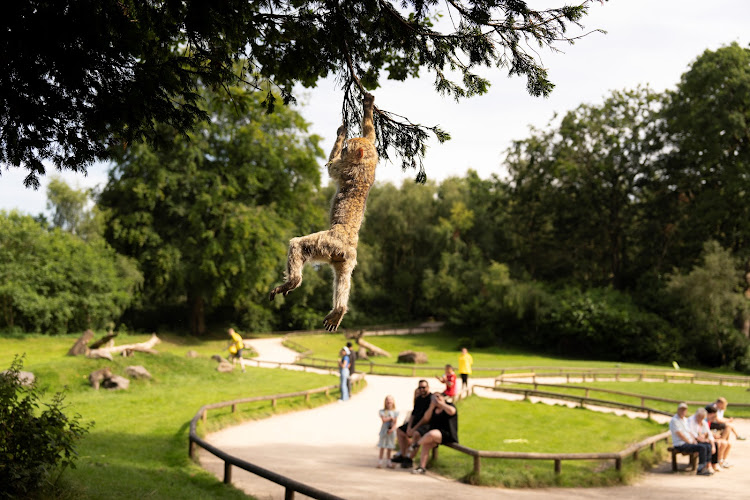
Alright, imagine wandering beneath tall trees, sunlight dappling across the path, while a Bonnet macaque swings down for a closer look—it’s a moment you won’t forget anytime soon. That’s Trentham Monkey Forest for you. You’re not peering through glass or craning your neck over some fence. Nope, here, more than 140 Barbary macaques roam free across 60 acres of Staffordshire woodland and meadows, and you actually stroll right amongst them! The monkeys do their thing, munching snacks, napping, chasing, and generally being the energetic, slightly mischievous creatures they are. You’ll get to witness all that from a front-row seat. Don’t expect any staged tricks—they’re living their best monkey life here, and on their own terms.
Now, let’s be honest: if you’re hoping for a mega-zoo extravaganza with endless attractions, this might not be your cup of tea. But if you want a chance to walk through gorgeous woodlands, get curious, and occasionally lock eyes with a surprisingly wise-looking primate (or a giggling baby, if you’re lucky), this place makes for an unforgettable day. The walking path, peppered with illustrated info boards and a few (pretty interesting, actually) videos, shares cool tidbits about monkey habits and conservation—you might end up learning stuff you never expected. Younger visitors especially seem to bounce out almost as hyped as the monkeys.
For the practical folks: the forest is accessible, so pushing a stroller or using a wheelchair here is absolutely possible—just little inclines in spots. There’s also a casual café for tea and bites, picnic tables if you’ve brought a packed lunch, plus a colourful playground and swings for any little adventurers who need to burn off steam (I can confirm, parents seem as relieved as their kids by this). Rest easy if you’re thinking about the crowd: the place is known for being LGBTQ+ friendly, wheelchair accessible, and generally open-hearted. And yes, you can even plan a kid’s birthday party here—it’s a hit, from what I’ve seen.
Key Features
- Free-roaming Monkeys: 140 Barbary macaques living entirely outside enclosures, so you can watch authentic monkey antics up close (but not too close—respect those boundaries!).
- Woodland Trails: A mile-long forest path winds through meadows and under towering trees. It’s a great walk—flat enough for buggies and wheelchairs, just wear comfy shoes.
- Interactive Info Boards & Videos: These break down monkey behaviours, the species’ history, and conservation in honestly easy-to-grasp language. Some even make you chuckle.
- Gift Shop: Packed with monkey-themed goodies and eco-friendly gifts. I can vouch for the surprisingly adorable plushies as souvenirs for kids (or the kid in you).
- Café: Serves up the usual suspects—tea, coffee, sandwiches, ice-cream, and cakes. Bonus: indoor and outdoor seating for those rare UK sunbursts.
- Play Area: Slides, swings, and climbing for kids; parents can finally enjoy that cuppa.
- Accessible & Inclusive: Wheelchair access throughout, gender-neutral restrooms, LGBTQ+ friendly vibes, and safe spaces for transgender visitors.
- Kid-Friendly: From treasure hunts to monkey talks. It’s big for school trips too (just be ready for the bus-loads if visiting in term time).
- On-Site Parking: Parking is free and plentiful—the kind of minor victory that makes a day out a little bit sweeter.
- Payments: No rummaging for cash; tap and go with cards or your phone.
- Guided Feeding Talks (seasonal): Keep your ear out for announcements. This is the time you’ll see all the monkeys show up for snacks, guided by experts who really love their work.
Best Time to Visit
Picking the right time to go can honestly make or break the magic. I’ve done both summer weekends and a rainy Tuesday in October, and let me tell you, each has its own charm but some are better bets for specific vibes.
If you're not one for crowds, aim for weekdays during term time, especially in spring or early autumn. The weather’s usually mild, and you’ll have more breathing room on the paths. Monkeys are notably livelier on cool, sunny days, too—they’ll be out and about rather than snoozing in the shade. On hot days, you might see them seeking out those shady corners to nap, and it gets a tad congested with families, especially during school breaks and bank holidays.
If you’ve got kids dying to watch the feeding sessions or want to grab that “baby monkey” Instagram snap, May through July is when the little ones tend to make their debut (true fact: baby monkeys clinging to their mums are possibly one of the cutest things I’ve seen). Late autumn has a tranquil kind of beauty, but layers are a must—there can be a real chill in the air, especially filtering through the trees.
And if you're a sucker for a good photo, morning visits often mean softer light and fewer people milling around in the backgrounds. One tip: check the weather in advance. Nothing like slogging in a downpour unless you’re really the hardy type—or brought a poncho, which, to be fair, I never remember!
How to Get There
Getting to the Monkey Forest isn’t too much of a wild adventure—unless you count the monkeys themselves, of course. If you’re driving, it’s just off the main roads leading from Stoke-on-Trent or Stafford, not far from the A34. There's a big car park right on site and, praise be, it’s actually free (no more panic hunting for loose change at the meter). Depending on the season, parking never seems too much of a headache, but hot tips: try to get there on the early side during school holidays—it fills up.
Not rolling up by car? The Monkey Forest is a little tucked away, but you can hop on a bus from either Stoke or Stafford—just be prepared that the closest bus stops mean a 25-30 minute walk, so keep that in mind if you’ve got toddlers or heavy gear in tow.
Cycling could be a chunky trek if you’re not local, but the countryside ride is actually pretty lovely—just watch those hills. If you’re getting a train, your best bet is the Stoke-on-Trent station, then grab a taxi or local bus. And, honest admission: rural public transport schedules can be… wild, so I always double-check times ahead.
Once you’re through the entrance, it’s all easy. Signage is clear, staff are friendly and more than happy to help with directions, and if you’re carrying loads or needing special access, just ask at the gate—they’re pretty accommodating.
Tips for Visiting
If you want the day to be hassle-free and memorable (for the right reasons), here’s a short list of things I wish someone had told me on my first go:
- Book tickets online ahead of time. Especially in spring and summer, this saves money and, crucially, time spent queuing—who wants to do that with fidgety kids?
- Don’t feed or touch the monkeys. It’s tempting, especially when they wander close, but it’s all about respecting the animals and their space. Staff actually keep watch and will step in if someone breaks the rules, so just enjoy being an observer.
- Comfy shoes and weather-appropriate gear are a must. The path can get muddy after rain, and the British forecast is always…a surprise. Bring wellies or waterproof boots if needed, and a jacket (the woods can be chillier than the car park!).
- Packing a picnic is a good idea. The café is nice but gets busy, and sometimes there’s nothing better than a homemade sarnie under the open sky. Plenty of picnic spots available, too.
- Bring a camera but ditch the flash. Monkeys are curious, and sometimes hilariously photogenic, but nobody likes a surprise strobe. Keep your valuables zipped up—the monkeys aren’t magpies, but you never know.
- Mind the playground timings. If you’ve got kids, setting clear playtime before or after the walk stops any monkey business (pun fully intended) about leaving too soon.
- Accessibility is good overall, but some paths are a little bumpy. If you have specific needs, give the team a ring beforehand—they’re genuinely helpful.
- Ask questions! Keepers and staff love nattering about their charges. I’ve picked up random bits of info about monkey hierarchies and baby care that still come up in pub quizzes (no joke).
- Don’t rush.
Key Features
- Key Features
- Best Time to Visit
- How to Get There
- Tips for Visiting
More Details
Updated June 25, 2025
Table of Contents
Description
Alright, imagine wandering beneath tall trees, sunlight dappling across the path, while a Bonnet macaque swings down for a closer look—it’s a moment you won’t forget anytime soon. That’s Trentham Monkey Forest for you. You’re not peering through glass or craning your neck over some fence. Nope, here, more than 140 Barbary macaques roam free across 60 acres of Staffordshire woodland and meadows, and you actually stroll right amongst them! The monkeys do their thing, munching snacks, napping, chasing, and generally being the energetic, slightly mischievous creatures they are. You’ll get to witness all that from a front-row seat. Don’t expect any staged tricks—they’re living their best monkey life here, and on their own terms.
Now, let’s be honest: if you’re hoping for a mega-zoo extravaganza with endless attractions, this might not be your cup of tea. But if you want a chance to walk through gorgeous woodlands, get curious, and occasionally lock eyes with a surprisingly wise-looking primate (or a giggling baby, if you’re lucky), this place makes for an unforgettable day. The walking path, peppered with illustrated info boards and a few (pretty interesting, actually) videos, shares cool tidbits about monkey habits and conservation—you might end up learning stuff you never expected. Younger visitors especially seem to bounce out almost as hyped as the monkeys.
For the practical folks: the forest is accessible, so pushing a stroller or using a wheelchair here is absolutely possible—just little inclines in spots. There’s also a casual café for tea and bites, picnic tables if you’ve brought a packed lunch, plus a colourful playground and swings for any little adventurers who need to burn off steam (I can confirm, parents seem as relieved as their kids by this). Rest easy if you’re thinking about the crowd: the place is known for being LGBTQ+ friendly, wheelchair accessible, and generally open-hearted. And yes, you can even plan a kid’s birthday party here—it’s a hit, from what I’ve seen.
Key Features
- Free-roaming Monkeys: 140 Barbary macaques living entirely outside enclosures, so you can watch authentic monkey antics up close (but not too close—respect those boundaries!).
- Woodland Trails: A mile-long forest path winds through meadows and under towering trees. It’s a great walk—flat enough for buggies and wheelchairs, just wear comfy shoes.
- Interactive Info Boards & Videos: These break down monkey behaviours, the species’ history, and conservation in honestly easy-to-grasp language. Some even make you chuckle.
- Gift Shop: Packed with monkey-themed goodies and eco-friendly gifts. I can vouch for the surprisingly adorable plushies as souvenirs for kids (or the kid in you).
- Café: Serves up the usual suspects—tea, coffee, sandwiches, ice-cream, and cakes. Bonus: indoor and outdoor seating for those rare UK sunbursts.
- Play Area: Slides, swings, and climbing for kids; parents can finally enjoy that cuppa.
- Accessible & Inclusive: Wheelchair access throughout, gender-neutral restrooms, LGBTQ+ friendly vibes, and safe spaces for transgender visitors.
- Kid-Friendly: From treasure hunts to monkey talks. It’s big for school trips too (just be ready for the bus-loads if visiting in term time).
- On-Site Parking: Parking is free and plentiful—the kind of minor victory that makes a day out a little bit sweeter.
- Payments: No rummaging for cash; tap and go with cards or your phone.
- Guided Feeding Talks (seasonal): Keep your ear out for announcements. This is the time you’ll see all the monkeys show up for snacks, guided by experts who really love their work.
Best Time to Visit
Picking the right time to go can honestly make or break the magic. I’ve done both summer weekends and a rainy Tuesday in October, and let me tell you, each has its own charm but some are better bets for specific vibes.
If you’re not one for crowds, aim for weekdays during term time, especially in spring or early autumn. The weather’s usually mild, and you’ll have more breathing room on the paths. Monkeys are notably livelier on cool, sunny days, too—they’ll be out and about rather than snoozing in the shade. On hot days, you might see them seeking out those shady corners to nap, and it gets a tad congested with families, especially during school breaks and bank holidays.
If you’ve got kids dying to watch the feeding sessions or want to grab that “baby monkey” Instagram snap, May through July is when the little ones tend to make their debut (true fact: baby monkeys clinging to their mums are possibly one of the cutest things I’ve seen). Late autumn has a tranquil kind of beauty, but layers are a must—there can be a real chill in the air, especially filtering through the trees.
And if you’re a sucker for a good photo, morning visits often mean softer light and fewer people milling around in the backgrounds. One tip: check the weather in advance. Nothing like slogging in a downpour unless you’re really the hardy type—or brought a poncho, which, to be fair, I never remember!
How to Get There
Getting to the Monkey Forest isn’t too much of a wild adventure—unless you count the monkeys themselves, of course. If you’re driving, it’s just off the main roads leading from Stoke-on-Trent or Stafford, not far from the A34. There’s a big car park right on site and, praise be, it’s actually free (no more panic hunting for loose change at the meter). Depending on the season, parking never seems too much of a headache, but hot tips: try to get there on the early side during school holidays—it fills up.
Not rolling up by car? The Monkey Forest is a little tucked away, but you can hop on a bus from either Stoke or Stafford—just be prepared that the closest bus stops mean a 25-30 minute walk, so keep that in mind if you’ve got toddlers or heavy gear in tow.
Cycling could be a chunky trek if you’re not local, but the countryside ride is actually pretty lovely—just watch those hills. If you’re getting a train, your best bet is the Stoke-on-Trent station, then grab a taxi or local bus. And, honest admission: rural public transport schedules can be… wild, so I always double-check times ahead.
Once you’re through the entrance, it’s all easy. Signage is clear, staff are friendly and more than happy to help with directions, and if you’re carrying loads or needing special access, just ask at the gate—they’re pretty accommodating.
Tips for Visiting
If you want the day to be hassle-free and memorable (for the right reasons), here’s a short list of things I wish someone had told me on my first go:
- Book tickets online ahead of time. Especially in spring and summer, this saves money and, crucially, time spent queuing—who wants to do that with fidgety kids?
- Don’t feed or touch the monkeys. It’s tempting, especially when they wander close, but it’s all about respecting the animals and their space. Staff actually keep watch and will step in if someone breaks the rules, so just enjoy being an observer.
- Comfy shoes and weather-appropriate gear are a must. The path can get muddy after rain, and the British forecast is always…a surprise. Bring wellies or waterproof boots if needed, and a jacket (the woods can be chillier than the car park!).
- Packing a picnic is a good idea. The café is nice but gets busy, and sometimes there’s nothing better than a homemade sarnie under the open sky. Plenty of picnic spots available, too.
- Bring a camera but ditch the flash. Monkeys are curious, and sometimes hilariously photogenic, but nobody likes a surprise strobe. Keep your valuables zipped up—the monkeys aren’t magpies, but you never know.
- Mind the playground timings. If you’ve got kids, setting clear playtime before or after the walk stops any monkey business (pun fully intended) about leaving too soon.
- Accessibility is good overall, but some paths are a little bumpy. If you have specific needs, give the team a ring beforehand—they’re genuinely helpful.
- Ask questions! Keepers and staff love nattering about their charges. I’ve picked up random bits of info about monkey hierarchies and baby care that still come up in pub quizzes (no joke).
- Don’t rush.
Key Highlights
- Key Features
- Best Time to Visit
- How to Get There
- Tips for Visiting
Location
Places to Stay Near Trentham Monkey Forest
Find and Book a Tour
Explore More Travel Guides
No reviews found! Be the first to review!
Traveler Reviews for Trentham Monkey Forest
There are no reviews yet. Be the first one to write one.
Have you visited Trentham Monkey Forest? Help other travelers by sharing your review.
You Might Also Like
Foxfield Steam Railway
Alton Towers

The Potteries Museum & Art Gallery
Find Accommodations Nearby
Recommended Tours & Activities
Visitor Reviews
There are no reviews yet. Be the first one to write one.
Share Your Experience
Have you visited Trentham Monkey Forest? Help other travelers by leaving a review.