
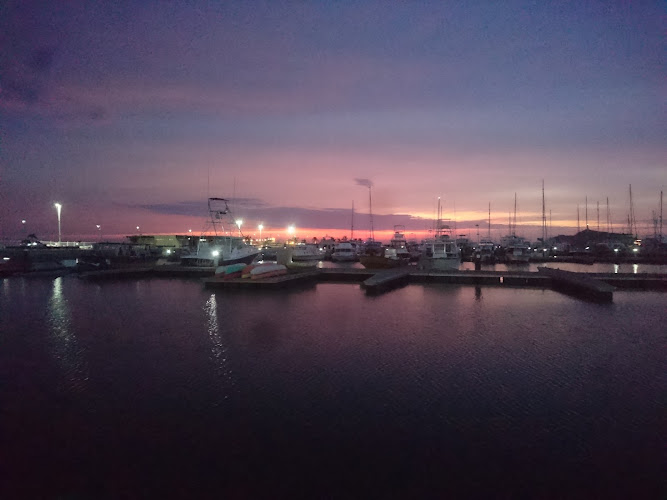
TOUR GRATIS SANTA MARTA
About TOUR GRATIS SANTA MARTA
Description
Santa Marta has this brilliant thing going on that a lot of travelers don't know about until they're already there – free walking tours that show you the real heartbeat of Colombia's oldest city. And honestly, these tours have become one of the best kept secrets for budget-conscious travelers who still want authentic experiences without the corporate tour bus vibe. The concept behind Tour Gratis Santa Marta is refreshingly straightforward. Local guides who genuinely love their city take small groups through the historic streets, sharing stories that you'd never find in guidebooks. I've done my share of free walking tours across different countries, and there's something special about the passion that comes through when guides work on a tip-based system – they actually want you to have an amazing time because their livelihood depends on it. What makes this particular tourist attraction stand out is how it weaves together the colonial architecture, Caribbean culture, and modern Colombian life into a couple hours of walking. You're not just staring at buildings while someone drones on about dates and facts. Instead, you're getting the insider perspective on everything from where Simon Bolivar spent his final days to which street corner serves the best empanadas (and trust me, that information is worth its weight in gold). The tour typically covers the historic center where colorful buildings line narrow streets that have witnessed over 500 years of history. Your guide will probably point out details you'd walk right past otherwise – like specific architectural elements that tell stories of Spanish colonization, or particular doorways that have local legends attached to them. But beyond the historical stuff, you're also learning about contemporary Santa Marta, the challenges the city faces, and the incredible resilience of its people. One thing that really struck me about these free tours is how family-friendly they are. Kids actually seem to enjoy them because good guides know how to make history come alive with anecdotes and interactive elements rather than boring lectures. Plus, the pace is usually pretty relaxed with plenty of stops, so little legs don't get too tired.Key Features
The Tour Gratis Santa Marta experience comes packed with elements that make it genuinely worthwhile for visitors of all ages: • Local guides who grew up in Santa Marta and know the city's hidden stories, not just the Wikipedia version of its history • Coverage of the historic center including key landmarks like Parque de Los Novios, Catedral Basílica de Santa Marta, and the picturesque colonial streets • Insights into Simon Bolivar's connection to the city and his final days, which is pretty fascinating stuff if you're into Latin American independence history • Recommendations for local restaurants, bars, and attractions that guides actually frequent themselves, not tourist traps that pay commissions • Small group sizes that allow for questions and actual conversation rather than being herded around like cattle • A tip-based system that means you decide what the experience was worth to you at the end • Usually runs about two to three hours, which is the sweet spot before your feet start screaming and your attention span evaporates • Information about Santa Marta's role as Colombia's oldest surviving city, founded way back in 1525 • Stories about local culture, Caribbean coast traditions, and what daily life is really like for Samarios (that's what locals call themselves) • Perfect starting point for your Santa Marta visit because guides can answer questions about everything from beach recommendations to safety tips • Completely suitable for children, making it an educational experience the whole family can enjoy togetherBest Time to Visit
Here's where it gets practical. Santa Marta sits on the Caribbean coast, which means it's hot. Like, really hot. Year-round temperatures hover around 30°C (86°F), so you're not going to find a "cool season" exactly. But there are definitely better times than others to do a walking tour through the historic center. The dry season runs from December through March, which coincidentally is also peak tourist season. Morning tours during these months are absolutely your best bet – aim for something that starts around 9 or 10 AM before the midday sun turns the streets into an oven. I made the mistake once of doing an afternoon walking tour in February, and let me tell you, by the end I was more focused on finding shade than absorbing any historical information. The rainy season spans roughly April through November, but don't let that scare you off completely. Rain in Santa Marta often comes in quick, intense bursts rather than all-day drizzles. Actually, a tour during rainy season can be pretty magical if you get lucky – the streets get washed clean, everything smells fresh, and there are fewer tourists crowding the plazas. Just check the weather forecast and maybe pack a light rain jacket in your daypack. If you're trying to avoid crowds (and who isn't?), consider visiting during the shoulder months of April, May, or November. The tours will have smaller groups, guides can give you more personalized attention, and you'll get more authentic photos without hordes of other tourists photobombing your shots. As for time of day regardless of season – mornings win every time. The light is gorgeous for photos, the temperature is manageable, and you'll still have energy afterward to explore places your guide recommended. Plus, many tours meet around 10 AM, which gives you time to have a proper breakfast and coffee first. Never underestimate the importance of being caffeinated before a walking tour.How to Get There
Getting to the meeting point for Tour Gratis Santa Marta is usually pretty straightforward since most tours start somewhere in or near the historic center. If you're staying in one of the hotels or hostels in the tourist area, there's a decent chance you can actually walk to the meeting point. Santa Marta isn't a huge city, and the historic center is quite compact. Most tours meet at recognizable landmarks like Parque de Los Novios (Lovers' Park), which is basically the social hub of the historic area. If you're staying in El Rodadero, which is the main beach area where many hotels are located, you've got a few options. Taxis are affordable and everywhere in Santa Marta. Just make sure to agree on a price before you get in, or better yet, use apps like Beat or InDriver which are popular in Colombia and give you upfront pricing. From El Rodadero to the historic center should run you somewhere between 10,000 to 15,000 Colombian pesos depending on traffic. Not exactly breaking the bank. The local bus system exists and is incredibly cheap – we're talking less than a dollar – but it can be confusing for first-time visitors. Buses don't really have clear route maps posted anywhere, and the whole system operates on local knowledge that you simply won't have. If you're adventurous and have extra time, go for it. Otherwise, stick with taxis or rideshare apps to avoid stress. If you're already staying in the historic center (smart move, by the way), just use Google Maps to navigate the streets to your meeting point. The colonial grid isn't complicated, though some streets are pedestrian-only and others are one-way, so what looks like a five-minute walk might take seven or eight in reality. Build in extra time so you're not that person rushing in late while everyone else is ready to go. Coming from the airport? Simón Bolívar International Airport is about 16 kilometers south of the city center. You'll need to take a taxi or arrange airport transfer, which typically costs around 40,000 to 60,000 pesos. Share the ride with other travelers if you can to split costs.Tips for Visiting
Right, let's talk about actually doing this tour and making the most of it. First thing – book in advance. Even though these are free tours, most require reservations through their website or WhatsApp. They need to manage group sizes and make sure they have enough guides available. Don't just show up and hope for the best. Wear comfortable walking shoes. I know that sounds obvious, but you'd be surprised how many people show up in brand new sandals or shoes that look cute but offer zero support. You're going to be on your feet for two to three hours on cobblestone streets and uneven sidewalks. Your feet will thank you for choosing function over fashion. Bring water. Santa Marta is hot and humid, and you will get thirsty. Yes, there are shops where you can buy water along the route, but having your own bottle means you're not interrupting the tour or missing information while you're purchasing drinks. Sunscreen and a hat are non-negotiable unless you enjoy resembling a lobster. The Caribbean sun is no joke, and even on cloudy days you can get burned. Put sunscreen on before you leave your accommodation and bring it with you to reapply. About tipping – this is where some travelers get confused or awkward. These tours operate on tips, which means the guide isn't getting paid a salary. They're working for whatever you choose to give them at the end. A general guideline is about 20,000 to 50,000 Colombian pesos per person (roughly 5 to 12 USD) depending on the length of the tour and how much you enjoyed it. If the guide was exceptional and really enhanced your understanding of Santa Marta, tip accordingly. If you're traveling as a family, you don't need to tip per person necessarily, but do be generous. Come with questions. Good guides love when people engage and ask thoughtful questions about the city, the culture, or recommendations for their stay. Don't be shy about asking where to eat, what neighborhoods to avoid, or whether that Tayrona National Park tour is worth the money. Take notes or photos of the restaurants and places your guide recommends. I cannot tell you how many times I've thought "oh, I'll remember that" and then completely forgotten the name of the amazing seafood spot the guide mentioned by the next day. Actually, let me add one more thing about timing. Arrive at the meeting point about 10 minutes early. This gives you time to find it without stress, use the bathroom if there's one nearby, and chat with other travelers before the tour starts. Plus, guides really appreciate punctuality. And lastly – keep an open mind. These tours might take you down streets that don't look particularly photogenic or share stories about modern problems the city faces. That's real travel. That's how you actually connect with a place rather than just collecting Instagram photos. Santa Marta has an incredible history and equally incredible people. Let the experience be what it is, imperfections and all.Key Features
- Key Features
- Best Time to Visit
- How to Get There
- Tips for Visiting
More Details
Updated March 30, 2026
Table of Contents
Description
Santa Marta has this brilliant thing going on that a lot of travelers don’t know about until they’re already there – free walking tours that show you the real heartbeat of Colombia’s oldest city. And honestly, these tours have become one of the best kept secrets for budget-conscious travelers who still want authentic experiences without the corporate tour bus vibe.
The concept behind Tour Gratis Santa Marta is refreshingly straightforward. Local guides who genuinely love their city take small groups through the historic streets, sharing stories that you’d never find in guidebooks. I’ve done my share of free walking tours across different countries, and there’s something special about the passion that comes through when guides work on a tip-based system – they actually want you to have an amazing time because their livelihood depends on it.
What makes this particular tourist attraction stand out is how it weaves together the colonial architecture, Caribbean culture, and modern Colombian life into a couple hours of walking. You’re not just staring at buildings while someone drones on about dates and facts. Instead, you’re getting the insider perspective on everything from where Simon Bolivar spent his final days to which street corner serves the best empanadas (and trust me, that information is worth its weight in gold).
The tour typically covers the historic center where colorful buildings line narrow streets that have witnessed over 500 years of history. Your guide will probably point out details you’d walk right past otherwise – like specific architectural elements that tell stories of Spanish colonization, or particular doorways that have local legends attached to them. But beyond the historical stuff, you’re also learning about contemporary Santa Marta, the challenges the city faces, and the incredible resilience of its people.
One thing that really struck me about these free tours is how family-friendly they are. Kids actually seem to enjoy them because good guides know how to make history come alive with anecdotes and interactive elements rather than boring lectures. Plus, the pace is usually pretty relaxed with plenty of stops, so little legs don’t get too tired.
Key Features
The Tour Gratis Santa Marta experience comes packed with elements that make it genuinely worthwhile for visitors of all ages:
• Local guides who grew up in Santa Marta and know the city’s hidden stories, not just the Wikipedia version of its history
• Coverage of the historic center including key landmarks like Parque de Los Novios, Catedral Basílica de Santa Marta, and the picturesque colonial streets
• Insights into Simon Bolivar’s connection to the city and his final days, which is pretty fascinating stuff if you’re into Latin American independence history
• Recommendations for local restaurants, bars, and attractions that guides actually frequent themselves, not tourist traps that pay commissions
• Small group sizes that allow for questions and actual conversation rather than being herded around like cattle
• A tip-based system that means you decide what the experience was worth to you at the end
• Usually runs about two to three hours, which is the sweet spot before your feet start screaming and your attention span evaporates
• Information about Santa Marta’s role as Colombia’s oldest surviving city, founded way back in 1525
• Stories about local culture, Caribbean coast traditions, and what daily life is really like for Samarios (that’s what locals call themselves)
• Perfect starting point for your Santa Marta visit because guides can answer questions about everything from beach recommendations to safety tips
• Completely suitable for children, making it an educational experience the whole family can enjoy together
Best Time to Visit
Here’s where it gets practical. Santa Marta sits on the Caribbean coast, which means it’s hot. Like, really hot. Year-round temperatures hover around 30°C (86°F), so you’re not going to find a “cool season” exactly. But there are definitely better times than others to do a walking tour through the historic center.
The dry season runs from December through March, which coincidentally is also peak tourist season. Morning tours during these months are absolutely your best bet – aim for something that starts around 9 or 10 AM before the midday sun turns the streets into an oven. I made the mistake once of doing an afternoon walking tour in February, and let me tell you, by the end I was more focused on finding shade than absorbing any historical information.
The rainy season spans roughly April through November, but don’t let that scare you off completely. Rain in Santa Marta often comes in quick, intense bursts rather than all-day drizzles. Actually, a tour during rainy season can be pretty magical if you get lucky – the streets get washed clean, everything smells fresh, and there are fewer tourists crowding the plazas. Just check the weather forecast and maybe pack a light rain jacket in your daypack.
If you’re trying to avoid crowds (and who isn’t?), consider visiting during the shoulder months of April, May, or November. The tours will have smaller groups, guides can give you more personalized attention, and you’ll get more authentic photos without hordes of other tourists photobombing your shots.
As for time of day regardless of season – mornings win every time. The light is gorgeous for photos, the temperature is manageable, and you’ll still have energy afterward to explore places your guide recommended. Plus, many tours meet around 10 AM, which gives you time to have a proper breakfast and coffee first. Never underestimate the importance of being caffeinated before a walking tour.
How to Get There
Getting to the meeting point for Tour Gratis Santa Marta is usually pretty straightforward since most tours start somewhere in or near the historic center. If you’re staying in one of the hotels or hostels in the tourist area, there’s a decent chance you can actually walk to the meeting point.
Santa Marta isn’t a huge city, and the historic center is quite compact. Most tours meet at recognizable landmarks like Parque de Los Novios (Lovers’ Park), which is basically the social hub of the historic area. If you’re staying in El Rodadero, which is the main beach area where many hotels are located, you’ve got a few options.
Taxis are affordable and everywhere in Santa Marta. Just make sure to agree on a price before you get in, or better yet, use apps like Beat or InDriver which are popular in Colombia and give you upfront pricing. From El Rodadero to the historic center should run you somewhere between 10,000 to 15,000 Colombian pesos depending on traffic. Not exactly breaking the bank.
The local bus system exists and is incredibly cheap – we’re talking less than a dollar – but it can be confusing for first-time visitors. Buses don’t really have clear route maps posted anywhere, and the whole system operates on local knowledge that you simply won’t have. If you’re adventurous and have extra time, go for it. Otherwise, stick with taxis or rideshare apps to avoid stress.
If you’re already staying in the historic center (smart move, by the way), just use Google Maps to navigate the streets to your meeting point. The colonial grid isn’t complicated, though some streets are pedestrian-only and others are one-way, so what looks like a five-minute walk might take seven or eight in reality. Build in extra time so you’re not that person rushing in late while everyone else is ready to go.
Coming from the airport? Simón Bolívar International Airport is about 16 kilometers south of the city center. You’ll need to take a taxi or arrange airport transfer, which typically costs around 40,000 to 60,000 pesos. Share the ride with other travelers if you can to split costs.
Tips for Visiting
Right, let’s talk about actually doing this tour and making the most of it. First thing – book in advance. Even though these are free tours, most require reservations through their website or WhatsApp. They need to manage group sizes and make sure they have enough guides available. Don’t just show up and hope for the best.
Wear comfortable walking shoes. I know that sounds obvious, but you’d be surprised how many people show up in brand new sandals or shoes that look cute but offer zero support. You’re going to be on your feet for two to three hours on cobblestone streets and uneven sidewalks. Your feet will thank you for choosing function over fashion.
Bring water. Santa Marta is hot and humid, and you will get thirsty. Yes, there are shops where you can buy water along the route, but having your own bottle means you’re not interrupting the tour or missing information while you’re purchasing drinks.
Sunscreen and a hat are non-negotiable unless you enjoy resembling a lobster. The Caribbean sun is no joke, and even on cloudy days you can get burned. Put sunscreen on before you leave your accommodation and bring it with you to reapply.
About tipping – this is where some travelers get confused or awkward. These tours operate on tips, which means the guide isn’t getting paid a salary. They’re working for whatever you choose to give them at the end. A general guideline is about 20,000 to 50,000 Colombian pesos per person (roughly 5 to 12 USD) depending on the length of the tour and how much you enjoyed it. If the guide was exceptional and really enhanced your understanding of Santa Marta, tip accordingly. If you’re traveling as a family, you don’t need to tip per person necessarily, but do be generous.
Come with questions. Good guides love when people engage and ask thoughtful questions about the city, the culture, or recommendations for their stay. Don’t be shy about asking where to eat, what neighborhoods to avoid, or whether that Tayrona National Park tour is worth the money.
Take notes or photos of the restaurants and places your guide recommends. I cannot tell you how many times I’ve thought “oh, I’ll remember that” and then completely forgotten the name of the amazing seafood spot the guide mentioned by the next day.
Actually, let me add one more thing about timing. Arrive at the meeting point about 10 minutes early. This gives you time to find it without stress, use the bathroom if there’s one nearby, and chat with other travelers before the tour starts. Plus, guides really appreciate punctuality.
And lastly – keep an open mind. These tours might take you down streets that don’t look particularly photogenic or share stories about modern problems the city faces. That’s real travel. That’s how you actually connect with a place rather than just collecting Instagram photos. Santa Marta has an incredible history and equally incredible people. Let the experience be what it is, imperfections and all.
Key Highlights
- Key Features
- Best Time to Visit
- How to Get There
- Tips for Visiting
Location
Places to Stay Near TOUR GRATIS SANTA MARTA
Find and Book a Tour
Explore More Travel Guides
No reviews found! Be the first to review!
TOUR GRATIS SANTA MARTA is a prominent attractions located in Santa Marta.
Visit us at: Comuna 2, Santa Marta, Magdalena, Colombia.
Traveler Reviews for TOUR GRATIS SANTA MARTA
There are no reviews yet. Be the first one to write one.
Have you visited TOUR GRATIS SANTA MARTA? Help other travelers by sharing your review.
You Might Also Like
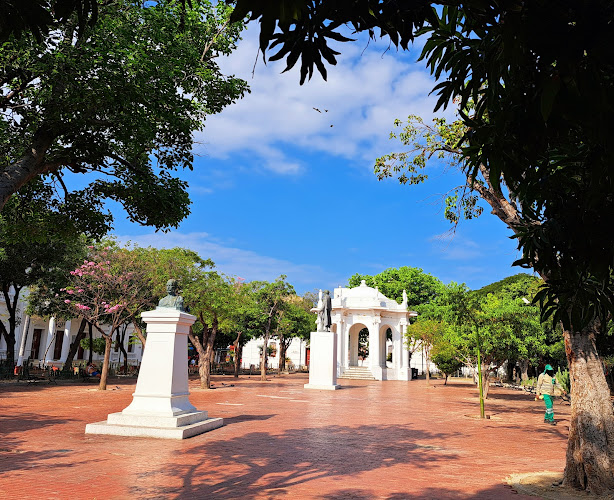
Parque de los Novios

Santa Cruz Park

Escultura sierra nevada de santa marta
Find Accommodations Nearby
Recommended Tours & Activities
Visitor Reviews
There are no reviews yet. Be the first one to write one.
Share Your Experience
Have you visited TOUR GRATIS SANTA MARTA? Help other travelers by leaving a review.