

Tonogayato Garden
About Tonogayato Garden
Description
Tonogayato Garden represents one of those unexpected treasures you stumble upon in Tokyo that makes you forget you're even in one of the world's busiest metropolises. This historical landmark in Kokubunji transforms a relatively compact space into what feels like an entirely different world—and honestly, that's exactly what the original designers intended back in the early 20th century. The garden emerged from the vision of Yasujiro Eguchi, a prominent businessman who purchased the land in 1915 and spent the next years crafting what would become a remarkable example of traditional Japanese landscape architecture. I've visited my fair share of gardens throughout Japan, and what strikes me most about Tonogayato is how it manages to pack such diverse natural elements into roughly 21,500 square meters without ever feeling cramped or overdone. Walking through the entrance, visitors immediately encounter a landscape that unfolds like chapters in a carefully written book. The central pond serves as the garden's heart, fed by spring water from the Musashino Plateau, creating that authentic sense of movement and life that artificial water features just can't replicate. And the koi swimming lazily beneath the surface? They've been part of this ecosystem for generations, adding to that timeless quality the garden exudes. The teahouse perched alongside the pond isn't just decorative—it's functional, occasionally hosting traditional tea ceremonies that give visitors a chance to experience Japanese culture in its proper setting. But even when ceremonies aren't happening, the structure itself provides wonderful framing for photographs and contemplation. There's something about traditional architecture reflected in still water that never gets old, no matter how many times you've seen it. What really sets Tonogayato apart from other Tokyo gardens is its topographical diversity. The designers took advantage of the natural slope of the land to create different elevations and viewpoints throughout the space. You'll find yourself descending into valleys, climbing gentle slopes, and discovering new perspectives around virtually every turn. This isn't a garden you experience in five minutes—it demands your time and rewards your patience.Key Features
The attractions within Tonogayato Garden extend well beyond pretty flowers and nice views, though it certainly has plenty of both:- A bamboo grove that creates those magical corridors of green where light filters through in ways that make photography almost too easy
- The spring-fed pond system complete with a waterfall that provides soothing ambient sounds throughout your visit
- A traditional teahouse positioned for optimal viewing of the pond and surrounding landscape
- Carefully curated plantings that ensure visual interest across all four seasons, from cherry blossoms to maple leaves
- Stone pathways and bridges that guide visitors through the space while contributing to the overall aesthetic
- Multiple elevation changes that create distinct "rooms" within the garden, each with its own character
- Historic trees, some dating back to the garden's original construction, providing living connections to the past
- Moss-covered rocks and carefully placed stone lanterns that add texture and traditional elements throughout
- Strategic viewpoints designed to showcase particular compositions of natural and architectural elements
- A lawn area near the entrance that provides contrast to the more densely planted sections
Best Time to Visit
I'm gonna be straight with you—asking about the "best" time to visit Tonogayato Garden is like asking which of your kids is your favorite. Each season brings something completely different to the table, and what's best really depends on what you're looking for. That said, autumn has earned its reputation for good reason. From mid-November through early December, the maple trees transform the garden into a showcase of reds, oranges, and yellows that justify every superlative you've ever heard about Japanese fall colors. The way these colors reflect in the pond creates compositions that professional photographers and casual Instagram users alike can't resist. But here's the catch—everyone knows this, so expect larger crowds during peak color season, particularly on weekends. Spring, specifically late March through April, offers cherry blossom season along with other flowering trees and plants emerging from winter dormancy. The energy of the garden during spring feels completely different from autumn's contemplative beauty. Everything seems to vibrate with new life, and that freshness is genuinely infectious. The garden feels lighter somehow, more playful than the serious elegance of fall. Summer brings its own rewards, though you'll need to contend with Tokyo's notorious heat and humidity. The bamboo grove provides welcome shade, and the waterfall and pond create at least the psychological effect of coolness. Plus, summer typically means fewer tourists, giving you more space to experience the garden at your own pace. The greenery reaches its peak density during these months, creating that enclosed, private feeling that makes the outside world disappear completely. Winter might be the underdog season here, but it has charm for those willing to brave the cold. The garden takes on a minimalist quality as deciduous trees drop their leaves, revealing the underlying structure and design that flourishes of foliage otherwise conceal. If you're lucky enough to visit after a snowfall, the transformation is absolutely stunning—though that's admittedly rare in Tokyo. Timing your visit during weekday mornings, regardless of season, generally provides the most peaceful experience. The garden opens at 9 AM, and arriving close to opening time means you'll have significant portions of the space to yourself for at least an hour or so.How to Get There
Getting to Tonogayato Garden is surprisingly straightforward, especially considering Tokyo's reputation for complexity. The garden sits just a short walk from Kokubunji Station, which is serviced by both the JR Chuo Line and the Seibu Kokubunji Line—so you've got options depending on where you're coming from. From central Tokyo, the JR Chuo Line offers direct access from major stations like Shinjuku, taking roughly 20-25 minutes depending on whether you catch a rapid or local train. Once you arrive at Kokubunji Station, take the South Exit and prepare for about a 10-minute walk. The route is well-signed in Japanese and English, and honestly, it's pretty hard to get lost. The walk from the station actually serves as a nice transition from urban chaos to garden tranquility. You'll pass through residential neighborhoods that give you a glimpse of everyday Tokyo life—the kind of stuff you don't see in tourist districts. There are a couple of convenience stores along the way if you need to grab a drink or snack before your visit. For those coming from western Tokyo or Saitama, the Seibu Kokubunji Line might prove more convenient, though it's a smaller line with less frequent service. Either way, the station is your destination, and the walk remains the same. I wouldn't recommend driving unless you absolutely have to. Parking in the area is limited and not particularly convenient for garden visitors. Tokyo's public transportation system exists for a reason, and this is exactly the kind of destination where it works perfectly. Plus, you can relax during your journey instead of navigating unfamiliar streets and parking situations. If you're planning to visit multiple gardens or attractions in the area, consider that Tonogayato Garden is part of a small cluster of cultural sites in Kokubunji. You could easily combine it with a visit to nearby historical sites or simply explore the neighborhood, which has several nice cafes and local restaurants worth checking out.Tips for Visiting
Let me share some practical wisdom that'll make your visit considerably more enjoyable. First off, the admission fee is remarkably reasonable—we're talking a few hundred yen for adults, with discounts for seniors and students. They accept modern payment methods including PayPay, Rakuten Pay, and transit IC cards, so you don't need to worry about carrying exact change, though cash still works fine if that's what you've got. Bring proper walking shoes. I can't stress this enough. The pathways include stone steps, potentially slippery surfaces near the water features, and uneven terrain in places. Those cute sandals or brand new dress shoes you wore to look good in photos? They're gonna make you miserable. Comfortable, grippy footwear is non-negotiable here. The garden does have public restrooms, which is a blessing you'll appreciate if you're spending significant time here or visiting as part of a longer day trip. They're maintained to typical Japanese standards, meaning they're clean and functional. Photography enthusiasts should bring whatever gear they want, but keep in mind that some of the best shots don't require fancy equipment. The garden's design creates naturally beautiful compositions that look great even with smartphone cameras. Early morning light provides the most flattering illumination, while late afternoon can create dramatic shadows and golden-hour effects during appropriate seasons. Weather preparation matters more than you might think. The garden offers some covered areas, but you're mostly exposed to the elements. Umbrellas are fine during light rain—actually, the garden has a particular beauty in gentle rainfall—but heavy weather might diminish your experience significantly. Summer visits require sun protection, water, and realistic expectations about heat. I once made the mistake of visiting in mid-August during the afternoon, and while beautiful, it was almost too uncomfortable to fully appreciate. Take your time. Seriously. This isn't a garden you rush through on your way to somewhere else. Budget at least an hour, preferably more if you want to really soak in the atmosphere and perhaps find a quiet spot to sit and decompress. The benches scattered throughout the garden aren't just decorative—they're invitations to pause and observe. If you're mobility-impaired, be aware that the garden's topography and traditional design mean it's not particularly wheelchair accessible. The official information confirms there's no accessible parking, and the pathways include steps and uneven surfaces that present real challenges for wheeled mobility devices. This isn't anyone's fault—it's a historic landscape that predates modern accessibility standards—but it's important to know before making the trip. Consider bringing a small notebook or sketchpad if you're artistically inclined. The garden attracts painters, sketchers, and writers looking for inspiration and peaceful surroundings. Unlike some attractions, Tonogayato Garden doesn't feel weird about people settling in for contemplative creative work. Food and drink aren't sold within the garden, so hydrate and snack beforehand if needed. While there aren't specific rules against bringing your own refreshments, be respectful about consumption and disposal. Japanese gardens maintain their beauty partly through visitor consideration and care. Finally, manage your expectations based on what you're seeking. If you're looking for vast, sprawling grounds, you might find Tonogayato more intimate than anticipated. But if you appreciate careful design, historical significance, and the ability to experience traditional Japanese garden aesthetics without traveling far from central Tokyo, this place delivers exactly what it promises—a genuine escape that proves you don't need huge spaces to create profound experiences.Key Features
- Promenade-style layout using natural Musashino Plateau landforms
- Central pond with reflections and small streams
- Seasonal plantings with notable cherry blossoms and autumn colors
- Historic elements from a former private estate and early 20th-century design influences
- Easy access — a short walk from Kokubunji Station
More Details
Updated January 17, 2026
Table of Contents
Description
Tonogayato Garden represents one of those unexpected treasures you stumble upon in Tokyo that makes you forget you’re even in one of the world’s busiest metropolises. This historical landmark in Kokubunji transforms a relatively compact space into what feels like an entirely different world—and honestly, that’s exactly what the original designers intended back in the early 20th century.
The garden emerged from the vision of Yasujiro Eguchi, a prominent businessman who purchased the land in 1915 and spent the next years crafting what would become a remarkable example of traditional Japanese landscape architecture. I’ve visited my fair share of gardens throughout Japan, and what strikes me most about Tonogayato is how it manages to pack such diverse natural elements into roughly 21,500 square meters without ever feeling cramped or overdone.
Walking through the entrance, visitors immediately encounter a landscape that unfolds like chapters in a carefully written book. The central pond serves as the garden’s heart, fed by spring water from the Musashino Plateau, creating that authentic sense of movement and life that artificial water features just can’t replicate. And the koi swimming lazily beneath the surface? They’ve been part of this ecosystem for generations, adding to that timeless quality the garden exudes.
The teahouse perched alongside the pond isn’t just decorative—it’s functional, occasionally hosting traditional tea ceremonies that give visitors a chance to experience Japanese culture in its proper setting. But even when ceremonies aren’t happening, the structure itself provides wonderful framing for photographs and contemplation. There’s something about traditional architecture reflected in still water that never gets old, no matter how many times you’ve seen it.
What really sets Tonogayato apart from other Tokyo gardens is its topographical diversity. The designers took advantage of the natural slope of the land to create different elevations and viewpoints throughout the space. You’ll find yourself descending into valleys, climbing gentle slopes, and discovering new perspectives around virtually every turn. This isn’t a garden you experience in five minutes—it demands your time and rewards your patience.
Key Features
The attractions within Tonogayato Garden extend well beyond pretty flowers and nice views, though it certainly has plenty of both:
- A bamboo grove that creates those magical corridors of green where light filters through in ways that make photography almost too easy
- The spring-fed pond system complete with a waterfall that provides soothing ambient sounds throughout your visit
- A traditional teahouse positioned for optimal viewing of the pond and surrounding landscape
- Carefully curated plantings that ensure visual interest across all four seasons, from cherry blossoms to maple leaves
- Stone pathways and bridges that guide visitors through the space while contributing to the overall aesthetic
- Multiple elevation changes that create distinct “rooms” within the garden, each with its own character
- Historic trees, some dating back to the garden’s original construction, providing living connections to the past
- Moss-covered rocks and carefully placed stone lanterns that add texture and traditional elements throughout
- Strategic viewpoints designed to showcase particular compositions of natural and architectural elements
- A lawn area near the entrance that provides contrast to the more densely planted sections
Best Time to Visit
I’m gonna be straight with you—asking about the “best” time to visit Tonogayato Garden is like asking which of your kids is your favorite. Each season brings something completely different to the table, and what’s best really depends on what you’re looking for.
That said, autumn has earned its reputation for good reason. From mid-November through early December, the maple trees transform the garden into a showcase of reds, oranges, and yellows that justify every superlative you’ve ever heard about Japanese fall colors. The way these colors reflect in the pond creates compositions that professional photographers and casual Instagram users alike can’t resist. But here’s the catch—everyone knows this, so expect larger crowds during peak color season, particularly on weekends.
Spring, specifically late March through April, offers cherry blossom season along with other flowering trees and plants emerging from winter dormancy. The energy of the garden during spring feels completely different from autumn’s contemplative beauty. Everything seems to vibrate with new life, and that freshness is genuinely infectious. The garden feels lighter somehow, more playful than the serious elegance of fall.
Summer brings its own rewards, though you’ll need to contend with Tokyo’s notorious heat and humidity. The bamboo grove provides welcome shade, and the waterfall and pond create at least the psychological effect of coolness. Plus, summer typically means fewer tourists, giving you more space to experience the garden at your own pace. The greenery reaches its peak density during these months, creating that enclosed, private feeling that makes the outside world disappear completely.
Winter might be the underdog season here, but it has charm for those willing to brave the cold. The garden takes on a minimalist quality as deciduous trees drop their leaves, revealing the underlying structure and design that flourishes of foliage otherwise conceal. If you’re lucky enough to visit after a snowfall, the transformation is absolutely stunning—though that’s admittedly rare in Tokyo.
Timing your visit during weekday mornings, regardless of season, generally provides the most peaceful experience. The garden opens at 9 AM, and arriving close to opening time means you’ll have significant portions of the space to yourself for at least an hour or so.
How to Get There
Getting to Tonogayato Garden is surprisingly straightforward, especially considering Tokyo’s reputation for complexity. The garden sits just a short walk from Kokubunji Station, which is serviced by both the JR Chuo Line and the Seibu Kokubunji Line—so you’ve got options depending on where you’re coming from.
From central Tokyo, the JR Chuo Line offers direct access from major stations like Shinjuku, taking roughly 20-25 minutes depending on whether you catch a rapid or local train. Once you arrive at Kokubunji Station, take the South Exit and prepare for about a 10-minute walk. The route is well-signed in Japanese and English, and honestly, it’s pretty hard to get lost.
The walk from the station actually serves as a nice transition from urban chaos to garden tranquility. You’ll pass through residential neighborhoods that give you a glimpse of everyday Tokyo life—the kind of stuff you don’t see in tourist districts. There are a couple of convenience stores along the way if you need to grab a drink or snack before your visit.
For those coming from western Tokyo or Saitama, the Seibu Kokubunji Line might prove more convenient, though it’s a smaller line with less frequent service. Either way, the station is your destination, and the walk remains the same.
I wouldn’t recommend driving unless you absolutely have to. Parking in the area is limited and not particularly convenient for garden visitors. Tokyo’s public transportation system exists for a reason, and this is exactly the kind of destination where it works perfectly. Plus, you can relax during your journey instead of navigating unfamiliar streets and parking situations.
If you’re planning to visit multiple gardens or attractions in the area, consider that Tonogayato Garden is part of a small cluster of cultural sites in Kokubunji. You could easily combine it with a visit to nearby historical sites or simply explore the neighborhood, which has several nice cafes and local restaurants worth checking out.
Tips for Visiting
Let me share some practical wisdom that’ll make your visit considerably more enjoyable. First off, the admission fee is remarkably reasonable—we’re talking a few hundred yen for adults, with discounts for seniors and students. They accept modern payment methods including PayPay, Rakuten Pay, and transit IC cards, so you don’t need to worry about carrying exact change, though cash still works fine if that’s what you’ve got.
Bring proper walking shoes. I can’t stress this enough. The pathways include stone steps, potentially slippery surfaces near the water features, and uneven terrain in places. Those cute sandals or brand new dress shoes you wore to look good in photos? They’re gonna make you miserable. Comfortable, grippy footwear is non-negotiable here.
The garden does have public restrooms, which is a blessing you’ll appreciate if you’re spending significant time here or visiting as part of a longer day trip. They’re maintained to typical Japanese standards, meaning they’re clean and functional.
Photography enthusiasts should bring whatever gear they want, but keep in mind that some of the best shots don’t require fancy equipment. The garden’s design creates naturally beautiful compositions that look great even with smartphone cameras. Early morning light provides the most flattering illumination, while late afternoon can create dramatic shadows and golden-hour effects during appropriate seasons.
Weather preparation matters more than you might think. The garden offers some covered areas, but you’re mostly exposed to the elements. Umbrellas are fine during light rain—actually, the garden has a particular beauty in gentle rainfall—but heavy weather might diminish your experience significantly. Summer visits require sun protection, water, and realistic expectations about heat. I once made the mistake of visiting in mid-August during the afternoon, and while beautiful, it was almost too uncomfortable to fully appreciate.
Take your time. Seriously. This isn’t a garden you rush through on your way to somewhere else. Budget at least an hour, preferably more if you want to really soak in the atmosphere and perhaps find a quiet spot to sit and decompress. The benches scattered throughout the garden aren’t just decorative—they’re invitations to pause and observe.
If you’re mobility-impaired, be aware that the garden’s topography and traditional design mean it’s not particularly wheelchair accessible. The official information confirms there’s no accessible parking, and the pathways include steps and uneven surfaces that present real challenges for wheeled mobility devices. This isn’t anyone’s fault—it’s a historic landscape that predates modern accessibility standards—but it’s important to know before making the trip.
Consider bringing a small notebook or sketchpad if you’re artistically inclined. The garden attracts painters, sketchers, and writers looking for inspiration and peaceful surroundings. Unlike some attractions, Tonogayato Garden doesn’t feel weird about people settling in for contemplative creative work.
Food and drink aren’t sold within the garden, so hydrate and snack beforehand if needed. While there aren’t specific rules against bringing your own refreshments, be respectful about consumption and disposal. Japanese gardens maintain their beauty partly through visitor consideration and care.
Finally, manage your expectations based on what you’re seeking. If you’re looking for vast, sprawling grounds, you might find Tonogayato more intimate than anticipated. But if you appreciate careful design, historical significance, and the ability to experience traditional Japanese garden aesthetics without traveling far from central Tokyo, this place delivers exactly what it promises—a genuine escape that proves you don’t need huge spaces to create profound experiences.
Key Highlights
- Promenade-style layout using natural Musashino Plateau landforms
- Central pond with reflections and small streams
- Seasonal plantings with notable cherry blossoms and autumn colors
- Historic elements from a former private estate and early 20th-century design influences
- Easy access — a short walk from Kokubunji Station
Location
Places to Stay Near Tonogayato Garden
Find and Book a Tour
Explore More Travel Guides
No reviews found! Be the first to review!
Traveler Reviews for Tonogayato Garden
There are no reviews yet. Be the first one to write one.
Have you visited Tonogayato Garden? Help other travelers by sharing your review.
Nearby Attractions
You Might Also Like

Otaka no michi street
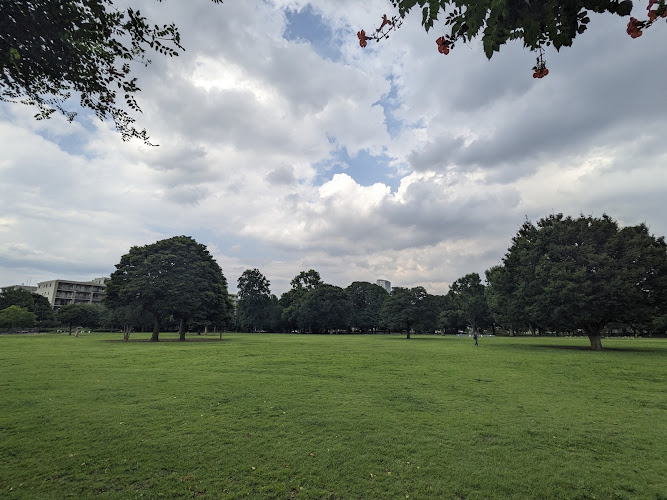
Musashi Kokubunji Park

Site of Musashi Provincial Temple
Find Accommodations Nearby
Recommended Tours & Activities
Visitor Reviews
There are no reviews yet. Be the first one to write one.
Share Your Experience
Have you visited Tonogayato Garden? Help other travelers by leaving a review.