
Tokat Museum
About Tokat Museum
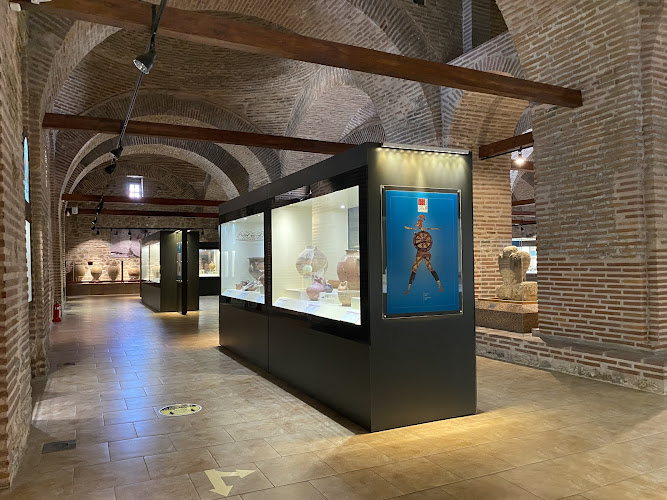
The Tokat Museum sits quietly in Tokat, Türkiye, a place that rewards slow curiosity more than checklist tourism. For travelers who like objects that whisper stories — worn coins with tiny patinas, pottery shards that still hold centuries of handled shapes, and textiles that smell faintly of old cedar — this museum offers a compact but unexpectedly deep encounter with the Anatolian Seljuk era and surrounding periods. It is not a palace of grand displays but a carefully curated window into daily life, trade, and artistry from Anatolia’s layered past; and that, oddly enough, is its charm.
Visitors will find that the core of the collection revolves around coins and archaeological finds from the Anatolian Seljuk period. Coins might sound dry on paper, but in person they become time capsules: mint marks, inscriptions, and images that map out commerce routes, political change, even pockets of cultural influence. Seeing a handful of silver dirhams up close — the slight irregularities, the faint Arabic script, the uneven edging — makes the Seljuk era feel immediate. The museum does an admirable job of presenting these items with context rather than leaving them as isolated curiosities.
Beyond coins, the ethnographic displays are where the Tokat Museum's personality shows strongest. Folk costumes, household tools, and carved wooden pieces reveal the routines of ordinary lives. There is a warmth to these rooms; the displays want to ground visitors in how people ate, dressed, and celebrated. The museum doesn’t rely on flashy installations but on thoughtful labels and arrangement, inviting contemplation rather than haste.
Archaeological artifacts — ceramic vessels, stone tools, and architectural fragments — are shown with an eye for narrative. One case might trace pottery styles across three centuries. Another will focus on decorative motifs that suggest religious or trade influences crossing into the region. For travelers who like connecting dots, Tokat Museum is fertile ground. The author remembers getting slightly lost in a small exhibit about tile motifs, realizing how a tiny floral pattern mirrored designs seen in larger, more famous sites across Türkiye. That moment of recognition sticks; it’s small, but memorable.
Accessibility is a practical strength here. The museum provides a wheelchair-accessible entrance and restroom, and there is a wheelchair-accessible parking lot nearby. For families traveling with strollers or those who benefit from easier access, this matters, and it’s worth noting. Restroom facilities are available inside the museum, though there is no on-site restaurant — travelers should plan to eat nearby or bring snacks on longer visits. Free street parking is usually possible close to the museum, which helps when one wants to hop in and out without the hassle of paid lots.
Children tend to do well here. The displays are tangible and sensible, not overwhelmingly dense. The author has seen kids press noses to glass cases, then scamper to the next object with the kind of energy that only museums can elicit. Staff are generally patient and ready to answer questions, and the scale of the museum makes it manageable for families who don’t want a museum marathon. But do allow time: even a smaller museum like this can surprise visitors with layers they didn’t expect.
What often goes unspoken is how intimate the experience feels. This is not a blockbuster destination; it’s a local institution where a serious collector or history nerd will enjoy lingering for an hour or two. But for the casual traveler it still offers real value: a clearer sense of Tokat’s place in Anatolian history, artifacts that connect to bigger historical themes, and an approachable pace that respects how people travel. The atmosphere is calm — and at times delightfully quiet — making it a good midday stop when the sun is high and other streets bustle.
Practical signage is decent, though sometimes translations can be brief. The museum leans into Turkish-language labels, and while there are English explanations for many of the highlights, a curious traveler who reads little Turkish might occasionally find themselves piecing things together from visual cues. That’s not always a bad thing: interpreting artifacts without a full reading can be playful. Still, those who prefer full context may want to join a guided tour if one is available, or carry a small guidebook or translation app just in case.
There’s also a subtle educational angle: the exhibits succeed in connecting local finds to broader historical networks. Coins tell trade routes; ceramics hint at technological exchanges; ethnographic pieces map seasonal rhythms and household economies. For a traveler interested in how local history ties into regional and transregional stories, the Tokat Museum punches above its weight. And the author has to admit — there's a satisfying frisson when a seemingly minor object illuminates a much bigger historical pattern. Those little discoveries — a stamp on a coin, an odd glaze technique — are the moments that make the visit stick in memory.
The museum’s lighting is designed to preserve fragile items, which means some cases are dimmer than a visitor might prefer. Bring a patient eye. And take breaks; the museum’s benches and quiet corners are actually part of the design, encouraging reflection rather than a nonstop march from one exhibit to the next. The lack of an on-site cafe pushes visitors into the surrounding streets, and that can be a happy thing. Tokat’s neighborhood cafes and bakeries often serve up excellent tea and simit — a restorative reward after a thoughtful museum visit.
For itinerary planning, the museum fits neatly into a half-day or a leisurely afternoon. Combine it with a walk through Tokat’s old town, a stop at a local teahouse, or a visit to nearby historical sites for a fuller sense of the region. The author often recommends pairing museum time with a slow meal and a stroll; history tastes better when followed by something warm and savory. And yes, that’s a little subjective — but travelers tend to remember experiences, not schedules.
Finally, the Tokat Museum is a reminder that smaller museums are not inferior to big national institutions; they’re complementary. They allow a different kind of closeness to objects and to local narratives. If a traveler is open to nuance, willing to linger, and curious about the Anatolian Seljuk period and the everyday life of past residents, this museum delivers. It won’t shout for attention. Instead, it invites those who want to listen carefully, and rewards them with quiet revelations.
In short, the Tokat Museum is a quietly rewarding stop in Tokat, Türkiye — particularly for those who appreciate coins, archaeological finds, and ethnographic artifacts from the Anatolian Seljuk period. It’s accessible, kid-friendly, and intimate in a way that encourages slow exploration. Bring patience, a flexible schedule, and perhaps a little hunger for local tea afterward; the museum will handle the rest, offering a pleasant, informative window into a less-told chapter of Anatolian history.
Key Features
Tokat Museum
You Might Also Like

*BDT BELEK DOGA TOUR | Daily Tours, Day Trips and Excursions in Antalya*
1464. Sk. No:55
2006. Sk. No:2
Tours & Activities
GetYourGuide provides this tour inventory. We may earn a commission if you book through it; verify current availability, prices, and terms with the provider.
Visitor Reviews
There are no reviews yet. Be the first one to write one.
Share Your Experience
Have you visited Tokat Museum? Help other travelers by leaving a review.