

Tobu Bridge
About Tobu Bridge
Description
Tobu Bridge in Sumida, Tokyo, feels like one of those places that quietly impresses you without even trying. It’s not the kind of landmark that shouts for attention, but once you’re there—standing on the bridge with the Tokyo Skytree towering nearby—you get it. The view stretches across the Kitajukken River, where the water mirrors the city lights, and if you time your visit right, you might catch the fountains dancing in rhythm with the breeze. There’s something oddly calming about it all, even though you’re right in the heart of Tokyo’s buzz.
I remember the first time I crossed Tobu Bridge—it was just after sunset. The air was cool, the kind that smells faintly of river water and city dust. Couples were taking photos, joggers passed by, and I stood there for a while, watching the lights flicker on the Skytree. It wasn’t a grand moment, but it felt real. That’s the charm of Tobu Bridge—it’s simple, yet it sneaks up on you with its quiet beauty.
The bridge connects the modern energy of Tokyo Skytree Town with the more traditional neighborhoods nearby, blending old and new Tokyo in a single glance. During cherry blossom season, the riverside transforms into a pink-and-white wonderland, and the reflections on the water make it look almost surreal. At night, the bridge lights up softly, creating a dreamy atmosphere that’s perfect for photos or just a peaceful evening walk. It’s not flashy, but it’s undeniably photogenic.
While it’s not officially known for accessibility features like wheelchair parking, the pathways are smooth and manageable for most visitors. The area is clean, safe, and well-maintained—like most parts of Tokyo—but it still retains a bit of that local charm. It’s the kind of spot where you might see both tourists with cameras and locals just heading home from work, sharing the same space without getting in each other’s way. That’s the beauty of it.
Key Features
- Picturesque views of Tokyo Skytree and the Kitajukken River
- Illuminated bridge and riverside at night, perfect for photography
- Seasonal fountain shows and cherry blossom reflections in spring
- Peaceful walking path connecting modern and traditional Tokyo areas
- Nearby local food stalls and small shops offering authentic Tokyo snacks
- Ideal spot for evening strolls, casual dates, or quiet reflection
What really stands out about Tobu Bridge is how it feels both urban and intimate. You can hear the distant hum of the city, but the sound of the river softens it. Sometimes, you’ll see street performers or small pop-up vendors near the bridge, adding an unexpected layer of life to the scene. And if you’re into photography, the reflections here are unreal—especially after rain, when the pavement glistens under the lights.
Best Time to Visit
If you ask me, the best time to visit Tobu Bridge depends on what kind of experience you want. Spring is absolutely stunning with the cherry blossoms in full bloom along the riverbanks. The petals float on the water, and when the breeze picks up, it’s like standing in a gentle pink snowfall. It’s Tokyo’s version of magic.
Summer evenings are warm and lively, and the bridge often becomes a gathering spot for people cooling off after a long day. Autumn brings a different kind of beauty—the leaves turn amber and gold, and the air feels crisp. Winter, though quieter, has its own charm. On clear nights, you can see the Skytree glowing like a beacon over the still river. I personally love visiting just after sunset any time of year—the golden hour light hits the bridge perfectly, and the city slowly starts to sparkle.
How to Get There
Reaching Tobu Bridge is straightforward, especially if you’re already exploring the Tokyo Skytree area. The bridge sits close to the Skytree and Oshiage stations, both accessible via the Tobu Skytree Line, Tokyo Metro Hanzomon Line, and Asakusa Line. From either station, it’s just a short walk—maybe five to ten minutes, depending on how often you stop to take photos (and trust me, you’ll stop more than once).
If you’re coming from central Tokyo, you can hop on the Tobu Skytree Line from Asakusa, which is convenient and scenic in its own right. The route gives you glimpses of Tokyo’s mix of old and new architecture along the way. For those who prefer buses, several local routes stop nearby, but honestly, walking is the best way to soak in the atmosphere. The bridge is part of a pleasant walking route that connects several small parks and local eateries, so it’s worth taking your time.
I’d recommend visiting in the late afternoon and staying until evening. That way, you get to see the bridge in daylight and also enjoy the night illumination. It’s safe, well-lit, and easy to navigate, even if you’re traveling solo.
Tips for Visiting
Here’s a bit of friendly advice from someone who’s spent more than a few evenings here. First, bring a camera or at least make sure your phone is charged—you’ll want to capture the skyline and reflections. The lighting changes quickly around sunset, and every minute gives you a slightly different mood.
If you’re visiting in spring, go early in the morning or later in the evening to avoid the crowds. During cherry blossom season, it gets busy, but the atmosphere is still pretty relaxed. In summer, bring a small bottle of water—the humidity can sneak up on you. And if you’re there in winter, bundle up; the river breeze can be surprisingly chilly.
Another little tip: grab a snack from one of the nearby food stalls before you head to the bridge. There’s something about eating a warm taiyaki or sipping matcha while watching the city lights that feels perfectly Tokyo. Also, keep an eye out for local events—sometimes there are small light shows or community gatherings that add an extra layer of charm.
Photography enthusiasts might want to bring a tripod for night shots, but be mindful of space and other visitors. The bridge isn’t overly crowded most of the time, but it’s always good manners to keep your setup compact. If you’re traveling with kids, it’s a safe and easy walk, though keep an eye out near the edges since there’s low railing in some areas.
And here’s something not many people realize: the reflections from the Skytree change color depending on the lighting schedule, so if you visit on different nights, you’ll get a completely different view. I once saw it glowing in deep indigo one evening and a soft pink the next—it completely changed the mood of the whole place.
Tobu Bridge may not be on every tourist’s radar, but that’s part of its appeal. It’s one of those places that rewards curiosity. You come for the view, but you stay a little longer than you planned, just soaking it all in. Whether you’re a first-time visitor to Tokyo or someone who’s been here for years, it offers a slice of the city that feels both familiar and new. And honestly, that’s what makes it worth the visit.
Key Features
- Picturesque views of Tokyo Skytree and the Kitajukken River
- Illuminated bridge and riverside at night, perfect for photography
- Seasonal fountain shows and cherry blossom reflections in spring
- Peaceful walking path connecting modern and traditional Tokyo areas
- Nearby local food stalls and small shops offering authentic Tokyo snacks
- Ideal spot for evening strolls, casual dates, or quiet reflection
More Details
Updated November 7, 2025
Table of Contents
Description
Tobu Bridge in Sumida, Tokyo, feels like one of those places that quietly impresses you without even trying. It’s not the kind of landmark that shouts for attention, but once you’re there—standing on the bridge with the Tokyo Skytree towering nearby—you get it. The view stretches across the Kitajukken River, where the water mirrors the city lights, and if you time your visit right, you might catch the fountains dancing in rhythm with the breeze. There’s something oddly calming about it all, even though you’re right in the heart of Tokyo’s buzz.
I remember the first time I crossed Tobu Bridge—it was just after sunset. The air was cool, the kind that smells faintly of river water and city dust. Couples were taking photos, joggers passed by, and I stood there for a while, watching the lights flicker on the Skytree. It wasn’t a grand moment, but it felt real. That’s the charm of Tobu Bridge—it’s simple, yet it sneaks up on you with its quiet beauty.
The bridge connects the modern energy of Tokyo Skytree Town with the more traditional neighborhoods nearby, blending old and new Tokyo in a single glance. During cherry blossom season, the riverside transforms into a pink-and-white wonderland, and the reflections on the water make it look almost surreal. At night, the bridge lights up softly, creating a dreamy atmosphere that’s perfect for photos or just a peaceful evening walk. It’s not flashy, but it’s undeniably photogenic.
While it’s not officially known for accessibility features like wheelchair parking, the pathways are smooth and manageable for most visitors. The area is clean, safe, and well-maintained—like most parts of Tokyo—but it still retains a bit of that local charm. It’s the kind of spot where you might see both tourists with cameras and locals just heading home from work, sharing the same space without getting in each other’s way. That’s the beauty of it.
Key Features
- Picturesque views of Tokyo Skytree and the Kitajukken River
- Illuminated bridge and riverside at night, perfect for photography
- Seasonal fountain shows and cherry blossom reflections in spring
- Peaceful walking path connecting modern and traditional Tokyo areas
- Nearby local food stalls and small shops offering authentic Tokyo snacks
- Ideal spot for evening strolls, casual dates, or quiet reflection
What really stands out about Tobu Bridge is how it feels both urban and intimate. You can hear the distant hum of the city, but the sound of the river softens it. Sometimes, you’ll see street performers or small pop-up vendors near the bridge, adding an unexpected layer of life to the scene. And if you’re into photography, the reflections here are unreal—especially after rain, when the pavement glistens under the lights.
Best Time to Visit
If you ask me, the best time to visit Tobu Bridge depends on what kind of experience you want. Spring is absolutely stunning with the cherry blossoms in full bloom along the riverbanks. The petals float on the water, and when the breeze picks up, it’s like standing in a gentle pink snowfall. It’s Tokyo’s version of magic.
Summer evenings are warm and lively, and the bridge often becomes a gathering spot for people cooling off after a long day. Autumn brings a different kind of beauty—the leaves turn amber and gold, and the air feels crisp. Winter, though quieter, has its own charm. On clear nights, you can see the Skytree glowing like a beacon over the still river. I personally love visiting just after sunset any time of year—the golden hour light hits the bridge perfectly, and the city slowly starts to sparkle.
How to Get There
Reaching Tobu Bridge is straightforward, especially if you’re already exploring the Tokyo Skytree area. The bridge sits close to the Skytree and Oshiage stations, both accessible via the Tobu Skytree Line, Tokyo Metro Hanzomon Line, and Asakusa Line. From either station, it’s just a short walk—maybe five to ten minutes, depending on how often you stop to take photos (and trust me, you’ll stop more than once).
If you’re coming from central Tokyo, you can hop on the Tobu Skytree Line from Asakusa, which is convenient and scenic in its own right. The route gives you glimpses of Tokyo’s mix of old and new architecture along the way. For those who prefer buses, several local routes stop nearby, but honestly, walking is the best way to soak in the atmosphere. The bridge is part of a pleasant walking route that connects several small parks and local eateries, so it’s worth taking your time.
I’d recommend visiting in the late afternoon and staying until evening. That way, you get to see the bridge in daylight and also enjoy the night illumination. It’s safe, well-lit, and easy to navigate, even if you’re traveling solo.
Tips for Visiting
Here’s a bit of friendly advice from someone who’s spent more than a few evenings here. First, bring a camera or at least make sure your phone is charged—you’ll want to capture the skyline and reflections. The lighting changes quickly around sunset, and every minute gives you a slightly different mood.
If you’re visiting in spring, go early in the morning or later in the evening to avoid the crowds. During cherry blossom season, it gets busy, but the atmosphere is still pretty relaxed. In summer, bring a small bottle of water—the humidity can sneak up on you. And if you’re there in winter, bundle up; the river breeze can be surprisingly chilly.
Another little tip: grab a snack from one of the nearby food stalls before you head to the bridge. There’s something about eating a warm taiyaki or sipping matcha while watching the city lights that feels perfectly Tokyo. Also, keep an eye out for local events—sometimes there are small light shows or community gatherings that add an extra layer of charm.
Photography enthusiasts might want to bring a tripod for night shots, but be mindful of space and other visitors. The bridge isn’t overly crowded most of the time, but it’s always good manners to keep your setup compact. If you’re traveling with kids, it’s a safe and easy walk, though keep an eye out near the edges since there’s low railing in some areas.
And here’s something not many people realize: the reflections from the Skytree change color depending on the lighting schedule, so if you visit on different nights, you’ll get a completely different view. I once saw it glowing in deep indigo one evening and a soft pink the next—it completely changed the mood of the whole place.
Tobu Bridge may not be on every tourist’s radar, but that’s part of its appeal. It’s one of those places that rewards curiosity. You come for the view, but you stay a little longer than you planned, just soaking it all in. Whether you’re a first-time visitor to Tokyo or someone who’s been here for years, it offers a slice of the city that feels both familiar and new. And honestly, that’s what makes it worth the visit.
Key Highlights
- Picturesque views of Tokyo Skytree and the Kitajukken River
- Illuminated bridge and riverside at night, perfect for photography
- Seasonal fountain shows and cherry blossom reflections in spring
- Peaceful walking path connecting modern and traditional Tokyo areas
- Nearby local food stalls and small shops offering authentic Tokyo snacks
- Ideal spot for evening strolls, casual dates, or quiet reflection
Location
Places to Stay Near Tobu Bridge
Find and Book a Tour
Explore More Travel Guides
No reviews found! Be the first to review!
Traveler Reviews for Tobu Bridge
There are no reviews yet. Be the first one to write one.
Have you visited Tobu Bridge? Help other travelers by sharing your review.
You Might Also Like
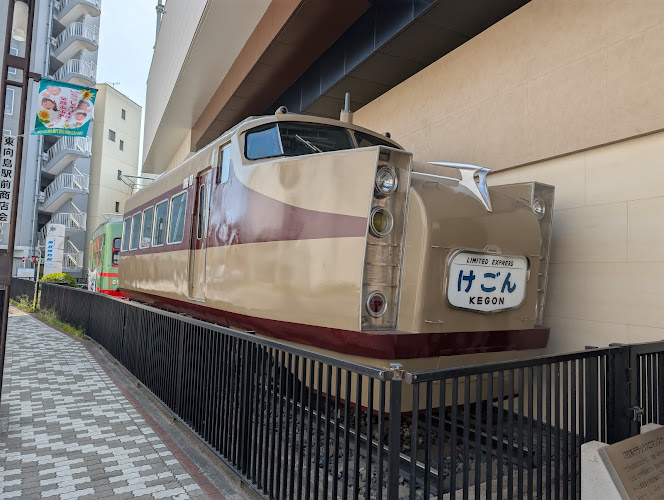
Tobu Museum
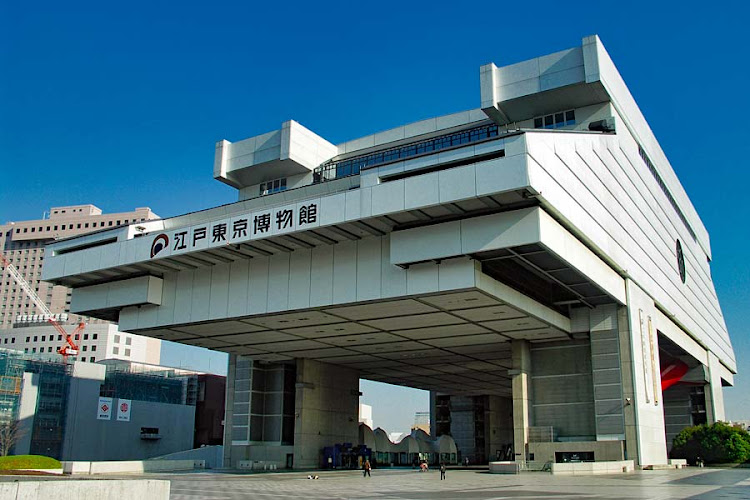
Edo-Tokyo Museum
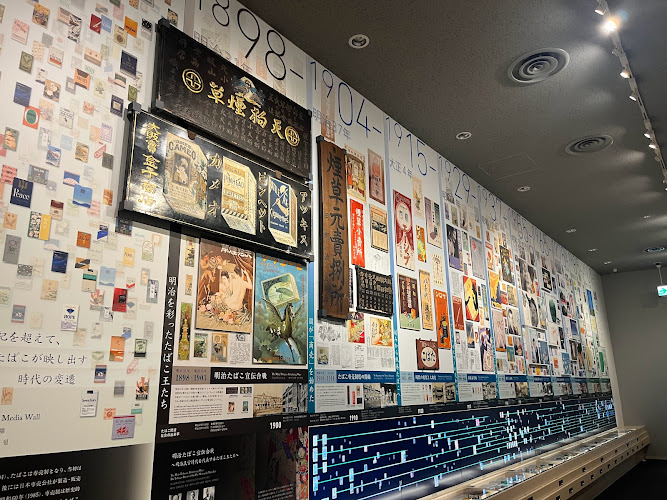
Tobacco & Salt Museum
Find Accommodations Nearby
Recommended Tours & Activities
Visitor Reviews
There are no reviews yet. Be the first one to write one.
Share Your Experience
Have you visited Tobu Bridge? Help other travelers by leaving a review.