
Tobu Museum
About Tobu Museum
Description
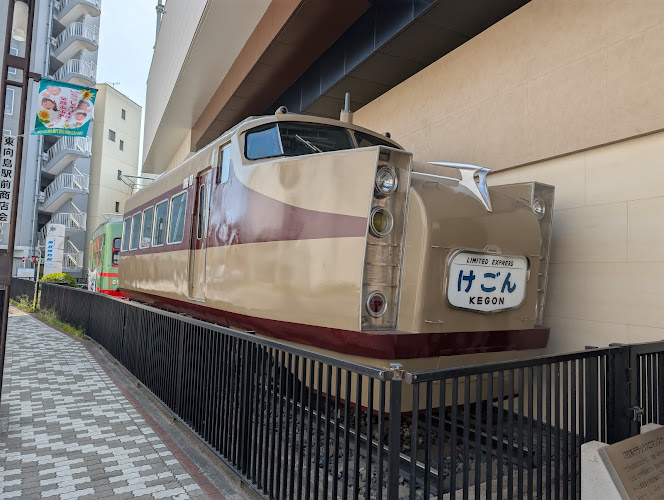
The Tobu Museum stands as a fascinating tribute to Japan's railway heritage, offering visitors an authentic glimpse into the evolution of train travel in the Tokyo metropolitan area. This rail museum showcases the rich history of the Tobu Railway company, one of the most significant private railway operators in eastern Japan. And honestly, if you've ever been curious about how Japan developed its legendary train system, this place answers a lot of those questions you didn't even know you had. When I first heard about a museum dedicated entirely to trains, I'll admit I was a bit skeptical – would it just be a bunch of old carriages gathering dust? But the reality surprised me. The museum manages to balance educational content with genuine entertainment, making it accessible whether you're a hardcore railway enthusiast or just someone looking for an interesting afternoon activity during your Tokyo visit. The facility houses actual historic train cars that once ferried passengers across the Kanto region, and there's something genuinely moving about standing next to these massive machines that represent decades of Japanese engineering prowess. You'll find everything from early electric trains to more recent models, each telling its own story about how transportation shaped the development of Tokyo's suburbs and surrounding areas. What makes this museum particularly valuable for travelers is its ability to contextualize Japan's modern train culture. We all know Japanese trains are famous for their punctuality and efficiency, but seeing the historical progression helps you understand how that reputation was built over time through innovation and dedication.Key Features
The Tobu Museum delivers several standout experiences that make it worth adding to your itinerary: • Historic Train Collection – The museum displays multiple vintage train cars that visitors can actually board and explore from the inside, giving you a real sense of how passengers traveled in different eras • Interactive Simulator Experiences – Try your hand at operating a train through realistic driving simulators that let you experience what conductors deal with daily (fair warning: it's harder than it looks) • Detailed Diorama Displays – Incredibly detailed miniature railway layouts show the Tobu line network across different time periods, and the craftsmanship is genuinely impressive • Educational Exhibits – Learn about railway technology evolution, safety systems, and the engineering challenges involved in building train networks through well-designed informational displays • Children's Activity Areas – Young visitors can engage with hands-on exhibits designed to teach railway concepts through play, making this a solid family destination • Wheelchair Accessible Facilities – The museum provides accessible entrances and restrooms, ensuring most visitors can navigate the space comfortably • Onsite Parking – Convenient parking available for those arriving by car, though arriving by train feels somehow more appropriate given the museum's theme • Gift Shop – Railway-themed souvenirs and merchandise that actually go beyond typical tourist trinkets The simulator experiences deserve special mention because they're genuinely fun. You get to sit in an authentic driver's cabin and navigate through various scenarios, and suddenly you appreciate why train operators need such extensive training. My nephew spent about twenty minutes trying to nail a smooth stop at the station platform – turns out braking a multi-ton train smoothly requires real skill.Best Time to Visit
Timing your visit to the Tobu Museum can significantly impact your experience, and there's definitely a strategy to getting the most out of your trip. Weekdays are your best bet if you want a more relaxed, less crowded experience. The museum sees considerably fewer visitors Tuesday through Thursday, allowing you to take your time with exhibits and actually get quality time with the simulators without long waits. I'd particularly recommend visiting on a Wednesday morning if your schedule allows – you'll practically have the place to yourself. Weekends and Japanese national holidays get predictably busier, especially during school vacation periods. If you're traveling with kids and weekday visits aren't feasible, try arriving right when the museum opens. That first hour before the crowds build gives you a window to hit the most popular exhibits. Seasonally, autumn and spring offer the most pleasant visiting conditions. The museum itself is indoors, but the surrounding area is nicer to walk around during these moderate weather months. Summer in Japan can be brutally humid, and while the museum has air conditioning, traveling to and from the location might be less comfortable. Avoid visiting during Golden Week (late April to early May) unless you really don't mind crowds. This is one of Japan's busiest travel periods, and the museum becomes packed with domestic tourists and families. Same goes for the New Year holiday period. But here's something most guidebooks won't tell you – rainy days can actually be perfect for museum visits in Japan. While everyone else adjusts their outdoor plans, indoor attractions become surprisingly manageable. A drizzly Tuesday afternoon might give you one of the best museum experiences you'll have. The museum typically operates on a consistent schedule throughout the year, though it's worth noting they do close on certain Mondays for maintenance. Always verify operating days before making special travel arrangements.How to Get There
Getting to the Tobu Museum is refreshingly straightforward, especially compared to some of Tokyo's more obscure attractions. And there's a certain poetic appropriateness to taking a train to visit a railway museum. The most convenient access point is via the Tobu Skytree Line. From central Tokyo, you can catch this line from Asakusa Station – a major hub that many travelers visit anyway for the famous Sensoji Temple. The journey takes roughly 15-20 minutes depending on which service you catch, and you'll want to get off at Higashi-Mukojima Station. From there, the museum sits just a short walk away, maybe three or four minutes on foot. For those staying in other parts of Tokyo, you can connect to the Tobu Skytree Line through various transfer points. Oshiage Station, located right by Tokyo Skytree, serves as another convenient jumping-off point and might work well if you're planning to combine your museum visit with other attractions in that area. If you're coming from further afield – say, from Nikko or other destinations served by Tobu Railways – you can often catch direct connections that pass through the area. Just plan your route accordingly since some express services might skip the local station you need. Driving is possible, and the museum does offer onsite parking which honestly surprises some visitors who assume Tokyo-area museums won't have this amenity. However, parking spaces are limited and fill up quickly on busy days. Plus, navigating Tokyo traffic and parking fees can add unexpected stress and expense to your visit. The train really is your best option here, both practically and thematically. For international travelers unfamiliar with Tokyo's train system, don't stress too much. The Tobu Line is well-marked with English signage, and station staff generally have enough English to help with basic directions. Download a Japanese train navigation app before your trip – they're incredibly accurate and update in real-time. The walk from Higashi-Mukojima Station to the museum is straightforward enough that you probably won't get lost, but having Google Maps handy doesn't hurt. The neighborhood around the museum is primarily residential, giving you a glimpse of everyday Tokyo life that many tourists miss while sticking to major tourist districts.Tips for Visiting
Making the most of your Tobu Museum experience involves some insider knowledge that you won't necessarily find in official brochures. First off, budget at least two hours for your visit, maybe three if you're really into railways or traveling with children who want to try everything. I've seen people rush through in under an hour, and they inevitably miss out on the nuanced exhibits that make this museum special. The simulator experiences alone can eat up time, especially if there's a wait. Photography is generally permitted throughout the museum, which is great news for those of us who document everything. However, be mindful of other visitors when taking photos – nobody wants their museum experience interrupted by someone's impromptu photoshoot blocking exhibits. The museum doesn't have a restaurant onsite, which catches some visitors off guard. There are restrooms and vending machines, but no cafe or dining facilities. Grab lunch before arriving or plan to eat afterward in the surrounding neighborhood where you'll find various local eateries serving authentic Japanese food without the tourist markup. Families with young children should definitely take advantage of the kid-friendly exhibits. The museum genuinely caters to younger visitors without dumbing down the content, which is a tricky balance they manage well. Bring your patience though – kids can get really excited about the interactive elements, and you might need extra time to pull them away from favorite displays. The gift shop deserves a proper browse, not just a quick glance. They stock railway merchandise that ranges from practical items to collectibles you won't find elsewhere. If you're into model trains or Japanese railway memorabilia, allocate some budget for this. Since the museum is wheelchair accessible with appropriate restrooms, it works well for visitors with mobility concerns. However, note that parking lot accessibility is limited, so plan accordingly if you need vehicle access close to the entrance. Visiting during less busy periods means you can actually speak with museum staff who often have fascinating stories about the exhibits. Some staff members are retired railway workers themselves, and if you catch them at the right moment, they might share insights that aren't on any placard. Consider combining your museum visit with other attractions in the area. Tokyo Skytree is nearby, and the Asakusa district with its temples and traditional shopping streets is just a short train ride away. This makes for a well-rounded day that balances niche interests with broader cultural experiences. Don't skip the detailed diorama sections just because they seem like "just model trains." The level of detail is remarkable, and they illustrate how railway development influenced urban planning across the region. You'll spot landmarks and geographical features that help contextualize Tokyo's sprawling layout. Lastly, keep realistic expectations. This isn't a massive national museum with endless galleries. It's a focused, specialized collection that does one thing really well. Some travelers expecting a broader transportation museum might feel disappointed, but those who appreciate its specific scope typically leave impressed and satisfied.Key Features
- Full-size preserved Tobu train cars on display
- Interactive driver’s cab simulators and hands-on exhibits
- Historic stationmaster’s office and signaling equipment
- Displays on Tobu Railway history and regional urban development
- Museum shop with train models and themed souvenirs
More Details
Updated March 30, 2026
Table of Contents
Description
The Tobu Museum stands as a fascinating tribute to Japan’s railway heritage, offering visitors an authentic glimpse into the evolution of train travel in the Tokyo metropolitan area. This rail museum showcases the rich history of the Tobu Railway company, one of the most significant private railway operators in eastern Japan. And honestly, if you’ve ever been curious about how Japan developed its legendary train system, this place answers a lot of those questions you didn’t even know you had.
When I first heard about a museum dedicated entirely to trains, I’ll admit I was a bit skeptical – would it just be a bunch of old carriages gathering dust? But the reality surprised me. The museum manages to balance educational content with genuine entertainment, making it accessible whether you’re a hardcore railway enthusiast or just someone looking for an interesting afternoon activity during your Tokyo visit.
The facility houses actual historic train cars that once ferried passengers across the Kanto region, and there’s something genuinely moving about standing next to these massive machines that represent decades of Japanese engineering prowess. You’ll find everything from early electric trains to more recent models, each telling its own story about how transportation shaped the development of Tokyo’s suburbs and surrounding areas.
What makes this museum particularly valuable for travelers is its ability to contextualize Japan’s modern train culture. We all know Japanese trains are famous for their punctuality and efficiency, but seeing the historical progression helps you understand how that reputation was built over time through innovation and dedication.
Key Features
The Tobu Museum delivers several standout experiences that make it worth adding to your itinerary:
• Historic Train Collection – The museum displays multiple vintage train cars that visitors can actually board and explore from the inside, giving you a real sense of how passengers traveled in different eras
• Interactive Simulator Experiences – Try your hand at operating a train through realistic driving simulators that let you experience what conductors deal with daily (fair warning: it’s harder than it looks)
• Detailed Diorama Displays – Incredibly detailed miniature railway layouts show the Tobu line network across different time periods, and the craftsmanship is genuinely impressive
• Educational Exhibits – Learn about railway technology evolution, safety systems, and the engineering challenges involved in building train networks through well-designed informational displays
• Children’s Activity Areas – Young visitors can engage with hands-on exhibits designed to teach railway concepts through play, making this a solid family destination
• Wheelchair Accessible Facilities – The museum provides accessible entrances and restrooms, ensuring most visitors can navigate the space comfortably
• Onsite Parking – Convenient parking available for those arriving by car, though arriving by train feels somehow more appropriate given the museum’s theme
• Gift Shop – Railway-themed souvenirs and merchandise that actually go beyond typical tourist trinkets
The simulator experiences deserve special mention because they’re genuinely fun. You get to sit in an authentic driver’s cabin and navigate through various scenarios, and suddenly you appreciate why train operators need such extensive training. My nephew spent about twenty minutes trying to nail a smooth stop at the station platform – turns out braking a multi-ton train smoothly requires real skill.
Best Time to Visit
Timing your visit to the Tobu Museum can significantly impact your experience, and there’s definitely a strategy to getting the most out of your trip.
Weekdays are your best bet if you want a more relaxed, less crowded experience. The museum sees considerably fewer visitors Tuesday through Thursday, allowing you to take your time with exhibits and actually get quality time with the simulators without long waits. I’d particularly recommend visiting on a Wednesday morning if your schedule allows – you’ll practically have the place to yourself.
Weekends and Japanese national holidays get predictably busier, especially during school vacation periods. If you’re traveling with kids and weekday visits aren’t feasible, try arriving right when the museum opens. That first hour before the crowds build gives you a window to hit the most popular exhibits.
Seasonally, autumn and spring offer the most pleasant visiting conditions. The museum itself is indoors, but the surrounding area is nicer to walk around during these moderate weather months. Summer in Japan can be brutally humid, and while the museum has air conditioning, traveling to and from the location might be less comfortable.
Avoid visiting during Golden Week (late April to early May) unless you really don’t mind crowds. This is one of Japan’s busiest travel periods, and the museum becomes packed with domestic tourists and families. Same goes for the New Year holiday period.
But here’s something most guidebooks won’t tell you – rainy days can actually be perfect for museum visits in Japan. While everyone else adjusts their outdoor plans, indoor attractions become surprisingly manageable. A drizzly Tuesday afternoon might give you one of the best museum experiences you’ll have.
The museum typically operates on a consistent schedule throughout the year, though it’s worth noting they do close on certain Mondays for maintenance. Always verify operating days before making special travel arrangements.
How to Get There
Getting to the Tobu Museum is refreshingly straightforward, especially compared to some of Tokyo’s more obscure attractions. And there’s a certain poetic appropriateness to taking a train to visit a railway museum.
The most convenient access point is via the Tobu Skytree Line. From central Tokyo, you can catch this line from Asakusa Station – a major hub that many travelers visit anyway for the famous Sensoji Temple. The journey takes roughly 15-20 minutes depending on which service you catch, and you’ll want to get off at Higashi-Mukojima Station. From there, the museum sits just a short walk away, maybe three or four minutes on foot.
For those staying in other parts of Tokyo, you can connect to the Tobu Skytree Line through various transfer points. Oshiage Station, located right by Tokyo Skytree, serves as another convenient jumping-off point and might work well if you’re planning to combine your museum visit with other attractions in that area.
If you’re coming from further afield – say, from Nikko or other destinations served by Tobu Railways – you can often catch direct connections that pass through the area. Just plan your route accordingly since some express services might skip the local station you need.
Driving is possible, and the museum does offer onsite parking which honestly surprises some visitors who assume Tokyo-area museums won’t have this amenity. However, parking spaces are limited and fill up quickly on busy days. Plus, navigating Tokyo traffic and parking fees can add unexpected stress and expense to your visit. The train really is your best option here, both practically and thematically.
For international travelers unfamiliar with Tokyo’s train system, don’t stress too much. The Tobu Line is well-marked with English signage, and station staff generally have enough English to help with basic directions. Download a Japanese train navigation app before your trip – they’re incredibly accurate and update in real-time.
The walk from Higashi-Mukojima Station to the museum is straightforward enough that you probably won’t get lost, but having Google Maps handy doesn’t hurt. The neighborhood around the museum is primarily residential, giving you a glimpse of everyday Tokyo life that many tourists miss while sticking to major tourist districts.
Tips for Visiting
Making the most of your Tobu Museum experience involves some insider knowledge that you won’t necessarily find in official brochures.
First off, budget at least two hours for your visit, maybe three if you’re really into railways or traveling with children who want to try everything. I’ve seen people rush through in under an hour, and they inevitably miss out on the nuanced exhibits that make this museum special. The simulator experiences alone can eat up time, especially if there’s a wait.
Photography is generally permitted throughout the museum, which is great news for those of us who document everything. However, be mindful of other visitors when taking photos – nobody wants their museum experience interrupted by someone’s impromptu photoshoot blocking exhibits.
The museum doesn’t have a restaurant onsite, which catches some visitors off guard. There are restrooms and vending machines, but no cafe or dining facilities. Grab lunch before arriving or plan to eat afterward in the surrounding neighborhood where you’ll find various local eateries serving authentic Japanese food without the tourist markup.
Families with young children should definitely take advantage of the kid-friendly exhibits. The museum genuinely caters to younger visitors without dumbing down the content, which is a tricky balance they manage well. Bring your patience though – kids can get really excited about the interactive elements, and you might need extra time to pull them away from favorite displays.
The gift shop deserves a proper browse, not just a quick glance. They stock railway merchandise that ranges from practical items to collectibles you won’t find elsewhere. If you’re into model trains or Japanese railway memorabilia, allocate some budget for this.
Since the museum is wheelchair accessible with appropriate restrooms, it works well for visitors with mobility concerns. However, note that parking lot accessibility is limited, so plan accordingly if you need vehicle access close to the entrance.
Visiting during less busy periods means you can actually speak with museum staff who often have fascinating stories about the exhibits. Some staff members are retired railway workers themselves, and if you catch them at the right moment, they might share insights that aren’t on any placard.
Consider combining your museum visit with other attractions in the area. Tokyo Skytree is nearby, and the Asakusa district with its temples and traditional shopping streets is just a short train ride away. This makes for a well-rounded day that balances niche interests with broader cultural experiences.
Don’t skip the detailed diorama sections just because they seem like “just model trains.” The level of detail is remarkable, and they illustrate how railway development influenced urban planning across the region. You’ll spot landmarks and geographical features that help contextualize Tokyo’s sprawling layout.
Lastly, keep realistic expectations. This isn’t a massive national museum with endless galleries. It’s a focused, specialized collection that does one thing really well. Some travelers expecting a broader transportation museum might feel disappointed, but those who appreciate its specific scope typically leave impressed and satisfied.
Key Highlights
- Full-size preserved Tobu train cars on display
- Interactive driver’s cab simulators and hands-on exhibits
- Historic stationmaster’s office and signaling equipment
- Displays on Tobu Railway history and regional urban development
- Museum shop with train models and themed souvenirs
Location
Places to Stay Near Tobu Museum
Find and Book a Tour
Explore More Travel Guides
No reviews found! Be the first to review!
Tobu Museum is a prominent museums located in Sumida City.
Visit us at: Japon, 〒790-0012 Ehime, Matsuyama, Minatomachi, 4 Chome−4−1 伊予鉄グループ本社ビル 1F.
Traveler Reviews for Tobu Museum
There are no reviews yet. Be the first one to write one.
Have you visited Tobu Museum? Help other travelers by sharing your review.
Nearby Attractions
You Might Also Like
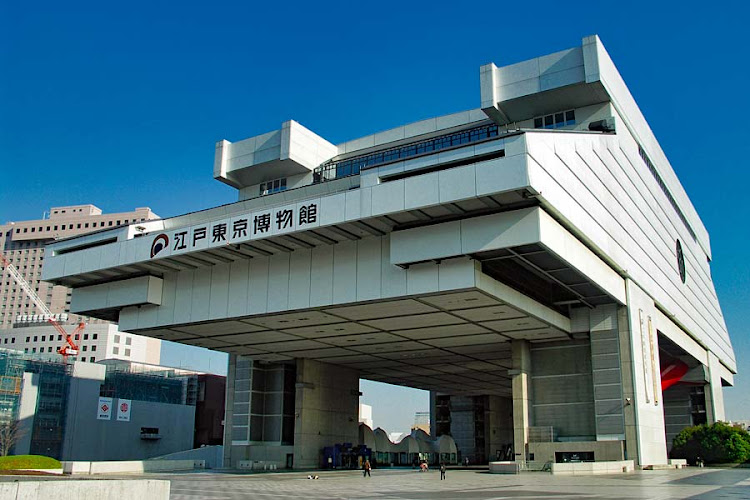
Edo-Tokyo Museum

Tobu Bridge
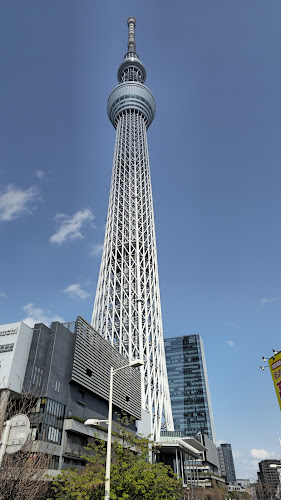
Tokyo Skytree
Find Accommodations Nearby
Recommended Tours & Activities
Visitor Reviews
There are no reviews yet. Be the first one to write one.
Share Your Experience
Have you visited Tobu Museum? Help other travelers by leaving a review.