
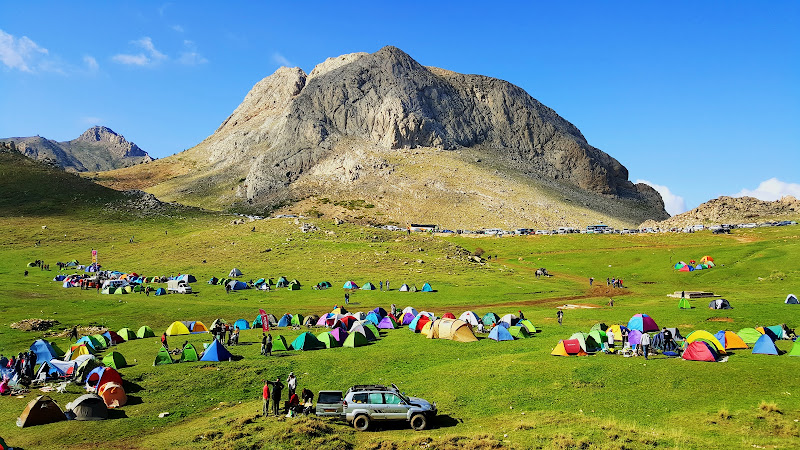
Tikjda National Park
About Tikjda National Park
Description
Tikjda National Park sits on the flanks of the Djurdjura mountains in northern Algeria and is often described by locals as the place where mountain weather likes to keep travelers humble. The park is a broad sweep of cedar and holm oak forests, grassy meadows that roll like patchwork quilts, rocky outcrops, and a small, well-known winter ski area. At roughly 1,478 meters above sea level at the main Tikjda plateau, the place offers wide, dramatic views across the Tell Atlas and, on clear days, a faint haze of the Mediterranean in the distance.
This area is part of the larger Djurdjura National Park system and draws people for several very different reasons. Hikers come for the network of trails through cedar groves and up ridgelines. Families come for accessible picnic sites with tables, barbecue grills and a playground that keeps kids busy while adults stretch their legs. Winter visitors come for the modest but fun ski resort that transforms parts of the landscape into a snow playground. Birders and naturalists come to catch glimpses of raptors such as golden eagles and black vultures, and to look for smaller, fascinating life — from ground beetles to the occasional wild boar. The author has seen hikers pause in near-silence to listen to streams and springs trickling under moss; those little moments linger.
People often find Tikjda surprising: it’s not a pristine, off-the-map wilderness but a working mountain landscape where leisure and local life intersect. There are picnic tables and public restrooms; there’s a small skateboarding area and swings; dogs are allowed and there’s a dog park, so expect to see families and locals enjoying weekend escapes. Accessibility is intentionally considered — there are designated wheelchair accessible entrances and parking — but the trails vary a lot in difficulty and surface. In short, Tikjda is an approachable slice of the Djurdjura mountains that offers everything from easy family days out to multi-day trekking, small-scale skiing, and quiet wildlife watching. It’s a destination that rewards curiosity and a willingness to get a little muddy now and then.
Not every visit is flawless. Facilities can feel basic away from the main plateau, and weekends — especially in summer and during good winter snow — are busier than one might expect. But most people leave with strong memories: kids learning to throw their first snowball, a perfect picnic with panoramic views, or the slow satisfaction of finishing a hill-top loop through cedar trees. The park’s combination of natural scenery, outdoor activities, and simple comforts makes it a dependable classic for travelers exploring Kabylia and the mountains of Algeria.
Key Features
- Extensive hiking trails through cedar forests and across alpine-like meadows — trails range from easy family walks to steeper treks.
- Winter ski resort area that turns parts of Tikjda into a snow sports hub when conditions permit.
- Picnic-friendly spaces with picnic tables, barbecue grills and scenic viewpoints — a highlight for day-trippers.
- Accessible facilities including a wheelchair accessible entrance and wheelchair accessible parking lot at main areas.
- Camp sites for those who want to stay overnight under the stars in a mountain setting.
- Public restrooms and basic visitor amenities near the central plateau.
- Kid-friendly features: playground, swings, safe short hikes and areas suitable for kids’ birthdays or family gatherings.
- Pet-friendly with a dog park and policies that allow dogs (owners should follow leash and clean-up rules).
- Small skateboarding area and other casual recreational amenities for locals and young visitors.
- Wildlife and birdwatching opportunities — look for raptors, diverse flora, and evidence of larger mammals like wild boar.
- Scenic drives and viewpoints along the N33 road and nearby ridgelines with dramatic angles on the Djurdjura mountains.
- Close cultural contact with Kabyle villages and traditional Algerian cuisine available from local stalls and small restaurants outside the park.
Best Time to Visit
Tikjda is a place that changes its character with the seasons, so the best time to visit depends on what the traveler wants to do.
Spring (March to May) is often the most charming. Snow melts, wildflowers push up through the meadows, and the temperature is cool but pleasant — perfect for hikes and picnics. Trails can be damp in places, so waterproof footwear helps. This is also when bird activity is high, and the cedar forests smell sharp and alive.
Summer (June to August) brings warm days and relief from coastal humidity — many people from Algiers and surrounding cities head up to Tikjda to escape the heat. Expect more crowds on weekends. Early mornings are cooler and quieter; late-afternoon thunderstorms are possible in high summer, so it’s wise to monitor the weather.
Autumn (September to November) offers crisp air, reduced crowds, and beautiful color changes in the understory. Hike during daylight hours — evenings cool quickly at altitude.
Winter (December to February) transforms Tikjda into a snow sports area. The ski resort runs on good snow years, and families come for sledding and short ski runs. Roads may be slippery and weather unpredictable; check conditions before traveling. For those who love landscapes blanketed in white, winter is unbeatable — but bring layers, good boots, and patience for slower travel.
How to Get There
Tikjda is most commonly reached from Algiers and regional hubs such as Tizi Ouzou and Bouira. From Algiers it is roughly a 2–3 hour drive depending on traffic and exact start point. The route typically follows main roads that climb into the Tell Atlas and approach the Djurdjura massif along N33 and local connectors. The drive itself is scenic; windows-down mountain air and a few hairpins await — and yes, parts of the mountain road ask for careful driving.
Public transport options exist but require a little coordination. Travelers can take a bus or grand taxi to Tizi Ouzou or Bouira, then switch to a taxi collectif (shared taxi) heading toward the mountain towns and the Tikjda plateau. Expect to ask around at the main bus station for the best times and the exact departure points. Organized day tours and private transfers are available seasonally, especially during peak times or winter ski season — good choices for people who want logistics handled.
Nearest larger airports are in Algiers and regional airports that service the larger Kabylia region. From the airports, renting a car or arranging a transfer is the easiest way to reach Tikjda. Parking is available and the main visitor areas have wheelchair accessible parking spaces, but roadside spots can be crowded in high season.
Tips for Visiting
Practical advice helps make a Tikjda visit better — the park is forgiving but a little preparation goes a long way.
- Pack layers. Mountain weather is famously changeable; mornings can be chilly and midday pleasantly warm. Windproof and waterproof layers are useful year-round.
- Wear sturdy footwear. Trails range from paved paths near picnic areas to rocky, rooty tracks through cedar forests. Good shoes = more fun.
- Bring cash. Small vendors, parking attendants, and rural services often prefer Algerian dinars (DZD). Credit cards are not guaranteed outside larger towns.
- Start early for longer hikes. Daylight shortens quickly in winter and mountain weather can close in. An early start avoids afternoon crowds too.
- Check snow and road conditions in winter. If the plan is skiing or reaching higher passes, confirm local road status — the mountain can close or require chains.
- Respect local culture. Arabic and Kabyle are widely spoken; basic French is also common. Dress modestly when visiting small villages or local businesses.
- Hire a local guide for off-trail routes. Guides can point out glacial lakes, hidden springs and safer circuits — and they know the stories behind place names like Lalla Khedidja.
- Don’t feed wildlife. It’s tempting to toss crumbs to birds or squirrels but that changes animal behavior and can cause trouble.
- Bring a power bank and offline maps. Cell coverage is patchy on remote tracks; offline navigation keeps stress low.
- Use the facilities and leave no trace. Picnic sites have tables and barbecue grills; please take rubbish with you if bins are full. Locals are proud of these landscapes and so should visitors be.
- If traveling with children, take advantage of the playground and short kid-friendly hikes. The park is well set up for family days out, but supervise near cliffs and streams.
- Dog owners should carry waste bags and follow posted leash rules. The dog park is handy, but other trails sometimes require dogs to be on leash.
- Consider weekday visits to avoid heavy weekend crowds. Local families descend on Tikjda at the weekend, especially in summer and good snow conditions.
- Try local food. Small cafés and stalls near the park serve traditional Algerian and Kabyle dishes — hearty stews, flatbreads and strong coffee are useful after a long hike.
To close with a small, personal note from the writer’s perspective — but still in the third person voice: the writer remembers one late spring afternoon when the fog lifted and revealed a jagged line of peaks, hikers laughing in the distance, and a shepherd quietly tending goats on a slope. It felt like a small, perfect patch of the Djurdjura mountains, equal parts stubborn weather and generous views. That balance — the rawness with the comforts — is what makes Tikjda National Park worth the trip. Go prepared, and let the place surprise you.
Key Features
- Djurdjura mountain ridges and limestone cliffs
- Ancient cedar and holm oak forests
- Panoramic viewpoints (e.g., Point de Vue / Lalla Khedidja access)
- Seasonal meadows and wildlife (birdwatching, grazing flocks)
- Accessible trails and nearby Kabyle villages/cultural encounters
More Details
Updated September 2, 2025
Table of Contents
Description
Tikjda National Park sits on the flanks of the Djurdjura mountains in northern Algeria and is often described by locals as the place where mountain weather likes to keep travelers humble. The park is a broad sweep of cedar and holm oak forests, grassy meadows that roll like patchwork quilts, rocky outcrops, and a small, well-known winter ski area. At roughly 1,478 meters above sea level at the main Tikjda plateau, the place offers wide, dramatic views across the Tell Atlas and, on clear days, a faint haze of the Mediterranean in the distance.
This area is part of the larger Djurdjura National Park system and draws people for several very different reasons. Hikers come for the network of trails through cedar groves and up ridgelines. Families come for accessible picnic sites with tables, barbecue grills and a playground that keeps kids busy while adults stretch their legs. Winter visitors come for the modest but fun ski resort that transforms parts of the landscape into a snow playground. Birders and naturalists come to catch glimpses of raptors such as golden eagles and black vultures, and to look for smaller, fascinating life — from ground beetles to the occasional wild boar. The author has seen hikers pause in near-silence to listen to streams and springs trickling under moss; those little moments linger.
People often find Tikjda surprising: it’s not a pristine, off-the-map wilderness but a working mountain landscape where leisure and local life intersect. There are picnic tables and public restrooms; there’s a small skateboarding area and swings; dogs are allowed and there’s a dog park, so expect to see families and locals enjoying weekend escapes. Accessibility is intentionally considered — there are designated wheelchair accessible entrances and parking — but the trails vary a lot in difficulty and surface. In short, Tikjda is an approachable slice of the Djurdjura mountains that offers everything from easy family days out to multi-day trekking, small-scale skiing, and quiet wildlife watching. It’s a destination that rewards curiosity and a willingness to get a little muddy now and then.
Not every visit is flawless. Facilities can feel basic away from the main plateau, and weekends — especially in summer and during good winter snow — are busier than one might expect. But most people leave with strong memories: kids learning to throw their first snowball, a perfect picnic with panoramic views, or the slow satisfaction of finishing a hill-top loop through cedar trees. The park’s combination of natural scenery, outdoor activities, and simple comforts makes it a dependable classic for travelers exploring Kabylia and the mountains of Algeria.
Key Features
- Extensive hiking trails through cedar forests and across alpine-like meadows — trails range from easy family walks to steeper treks.
- Winter ski resort area that turns parts of Tikjda into a snow sports hub when conditions permit.
- Picnic-friendly spaces with picnic tables, barbecue grills and scenic viewpoints — a highlight for day-trippers.
- Accessible facilities including a wheelchair accessible entrance and wheelchair accessible parking lot at main areas.
- Camp sites for those who want to stay overnight under the stars in a mountain setting.
- Public restrooms and basic visitor amenities near the central plateau.
- Kid-friendly features: playground, swings, safe short hikes and areas suitable for kids’ birthdays or family gatherings.
- Pet-friendly with a dog park and policies that allow dogs (owners should follow leash and clean-up rules).
- Small skateboarding area and other casual recreational amenities for locals and young visitors.
- Wildlife and birdwatching opportunities — look for raptors, diverse flora, and evidence of larger mammals like wild boar.
- Scenic drives and viewpoints along the N33 road and nearby ridgelines with dramatic angles on the Djurdjura mountains.
- Close cultural contact with Kabyle villages and traditional Algerian cuisine available from local stalls and small restaurants outside the park.
Best Time to Visit
Tikjda is a place that changes its character with the seasons, so the best time to visit depends on what the traveler wants to do.
Spring (March to May) is often the most charming. Snow melts, wildflowers push up through the meadows, and the temperature is cool but pleasant — perfect for hikes and picnics. Trails can be damp in places, so waterproof footwear helps. This is also when bird activity is high, and the cedar forests smell sharp and alive.
Summer (June to August) brings warm days and relief from coastal humidity — many people from Algiers and surrounding cities head up to Tikjda to escape the heat. Expect more crowds on weekends. Early mornings are cooler and quieter; late-afternoon thunderstorms are possible in high summer, so it’s wise to monitor the weather.
Autumn (September to November) offers crisp air, reduced crowds, and beautiful color changes in the understory. Hike during daylight hours — evenings cool quickly at altitude.
Winter (December to February) transforms Tikjda into a snow sports area. The ski resort runs on good snow years, and families come for sledding and short ski runs. Roads may be slippery and weather unpredictable; check conditions before traveling. For those who love landscapes blanketed in white, winter is unbeatable — but bring layers, good boots, and patience for slower travel.
How to Get There
Tikjda is most commonly reached from Algiers and regional hubs such as Tizi Ouzou and Bouira. From Algiers it is roughly a 2–3 hour drive depending on traffic and exact start point. The route typically follows main roads that climb into the Tell Atlas and approach the Djurdjura massif along N33 and local connectors. The drive itself is scenic; windows-down mountain air and a few hairpins await — and yes, parts of the mountain road ask for careful driving.
Public transport options exist but require a little coordination. Travelers can take a bus or grand taxi to Tizi Ouzou or Bouira, then switch to a taxi collectif (shared taxi) heading toward the mountain towns and the Tikjda plateau. Expect to ask around at the main bus station for the best times and the exact departure points. Organized day tours and private transfers are available seasonally, especially during peak times or winter ski season — good choices for people who want logistics handled.
Nearest larger airports are in Algiers and regional airports that service the larger Kabylia region. From the airports, renting a car or arranging a transfer is the easiest way to reach Tikjda. Parking is available and the main visitor areas have wheelchair accessible parking spaces, but roadside spots can be crowded in high season.
Tips for Visiting
Practical advice helps make a Tikjda visit better — the park is forgiving but a little preparation goes a long way.
- Pack layers. Mountain weather is famously changeable; mornings can be chilly and midday pleasantly warm. Windproof and waterproof layers are useful year-round.
- Wear sturdy footwear. Trails range from paved paths near picnic areas to rocky, rooty tracks through cedar forests. Good shoes = more fun.
- Bring cash. Small vendors, parking attendants, and rural services often prefer Algerian dinars (DZD). Credit cards are not guaranteed outside larger towns.
- Start early for longer hikes. Daylight shortens quickly in winter and mountain weather can close in. An early start avoids afternoon crowds too.
- Check snow and road conditions in winter. If the plan is skiing or reaching higher passes, confirm local road status — the mountain can close or require chains.
- Respect local culture. Arabic and Kabyle are widely spoken; basic French is also common. Dress modestly when visiting small villages or local businesses.
- Hire a local guide for off-trail routes. Guides can point out glacial lakes, hidden springs and safer circuits — and they know the stories behind place names like Lalla Khedidja.
- Don’t feed wildlife. It’s tempting to toss crumbs to birds or squirrels but that changes animal behavior and can cause trouble.
- Bring a power bank and offline maps. Cell coverage is patchy on remote tracks; offline navigation keeps stress low.
- Use the facilities and leave no trace. Picnic sites have tables and barbecue grills; please take rubbish with you if bins are full. Locals are proud of these landscapes and so should visitors be.
- If traveling with children, take advantage of the playground and short kid-friendly hikes. The park is well set up for family days out, but supervise near cliffs and streams.
- Dog owners should carry waste bags and follow posted leash rules. The dog park is handy, but other trails sometimes require dogs to be on leash.
- Consider weekday visits to avoid heavy weekend crowds. Local families descend on Tikjda at the weekend, especially in summer and good snow conditions.
- Try local food. Small cafés and stalls near the park serve traditional Algerian and Kabyle dishes — hearty stews, flatbreads and strong coffee are useful after a long hike.
To close with a small, personal note from the writer’s perspective — but still in the third person voice: the writer remembers one late spring afternoon when the fog lifted and revealed a jagged line of peaks, hikers laughing in the distance, and a shepherd quietly tending goats on a slope. It felt like a small, perfect patch of the Djurdjura mountains, equal parts stubborn weather and generous views. That balance — the rawness with the comforts — is what makes Tikjda National Park worth the trip. Go prepared, and let the place surprise you.
Key Highlights
- Djurdjura mountain ridges and limestone cliffs
- Ancient cedar and holm oak forests
- Panoramic viewpoints (e.g., Point de Vue / Lalla Khedidja access)
- Seasonal meadows and wildlife (birdwatching, grazing flocks)
- Accessible trails and nearby Kabyle villages/cultural encounters
Location
Places to Stay Near Tikjda National Park
Find and Book a Tour
Explore More Travel Guides
No reviews found! Be the first to review!
Traveler Reviews for Tikjda National Park
There are no reviews yet. Be the first one to write one.
Have you visited Tikjda National Park? Help other travelers by sharing your review.
Nearby Attractions
You Might Also Like
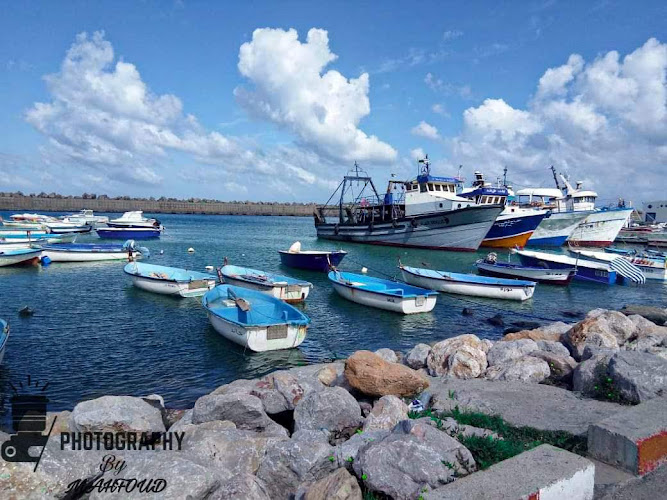
Boumerdès Province
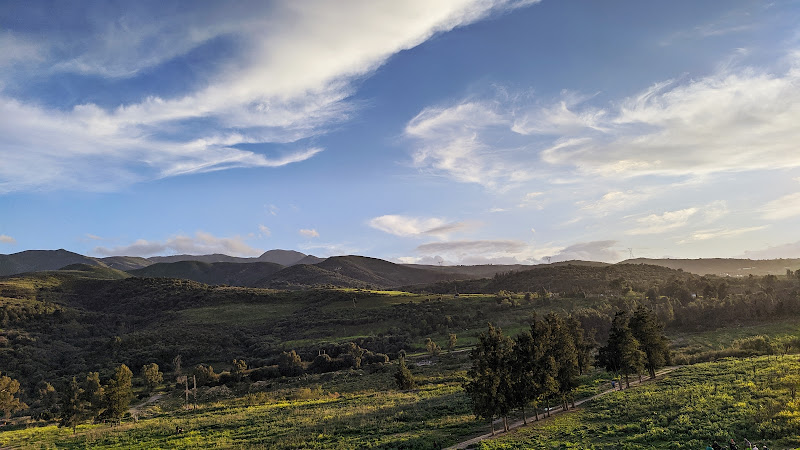
Blida Province

Oum El Bouaghi Province
Find Accommodations Nearby
Recommended Tours & Activities
Visitor Reviews
There are no reviews yet. Be the first one to write one.
Share Your Experience
Have you visited Tikjda National Park? Help other travelers by leaving a review.