Tianya District
About Tianya District
Description
Tianya District sits at the southernmost tip of Hainan Island in China, carved out as a county-level administrative area under Sanya's jurisdiction back in February 2014. Now, I'll be honest with you - when most travelers think of Sanya, they picture pristine beaches and luxury resorts, but Tianya offers something a bit different that often gets overlooked in the standard tourist literature. This relatively young district stretches across a fascinating blend of coastal scenery and inland territories that reveal a side of Hainan many visitors never discover. The name "Tianya" translates to "edge of the sky" or "ends of the earth," which tells you pretty much everything you need to know about its geographical significance. Ancient Chinese poets and exiles used to view this region as the absolute furthest point from the imperial capital - basically the edge of their known world. What struck me most during my time exploring this area was how it manages to maintain a distinct local character despite being part of China's most popular tropical resort city. The district encompasses traditional fishing villages, agricultural communities, and newer developments that showcase Hainan's rapid modernization. You'll find rubber plantations, tropical fruit orchards, and small-scale farming operations right alongside emerging tourist infrastructure. The coastal sections feature dramatic rocky outcrops and beaches that haven't been completely transformed into resort territory yet. And inland, the landscape transitions into gentle hills covered with lush tropical vegetation that stays green year-round. The district administration has been working to balance development with preservation, though like anywhere experiencing rapid growth, it's an ongoing challenge.Key Features
• Authentic Local Villages: The district preserves several traditional Hainanese fishing villages where you can observe daily life that hasn't changed dramatically over generations. These communities offer genuine cultural experiences away from tourist-oriented performances. • Agricultural Heritage: Extensive fruit orchards and agricultural lands produce mangoes, dragon fruit, and other tropical crops. Several farms welcome visitors who want to see how Hainan's famous produce is actually grown. • Coastal Landscapes: Rocky coastlines interspersed with smaller beaches provide alternatives to Sanya's crowded tourist beaches. The geological formations here are quite distinctive, shaped by centuries of wind and wave action. • Local Markets: Traditional wet markets throughout the district sell fresh seafood, tropical fruits, and local specialties at prices that reflect actual local economics rather than tourist premiums. • Emerging Cultural Sites: As a newer administrative district, Tianya has been developing cultural centers and public spaces that showcase Hainanese history and Li minority culture. • Natural Hot Springs: Several natural thermal springs exist in the district's inland areas, though they're not as commercialized as similar attractions in other parts of Sanya. • Temple Complexes: Smaller Buddhist and Taoist temples serve local communities and offer quieter spiritual experiences compared to major tourist temples.Best Time to Visit
Here's where I'm gonna give you the straight truth about timing your visit to Tianya District. The official tourism materials will tell you November through April is perfect, and yeah, they're not wrong - but they're not telling the whole story either. Those winter months from November to February see temperatures hovering between 20-26°C, which is genuinely lovely if you're escaping a northern winter. The humidity drops, skies stay mostly clear, and you'll understand why thousands of Chinese retirees flock to Hainan during this period. But you'll also pay premium prices for everything, and popular areas get legitimately crowded. I actually found March and April more enjoyable for exploring Tianya specifically. The weather's slightly warmer but still comfortable, and you're catching that sweet spot just before the true heat kicks in. Plus, once Chinese New Year holidays end in late February or early March, the crowds thin out considerably while prices drop. Now, May through October is officially the hot and humid season, with typhoon risks from July to September. Most guidebooks basically write off this entire period, which I think is a mistake. Sure, it's hot - temperatures push into the low 30s with high humidity - but Tianya's less developed nature means you're not dealing with heat reflecting off endless concrete like in downtown areas. Early mornings and evenings remain pleasant, and this is actually when the fruit orchards are at their most productive. The summer monsoon season brings dramatic afternoon thunderstorms that cool things down and create spectacular skies. I remember sitting in a small village restaurant watching one of these storms roll in from the sea - it was more entertaining than most tourist attractions. Just check typhoon forecasts carefully and maintain flexible plans from July through September.How to Get There
Getting to Tianya District requires understanding that it's administratively separate but geographically integrated with greater Sanya, which initially confused me too. Don't worry though - it's actually quite straightforward once you know the basics. Most travelers arrive through Sanya Phoenix International Airport, which serves domestic flights from major Chinese cities and increasing numbers of international routes. From the airport, Tianya District is roughly 20-30 kilometers depending on which specific area you're heading toward. Taxis are readily available, though make sure the driver uses the meter or negotiate a fixed price beforehand - somewhere between 60-100 RMB is reasonable for most destinations within the district. The public bus system in Sanya extends throughout Tianya District, and honestly, it's more comprehensive and reliable than I expected. Bus routes 1, 2, and several other numbered lines connect various parts of the district to central Sanya. Fares are incredibly cheap - usually 2-5 RMB per journey - but you'll need cash or a local payment app since foreign cards don't work on most buses. Hainan's high-speed rail network doesn't currently have stations directly within Tianya District's boundaries, though you can reach nearby Sanya Station and then transfer to local transport. The rail connection from Haikou, Hainan's capital, takes about 90 minutes and offers a comfortable way to see the island. For travelers already in Sanya staying at beachfront hotels, ride-hailing apps like Didi work throughout the district and are usually the most convenient option. The apps operate in English to varying degrees of success, but addresses can be input using maps. Rental cars and scooters are available too, though driving in China requires specific licenses and comfort with local traffic patterns.Tips for Visiting
Let me share some practical wisdom I wish someone had told me before I started exploring Tianya District, because it operates quite differently from typical Chinese tourist destinations. First off, language is gonna be your biggest challenge. English signage is sparse outside major tourist zones, and English speakers are rare in local businesses and markets. Download a good translation app that works offline - Google Translate's photo translation feature has saved me countless times when trying to read menus or signs. Better yet, learn a dozen basic Mandarin phrases. The effort gets appreciated, and you'll have better interactions with locals. Cash remains important here despite China's digital payment revolution. While most establishments accept WeChat Pay or Alipay, foreign visitors often struggle to set up these services properly. Bring enough RMB cash, especially if you're visiting markets or smaller villages. ATMs are less common than in downtown Sanya, so plan accordingly. The food situation deserves special mention. Local restaurants in Tianya serve authentic Hainanese cuisine at prices that'll shock you if you're coming from tourist areas - we're talking full meals for 20-30 RMB per person. But menus are almost exclusively in Chinese, and ingredients might include things not typically found in Western diets. Point at what other diners are eating, or look for restaurants with picture menus. The seafood is exceptionally fresh since fishing boats come in daily. Sun protection isn't optional - it's mandatory. The tropical sun at this latitude is intense even on cloudy days. I learned this the hard way during my first visit and spent two days looking like a lobster. High SPF sunscreen, a hat, and light long-sleeve shirts make exploring much more comfortable. Transportation timing matters more than you'd think. Local buses run less frequently than in urban areas, sometimes with 30-45 minute gaps between services. Check schedules and plan accordingly rather than assuming a bus will come soon. That said, the buses provide wonderful people-watching opportunities and connect you with daily life in ways taxis never will. Respect for local customs goes a long way. Tianya has working communities where people are living their lives, not performing for tourists. Ask before photographing people, dress modestly when visiting temples, and remember that you're a guest in someone's home district. I've found that showing genuine interest and respect opens doors - literally sometimes - to experiences you won't find in any guidebook. The district's developing nature means infrastructure can be inconsistent. Internet connections might be slower, accommodation options are more limited, and Western amenities are scarce. But this is precisely what makes Tianya interesting. You're seeing Hainan in transition, experiencing something more genuine than manufactured tourist attractions. Finally, keep your expectations flexible. Roads might be under construction, businesses may close unexpectedly, and things rarely run exactly on schedule. This isn't incompetence - it's just how things work in rapidly developing areas. The travelers who enjoy Tianya most are those who embrace the uncertainty and see it as part of the adventure rather than an inconvenience.Key Features
- Tianya Haijiao scenic coastline with inscribed boulders and symbolic rocks
- Mix of sandy beaches and dramatic volcanic/rocky headlands
- Close proximity to central Sanya — easy day-trip access
- Local seafood markets and small fishing-village atmosphere
- Sunrise and sunset photography opportunities and coastal boardwalks
More Details
Updated March 30, 2026
Table of Contents
Description
Tianya District sits at the southernmost tip of Hainan Island in China, carved out as a county-level administrative area under Sanya’s jurisdiction back in February 2014. Now, I’ll be honest with you – when most travelers think of Sanya, they picture pristine beaches and luxury resorts, but Tianya offers something a bit different that often gets overlooked in the standard tourist literature.
This relatively young district stretches across a fascinating blend of coastal scenery and inland territories that reveal a side of Hainan many visitors never discover. The name “Tianya” translates to “edge of the sky” or “ends of the earth,” which tells you pretty much everything you need to know about its geographical significance. Ancient Chinese poets and exiles used to view this region as the absolute furthest point from the imperial capital – basically the edge of their known world.
What struck me most during my time exploring this area was how it manages to maintain a distinct local character despite being part of China’s most popular tropical resort city. The district encompasses traditional fishing villages, agricultural communities, and newer developments that showcase Hainan’s rapid modernization. You’ll find rubber plantations, tropical fruit orchards, and small-scale farming operations right alongside emerging tourist infrastructure.
The coastal sections feature dramatic rocky outcrops and beaches that haven’t been completely transformed into resort territory yet. And inland, the landscape transitions into gentle hills covered with lush tropical vegetation that stays green year-round. The district administration has been working to balance development with preservation, though like anywhere experiencing rapid growth, it’s an ongoing challenge.
Key Features
• Authentic Local Villages: The district preserves several traditional Hainanese fishing villages where you can observe daily life that hasn’t changed dramatically over generations. These communities offer genuine cultural experiences away from tourist-oriented performances.
• Agricultural Heritage: Extensive fruit orchards and agricultural lands produce mangoes, dragon fruit, and other tropical crops. Several farms welcome visitors who want to see how Hainan’s famous produce is actually grown.
• Coastal Landscapes: Rocky coastlines interspersed with smaller beaches provide alternatives to Sanya’s crowded tourist beaches. The geological formations here are quite distinctive, shaped by centuries of wind and wave action.
• Local Markets: Traditional wet markets throughout the district sell fresh seafood, tropical fruits, and local specialties at prices that reflect actual local economics rather than tourist premiums.
• Emerging Cultural Sites: As a newer administrative district, Tianya has been developing cultural centers and public spaces that showcase Hainanese history and Li minority culture.
• Natural Hot Springs: Several natural thermal springs exist in the district’s inland areas, though they’re not as commercialized as similar attractions in other parts of Sanya.
• Temple Complexes: Smaller Buddhist and Taoist temples serve local communities and offer quieter spiritual experiences compared to major tourist temples.
Best Time to Visit
Here’s where I’m gonna give you the straight truth about timing your visit to Tianya District. The official tourism materials will tell you November through April is perfect, and yeah, they’re not wrong – but they’re not telling the whole story either.
Those winter months from November to February see temperatures hovering between 20-26°C, which is genuinely lovely if you’re escaping a northern winter. The humidity drops, skies stay mostly clear, and you’ll understand why thousands of Chinese retirees flock to Hainan during this period. But you’ll also pay premium prices for everything, and popular areas get legitimately crowded.
I actually found March and April more enjoyable for exploring Tianya specifically. The weather’s slightly warmer but still comfortable, and you’re catching that sweet spot just before the true heat kicks in. Plus, once Chinese New Year holidays end in late February or early March, the crowds thin out considerably while prices drop.
Now, May through October is officially the hot and humid season, with typhoon risks from July to September. Most guidebooks basically write off this entire period, which I think is a mistake. Sure, it’s hot – temperatures push into the low 30s with high humidity – but Tianya’s less developed nature means you’re not dealing with heat reflecting off endless concrete like in downtown areas. Early mornings and evenings remain pleasant, and this is actually when the fruit orchards are at their most productive.
The summer monsoon season brings dramatic afternoon thunderstorms that cool things down and create spectacular skies. I remember sitting in a small village restaurant watching one of these storms roll in from the sea – it was more entertaining than most tourist attractions. Just check typhoon forecasts carefully and maintain flexible plans from July through September.
How to Get There
Getting to Tianya District requires understanding that it’s administratively separate but geographically integrated with greater Sanya, which initially confused me too. Don’t worry though – it’s actually quite straightforward once you know the basics.
Most travelers arrive through Sanya Phoenix International Airport, which serves domestic flights from major Chinese cities and increasing numbers of international routes. From the airport, Tianya District is roughly 20-30 kilometers depending on which specific area you’re heading toward. Taxis are readily available, though make sure the driver uses the meter or negotiate a fixed price beforehand – somewhere between 60-100 RMB is reasonable for most destinations within the district.
The public bus system in Sanya extends throughout Tianya District, and honestly, it’s more comprehensive and reliable than I expected. Bus routes 1, 2, and several other numbered lines connect various parts of the district to central Sanya. Fares are incredibly cheap – usually 2-5 RMB per journey – but you’ll need cash or a local payment app since foreign cards don’t work on most buses.
Hainan’s high-speed rail network doesn’t currently have stations directly within Tianya District’s boundaries, though you can reach nearby Sanya Station and then transfer to local transport. The rail connection from Haikou, Hainan’s capital, takes about 90 minutes and offers a comfortable way to see the island.
For travelers already in Sanya staying at beachfront hotels, ride-hailing apps like Didi work throughout the district and are usually the most convenient option. The apps operate in English to varying degrees of success, but addresses can be input using maps. Rental cars and scooters are available too, though driving in China requires specific licenses and comfort with local traffic patterns.
Tips for Visiting
Let me share some practical wisdom I wish someone had told me before I started exploring Tianya District, because it operates quite differently from typical Chinese tourist destinations.
First off, language is gonna be your biggest challenge. English signage is sparse outside major tourist zones, and English speakers are rare in local businesses and markets. Download a good translation app that works offline – Google Translate’s photo translation feature has saved me countless times when trying to read menus or signs. Better yet, learn a dozen basic Mandarin phrases. The effort gets appreciated, and you’ll have better interactions with locals.
Cash remains important here despite China’s digital payment revolution. While most establishments accept WeChat Pay or Alipay, foreign visitors often struggle to set up these services properly. Bring enough RMB cash, especially if you’re visiting markets or smaller villages. ATMs are less common than in downtown Sanya, so plan accordingly.
The food situation deserves special mention. Local restaurants in Tianya serve authentic Hainanese cuisine at prices that’ll shock you if you’re coming from tourist areas – we’re talking full meals for 20-30 RMB per person. But menus are almost exclusively in Chinese, and ingredients might include things not typically found in Western diets. Point at what other diners are eating, or look for restaurants with picture menus. The seafood is exceptionally fresh since fishing boats come in daily.
Sun protection isn’t optional – it’s mandatory. The tropical sun at this latitude is intense even on cloudy days. I learned this the hard way during my first visit and spent two days looking like a lobster. High SPF sunscreen, a hat, and light long-sleeve shirts make exploring much more comfortable.
Transportation timing matters more than you’d think. Local buses run less frequently than in urban areas, sometimes with 30-45 minute gaps between services. Check schedules and plan accordingly rather than assuming a bus will come soon. That said, the buses provide wonderful people-watching opportunities and connect you with daily life in ways taxis never will.
Respect for local customs goes a long way. Tianya has working communities where people are living their lives, not performing for tourists. Ask before photographing people, dress modestly when visiting temples, and remember that you’re a guest in someone’s home district. I’ve found that showing genuine interest and respect opens doors – literally sometimes – to experiences you won’t find in any guidebook.
The district’s developing nature means infrastructure can be inconsistent. Internet connections might be slower, accommodation options are more limited, and Western amenities are scarce. But this is precisely what makes Tianya interesting. You’re seeing Hainan in transition, experiencing something more genuine than manufactured tourist attractions.
Finally, keep your expectations flexible. Roads might be under construction, businesses may close unexpectedly, and things rarely run exactly on schedule. This isn’t incompetence – it’s just how things work in rapidly developing areas. The travelers who enjoy Tianya most are those who embrace the uncertainty and see it as part of the adventure rather than an inconvenience.
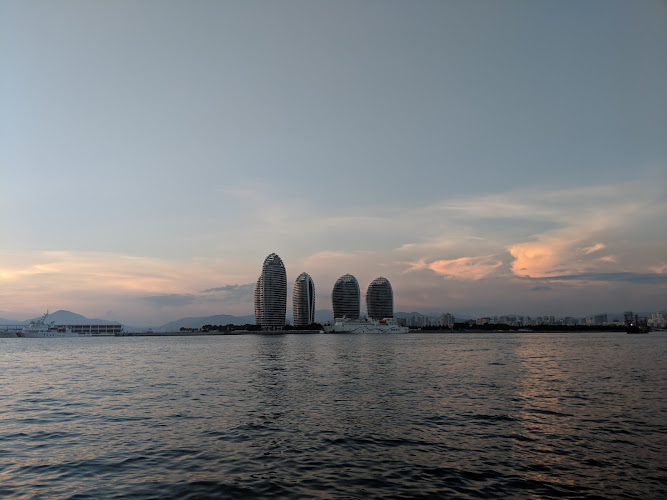
Key Highlights
- Tianya Haijiao scenic coastline with inscribed boulders and symbolic rocks
- Mix of sandy beaches and dramatic volcanic/rocky headlands
- Close proximity to central Sanya — easy day-trip access
- Local seafood markets and small fishing-village atmosphere
- Sunrise and sunset photography opportunities and coastal boardwalks
Location
Places to Stay Near Tianya District
Find and Book a Tour
Explore More Travel Guides
No reviews found! Be the first to review!
Tianya District is a prominent Attractions located in Sanya.
Traveler Reviews for Tianya District
There are no reviews yet. Be the first one to write one.
Have you visited Tianya District? Help other travelers by sharing your review.
Nearby Attractions
Find Accommodations Nearby
Recommended Tours & Activities
Visitor Reviews
There are no reviews yet. Be the first one to write one.
Share Your Experience
Have you visited Tianya District? Help other travelers by leaving a review.
