Dadonghai
About Dadonghai
Description
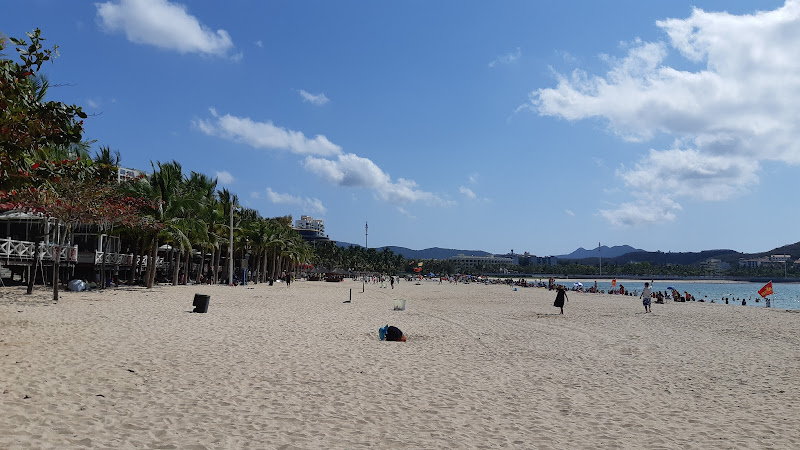
Dadonghai Beach sits along Sanya's coastline on China's southernmost island of Hainan, and honestly, it's become one of those places that people either stumble upon by accident or hear about through word-of-mouth from other travelers. The crescent-shaped bay stretches for about a kilometer, and what makes it different from some of the other beaches in the region is how accessible everything feels. You won't find yourself hiking down cliffs or navigating through complicated paths – it's right there, welcoming you with open arms. The beach gets its fair share of visitors, sure, but there's something about the atmosphere here that keeps drawing people back. Maybe it's the way the South China Sea laps against the shore with a gentle persistence, or how the palm trees seem to frame everything just right without looking overly manicured. I remember talking to a couple from Shanghai who'd been coming here for five years straight, and they said what kept them returning wasn't just the sand or the water – it was the feeling of being somewhere that hadn't completely lost its soul to tourism, even though tourism is definitely present. The development around Dadonghai has grown over the years, with hotels and restaurants lining the beachfront, but the beach itself maintains a certain charm that's hard to articulate. During early mornings, you'll spot locals doing their exercises along the shore, practicing tai chi or just taking their constitutional walks. By mid-morning, families start arriving with their beach gear, and the whole scene transforms into something more lively without becoming overwhelming. What strikes most visitors is the water quality and the gradual slope of the seabed. You can wade out quite a distance before the water reaches your shoulders, which makes it particularly appealing for families with younger children or anyone who's not exactly an Olympic swimmer. The sand isn't the powdery white stuff you'd find in the Maldives, but it's soft enough under your feet and has a pleasant golden hue that photographs beautifully in late afternoon light.Key Features
The defining characteristics of Dadonghai make it stand out among Sanya's coastal offerings: • Swimmable waters year-round thanks to Hainan's tropical climate, with the bay's protected position creating calmer conditions than some exposed beaches • Water sports facilities scattered along the beach, including parasailing, jet skiing, and banana boat rides for those who prefer their beach time with an adrenaline kick • Beachfront promenade perfect for evening strolls, lined with casual dining spots and small vendors selling everything from fresh coconuts to beach accessories • Public facilities including showers and changing rooms, which sounds basic but trust me, after a day in saltwater, you'll appreciate having somewhere decent to rinse off • Proximity to accommodation options ranging from budget guesthouses to upscale resorts, all within walking distance of the sand • Local massage services offered by vendors along the beach – usually elderly women with strong hands who'll work out those travel knots for a reasonable price • Night swimming opportunities, as the beach remains accessible after dark and the water stays warm enough for comfortable dips • Relatively shallow waters extending far from shore, creating a natural wading area that's safer than beaches with sudden drop-offs • Mix of local and international visitors creating an interesting cultural atmosphere where you might hear Mandarin, Russian, and English all within earshot • Food options ranging from simple beach snacks to proper sit-down meals at nearby restaurants serving fresh seafoodBest Time to Visit
Timing your visit to Dadonghai requires thinking about what you're willing to tolerate because, let's be real, there's no perfect moment when everything aligns flawlessly. But there are definitely better windows than others. October through December represents what many consider the sweet spot. The oppressive summer heat has backed off, typhoon season is wrapping up, and you get these beautiful sunny days without feeling like you're melting into the sand. Temperatures hover around 25-28 degrees Celsius, and the water remains warm enough that you won't hesitate before diving in. The only downside? Everyone else has figured this out too, so prices for accommodation tend to spike during this period. January and February bring Chinese New Year, and this is when Dadonghai transforms completely. If you're interested in experiencing the beach alongside thousands of Chinese families on holiday, go for it – it's actually quite fascinating from a cultural perspective. But if you're seeking tranquility and space to spread out your beach towel without bumping into your neighbor, maybe skip these months. The weather stays pleasant though, rarely dropping below 20 degrees. March through May offers another comfortable window before summer's intensity arrives. You'll find reasonable prices and moderate crowds, though May starts edging toward the hot season. The water clarity during spring can be exceptional, and you might catch some of the best conditions for underwater photography if that's your thing. Summer months from June through September? Well, this is when things get interesting. Temperatures soar into the 30s, humidity makes everything feel sticky, and typhoons become a real possibility. But here's the thing – if you can handle the heat and don't mind checking weather forecasts obsessively, you'll find rock-bottom prices and significantly fewer tourists. Some people actually prefer this, claiming they get the beach almost to themselves on weekdays. The absolute worst time would probably be during an actual typhoon, obviously, but beyond that, it really depends on your tolerance for heat, crowds, and your budget constraints.How to Get There
Getting yourself to Dadonghai isn't complicated, which is part of its appeal. Sanya Phoenix International Airport serves as your primary gateway, and from there, you've got several options depending on your budget and patience level. Taxis from the airport take roughly 30-40 minutes depending on traffic, and you're looking at around 50-70 RMB for the journey. Make sure the driver uses the meter or agree on a price beforehand – this is just standard travel common sense, but worth mentioning because airport taxi situations can get weird anywhere in the world. Some hotels offer airport pickup services, which removes the haggling element entirely if you prefer that approach. Public buses run regularly between the airport and Dadonghai, specifically routes 8 and 27. They're cheap – we're talking just a few RMB per person – but they take longer and require you to navigate with your luggage. If you're traveling light and enjoy local transportation experiences, this works fine. If you've packed like you're moving permanently, maybe spring for the taxi. Within Sanya itself, Dadonghai occupies a central position between Sanya Bay and Yalong Bay. From downtown Sanya, you can reach the beach via multiple bus routes or a quick taxi ride costing maybe 20 RMB. Many visitors actually choose to base themselves in Dadonghai specifically because it offers easier access to other parts of Sanya compared to the more isolated resort areas. If you're already in other parts of Hainan, the high-speed train network connects major cities to Sanya, and from Sanya's train station, you can grab a taxi or bus to Dadonghai. The train journey from Haikou (the capital) takes about 90 minutes, which beats driving by a significant margin. Walking becomes your primary mode of transportation once you're in the Dadonghai area. Everything sits within reasonable walking distance – the beach, restaurants, convenience stores, and most hotels. This walkability factor makes it particularly appealing for travelers who dislike constantly organizing transportation.Tips for Visiting
After hearing stories from various travelers and reflecting on the practical realities of beach destinations, here are some suggestions that'll make your Dadonghai experience smoother. Bring or buy reef shoes before you arrive. The sand is generally fine, but certain areas have shells and the occasional sharp bit that'll remind you why footwear exists. Plus, if you venture into rockier sections, you'll thank yourself for having protection. Negotiation is expected with beach vendors. That massage, those beach chairs, the fruit – the first price quoted is rarely the final price. But keep it friendly. There's a difference between negotiating and being that tourist who argues over 5 RMB like their life depends on it. Sun protection matters more than you think. Hainan sits at a tropical latitude where the sun has opinions about your skin, and those opinions are harsh. Even on cloudy days, UV rays are doing their work. Reapply sunscreen more frequently than the bottle suggests, especially after swimming. Secure your belongings or don't bring valuables to the beach. While Dadonghai isn't particularly known for theft, leaving your phone and wallet unattended while you swim is just asking for disappointment. Many hotels provide safes – use them. Timing your beach visits around meal times can enhance the experience. The beach is quietest during lunch hours when Chinese tourists often retreat for their meals, and again during dinner time. If you prefer space, these windows offer breathing room. Try the local seafood but choose restaurants carefully. The beachfront places often charge premium prices for mediocre quality. Walk a street or two inland where locals actually eat, and you'll find better food at better prices. And don't be afraid to point at what other diners are eating if the menu confuses you. Evening visits offer a completely different atmosphere than daytime. The beach transforms after sunset, with cooler temperatures and a more relaxed vibe. Some of my best beach memories happen after dark when the day-trippers have left and it's just the sound of waves and distant conversations. Learn a few basic Mandarin phrases. English isn't widely spoken outside major hotels, and even simple words like "hello" (nǐ hǎo) and "thank you" (xiè xie) create noticeably warmer interactions. The Google Translate app works when you've got internet, but nothing beats making that human connection through language effort. Stay hydrated beyond what feels necessary. Between the sun, humidity, and saltwater, your body loses water faster than you realize. Those coconut vendors aren't just scenic – fresh coconut water is actually an excellent hydration option. Check water conditions before swimming, particularly during transition seasons. While Dadonghai's bay provides some protection, occasional undercurrents or choppy conditions do occur. If locals aren't swimming, there's probably a reason. Consider visiting on weekdays if your schedule allows flexibility. Weekends bring more local visitors, which is great for people-watching but less ideal for securing prime beach spots or enjoying quieter swimming conditions. Respect local customs regarding beachwear. While swimwear is obviously acceptable on the beach, wandering into nearby restaurants or shops in just your bikini or board shorts is considered inappropriate. Throw on a cover-up or shirt when leaving the immediate beach area. And honestly? Lower your expectations just a tiny bit. Dadonghai is lovely, but it's not some undiscovered paradise that travel magazines breathlessly describe. It's a pleasant, accessible beach with good infrastructure and reliable swimming conditions. Sometimes the best experiences come when we're not chasing perfection but simply enjoying what's actually in front of us.Key Features
- Key Features
- Best Time to Visit
- How to Get There
- Tips for Visiting
More Details
Updated March 30, 2026
Table of Contents
Description
Dadonghai Beach sits along Sanya’s coastline on China’s southernmost island of Hainan, and honestly, it’s become one of those places that people either stumble upon by accident or hear about through word-of-mouth from other travelers. The crescent-shaped bay stretches for about a kilometer, and what makes it different from some of the other beaches in the region is how accessible everything feels. You won’t find yourself hiking down cliffs or navigating through complicated paths – it’s right there, welcoming you with open arms.
The beach gets its fair share of visitors, sure, but there’s something about the atmosphere here that keeps drawing people back. Maybe it’s the way the South China Sea laps against the shore with a gentle persistence, or how the palm trees seem to frame everything just right without looking overly manicured. I remember talking to a couple from Shanghai who’d been coming here for five years straight, and they said what kept them returning wasn’t just the sand or the water – it was the feeling of being somewhere that hadn’t completely lost its soul to tourism, even though tourism is definitely present.
The development around Dadonghai has grown over the years, with hotels and restaurants lining the beachfront, but the beach itself maintains a certain charm that’s hard to articulate. During early mornings, you’ll spot locals doing their exercises along the shore, practicing tai chi or just taking their constitutional walks. By mid-morning, families start arriving with their beach gear, and the whole scene transforms into something more lively without becoming overwhelming.
What strikes most visitors is the water quality and the gradual slope of the seabed. You can wade out quite a distance before the water reaches your shoulders, which makes it particularly appealing for families with younger children or anyone who’s not exactly an Olympic swimmer. The sand isn’t the powdery white stuff you’d find in the Maldives, but it’s soft enough under your feet and has a pleasant golden hue that photographs beautifully in late afternoon light.
Key Features
The defining characteristics of Dadonghai make it stand out among Sanya’s coastal offerings:
• Swimmable waters year-round thanks to Hainan’s tropical climate, with the bay’s protected position creating calmer conditions than some exposed beaches
• Water sports facilities scattered along the beach, including parasailing, jet skiing, and banana boat rides for those who prefer their beach time with an adrenaline kick
• Beachfront promenade perfect for evening strolls, lined with casual dining spots and small vendors selling everything from fresh coconuts to beach accessories
• Public facilities including showers and changing rooms, which sounds basic but trust me, after a day in saltwater, you’ll appreciate having somewhere decent to rinse off
• Proximity to accommodation options ranging from budget guesthouses to upscale resorts, all within walking distance of the sand
• Local massage services offered by vendors along the beach – usually elderly women with strong hands who’ll work out those travel knots for a reasonable price
• Night swimming opportunities, as the beach remains accessible after dark and the water stays warm enough for comfortable dips
• Relatively shallow waters extending far from shore, creating a natural wading area that’s safer than beaches with sudden drop-offs
• Mix of local and international visitors creating an interesting cultural atmosphere where you might hear Mandarin, Russian, and English all within earshot
• Food options ranging from simple beach snacks to proper sit-down meals at nearby restaurants serving fresh seafood
Best Time to Visit
Timing your visit to Dadonghai requires thinking about what you’re willing to tolerate because, let’s be real, there’s no perfect moment when everything aligns flawlessly. But there are definitely better windows than others.
October through December represents what many consider the sweet spot. The oppressive summer heat has backed off, typhoon season is wrapping up, and you get these beautiful sunny days without feeling like you’re melting into the sand. Temperatures hover around 25-28 degrees Celsius, and the water remains warm enough that you won’t hesitate before diving in. The only downside? Everyone else has figured this out too, so prices for accommodation tend to spike during this period.
January and February bring Chinese New Year, and this is when Dadonghai transforms completely. If you’re interested in experiencing the beach alongside thousands of Chinese families on holiday, go for it – it’s actually quite fascinating from a cultural perspective. But if you’re seeking tranquility and space to spread out your beach towel without bumping into your neighbor, maybe skip these months. The weather stays pleasant though, rarely dropping below 20 degrees.
March through May offers another comfortable window before summer’s intensity arrives. You’ll find reasonable prices and moderate crowds, though May starts edging toward the hot season. The water clarity during spring can be exceptional, and you might catch some of the best conditions for underwater photography if that’s your thing.
Summer months from June through September? Well, this is when things get interesting. Temperatures soar into the 30s, humidity makes everything feel sticky, and typhoons become a real possibility. But here’s the thing – if you can handle the heat and don’t mind checking weather forecasts obsessively, you’ll find rock-bottom prices and significantly fewer tourists. Some people actually prefer this, claiming they get the beach almost to themselves on weekdays.
The absolute worst time would probably be during an actual typhoon, obviously, but beyond that, it really depends on your tolerance for heat, crowds, and your budget constraints.
How to Get There
Getting yourself to Dadonghai isn’t complicated, which is part of its appeal. Sanya Phoenix International Airport serves as your primary gateway, and from there, you’ve got several options depending on your budget and patience level.
Taxis from the airport take roughly 30-40 minutes depending on traffic, and you’re looking at around 50-70 RMB for the journey. Make sure the driver uses the meter or agree on a price beforehand – this is just standard travel common sense, but worth mentioning because airport taxi situations can get weird anywhere in the world. Some hotels offer airport pickup services, which removes the haggling element entirely if you prefer that approach.
Public buses run regularly between the airport and Dadonghai, specifically routes 8 and 27. They’re cheap – we’re talking just a few RMB per person – but they take longer and require you to navigate with your luggage. If you’re traveling light and enjoy local transportation experiences, this works fine. If you’ve packed like you’re moving permanently, maybe spring for the taxi.
Within Sanya itself, Dadonghai occupies a central position between Sanya Bay and Yalong Bay. From downtown Sanya, you can reach the beach via multiple bus routes or a quick taxi ride costing maybe 20 RMB. Many visitors actually choose to base themselves in Dadonghai specifically because it offers easier access to other parts of Sanya compared to the more isolated resort areas.
If you’re already in other parts of Hainan, the high-speed train network connects major cities to Sanya, and from Sanya’s train station, you can grab a taxi or bus to Dadonghai. The train journey from Haikou (the capital) takes about 90 minutes, which beats driving by a significant margin.
Walking becomes your primary mode of transportation once you’re in the Dadonghai area. Everything sits within reasonable walking distance – the beach, restaurants, convenience stores, and most hotels. This walkability factor makes it particularly appealing for travelers who dislike constantly organizing transportation.
Tips for Visiting
After hearing stories from various travelers and reflecting on the practical realities of beach destinations, here are some suggestions that’ll make your Dadonghai experience smoother.
Bring or buy reef shoes before you arrive. The sand is generally fine, but certain areas have shells and the occasional sharp bit that’ll remind you why footwear exists. Plus, if you venture into rockier sections, you’ll thank yourself for having protection.
Negotiation is expected with beach vendors. That massage, those beach chairs, the fruit – the first price quoted is rarely the final price. But keep it friendly. There’s a difference between negotiating and being that tourist who argues over 5 RMB like their life depends on it.
Sun protection matters more than you think. Hainan sits at a tropical latitude where the sun has opinions about your skin, and those opinions are harsh. Even on cloudy days, UV rays are doing their work. Reapply sunscreen more frequently than the bottle suggests, especially after swimming.
Secure your belongings or don’t bring valuables to the beach. While Dadonghai isn’t particularly known for theft, leaving your phone and wallet unattended while you swim is just asking for disappointment. Many hotels provide safes – use them.
Timing your beach visits around meal times can enhance the experience. The beach is quietest during lunch hours when Chinese tourists often retreat for their meals, and again during dinner time. If you prefer space, these windows offer breathing room.
Try the local seafood but choose restaurants carefully. The beachfront places often charge premium prices for mediocre quality. Walk a street or two inland where locals actually eat, and you’ll find better food at better prices. And don’t be afraid to point at what other diners are eating if the menu confuses you.
Evening visits offer a completely different atmosphere than daytime. The beach transforms after sunset, with cooler temperatures and a more relaxed vibe. Some of my best beach memories happen after dark when the day-trippers have left and it’s just the sound of waves and distant conversations.
Learn a few basic Mandarin phrases. English isn’t widely spoken outside major hotels, and even simple words like “hello” (nǐ hǎo) and “thank you” (xiè xie) create noticeably warmer interactions. The Google Translate app works when you’ve got internet, but nothing beats making that human connection through language effort.
Stay hydrated beyond what feels necessary. Between the sun, humidity, and saltwater, your body loses water faster than you realize. Those coconut vendors aren’t just scenic – fresh coconut water is actually an excellent hydration option.
Check water conditions before swimming, particularly during transition seasons. While Dadonghai’s bay provides some protection, occasional undercurrents or choppy conditions do occur. If locals aren’t swimming, there’s probably a reason.
Consider visiting on weekdays if your schedule allows flexibility. Weekends bring more local visitors, which is great for people-watching but less ideal for securing prime beach spots or enjoying quieter swimming conditions.
Respect local customs regarding beachwear. While swimwear is obviously acceptable on the beach, wandering into nearby restaurants or shops in just your bikini or board shorts is considered inappropriate. Throw on a cover-up or shirt when leaving the immediate beach area.
And honestly? Lower your expectations just a tiny bit. Dadonghai is lovely, but it’s not some undiscovered paradise that travel magazines breathlessly describe. It’s a pleasant, accessible beach with good infrastructure and reliable swimming conditions. Sometimes the best experiences come when we’re not chasing perfection but simply enjoying what’s actually in front of us.
Key Highlights
- Key Features
- Best Time to Visit
- How to Get There
- Tips for Visiting
Location
Places to Stay Near Dadonghai
Find and Book a Tour
Explore More Travel Guides
No reviews found! Be the first to review!
Dadonghai is a prominent Attractions located in Sanya.
Traveler Reviews for Dadonghai
There are no reviews yet. Be the first one to write one.
Have you visited Dadonghai? Help other travelers by sharing your review.
Find Accommodations Nearby
Recommended Tours & Activities
Visitor Reviews
There are no reviews yet. Be the first one to write one.
Share Your Experience
Have you visited Dadonghai? Help other travelers by leaving a review.
