About Yalong Bay National Tourism Holiday Resort

Description

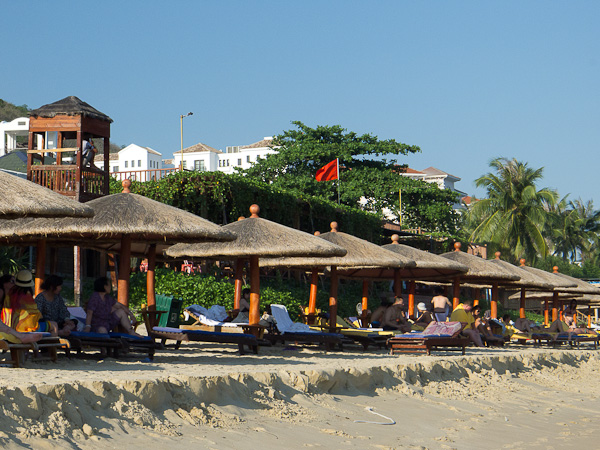
Yalong Bay National Tourism Holiday Resort stands as one of China's premier beach destinations, stretching along seven and a half kilometers of pristine coastline in Sanya, Hainan Province. I've spent considerable time researching coastal resorts throughout Asia, and this particular stretch of sand genuinely deserves its reputation as one of the most beautiful beaches in the country. The water here maintains a crystal-clear turquoise quality that you don't often find in heavily developed tourist areas, which honestly surprised me when I first learned about it. The resort area encompasses much more than just a single property - it's actually an entire tourism zone packed with luxury hotels, recreational facilities, and natural attractions. What makes this place special is how developers managed to preserve the natural beauty while creating world-class tourist infrastructure. The bay's crescent shape creates a natural shelter that keeps the waters calm and perfect for swimming year-round, which is pretty rare when you think about it. Temperature-wise, the tropical climate means you're looking at warm weather throughout the year, with sea temperatures that rarely dip below comfortable swimming conditions. The surrounding landscape features lush tropical vegetation and coral reefs that attract snorkelers and divers from around the world. And the beach itself? That powdery white sand isn't just marketing talk - it's genuinely soft underfoot and stretches wide enough that even during peak season, you can find your own space. The resort zone caters primarily to travelers seeking upscale beach vacations with all the amenities you'd expect from a modern tropical destination. You'll find everything from spa treatments to water sports facilities, golf courses to fine dining establishments. But what really sets Yalong Bay apart from other beach resorts is its microclimate - the area receives less rainfall than other parts of Sanya, which means more sunny days for your vacation.

Key Features

The appeal of Yalong Bay National Tourism Holiday Resort extends far beyond its picturesque shoreline. Here's what makes this destination worth considering for your next tropical getaway:
  • Seven and a half kilometers of uninterrupted white sand beach with some of the clearest water you'll find in China
  • Coral reef ecosystems located close to shore that make for accessible snorkeling and diving experiences
  • Consistently warm water temperatures averaging between 25-28 degrees Celsius throughout most of the year
  • Multiple five-star hotel properties lined along the beach, each offering direct beach access
  • Professional water sports centers providing equipment and instruction for activities like jet skiing, parasailing, and banana boat rides
  • Yalong Bay Tropical Paradise Forest Park positioned on the hills behind the beach, offering hiking trails and panoramic viewpoints
  • The Underwater World aquarium showcasing marine life from the South China Sea
  • Championship golf courses designed by internationally renowned architects
  • Luxury spa facilities incorporating traditional Chinese medicine treatments with modern wellness practices
  • Shopping centers and markets selling everything from designer goods to local handicrafts
  • Multiple beach bars and restaurants serving fresh seafood caught daily from local waters
  • Family-friendly shallow swimming areas protected from strong currents
  • Conference and event facilities making it popular for destination weddings and corporate retreats

Best Time to Visit

Timing your visit to Yalong Bay can make a significant difference in your experience, though honestly, the weather here stays pretty reliable compared to many beach destinations. The optimal window falls between November and April when you'll encounter the driest conditions and most comfortable temperatures. During these months, you're looking at daytime temps hovering around 24-28 degrees Celsius with minimal rainfall and lower humidity levels. I always tell people that the winter months - December through February - represent peak season for good reason. Chinese tourists flock here during their holidays, and international visitors escape colder climates back home. But here's the thing: peak season also means peak prices and peak crowds. If you don't mind paying premium rates and sharing beach space with more people, these months offer near-perfect weather conditions. The shoulder seasons of November and April present what I consider the sweet spot for visiting. You'll still get excellent weather, but hotel rates drop noticeably and the beaches feel less congested. April can get slightly warmer, but nothing unbearable if you're used to tropical climates. Summer months from May through September bring higher temperatures, increased humidity, and greater chances of rain. The typhoon season technically runs from May through November, with the highest risk between July and September. But don't let that scare you off completely - typhoons don't hit every year, and even during rainy season, you often get sunny mornings followed by afternoon showers rather than all-day downpours. September and October can be tricky. The weather becomes more unpredictable, and you might catch some lingering effects of typhoon season. However, if you're flexible with your plans and don't mind the occasional rainy day, you can score some incredible deals on accommodation during this period. For families with school-age children, summer vacation obviously limits your options. Just be prepared with indoor activity backup plans and don't schedule every day around beach time. The resort zone has enough alternative attractions that rainy days won't ruin your vacation.

How to Get There

Getting to Yalong Bay National Tourism Holiday Resort is surprisingly straightforward, especially considering its location on a tropical island. Sanya Phoenix International Airport serves as your primary gateway, and it's one of the busiest airports in China with connections to major cities throughout Asia and increasingly, international destinations too. The airport sits approximately 25 kilometers from Yalong Bay, which translates to roughly a 30-40 minute drive depending on traffic conditions. Several transportation options exist for covering this distance. Taxis remain the most convenient choice, though you'll want to ensure the driver uses the meter or agree on a price beforehand. The fare typically runs between 80-120 yuan, but prices fluctuate based on time of day and your negotiating skills. Airport shuttle buses offer a more economical alternative, with dedicated routes running to the Yalong Bay area. The journey takes slightly longer than a taxi - maybe 45-60 minutes - but costs considerably less at around 25-30 yuan per person. Most major hotels in the resort zone also provide airport transfer services, either complimentary or for a fee. I'd recommend checking with your accommodation before arrival because pre-arranged transfers eliminate the hassle of navigating transportation after a long flight. If you're already in Sanya city center, public buses numbered 15, 25, and 27 all service Yalong Bay. The ride takes about 60-90 minutes depending on traffic and costs just a few yuan. It's definitely the budget option, though not the most comfortable if you're traveling with lots of luggage. For travelers coming from other parts of China, Sanya is well-connected by both air and rail. The high-speed train network now extends to Hainan Island, with trains running from major cities like Beijing, Shanghai, and Guangzhou. The journey involves taking a train to the mainland coast and then continuing via the cross-sea rail link to Hainan. Once you arrive at Sanya Railway Station, you can catch a taxi or bus to Yalong Bay - it's about 20 kilometers away. Renting a car provides maximum flexibility for exploring the area, and international driving permits are accepted in China if properly documented. However, navigating Chinese traffic and road signs can prove challenging if you don't read Chinese characters. Most visitors find that taxis and ride-sharing apps like DiDi work perfectly fine for getting around.

Tips for Visiting

After researching countless visitor experiences and studying what works best at Yalong Bay, I've compiled practical advice that'll help you avoid common pitfalls and maximize your time at this beach paradise. Book your accommodation well in advance, especially if you're visiting during peak season. The best hotel rooms get snapped up months ahead, and waiting until the last minute severely limits your options and inflates prices. That said, if you're traveling during shoulder season, you might actually score better deals by booking closer to your arrival date. Bring reef-safe sunscreen because you'll need it, but more importantly, the coral ecosystems here are worth protecting. The sun at this latitude is intense, even on cloudy days. I can't stress enough how many tourists underestimate the tropical sun and end up spending their first few days recovering from burns rather than enjoying the beach. The water sports vendors on the beach will negotiate prices - it's expected. Don't accept the first price quoted for jet ski rentals, parasailing, or other activities. You can usually talk them down 20-30 percent with some friendly bargaining. And always clarify exactly what's included in the price before agreeing to anything. Learning a few basic Mandarin phrases makes a noticeable difference in your experience. While staff at major hotels generally speak English, venturing into local restaurants or shops requires at least survival-level Chinese or a good translation app. Download an offline translation tool before you arrive because internet connections can be unreliable in some areas. The best time of day for beach activities is definitely morning, before 10 AM. The sun becomes quite harsh between noon and 3 PM, and that's when smart visitors retreat to air-conditioned comfort or shaded areas. Late afternoon, around 4 or 5 PM, the beach becomes pleasant again as temperatures drop slightly. Don't limit yourself to just the beach and hotel grounds. The Tropical Paradise Forest Park deserves at least a half-day visit, and the viewpoints offer spectacular photo opportunities overlooking the entire bay. The park can get quite crowded though, so arriving right when it opens gives you the best experience. Seafood dinners taste amazing here, but eat at restaurants where you can see locals dining rather than tourist-only establishments right on the beach. The quality usually improves and prices drop significantly. Fresh catches are typically sold by weight, so understand how the pricing works before ordering to avoid surprises when the bill arrives. Mosquitoes can be present, particularly during dusk and in areas near vegetation. Pack insect repellent or buy some locally. Those little pests don't care how expensive your hotel room was. Cash still matters in China despite the country's reputation for digital payments. While WeChat Pay and Alipay dominate, international credit cards face acceptance issues outside major hotels. Carry some yuan for small purchases, taxis, and vendors who don't take cards. Hydration becomes crucial in the tropical heat and humidity. You'll sweat more than you realize, and the combination of sun, salt water, and physical activity depletes your body quickly. Drink water constantly throughout the day, not just when you feel thirsty. Finally, respect local customs and dress codes. While beachwear is obviously appropriate on the sand, cover up when entering restaurants, shops, or other public spaces away from the beach. Chinese culture tends toward modesty compared to Western beach destinations, and being mindful of this shows respect for local sensibilities.

Key Features

  • Seven and a half kilometers of uninterrupted white sand beach with some of the clearest water you'll find in China
  • Coral reef ecosystems located close to shore that make for accessible snorkeling and diving experiences
  • Consistently warm water temperatures averaging between 25-28 degrees Celsius throughout most of the year
  • Multiple five-star hotel properties lined along the beach, each offering direct beach access
  • Professional water sports centers providing equipment and instruction for activities like jet skiing, parasailing, and banana boat rides
  • Yalong Bay Tropical Paradise Forest Park positioned on the hills behind the beach, offering hiking trails and panoramic viewpoints
  • The Underwater World aquarium showcasing marine life from the South China Sea
  • Championship golf courses designed by internationally renowned architects

More Details

Updated March 30, 2026

Description

Yalong Bay National Tourism Holiday Resort stands as one of China’s premier beach destinations, stretching along seven and a half kilometers of pristine coastline in Sanya, Hainan Province. I’ve spent considerable time researching coastal resorts throughout Asia, and this particular stretch of sand genuinely deserves its reputation as one of the most beautiful beaches in the country. The water here maintains a crystal-clear turquoise quality that you don’t often find in heavily developed tourist areas, which honestly surprised me when I first learned about it.

The resort area encompasses much more than just a single property – it’s actually an entire tourism zone packed with luxury hotels, recreational facilities, and natural attractions. What makes this place special is how developers managed to preserve the natural beauty while creating world-class tourist infrastructure. The bay’s crescent shape creates a natural shelter that keeps the waters calm and perfect for swimming year-round, which is pretty rare when you think about it.

Temperature-wise, the tropical climate means you’re looking at warm weather throughout the year, with sea temperatures that rarely dip below comfortable swimming conditions. The surrounding landscape features lush tropical vegetation and coral reefs that attract snorkelers and divers from around the world. And the beach itself? That powdery white sand isn’t just marketing talk – it’s genuinely soft underfoot and stretches wide enough that even during peak season, you can find your own space.

The resort zone caters primarily to travelers seeking upscale beach vacations with all the amenities you’d expect from a modern tropical destination. You’ll find everything from spa treatments to water sports facilities, golf courses to fine dining establishments. But what really sets Yalong Bay apart from other beach resorts is its microclimate – the area receives less rainfall than other parts of Sanya, which means more sunny days for your vacation.

Key Features

The appeal of Yalong Bay National Tourism Holiday Resort extends far beyond its picturesque shoreline. Here’s what makes this destination worth considering for your next tropical getaway:

  • Seven and a half kilometers of uninterrupted white sand beach with some of the clearest water you’ll find in China
  • Coral reef ecosystems located close to shore that make for accessible snorkeling and diving experiences
  • Consistently warm water temperatures averaging between 25-28 degrees Celsius throughout most of the year
  • Multiple five-star hotel properties lined along the beach, each offering direct beach access
  • Professional water sports centers providing equipment and instruction for activities like jet skiing, parasailing, and banana boat rides
  • Yalong Bay Tropical Paradise Forest Park positioned on the hills behind the beach, offering hiking trails and panoramic viewpoints
  • The Underwater World aquarium showcasing marine life from the South China Sea
  • Championship golf courses designed by internationally renowned architects
  • Luxury spa facilities incorporating traditional Chinese medicine treatments with modern wellness practices
  • Shopping centers and markets selling everything from designer goods to local handicrafts
  • Multiple beach bars and restaurants serving fresh seafood caught daily from local waters
  • Family-friendly shallow swimming areas protected from strong currents
  • Conference and event facilities making it popular for destination weddings and corporate retreats

Best Time to Visit

Timing your visit to Yalong Bay can make a significant difference in your experience, though honestly, the weather here stays pretty reliable compared to many beach destinations. The optimal window falls between November and April when you’ll encounter the driest conditions and most comfortable temperatures. During these months, you’re looking at daytime temps hovering around 24-28 degrees Celsius with minimal rainfall and lower humidity levels.

I always tell people that the winter months – December through February – represent peak season for good reason. Chinese tourists flock here during their holidays, and international visitors escape colder climates back home. But here’s the thing: peak season also means peak prices and peak crowds. If you don’t mind paying premium rates and sharing beach space with more people, these months offer near-perfect weather conditions.

The shoulder seasons of November and April present what I consider the sweet spot for visiting. You’ll still get excellent weather, but hotel rates drop noticeably and the beaches feel less congested. April can get slightly warmer, but nothing unbearable if you’re used to tropical climates.

Summer months from May through September bring higher temperatures, increased humidity, and greater chances of rain. The typhoon season technically runs from May through November, with the highest risk between July and September. But don’t let that scare you off completely – typhoons don’t hit every year, and even during rainy season, you often get sunny mornings followed by afternoon showers rather than all-day downpours.

September and October can be tricky. The weather becomes more unpredictable, and you might catch some lingering effects of typhoon season. However, if you’re flexible with your plans and don’t mind the occasional rainy day, you can score some incredible deals on accommodation during this period.

For families with school-age children, summer vacation obviously limits your options. Just be prepared with indoor activity backup plans and don’t schedule every day around beach time. The resort zone has enough alternative attractions that rainy days won’t ruin your vacation.

How to Get There

Getting to Yalong Bay National Tourism Holiday Resort is surprisingly straightforward, especially considering its location on a tropical island. Sanya Phoenix International Airport serves as your primary gateway, and it’s one of the busiest airports in China with connections to major cities throughout Asia and increasingly, international destinations too.

The airport sits approximately 25 kilometers from Yalong Bay, which translates to roughly a 30-40 minute drive depending on traffic conditions. Several transportation options exist for covering this distance. Taxis remain the most convenient choice, though you’ll want to ensure the driver uses the meter or agree on a price beforehand. The fare typically runs between 80-120 yuan, but prices fluctuate based on time of day and your negotiating skills.

Airport shuttle buses offer a more economical alternative, with dedicated routes running to the Yalong Bay area. The journey takes slightly longer than a taxi – maybe 45-60 minutes – but costs considerably less at around 25-30 yuan per person. Most major hotels in the resort zone also provide airport transfer services, either complimentary or for a fee. I’d recommend checking with your accommodation before arrival because pre-arranged transfers eliminate the hassle of navigating transportation after a long flight.

If you’re already in Sanya city center, public buses numbered 15, 25, and 27 all service Yalong Bay. The ride takes about 60-90 minutes depending on traffic and costs just a few yuan. It’s definitely the budget option, though not the most comfortable if you’re traveling with lots of luggage.

For travelers coming from other parts of China, Sanya is well-connected by both air and rail. The high-speed train network now extends to Hainan Island, with trains running from major cities like Beijing, Shanghai, and Guangzhou. The journey involves taking a train to the mainland coast and then continuing via the cross-sea rail link to Hainan. Once you arrive at Sanya Railway Station, you can catch a taxi or bus to Yalong Bay – it’s about 20 kilometers away.

Renting a car provides maximum flexibility for exploring the area, and international driving permits are accepted in China if properly documented. However, navigating Chinese traffic and road signs can prove challenging if you don’t read Chinese characters. Most visitors find that taxis and ride-sharing apps like DiDi work perfectly fine for getting around.

Tips for Visiting

After researching countless visitor experiences and studying what works best at Yalong Bay, I’ve compiled practical advice that’ll help you avoid common pitfalls and maximize your time at this beach paradise.

Book your accommodation well in advance, especially if you’re visiting during peak season. The best hotel rooms get snapped up months ahead, and waiting until the last minute severely limits your options and inflates prices. That said, if you’re traveling during shoulder season, you might actually score better deals by booking closer to your arrival date.

Bring reef-safe sunscreen because you’ll need it, but more importantly, the coral ecosystems here are worth protecting. The sun at this latitude is intense, even on cloudy days. I can’t stress enough how many tourists underestimate the tropical sun and end up spending their first few days recovering from burns rather than enjoying the beach.

The water sports vendors on the beach will negotiate prices – it’s expected. Don’t accept the first price quoted for jet ski rentals, parasailing, or other activities. You can usually talk them down 20-30 percent with some friendly bargaining. And always clarify exactly what’s included in the price before agreeing to anything.

Learning a few basic Mandarin phrases makes a noticeable difference in your experience. While staff at major hotels generally speak English, venturing into local restaurants or shops requires at least survival-level Chinese or a good translation app. Download an offline translation tool before you arrive because internet connections can be unreliable in some areas.

The best time of day for beach activities is definitely morning, before 10 AM. The sun becomes quite harsh between noon and 3 PM, and that’s when smart visitors retreat to air-conditioned comfort or shaded areas. Late afternoon, around 4 or 5 PM, the beach becomes pleasant again as temperatures drop slightly.

Don’t limit yourself to just the beach and hotel grounds. The Tropical Paradise Forest Park deserves at least a half-day visit, and the viewpoints offer spectacular photo opportunities overlooking the entire bay. The park can get quite crowded though, so arriving right when it opens gives you the best experience.

Seafood dinners taste amazing here, but eat at restaurants where you can see locals dining rather than tourist-only establishments right on the beach. The quality usually improves and prices drop significantly. Fresh catches are typically sold by weight, so understand how the pricing works before ordering to avoid surprises when the bill arrives.

Mosquitoes can be present, particularly during dusk and in areas near vegetation. Pack insect repellent or buy some locally. Those little pests don’t care how expensive your hotel room was.

Cash still matters in China despite the country’s reputation for digital payments. While WeChat Pay and Alipay dominate, international credit cards face acceptance issues outside major hotels. Carry some yuan for small purchases, taxis, and vendors who don’t take cards.

Hydration becomes crucial in the tropical heat and humidity. You’ll sweat more than you realize, and the combination of sun, salt water, and physical activity depletes your body quickly. Drink water constantly throughout the day, not just when you feel thirsty.

Finally, respect local customs and dress codes. While beachwear is obviously appropriate on the sand, cover up when entering restaurants, shops, or other public spaces away from the beach. Chinese culture tends toward modesty compared to Western beach destinations, and being mindful of this shows respect for local sensibilities.

Key Highlights

  • Seven and a half kilometers of uninterrupted white sand beach with some of the clearest water you'll find in China
  • Coral reef ecosystems located close to shore that make for accessible snorkeling and diving experiences
  • Consistently warm water temperatures averaging between 25-28 degrees Celsius throughout most of the year
  • Multiple five-star hotel properties lined along the beach, each offering direct beach access
  • Professional water sports centers providing equipment and instruction for activities like jet skiing, parasailing, and banana boat rides
  • Yalong Bay Tropical Paradise Forest Park positioned on the hills behind the beach, offering hiking trails and panoramic viewpoints
  • The Underwater World aquarium showcasing marine life from the South China Sea
  • Championship golf courses designed by internationally renowned architects

Location

Places to Stay Near Yalong Bay National Tourism Holiday Resort

Find and Book a Tour

Explore More Travel Guides

No reviews found! Be the first to review!

Yalong Bay National Tourism Holiday Resort is a prominent hotels located in Sanya.

Visit us at: 6JJW+94F, Yalongwan Rd, Jiyang District, Sanya, Sanya, Hainan, China, 572011.

Traveler Reviews for Yalong Bay National Tourism Holiday Resort

There are no reviews yet. Be the first one to write one.

Share Your Experience

Have you visited Yalong Bay National Tourism Holiday Resort? Help other travelers by sharing your review.

Find Accommodations Nearby

Recommended Tours & Activities

Visitor Reviews

There are no reviews yet. Be the first one to write one.

Share Your Experience

Have you visited Yalong Bay National Tourism Holiday Resort? Help other travelers by leaving a review.