Yazhou District
About Yazhou District
Description
Yazhou District represents Sanya's quieter, more authentic side—a refreshing contrast to the polished resort areas that dominate Hainan's southern coastline. Established in 2014, this westernmost district of Sanya offers travelers something genuinely different from the typical beach holiday experience. And honestly, that's exactly what makes it worth exploring. The district sprawls across a fascinating landscape where coastal beauty meets agricultural heritage and historical significance. Unlike the crowded beaches elsewhere in Sanya, Yazhou maintains a slower pace that feels almost rebellious in today's rush-rush travel culture. I've always believed that the best travel experiences happen in places where tourism hasn't completely reshaped local life, and Yazhou fits that description remarkably well. What strikes most visitors first is the authentic fishing village atmosphere that persists here. The local communities continue their traditional livelihoods—fishing, farming, and salt production—creating an atmosphere that feels genuinely lived-in rather than staged for tourist consumption. You'll find markets where locals actually shop, restaurants where menus cater to regional tastes first and visitor preferences second, and streets where the rhythm of daily life hasn't been completely overtaken by vacation schedules. The district's historical importance shouldn't be overlooked either. Yazhou has served as an administrative center for centuries, and traces of this legacy appear in ancient sites scattered throughout the area. The landscape itself tells stories—from the salt fields that have operated for generations to agricultural plots where tropical fruits grow in abundance under Hainan's generous sun. But what really makes Yazhou compelling is its position as a gateway to some of Sanya's less-traveled natural treasures. The coastline here doesn't feature the manicured resort beaches you'd expect, but rather more rugged, natural stretches where the South China Sea meets the land on its own terms. Inland areas reveal mountains, valleys, and ecosystems that reward curious explorers willing to venture beyond the standard tourist circuit.Key Features
The district offers several distinctive characteristics that set it apart from other Sanya destinations: • Authentic fishing communities where traditional methods and contemporary life exist side by side, offering genuine cultural immersion opportunities • Historical salt fields that continue operation using techniques passed down through generations, creating unique landscape photography opportunities • Less crowded coastal areas perfect for travelers seeking peaceful beach experiences without the resort atmosphere • Agricultural regions producing tropical fruits like mangoes, dragon fruit, and coconuts, with opportunities to visit working farms • Ancient administrative sites and historical landmarks reflecting Yazhou's centuries-long importance as a regional center • Local markets and food scenes that cater primarily to residents, providing authentic Hainanese cuisine experiences • Natural hot springs in surrounding areas that remain relatively undiscovered by mass tourism • Proximity to mountain regions offering hiking opportunities with coastal and valley views • Traditional architecture preserved in older village sections, showcasing Hainanese building styles • Opportunities for agritourism experiences including fruit picking and farm visits during harvest seasons • Coastal fishing opportunities and the chance to purchase fresh catches directly from returning boats • Cultural festivals and local celebrations that maintain their authentic character rather than being tourist-oriented eventsBest Time to Visit
Timing your visit to Yazhou requires thinking beyond just weather patterns—though those certainly matter too. The district experiences Hainan's tropical climate, but your ideal visiting window depends largely on what you're hoping to experience. November through March represents the peak comfort zone weather-wise. Temperatures hover in that perfect 20-25°C range, humidity drops to tolerable levels, and rain becomes infrequent. These months attract more visitors to Sanya generally, though Yazhou remains quieter than eastern districts even during peak season. I'd argue that January and February offer particularly pleasant conditions, though Chinese New Year can bring domestic tourism surges. April and May present interesting possibilities. The weather warms up but hasn't yet reached summer intensity. And honestly, this period offers something special—fruit harvest season begins in many areas, meaning agritourism experiences hit their stride. Mango season alone makes spring visits worthwhile if you're a fruit enthusiast. Summer months from June through August bring heat and humidity that some travelers find challenging. Temperatures regularly exceed 30°C, and the air gets thick with moisture. But there's an upside—this period sees fewer tourists, prices drop, and you'll experience local life with minimal visitor presence. The sea temperature becomes perfectly warm for extended swimming, and tropical fruits reach peak availability. Just prepare for afternoon rain showers that appear suddenly and depart just as quickly. September and October constitute typhoon season, which sounds more dramatic than it usually proves to be. Most tropical storms pass without major impact, bringing rain and wind but rarely disrupting travel plans severely. These months offer good value and smaller crowds, though weather forecasting becomes essential for planning specific activities. For agricultural tourism and cultural immersion, visiting during local festival periods provides unique experiences regardless of season. The traditional fishing calendar also influences what you'll observe—asking locals about current fishing seasons can help you witness specific catches being brought ashore.How to Get There
Reaching Yazhou District requires a bit more planning than accessing Sanya's resort zones, but it's far from complicated. Most travelers arrive through Sanya Phoenix International Airport, which sits actually quite close to Yazhou's eastern boundary—closer than many resort hotels in other districts, ironically enough. From the airport, taxi services offer the most straightforward option. The journey takes roughly 20-30 minutes depending on your specific destination within the district and traffic conditions. Fares should run between 60-100 RMB for most destinations, though always confirm the driver uses the meter or agree on a price beforehand. I've found that showing your destination written in Chinese characters on your phone helps tremendously with communication. Public bus services connect Yazhou with central Sanya and other districts, offering budget-friendly transportation. Several routes service the area, though schedules can be less frequent than in more tourist-heavy zones. Bus travel requires patience and some navigation skills, but it provides authentic local experience and costs just a few RMB per journey. Ride-hailing apps work well throughout Sanya, including Yazhou. Didi Chuxing dominates the market, and the app functions in English for international travelers. This option combines taxi convenience with transparent pricing and eliminates communication barriers. Renting a car or scooter opens up exploration possibilities significantly. Several rental agencies operate near the airport and in Sanya city center. International driving permits have mixed acceptance, so research current requirements thoroughly before planning to drive. Scooter rentals often don't require special licenses and provide excellent mobility for exploring agricultural areas and coastal roads at your own pace. For travelers staying elsewhere in Sanya, reaching Yazhou becomes even simpler. The district sits just west of Sanya Bay, connected by coastal roads that offer scenic drives. From popular areas like Dadonghai or Yalong Bay, expect 30-60 minute travel times depending on traffic and your exact starting point. Public transportation from Sanya city center includes dedicated bus routes and shared minibuses that follow set routes but stop flexibly. These services cater primarily to locals commuting for work or shopping, so schedules align with daily rhythms rather than tourist convenience.Tips for Visiting
Making the most of Yazhou District requires approaching it differently than you would typical resort destinations. Here's what actually helps based on the reality of visiting this area. Language preparation matters more here than in tourist-saturated zones. English isn't widely spoken outside of the very few tourist-oriented establishments. Download a translation app that works offline, and consider learning a few basic Mandarin phrases—even butchered attempts at speaking Chinese generate goodwill and often spark friendly interactions. Having your hotel address written in Chinese characters becomes essential for taxi returns. Cash still dominates in many local markets, small restaurants, and when dealing with individual vendors. While mobile payment through WeChat Pay and Alipay has reached nearly everywhere in China, tourists often struggle setting up these services. Bring sufficient cash in small denominations, though ATMs exist in the district for refills. Food adventures await, but come prepared for menus without English translations or pictures. Point at what others are eating—a universally understood ordering method that rarely disappoints. Local specialties include fresh seafood prepared simply, Hainanese chicken rice variations, and tropical fruits you've probably never encountered. Street food safety standards generally prove reliable, especially at busy stalls with high turnover. Transportation within the district requires some flexibility. Distances between points of interest can be substantial, and walking isn't always practical under the tropical sun. Consider renting a scooter for multi-day visits, giving you freedom to explore salt fields, agricultural areas, and coastal spots at your own pace. Just drive cautiously—traffic rules exist more as suggestions than strict regulations. Respect for local communities enhances everyone's experience. Remember that you're visiting working neighborhoods, not theme parks. Ask permission before photographing people, especially fishermen and farmers at work. Don't treat daily life as a tourist attraction without acknowledging the people living it. Weather preparation goes beyond checking forecasts. Bring sun protection that you'd normally consider excessive—the tropical sun here doesn't joke around. A light rain jacket handles sudden showers, and quick-dry clothing makes sense given humidity levels. Comfortable walking shoes prove essential if you plan exploring beyond immediate roadside areas. Accommodation options in Yazhou itself remain limited compared to eastern Sanya districts. Most visitors base themselves in nearby Sanya Bay and visit Yazhou as day trips. However, a few guesthouses and smaller hotels exist for those wanting deeper immersion in local life. Book these in advance through Chinese platforms like Ctrip or through direct contact, as international booking sites have limited inventory. Market timing enhances the experience significantly. Early mornings bring the most activity to fishing harbors and produce markets. By mid-morning, the best selection disappears and energy levels drop as heat intensifies. Plan major activities for morning hours, embrace the afternoon siesta culture, and resume exploration in the late afternoon when temperatures moderate. Don't expect extensive tourist infrastructure. ATMs exist but aren't on every corner. Restaurants close between meal services. Tourist information centers aren't really a thing here. This lack of polish is exactly what makes Yazhou appealing, but it requires greater self-sufficiency than resort area travel demands. Fruit season awareness turns ordinary visits into exceptional ones. Different fruits peak at different times—mangoes in spring, lychees in early summer, dragon fruit through fall. Ask locals about current harvests and farm visit possibilities. Many farmers welcome visitors purchasing directly, especially if you show genuine interest in their work rather than just snapping quick photos. Cultural sensitivity around religious sites and traditional practices shows respect. Some temples and ancestral halls in the district maintain active religious functions. Dress modestly when visiting these places, ask before taking photos, and observe quietly rather than treating sacred spaces as mere tourist attractions. The district rewards patience and curiosity more than checklist tourism. Wandering salt fields at sunset, watching fishing boats return with their catch, visiting a local fruit farm, or simply eating where workers eat for lunch—these unstructured experiences often create the most memorable moments. Leave room in your schedule for spontaneity and following interesting discoveries down unexpected paths.Key Features
- Yazhou Ancient City and historical sites reflecting local maritime heritage
- Yazhou Central Fishing Port and fresh seafood markets
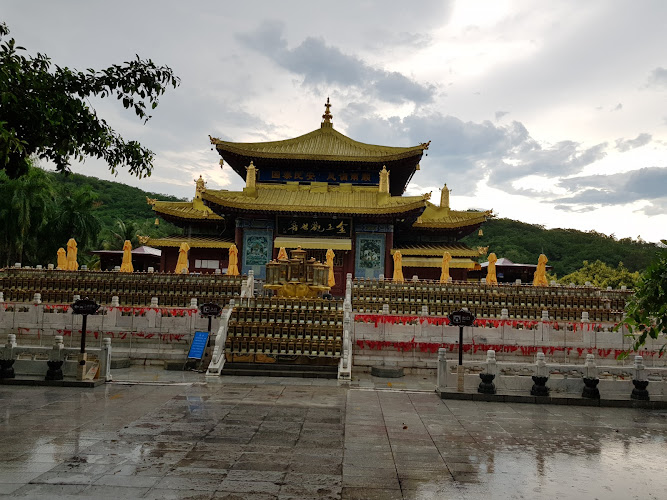
- Nanshan Cultural Tourism Zone and nearby Buddhist sites (accessible from the district)
- Scenic coastal roads and secluded beaches for quieter seaside experiences
- Local night markets and street-food stalls showcasing Hainanese cuisine
More Details
Updated March 30, 2026
Table of Contents
Description
Yazhou District represents Sanya’s quieter, more authentic side—a refreshing contrast to the polished resort areas that dominate Hainan’s southern coastline. Established in 2014, this westernmost district of Sanya offers travelers something genuinely different from the typical beach holiday experience. And honestly, that’s exactly what makes it worth exploring.
The district sprawls across a fascinating landscape where coastal beauty meets agricultural heritage and historical significance. Unlike the crowded beaches elsewhere in Sanya, Yazhou maintains a slower pace that feels almost rebellious in today’s rush-rush travel culture. I’ve always believed that the best travel experiences happen in places where tourism hasn’t completely reshaped local life, and Yazhou fits that description remarkably well.
What strikes most visitors first is the authentic fishing village atmosphere that persists here. The local communities continue their traditional livelihoods—fishing, farming, and salt production—creating an atmosphere that feels genuinely lived-in rather than staged for tourist consumption. You’ll find markets where locals actually shop, restaurants where menus cater to regional tastes first and visitor preferences second, and streets where the rhythm of daily life hasn’t been completely overtaken by vacation schedules.
The district’s historical importance shouldn’t be overlooked either. Yazhou has served as an administrative center for centuries, and traces of this legacy appear in ancient sites scattered throughout the area. The landscape itself tells stories—from the salt fields that have operated for generations to agricultural plots where tropical fruits grow in abundance under Hainan’s generous sun.
But what really makes Yazhou compelling is its position as a gateway to some of Sanya’s less-traveled natural treasures. The coastline here doesn’t feature the manicured resort beaches you’d expect, but rather more rugged, natural stretches where the South China Sea meets the land on its own terms. Inland areas reveal mountains, valleys, and ecosystems that reward curious explorers willing to venture beyond the standard tourist circuit.
Key Features
The district offers several distinctive characteristics that set it apart from other Sanya destinations:
• Authentic fishing communities where traditional methods and contemporary life exist side by side, offering genuine cultural immersion opportunities
• Historical salt fields that continue operation using techniques passed down through generations, creating unique landscape photography opportunities
• Less crowded coastal areas perfect for travelers seeking peaceful beach experiences without the resort atmosphere
• Agricultural regions producing tropical fruits like mangoes, dragon fruit, and coconuts, with opportunities to visit working farms
• Ancient administrative sites and historical landmarks reflecting Yazhou’s centuries-long importance as a regional center
• Local markets and food scenes that cater primarily to residents, providing authentic Hainanese cuisine experiences
• Natural hot springs in surrounding areas that remain relatively undiscovered by mass tourism
• Proximity to mountain regions offering hiking opportunities with coastal and valley views
• Traditional architecture preserved in older village sections, showcasing Hainanese building styles
• Opportunities for agritourism experiences including fruit picking and farm visits during harvest seasons
• Coastal fishing opportunities and the chance to purchase fresh catches directly from returning boats
• Cultural festivals and local celebrations that maintain their authentic character rather than being tourist-oriented events
Best Time to Visit
Timing your visit to Yazhou requires thinking beyond just weather patterns—though those certainly matter too. The district experiences Hainan’s tropical climate, but your ideal visiting window depends largely on what you’re hoping to experience.
November through March represents the peak comfort zone weather-wise. Temperatures hover in that perfect 20-25°C range, humidity drops to tolerable levels, and rain becomes infrequent. These months attract more visitors to Sanya generally, though Yazhou remains quieter than eastern districts even during peak season. I’d argue that January and February offer particularly pleasant conditions, though Chinese New Year can bring domestic tourism surges.
April and May present interesting possibilities. The weather warms up but hasn’t yet reached summer intensity. And honestly, this period offers something special—fruit harvest season begins in many areas, meaning agritourism experiences hit their stride. Mango season alone makes spring visits worthwhile if you’re a fruit enthusiast.
Summer months from June through August bring heat and humidity that some travelers find challenging. Temperatures regularly exceed 30°C, and the air gets thick with moisture. But there’s an upside—this period sees fewer tourists, prices drop, and you’ll experience local life with minimal visitor presence. The sea temperature becomes perfectly warm for extended swimming, and tropical fruits reach peak availability. Just prepare for afternoon rain showers that appear suddenly and depart just as quickly.
September and October constitute typhoon season, which sounds more dramatic than it usually proves to be. Most tropical storms pass without major impact, bringing rain and wind but rarely disrupting travel plans severely. These months offer good value and smaller crowds, though weather forecasting becomes essential for planning specific activities.
For agricultural tourism and cultural immersion, visiting during local festival periods provides unique experiences regardless of season. The traditional fishing calendar also influences what you’ll observe—asking locals about current fishing seasons can help you witness specific catches being brought ashore.
How to Get There
Reaching Yazhou District requires a bit more planning than accessing Sanya’s resort zones, but it’s far from complicated. Most travelers arrive through Sanya Phoenix International Airport, which sits actually quite close to Yazhou’s eastern boundary—closer than many resort hotels in other districts, ironically enough.
From the airport, taxi services offer the most straightforward option. The journey takes roughly 20-30 minutes depending on your specific destination within the district and traffic conditions. Fares should run between 60-100 RMB for most destinations, though always confirm the driver uses the meter or agree on a price beforehand. I’ve found that showing your destination written in Chinese characters on your phone helps tremendously with communication.
Public bus services connect Yazhou with central Sanya and other districts, offering budget-friendly transportation. Several routes service the area, though schedules can be less frequent than in more tourist-heavy zones. Bus travel requires patience and some navigation skills, but it provides authentic local experience and costs just a few RMB per journey.
Ride-hailing apps work well throughout Sanya, including Yazhou. Didi Chuxing dominates the market, and the app functions in English for international travelers. This option combines taxi convenience with transparent pricing and eliminates communication barriers.
Renting a car or scooter opens up exploration possibilities significantly. Several rental agencies operate near the airport and in Sanya city center. International driving permits have mixed acceptance, so research current requirements thoroughly before planning to drive. Scooter rentals often don’t require special licenses and provide excellent mobility for exploring agricultural areas and coastal roads at your own pace.
For travelers staying elsewhere in Sanya, reaching Yazhou becomes even simpler. The district sits just west of Sanya Bay, connected by coastal roads that offer scenic drives. From popular areas like Dadonghai or Yalong Bay, expect 30-60 minute travel times depending on traffic and your exact starting point.
Public transportation from Sanya city center includes dedicated bus routes and shared minibuses that follow set routes but stop flexibly. These services cater primarily to locals commuting for work or shopping, so schedules align with daily rhythms rather than tourist convenience.
Tips for Visiting
Making the most of Yazhou District requires approaching it differently than you would typical resort destinations. Here’s what actually helps based on the reality of visiting this area.
Language preparation matters more here than in tourist-saturated zones. English isn’t widely spoken outside of the very few tourist-oriented establishments. Download a translation app that works offline, and consider learning a few basic Mandarin phrases—even butchered attempts at speaking Chinese generate goodwill and often spark friendly interactions. Having your hotel address written in Chinese characters becomes essential for taxi returns.
Cash still dominates in many local markets, small restaurants, and when dealing with individual vendors. While mobile payment through WeChat Pay and Alipay has reached nearly everywhere in China, tourists often struggle setting up these services. Bring sufficient cash in small denominations, though ATMs exist in the district for refills.
Food adventures await, but come prepared for menus without English translations or pictures. Point at what others are eating—a universally understood ordering method that rarely disappoints. Local specialties include fresh seafood prepared simply, Hainanese chicken rice variations, and tropical fruits you’ve probably never encountered. Street food safety standards generally prove reliable, especially at busy stalls with high turnover.
Transportation within the district requires some flexibility. Distances between points of interest can be substantial, and walking isn’t always practical under the tropical sun. Consider renting a scooter for multi-day visits, giving you freedom to explore salt fields, agricultural areas, and coastal spots at your own pace. Just drive cautiously—traffic rules exist more as suggestions than strict regulations.
Respect for local communities enhances everyone’s experience. Remember that you’re visiting working neighborhoods, not theme parks. Ask permission before photographing people, especially fishermen and farmers at work. Don’t treat daily life as a tourist attraction without acknowledging the people living it.
Weather preparation goes beyond checking forecasts. Bring sun protection that you’d normally consider excessive—the tropical sun here doesn’t joke around. A light rain jacket handles sudden showers, and quick-dry clothing makes sense given humidity levels. Comfortable walking shoes prove essential if you plan exploring beyond immediate roadside areas.
Accommodation options in Yazhou itself remain limited compared to eastern Sanya districts. Most visitors base themselves in nearby Sanya Bay and visit Yazhou as day trips. However, a few guesthouses and smaller hotels exist for those wanting deeper immersion in local life. Book these in advance through Chinese platforms like Ctrip or through direct contact, as international booking sites have limited inventory.
Market timing enhances the experience significantly. Early mornings bring the most activity to fishing harbors and produce markets. By mid-morning, the best selection disappears and energy levels drop as heat intensifies. Plan major activities for morning hours, embrace the afternoon siesta culture, and resume exploration in the late afternoon when temperatures moderate.
Don’t expect extensive tourist infrastructure. ATMs exist but aren’t on every corner. Restaurants close between meal services. Tourist information centers aren’t really a thing here. This lack of polish is exactly what makes Yazhou appealing, but it requires greater self-sufficiency than resort area travel demands.
Fruit season awareness turns ordinary visits into exceptional ones. Different fruits peak at different times—mangoes in spring, lychees in early summer, dragon fruit through fall. Ask locals about current harvests and farm visit possibilities. Many farmers welcome visitors purchasing directly, especially if you show genuine interest in their work rather than just snapping quick photos.
Cultural sensitivity around religious sites and traditional practices shows respect. Some temples and ancestral halls in the district maintain active religious functions. Dress modestly when visiting these places, ask before taking photos, and observe quietly rather than treating sacred spaces as mere tourist attractions.
The district rewards patience and curiosity more than checklist tourism. Wandering salt fields at sunset, watching fishing boats return with their catch, visiting a local fruit farm, or simply eating where workers eat for lunch—these unstructured experiences often create the most memorable moments. Leave room in your schedule for spontaneity and following interesting discoveries down unexpected paths.
Key Highlights
- Yazhou Ancient City and historical sites reflecting local maritime heritage
- Yazhou Central Fishing Port and fresh seafood markets
- Nanshan Cultural Tourism Zone and nearby Buddhist sites (accessible from the district)
- Scenic coastal roads and secluded beaches for quieter seaside experiences
- Local night markets and street-food stalls showcasing Hainanese cuisine
Location
Places to Stay Near Yazhou District
Find and Book a Tour
Explore More Travel Guides
No reviews found! Be the first to review!
Yazhou District is a prominent Attractions located in Sanya.
Visit us at: Yazhou District, Sanya, China, 572024.
Traveler Reviews for Yazhou District
There are no reviews yet. Be the first one to write one.
Have you visited Yazhou District? Help other travelers by sharing your review.
Nearby Attractions
Find Accommodations Nearby
Recommended Tours & Activities
Visitor Reviews
There are no reviews yet. Be the first one to write one.
Share Your Experience
Have you visited Yazhou District? Help other travelers by leaving a review.
